Cost of Living in Tozeur
Where this figure comes from. No cost survey covers Tozeur, so the $600 a month above is our own estimate rather than a measurement. On 416 of our 999 city guides the figure is built from a published Numbeo basket, a one-bedroom rent in the centre plus one person's monthly costs without rent, converted to USD; this city is not one of them. How we source everything.
Tozeur is one of the most affordable destinations in Tunisia, and Tunisia is already gentle on a nomad budget. A comfortable solo stay lands somewhere in the range of roughly $400 to $900 per month, depending on how much you eat out, whether you rent a simple apartment or stay in a tourist-zone hotel, and how many desert tours you book. Fresh produce, bread, dates and street food cost very little, and a sit-down meal in a local restaurant rarely stretches the budget. The main variable costs are accommodation and excursions, since 4x4 trips to the mountain oases and Star Wars sets are priced for tourists. This is a place where money goes a long way, but keep some buffer for transport, since reaching Tozeur and getting into the desert both add up.
- Budget guesthouse or simple apartment: roughly $150 to $350 per month.
- Local meals: often $2 to $6; a nicer restaurant dinner $8 to $15.
- Local SIM with data: a few dollars for the card plus small monthly top-ups.
- Half-day 4x4 desert tour: typically $30 to $60 per group, negotiable.
Where to Work in Tozeur
Tozeur grew rich on dates and then on tourism, never on bandwidth, so a small Saharan oasis town is what you get, with the internet run as a courtesy for hotel guests rather than as a service to build a working day around. There is no dedicated coworking space, and wifi is genuinely variable. Hotel and cafe connections can be slow, drop during peak hours, or struggle with video calls, so treat any listed wifi as a bonus rather than a guarantee. The most reliable setup is a local mobile data plan used as a hotspot. Pick up an Ooredoo, Orange or Tunisie Telecom SIM on arrival, top it up generously, and test the signal where you plan to stay. If steady internet matters, message your accommodation directly and ask for real speeds and a backup option before booking, rather than trusting the listing.
- Buy a local SIM (Ooredoo, Orange or Tunisie Telecom) and use it as a hotspot.
- Ask your hotel or host for actual wifi speeds and a fallback before booking.
- Larger tourist-zone hotels sometimes have the steadiest connections and a lobby to work from.
- Plan calls and heavy uploads for off-peak hours, and keep expectations modest.
Getting Around Tozeur
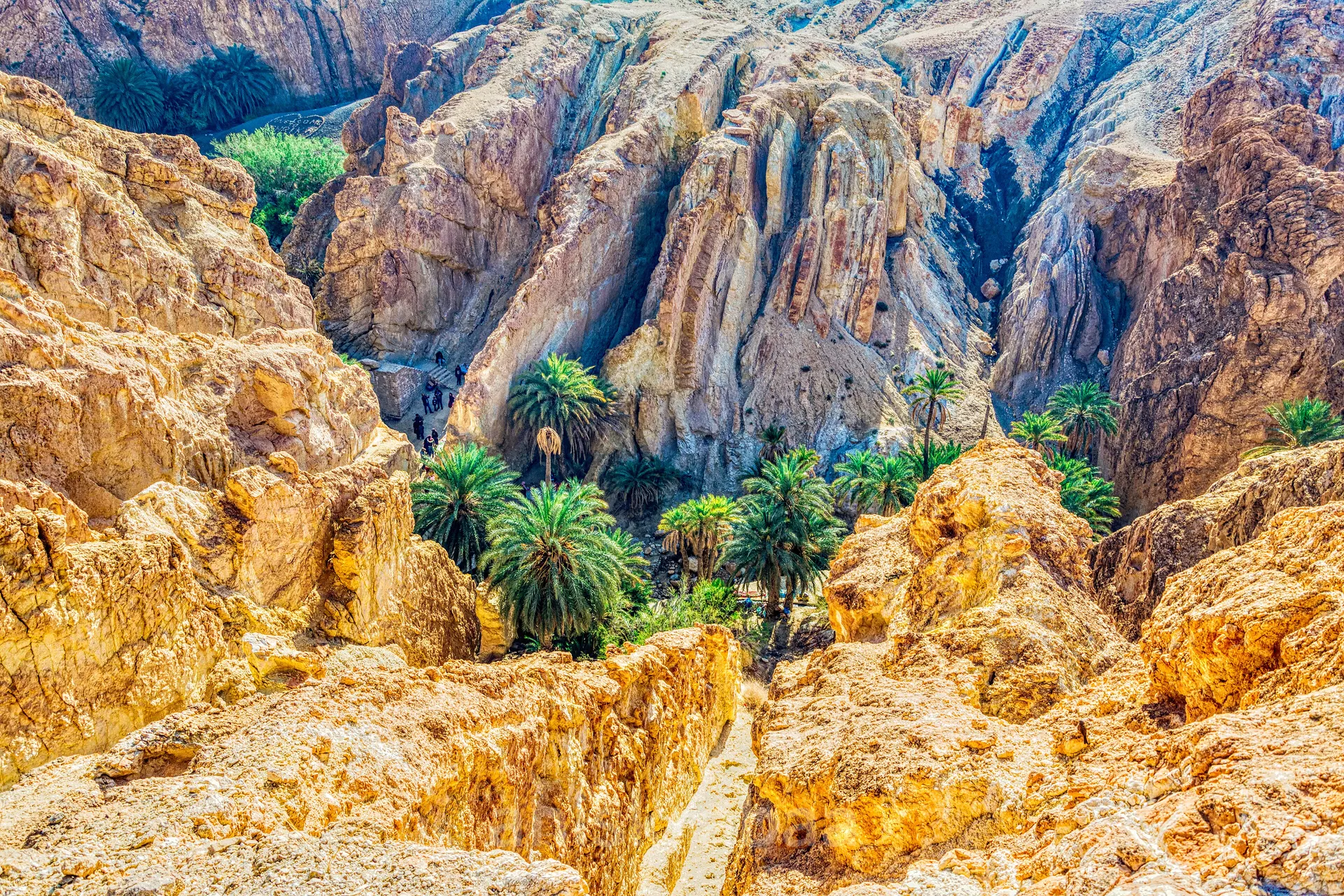
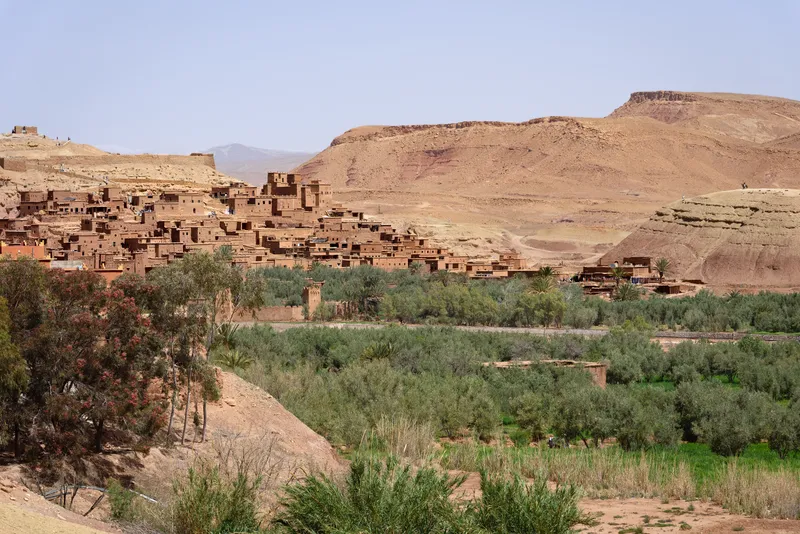
Tozeur itself is small and easy to explore on foot, and the atmospheric old brick quarter of Ouled el-Hadef, with its ochre-yellow patterned brickwork, is best seen slowly on a walk. For the palmeraie, the classic option is a caleche, a horse-drawn cart that clip-clops through the shady palm groves. Around town, cheap taxis and shared louage minibuses handle longer hops. To reach the real highlights you will want a tour or a hired 4x4: the mountain oases of Chebika, Tamerza and Mides, the vast Chott el-Jerid salt flat, and the Star Wars filming locations at Mos Espa and the Ong Jemel dunes all sit out in the desert. Tozeur-Nefta airport (TOE) offers some flights, while louages and buses connect onward to Gafsa, Kairouan and Tunis over a long drive.
- Walk the town and Ouled el-Hadef; take a caleche through the palmeraie.
- Use taxis and shared louages for local and regional trips.
- Book a 4x4 tour for Chebika, Tamerza, Mides and the Star Wars sets.
- Fly via Tozeur-Nefta (TOE) or ride a louage/bus to Gafsa, Kairouan or Tunis.
Sorting transport? Book an airport transfer, or compare car rental on Auto Europe and QEEQ.
Visas for Tozeur
Tozeur follows Tunisia's national entry rules, and Tunisia is relatively straightforward for many travelers. Citizens of a wide range of countries can enter visa-free, commonly for stays of up to 90 days, with a passport stamp on arrival rather than a pre-arranged visa. Because Tozeur has its own airport and good road links, most nomads simply enter the country elsewhere and travel down, or fly in during the season. Check whether you need proof of onward travel or accommodation. If you want to stay longer than your permitted window, look into extension procedures well ahead of time.
- Many nationalities enter Tunisia visa-free, commonly up to 90 days.
- Entry is national, so where you fly in does not change your allowance.
- Plan ahead if you hope to extend beyond the standard stay.
Best Time to Visit Tozeur
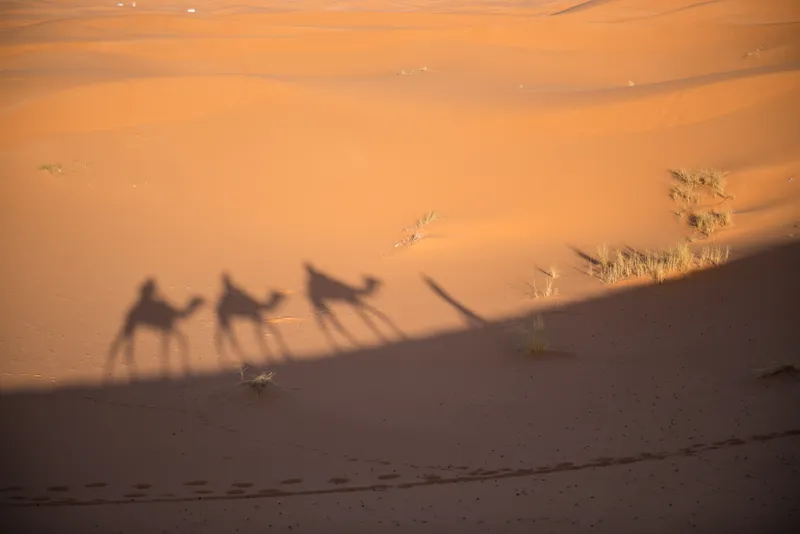
Season makes an enormous difference in the desert. The sweet spots are autumn, roughly October to November, and spring, roughly March to April, when days are warm and pleasant and the light on the dunes and brickwork is at its best. These shoulder seasons are ideal for exploring the palmeraie, the mountain oases and the Chott el-Jerid without being punished by the heat. Winter is mild and sunny by day but can turn genuinely cold at night, so pack layers if you come between December and February. The one period to approach with real caution is summer, from June to August, when Tozeur becomes extremely hot, with daytime temperatures that make midday sightseeing and outdoor work uncomfortable or unsafe. If you must visit in summer, plan activity for early morning and evening.
- Best overall: October to November and March to April.
- Winter (December to February): mild sunny days, cold nights, bring layers.
- Summer (June to August): extreme desert heat, best avoided if possible.
- Shoulder seasons give the finest light for the palmeraie and dunes.
Pros and Cons of Tozeur
Tozeur is a place you visit for atmosphere, not for infrastructure, and being clear-eyed about that trade-off is the key to enjoying it. On the plus side, it is strikingly beautiful and deeply affordable, with the patterned-brick old town, the enormous palm grove, and easy access to some of the Sahara's most photogenic scenery. It is calm, safe-feeling and unhurried, ideal for slow desert travel. On the minus side, this is a small tourism-driven town with modest infrastructure, variable wifi, near-zero nightlife, limited English, and brutal summer heat. The nomad community is tiny, so you should not expect a ready-made coworking crowd. Weigh those honestly: Tozeur rewards travelers who come for the desert and the light, and frustrates anyone expecting a fully wired, city-style work base.
- Pros: very low cost, unique architecture, spectacular Sahara scenery, calm pace.
- Pros: walkable old town, easy tours, clean dry desert air.
- Cons: variable wifi, tiny nomad scene, minimal nightlife, limited English.
- Cons: extreme summer heat and modest small-town infrastructure.
Who Tozeur Is For
Tozeur suits a specific kind of traveler, and it is worth knowing whether that is you. It is a wonderful pick for slow-travel nomads, photographers, desert lovers and culture-curious visitors who want a short, scenic, low-cost stay steeped in Saharan atmosphere. If you can work asynchronously, keep your online commitments light, and lean on a mobile data plan, you can happily base here for a week or two while exploring the oases and salt flats. It is a poor fit for anyone who needs rock-solid internet, frequent video calls, a lively social or nightlife scene, or a large community of fellow remote workers. Think of Tozeur as a memorable desert interlude rather than a long-term hub: come for the palmeraie, the brickwork and the star-filled skies, and let the work take a back seat.
- Great for: slow travelers, photographers, desert and culture lovers.
- Great for: light, asynchronous workloads run off mobile data.
- Not ideal for: call-heavy work, nightlife seekers, big-community nomads.
- Best treated as a short scenic stay, not a long-term base.