Cost of Living in Taitung
Where this figure comes from. No cost survey covers Taitung, so the $950 a month above is our own estimate rather than a measurement. On 416 of our 999 city guides the figure is built from a published Numbeo basket, a one-bedroom rent in the centre plus one person's monthly costs without rent, converted to USD; this city is not one of them. How we source everything.
Budget around $950 a month, which makes Taitung one of the cheaper places to live in Taiwan. A one-bedroom runs roughly $250 to $450, well below Taipei and with more space. Market produce is very cheap and the region grows rice, custard apples and tea, with the Chishang rice from the valley north of the city regarded as the best in Taiwan. Eating out costs a few dollars and the night market is where most people do it. Utilities are moderate and air conditioning is the main summer cost. Taiwan's health insurance system is excellent and available to residents at low cost. Rentals are agreed directly with the owner on a one-year lease with two months' deposit, and landlords in a town this size often advertise on a sign in the window rather than online, so a week on the ground beats a month of searching from abroad. A second-hand scooter costs little and is the single most useful purchase anyone makes here. National health insurance requires a residence permit and six months of stay before enrolment, so a shorter visit needs private travel cover instead.
Where to Work in Taitung
Connectivity is very good. Taiwan has near-universal fibre at high speeds and low prices, comprehensive mobile coverage and reliable power, and Taitung is no exception despite being on the quiet side of the island. There is a small but real coworking presence, and the county has actively promoted itself to remote workers and to people leaving Taipei. The time zone is eight hours ahead of GMT, which works for Asia and Australia and is difficult for Europe and the Americas. Typhoons are the one thing that interrupts everything, and the east coast takes them first. The county has gone further than most in courting people leaving Taipei, with subsidised workspaces and relocation schemes that change from year to year. Cafes and the public library both serve as offices. Typhoon preparation is a habit here rather than a drill: keep a few days of water and food, expect power and sometimes water to go, and treat a warning as a reason to bring forward anything that needs bandwidth. Mandarin carries daily life, and English is thinner than in Taipei.
Getting Around Taitung
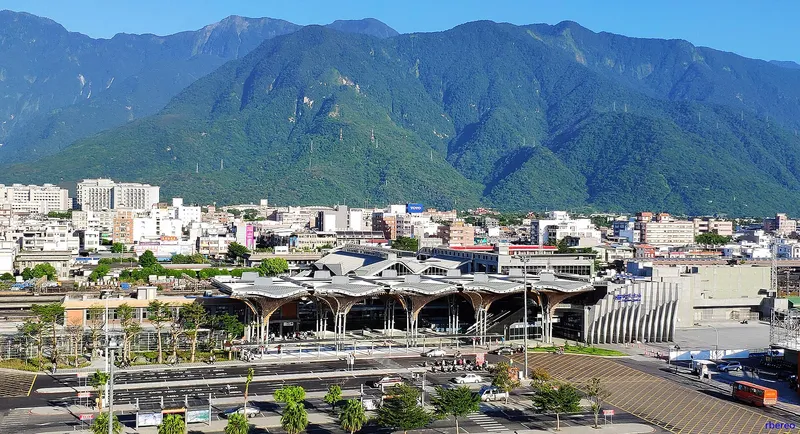
A scooter is the normal way to move, as everywhere in Taiwan, and Taitung is flat and easy for it. Bicycles work well and the coastal and valley cycle routes are among the best in the country. The city itself is small and walkable. Taitung station is on the east coast railway line, with the fastest trains reaching Taipei in about three and a half hours and Kaohsiung in two. Taitung Airport has flights to Taipei and to Green Island and Orchid Island, both of which are also reachable by ferry and are the region's main draw. Renting a scooter requires an international driving permit with the correct motorcycle category and enforcement has tightened, so a car licence alone will not do. The choice of road north matters more than it looks: Highway 11 hugs the Pacific while Highway 9 runs up the rift valley between the ranges, and taking one each way is how the region is best seen. Ferries to the islands cancel readily in swell, so build slack around them, and book the train south well ahead during holidays, when seats vanish.
Sorting transport? Book an airport transfer, or compare car rental on Auto Europe and QEEQ.
Visas for Taitung
Taiwan grants ninety days visa-free entry to citizens of most European countries, the United Kingdom, the United States, Canada, Japan and Australia, which is generous and straightforward. Of those, only British and Canadian passport holders can extend the stay, to 180 days. Taiwan also operates the Employment Gold Card, a combined work permit, residence visa and open work right valid for one to three years for qualifying professionals, which is one of the best schemes of its kind anywhere and is the route most long-stay remote workers use. Taiwan also issues a digital nomad visitor visa to nationals of visa-exempt countries. Anyone considering the Gold Card should note that it is assessed on qualifications and income across several professional categories, and that approval takes weeks rather than days. The Gold Card carries a tax advantage alongside the work right that is worth knowing about: qualifying holders get a reduction on foreign-sourced income above a threshold for their first several years, which materially changes the arithmetic for higher earners. Other nationalities can neither extend a visa-free entry nor convert it from inside the country, so anyone intending a longer stay needs to arrive on the right footing rather than fix it afterwards. The resident certificate that follows the Gold Card is what unlocks banking, health insurance and a local phone contract.
Best Time to Visit Taitung
October to April is the best window, warm at around twenty five degrees with lower humidity and clear air, and the winter here is far milder than the north of the island. May to September is hot and humid and is the typhoon season, and the east coast is the first landfall for storms crossing the Pacific, which means genuine disruption several times a year. The rift valley north of the city is at its best in spring when the rice is green and in autumn when the daylilies flower orange across the hillsides at Liushidan. Surf follows the typhoons rather than avoiding them, and the swells arriving on the edges of a storm system are what draw people to Donghe and Jinzun between summer and autumn. Indigenous harvest festivals fall mostly in July and August, and they are community occasions rather than performances, so attending one is a matter of being invited or being respectful about watching. Winter brings the northeast monsoon, which the Central Mountain Range largely blocks here, which leaves this coast dry and bright for months while the north of the island sits under cloud.
Pros and Cons of Taitung
Landscape and pace are the whole argument here: the Pacific on one side, the Central Mountain Range on the other, a rift valley of rice paddies between them, and a county that has deliberately stayed undeveloped. Green Island and Orchid Island offer some of the best diving in Taiwan. Indigenous Amis and Puyuma culture is stronger here than anywhere else on the island. The isolation from the west coast cities is the cost of that, along with limited English, few international services, and a typhoon season that genuinely disrupts. Green Island also holds a former political prison where dissidents were held during the White Terror, now a memorial park, which is a serious and well-presented piece of Taiwan's recent history. The county has been losing people to the west coast cities for decades, and that shapes everything from school sizes to which shops stay open, though arrivals from Taipei have slowed it lately. Medical care runs to a regional hospital, with anything complex meaning Kaohsiung or Taipei by train or air. Property prices have climbed sharply as the relocation trend caught on, which residents notice a good deal more than visitors do.
Who Taitung Is For
Surfers, cyclists, divers and anyone who wants Taiwanese infrastructure with none of the density, a combination that is genuinely hard to find. It suits remote workers on Asian hours, particularly those on the Employment Gold Card. Taiwan's indigenous peoples have a substantial rather than symbolic presence on this coast, which is not true of most of the island. This is a small town on Taiwan's quiet coast rather than a city, European and American hours work badly against it, and the isolation that reads as peace in month one reads as something else by month four for a good many people. It also suits hot air balloon enthusiasts, oddly specifically, since the Taiwan International Balloon Festival runs above the Luye highland here every summer and is the county's biggest event. Hualien to the north is the obvious comparison, being busier, better connected and closer to Taroko Gorge, while this county is quieter, warmer and has the islands. A long stay works better outside the summer, since the season everyone visits is also the one the typhoons interrupt, and the winter is the half that shows what living on this coast is actually like.
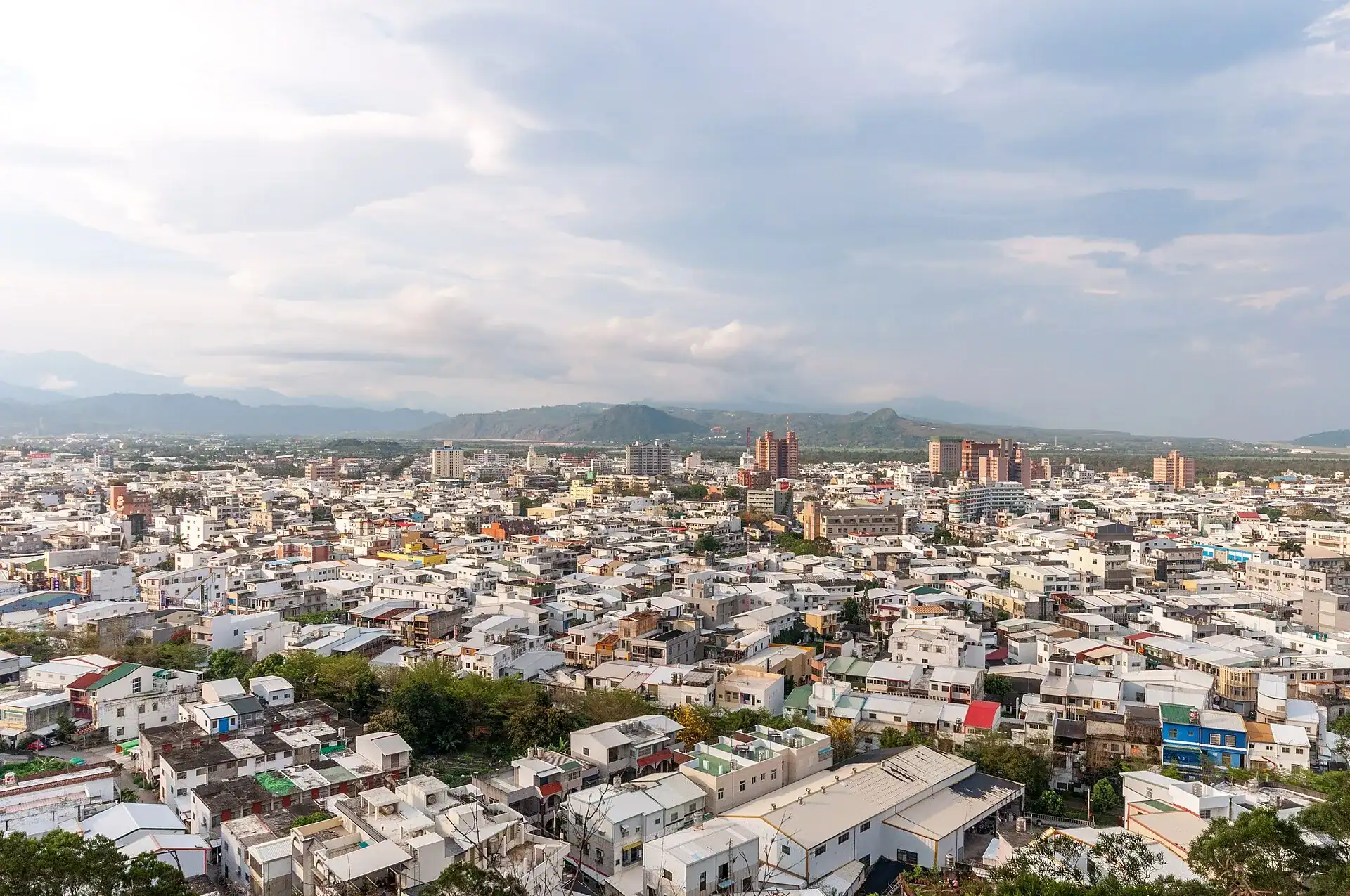 Photo: Liaon98 / Wikimedia Commons (CC BY-SA 3.0 tw)