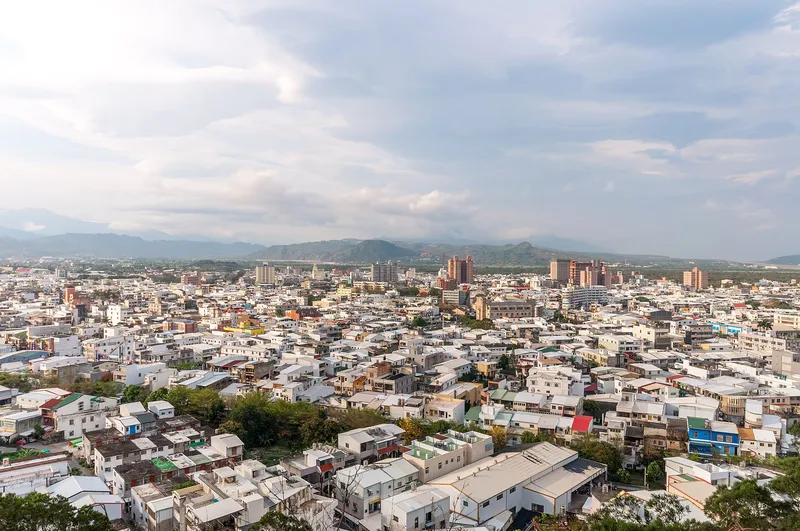
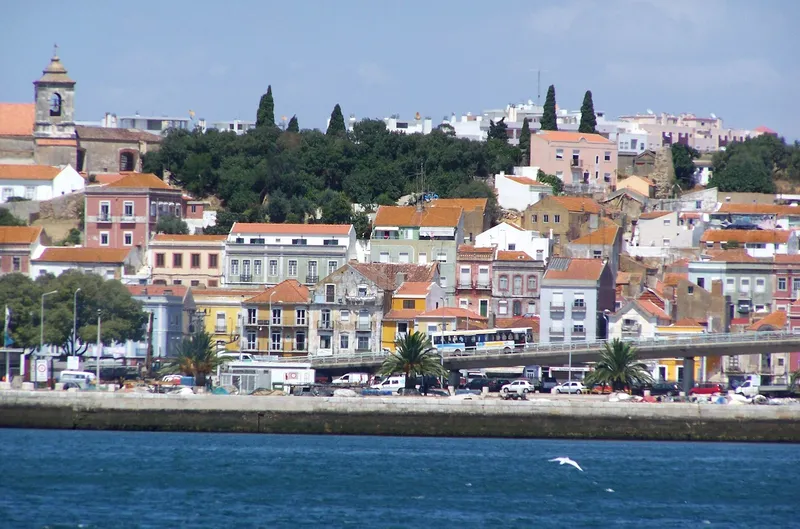
Hualien with the mountains of the central range rising behind the town
Photo: Mfpan9389115 / Wikimedia Commons (CC BY-SA 4.0)
Taiwan flag

Hualien

Taiwan

The Pacific on one side, Taroko Gorge on the other, and a slow town in between.

$1,150
Monthly Budget
--
Current Weather
Humid Subtropical
Climate Type
8/10
WiFi Score
9/10
Safety Score
UTC+8
Timezone
0
Nomad Score

Setting Up as a Nomad in Hualien

The Pacific on one side, Taroko Gorge on the other, and a slow town in between. For remote workers, Hualien leans on nature and safety, with a typical budget near $1,150 a month. The main trade-off is the size of the nomad scene.

Nomad Facts at a Glance

The practical basics for Hualien, Taiwan

CurrencyDollar (NT$, TWD)
LanguageMandarin
Plugs & powerType A/B · 110V / 60Hz
Tap waterTreated; locals boil or bottle
TippingNot customary
Ride-hailingUber, LINE Taxi
Emergency110 / 119
Mobile dataeSIM: Airalo / Holafly
Driving sideRight
Dialling code+886
Time zoneUTC+8
Best time to visitFeb, Mar, Dec

Country-level guidance to get you oriented, not a substitute for checking locally. Numbers and norms can change; 112 reaches emergency services from most mobiles worldwide.

Category Breakdown

How Hualien scores across all 13 factors

Hualien's Nomad Score is 7.8 out of 10, from 13 category ratings (each out of 10): Climate 7, Cost of Living 7, WiFi 8, Nightlife 4, Nature 10, Safety 9, Food 8, Nomad Community 3, English 4, Visa Ease 7, Culture 6, Cleanliness 8, Air Quality 8.

Weather in Hualien

Monthly averages from 2019-2023 (Open-Meteo), and the best time to visit

20°
16°
Jan
21°
16°
Feb
22°
18°
Mar
24°
19°
Apr
27°
22°
May
29°
25°
Jun
31°
25°
Jul
30°
25°
Aug
29°
24°
Sep
26°
22°
Oct
24°
20°
Nov
21°
17°
Dec
Daily high & low (°C)Rainfall (mm/month)Best months to visit

The best time to visit Hualien for comfortable weather is Feb, Mar, Dec. The warmest month is Jul (around 31°C by day), and the wettest is Oct (about 443mm of rain).

Chasing good weather? See other cities that are warm in Feb, or plan a multi-city route around the seasons, or search flights when you are ready to move. Staying a while in Hualien? Check visa options, your time-zone overlap and how far your budget stretches, or find it on the world map.

Historical monthly averages, not a forecast. Source: Open-Meteo ERA5, a grid of roughly 25 km cells, because no weather station with published normals is close enough to the city.

Best Neighborhoods in Hualien

Where to base yourself for the perfect nomad experience

Downtown and Dongdamen Night Market

$$
Central & Compact

The city centre, with the biggest night market on the east coast

Hualien's compact downtown around Zhongshan Road, with the Dongdamen night market at its eastern edge running down towards the sea. It holds the shops, the banks, the guesthouses and the restaurants, and the whole of it can be crossed on foot or by bicycle in minutes.

Best for: Anyone who wants the night market, the shops and the station within a short ride
Pros
  • Dongdamen night market at the edge of the district
  • All services, banks and shops close by
  • Flat and easy to cycle
Cons
  • The highest rents in the town, though still modest
  • Busy with visitors in the Taroko season
  • Little green space

Hualien Station Area

$$
Transit & Practical

Around the railway, where the Taipei train and the rentals are

The district around Hualien station, the arrival point for everyone taking the coastal railway from Taipei, with hotels, scooter rental shops, the tour operators for Taroko and a growing cluster of newer apartments. Practical rather than pleasant, and the best-connected part of town.

Best for: Stays built around the train to Taipei and scooter rental for the gorge
Pros
  • Trains to Taipei in two hours from the doorstep
  • Scooter rental and Taroko operators concentrated here
  • Newer apartment supply
Cons
  • Functional and short on character
  • Fifteen minutes from the night market
  • Traffic around the station

Qixingtan and the Northern Coast

$$
Coastal & Dramatic

The pebble beach north, facing the open Pacific

The crescent of grey pebble beach a few kilometres north of the city, backed by the coastal highway with the mountains rising behind and nothing between you and the Pacific. Guesthouses and small hotels line the road, and the water here is deep and not for casual swimming.

Best for: Stays that want the Pacific and the mountains framing every view
Pros
  • The open Pacific and the mountains in one view
  • Quiet and much less built up than the city
  • Whale watching departs from the harbour nearby
Cons
  • The water is deep and unsafe for swimming
  • Fifteen minutes into the city
  • Very exposed during typhoons

Taroko Gorge Approach (20 km north)

$$
Canyon & Remote

Up the Liwu river, at the mouth of the marble canyon

The settlements at the entrance to Taroko National Park, where the Liwu river comes out of a marble canyon thousands of feet deep. Guesthouses and homestays sit along the approach road, some run by Truku indigenous families. Access to parts of the park has been restricted since the 2024 earthquake.

Best for: Stays built entirely around the gorge, with the town accepted as a drive
Pros
  • Taroko's trails and the canyon at the door
  • Truku homestays and indigenous cooking
  • Genuinely spectacular setting
Cons
  • Earthquake damage has closed parts of the park
  • Thirty minutes into Hualien and a vehicle is essential
  • Very limited services and connectivity

Ji'an and the Rift Valley Edge

$
Rural & Spacious

South of the city, rice fields between the mountain ranges

The township immediately south where Hualien gives way to the East Rift Valley, a corridor of rice paddies running between the coastal range and the Central Mountains. Housing is village and low-rise, rents are the lowest in the area, and the cycling through the fields is exceptional.

Best for: Longer stays wanting space, rice fields and the lowest rents
Pros
  • The lowest rents in the area
  • Rice-field cycling between two mountain ranges
  • Quiet and genuinely rural
Cons
  • Fifteen to twenty minutes into the city
  • A scooter or car is necessary
  • Very few restaurants or services

Cost of Living in Hualien

Where this figure comes from. No cost survey covers Hualien, so the $1,150 a month above is our own estimate rather than a measurement. On 416 of our 999 city guides the figure is built from a published Numbeo basket, a one-bedroom rent in the centre plus one person's monthly costs without rent, converted to USD; this city is not one of them. How we source everything.

Budget roughly $1,150 a month as a solo remote worker in Hualien, which makes Taiwan's east coast noticeably cheaper than its west. A one-bedroom apartment in Hualien City runs about $350 to $500, and because the city is small and the market is thin, personal contacts and local rental boards often work better than online listings. Groceries land around $280 to $350. Night market food is $4 to $7 a meal, a restaurant dinner $15 to $22, and coffee about $3. A scooter rental is $100 to $150 a month and is close to essential. Utilities add $60 to $120. The main cost variable is travel: Hualien is separated from the west coast by the central mountain range and getting out is a train journey.

Where to Work in Hualien

Hualien has essentially no coworking infrastructure, which is the price of its setting. Remote workers here work from their accommodation or from the small but real cluster of independent cafes in the city, several of which have grown up around the surfing and outdoor community and are entirely relaxed about laptops. Taiwanese internet quality holds up here: fixed-line fibre is fast and cheap even in a small east coast city, and mobile 4G and 5G coverage is good along the coastal corridor though patchy in the gorge and the mountains. That reliability is what makes Hualien viable at all as a base. For anything requiring an office or a professional network, Taipei is two hours away by express train. The county has the largest Indigenous population in the country, mostly Amis, and their language and festivals are a living part of the place rather than a museum exhibit, which changes the texture of a small town considerably. Cement and marble quarrying is the heavy industry behind the scenery, and the dust and the lorries on the highway are the part the tourist photographs leave out. Neither sector hires foreigners, so the working day you keep here is entirely your own to arrange.

Getting Around Hualien

Hualien City is small and flat and can be crossed on a bicycle in twenty minutes. Beyond it, a scooter is the standard and near-essential solution: it is how you reach Taroko Gorge, the coastal highway south towards Taitung, and the rice terraces of the East Rift Valley. Rental is cheap and licensing requirements for foreigners should be checked, as enforcement has tightened. Buses run along the main routes but infrequently. The railway is the lifeline to the rest of Taiwan: the Taroko and Puyuma express services reach Taipei in about two hours along a spectacular coastal line, and booking ahead is necessary at weekends and holidays. There is a small airport with limited domestic flights. There are two roads south, one along the water and one up the inland valley, and together they make a loop of a few days that is the classic ride on the island's signed round-the-country cycling route. A stored value card bought at any convenience store pays for buses and local trains without a ticket queue, which matters because the ticket windows here are slow. Landslide closures are posted by the highway bureau, and a route open in the morning may not be open in the afternoon.

Sorting transport? Book an airport transfer, or compare car rental on Auto Europe and QEEQ.

Visas for Hualien

Taiwan grants most Western passports 90 days visa-free on arrival, and only British and Canadian holders can extend that in-country, to 180 days in all. The Employment Gold Card is the serious long-stay route: a combined open work permit, residence visa and re-entry permit valid for one to three years, aimed at qualified professionals in listed fields and notably not requiring a Taiwanese employer. That makes it one of the most usable schemes in Asia for a self-employed remote worker who meets the criteria. Applications are online and centralised. Holders gain access to Taiwan's national health insurance after six months of residence, which is comprehensive and inexpensive. Tax is where the Gold Card pays for itself: a qualifying professional can exclude half of the income above a high threshold for the first several years of residence, which is a larger benefit than the nomad schemes elsewhere in Asia offer. Anyone arriving mid-year should know that residence for tax purposes turns on days spent in the country, and income earned before that line is crossed is withheld at a flat rate that feels punitive until it is reconciled. A residence card follows the visa and is what opens a bank account.

Best Time to Visit Hualien

October to April is the best window in Hualien. Autumn is warm, clear and dry, and winter is mild at around 15 to 20 degrees, though the east coast is wetter than the west and rain is frequent. Spring through April is pleasant. Summer, June to September, is hot, humid and above all the typhoon season, and this matters more here than anywhere else in Taiwan: Hualien is directly exposed to Pacific storms, and typhoons regularly close Taroko Gorge, cut the coastal highway and cancel trains. The region is also seismically very active, with a major earthquake in April 2024 causing significant damage and landslides in the gorge; check current access before planning around it. The plum rains arrive before the heat does, a few weeks of persistent drizzle in late spring that residents treat as a season of its own rather than as bad weather. Whale and dolphin boats run out of the port from spring into autumn and the strike rate is high, because the drop-off is close to shore. The clearest air comes just after a storm has passed, which is when the mountains behind the coast are visible from the beach and the photographs everyone has seen get taken.

Pros and Cons of Hualien

Hualien offers something rare: a small, safe, functional town with Taiwan's infrastructure and healthcare, sitting between the Pacific and the marble walls of Taroko Gorge. The mountains and the coast are genuinely world-class, the food is excellent, internet is fast, and the pace is slow in a way that suits focused work. Costs are low by Taiwanese standards. Isolation is the trade: the central range cuts it off, and the two-hour train to Taipei is the only practical link. There is no nomad or expatriate community. English is very limited. Typhoons and earthquakes are real and recurring disruptions rather than remote possibilities, and the April 2024 quake did serious damage to the gorge road network.

Who Hualien Is For

Mountains and ocean at the door, and you supply your own company. Hikers, climbers, surfers and cyclists are the natural fit here, and Employment Gold Card holders who want somewhere quiet find that Taiwanese infrastructure follows them out to the east coast. Writers and people doing deep focused work do well here. It works for couples who like the outdoors. A professional network, an English-speaking environment, nightlife and a coworking space are all absent, and anybody who would find earthquakes and typhoons unsettling rather than merely inconvenient should read the seasonal section again before committing. Taichung and Taipei are both within a few hours and answer all of those far better.
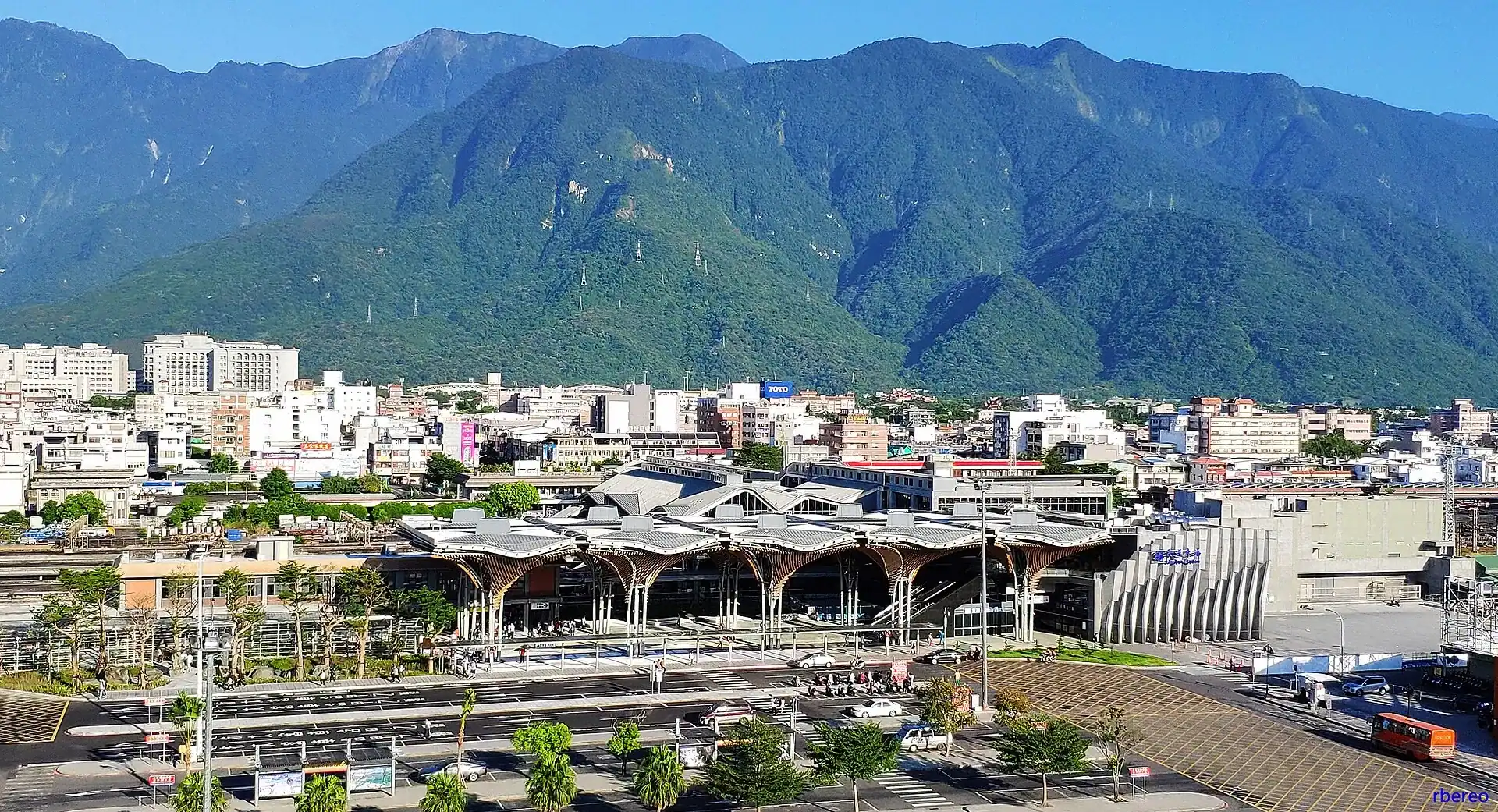
Where to Stay in Hualien

Top neighborhoods and accommodations for digital nomads

We have not yet verified specific places to stay in Hualien. When we list one it will name the source we checked it against, the same as every other figure on this page, and until then we would rather show nothing than a name we have not confirmed. The neighbourhood guide above says which parts of the city to look in, which is the more useful half of the answer anyway.

Best Coworking Spaces

Where nomads get work done in Hualien

We have not yet verified specific coworking spaces in Hualien. When we list one it will name the source we checked it against, the same as every other figure on this page, and until then we would rather show nothing than a name we have not confirmed. The guide sections above cover what working from Hualien is actually like, including connection speeds and cafe culture.

Where to Eat & Drink

Best food and drink spots in Hualien

We have not yet verified specific places to eat in Hualien. When we list one it will name the source we checked it against, the same as every other figure on this page, and until then we would rather show nothing than a name we have not confirmed. The guide sections above cover what eating in Hualien costs and what the city is known for.

Cities with a Similar Vibe to Hualien

Different places that score alike across our 13 categories, if you like Hualien, these tend to feel similar.

In the rankings

Where Hualien ranks

Hualien features in 1 of our 32 city rankings.

  1. 13Best for nature→
  2. Best cities in Asia→

A comfortable solo budget in Hualien is about $1,150/mo, a mid-range budget by nomad standards.

Frequently Asked Questions About Hualien

How much does it cost to live in Hualien as a digital nomad?

A comfortable nomad budget in Hualien is around $1,150 a month, covering a furnished rental, food, coworking, and getting around. You can spend less by living outside the center and eating local, or more in the most popular neighborhoods.

Is the internet fast enough for remote work in Hualien?

Hualien rates 8 out of 10 for WiFi in our scoring, so connectivity is excellent for video calls and everyday remote work. A local SIM with a data plan is a smart backup for cafes, coworking, and travel days.

Is Hualien safe for digital nomads?

Hualien scores 9 out of 10 for safety in our ratings, which is excellent for solo travelers and long stays. Use the usual precautions with valuables and at night, and favor well-reviewed neighborhoods when you choose where to stay.

Is Hualien a good city for digital nomads overall?

Hualien stands out for nature and the outdoors and safety among remote workers. With a typical budget near $1,150 a month and a growing nomad scene, it is worth a look if those priorities match what you want from a base.