Cost of Living in Pula
Real market data
Source: Numbeo · August 2026
$1,440/moSolo nomad1-bed centre + living costs
$2,000/moCoupleshared 1-bed + costs
$1,260/moLean / localcheaper area + costs
- 1-bed rent, city centre$730€638
- 1-bed rent, outside centre$550€480
- Monthly costs excl. rent (1 person)$700€611
- Meal, inexpensive restaurant$16€14
- Monthly transit pass$35€30
- Buy price, per m² (centre)$4,270€3,711
Prices are from Numbeo (August 2026), converted to USD at $1 = €0.87 (01 Aug 2026). The monthly living-costs figure is our transparent one-person basket, groceries, a few meals out, utilities, phone, internet, transport and essentials, priced from those figures. Solo adds central rent; couple and lean are estimates from the same numbers. The guide below quotes its own monthly range, which is a different measurement rather than a competing one: this table prices a defined basket at the figures above, while that range is a judgement about how somebody actually lives here.
Pula sits in the middle of the Croatian coast price range: cheaper than Split or Dubrovnik, but pricier than Zagreb or smaller inland towns. Expect to pay more in summer and significantly less in winter.
- Rent, central (Old Town or Forum area): $805-1,150/month for a one-bedroom
- Rent, outer districts (Veruda, Valsaline, Stoja): $575-865/month for a one-bedroom
- Groceries (one person): $230-320/month; shop at the central market or Konzum/Lidl for best value
- Eating out: A lunch at a local konoba runs $12-17; a sit-down dinner with wine is $29-46; pizza at Jupiter is around $12-16
- Coworking hot desk: Coworking Office Pula charges on request but expect roughly $92-140/month; Klub Kotac is free with no formal day-pass model
- Local transport: Single bus ticket $1.50; monthly bus pass around $35
Total monthly range: A frugal nomad spending carefully outside peak season can get by on $1,500-1,960. A comfortable budget with regular dining out is closer to $1,960-2,530. July and August push costs higher across the board, especially rent.
Where to Work
Pula has a small but functional remote-work infrastructure. Do not expect a coworking scene on the scale of Lisbon or Tbilisi.
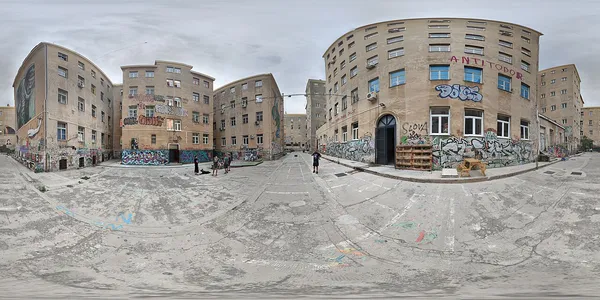
Coworking Office Pula (Labinska ulica 2, operated by regional agency IDA) is the most professional option, offering open desks, a conference hall, fast internet, and free parking. It suits focused work but has limited community events. Klub Kotac at Gajeva 3 is a free community space inside the Rojc social center: artsy, sometimes noisy, but genuinely welcoming to nomads and open during the day. Hotel Amfiteatar near the Arena offers free coworking areas (indoor and outdoor terrace) to guests.
For cafe work, Cvajner Gallery on Forum Square is the best-known spot, a former bank filled with retro furniture and art objects, open from 8 AM to midnight, with decent WiFi. Most other traditional kafice are not laptop-friendly and have limited outlets.
WiFi across the city is generally stable. Fiber and cable broadband are available in most apartments. Pick up a local SIM card from A1, T-Mobile HR, or Telemach on arrival as a backup for tethering, data packages are cheap (around $12-17/month for solid 4G/5G).
Getting Around
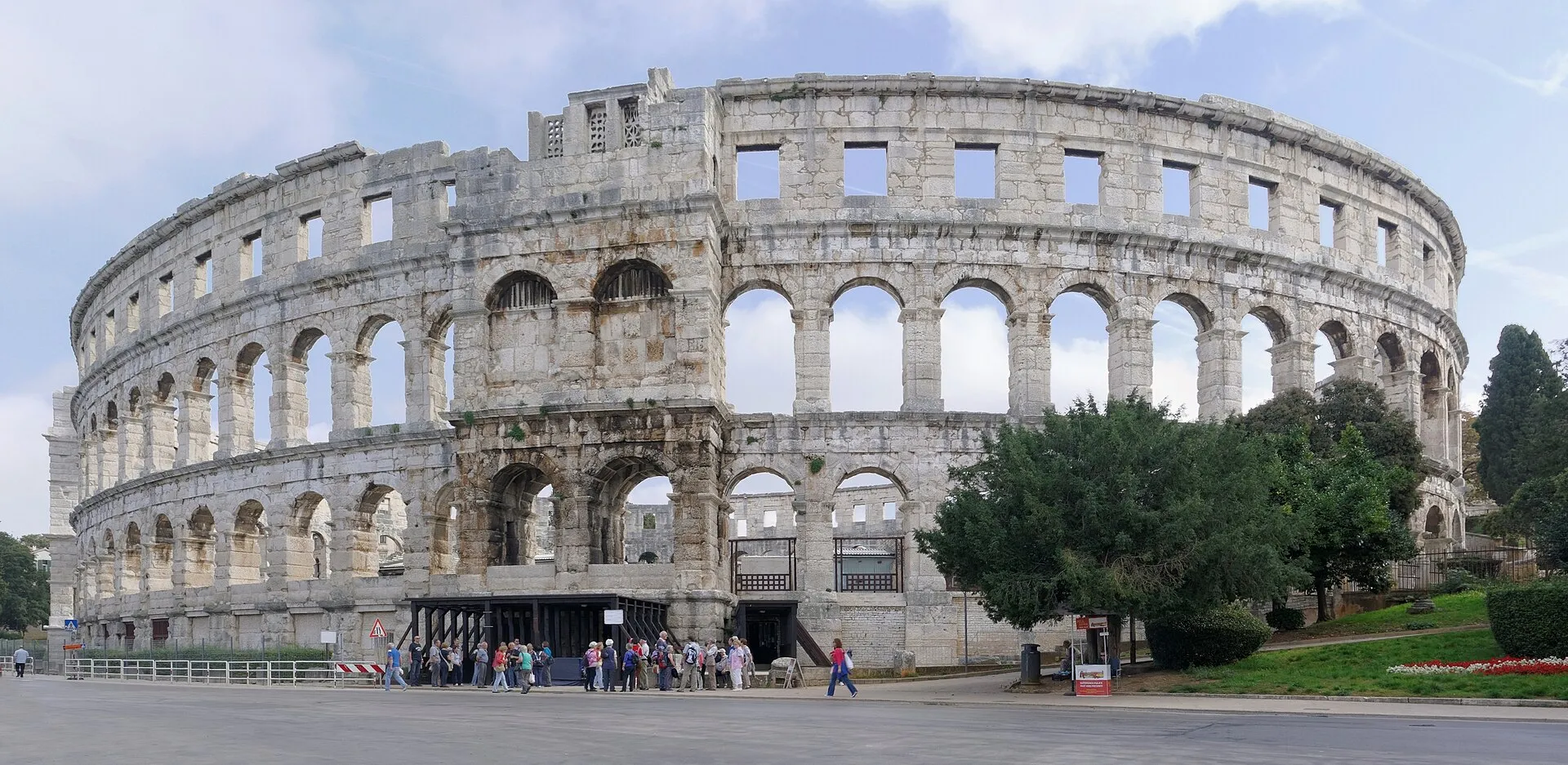
Pula's Old Town is compact and almost entirely walkable. The Roman Arena, Forum Square, the main market, and the waterfront are all within a 15-minute walk of each other. You will not need a vehicle for daily life if you base yourself centrally.
The city bus network, run by Promet Pula, covers outer districts like Veruda, Valsaline, and Stoja reliably. Bolt operates in Pula and is cheaper and more predictable than street taxis.
Airport: Pula Airport (PUY) is 9 km from the center. A shuttle bus runs to/from the main bus station for $7, timed to flight arrivals. A Bolt or taxi runs roughly $17-23. There is no rail connection to the airport.
Intercity: Buses run to Rijeka, Zagreb, and Split. Train service is limited. Nearby airports at Rijeka, Trieste, and Venice expand your options for international connections.
Sorting transport? Book an airport transfer, or compare car rental on Auto Europe and QEEQ.
Visas and Staying Long-Term
Croatia is a Schengen member. Citizens of the US, UK, Canada and Australia enter without a visa and can stay up to 90 days within any 180-day rolling period, while EU citizens face no time limit at all.
Croatia operates a dedicated Digital Nomad Temporary Residence Permit, valid for up to 18 months (a shorter grant can be extended by up to 6 months). Key requirements include: proof of remote income of at least $4,170/month (roughly 2.5 times the Croatian average net salary, reviewed annually), private health insurance valid in Croatia, a background check, and a confirmed Croatian address. Non-EU nationals working for companies or clients outside Croatia are exempt from Croatian income tax under this permit. Applications go through Croatian police stations or embassies abroad.
Best Time to Visit
Pula has a Mediterranean climate: warm, dry summers and mild, wet winters.
Best window for remote work: May-June and September-October. Temperatures sit between 19-26°C (66-79°F), crowds are manageable, most restaurants and attractions are open, and short-term rents are significantly cheaper than peak season. The light is excellent and you can swim from June onward.
July and August bring intense heat (often above 32°C/90°F), tourist crowds, and sharply higher accommodation prices. Working from a small apartment without AC is uncomfortable. Winter (December-February) is quiet and affordable but many venues close, nights are cold and damp, and the city feels half-empty. Spring (March-April) is pleasant but can be rainy.
Pros and Cons
Pros
- Authentic Roman history: the 2,000-year-old Arena is a genuine spectacle, not a replica
- Cheaper than Split and Dubrovnik for roughly equivalent coastal living
- Istrian food scene is exceptional: truffles, fresh fish, local wine, prsut
- Safe city with very low crime rates
- Easy day trips: Rovinj, Motovun, Brijuni National Park, Slovenian coast
- Compact, walkable Old Town
- Strong festival calendar (Pula Film Festival, Seasplash, Visualia) in summer
Cons
- Very limited coworking options; no real nomad community infrastructure
- Heavily seasonal: many places close from November to April
- Summer is overcrowded and expensive
- Nightlife is thin outside summer months
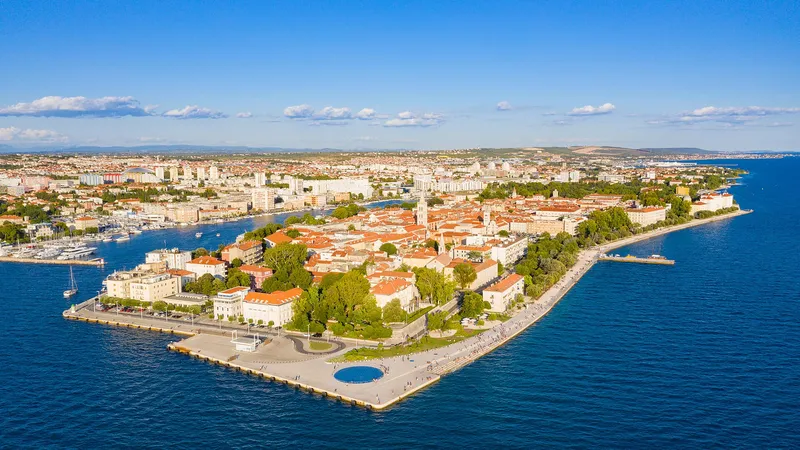
- Port and industrial areas can obscure sea views in some parts of the city
- No direct rail links to major European cities
Who Pula Is Best For
Pula works well for solo nomads or couples who want Mediterranean lifestyle without the extreme prices or tourist saturation of more famous Croatian destinations. If you can handle a lean coworking scene and enjoy exploring independently, the combination of Roman history, Istrian food, and Adriatic access is hard to beat. It suits people visiting in shoulder season (May-June or September-October) who want a base for exploring Istria rather than a buzzing digital nomad hub.
Skip Pula if you depend on a strong local nomad community, need daily coworking access with reliable options and events, or are visiting in winter expecting a full city experience. Those wanting big-city infrastructure should look at Zagreb or Split instead.