 Bali
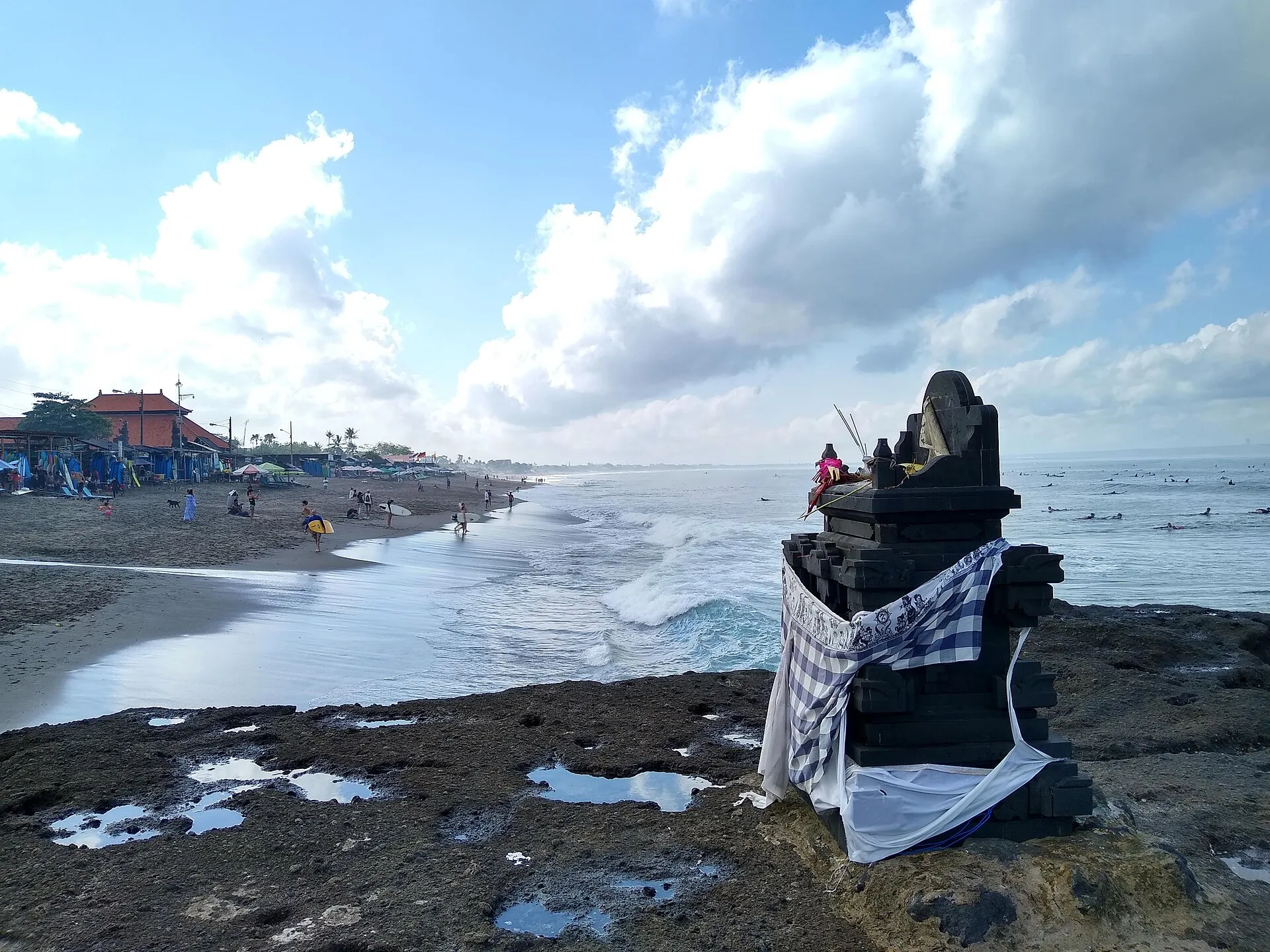
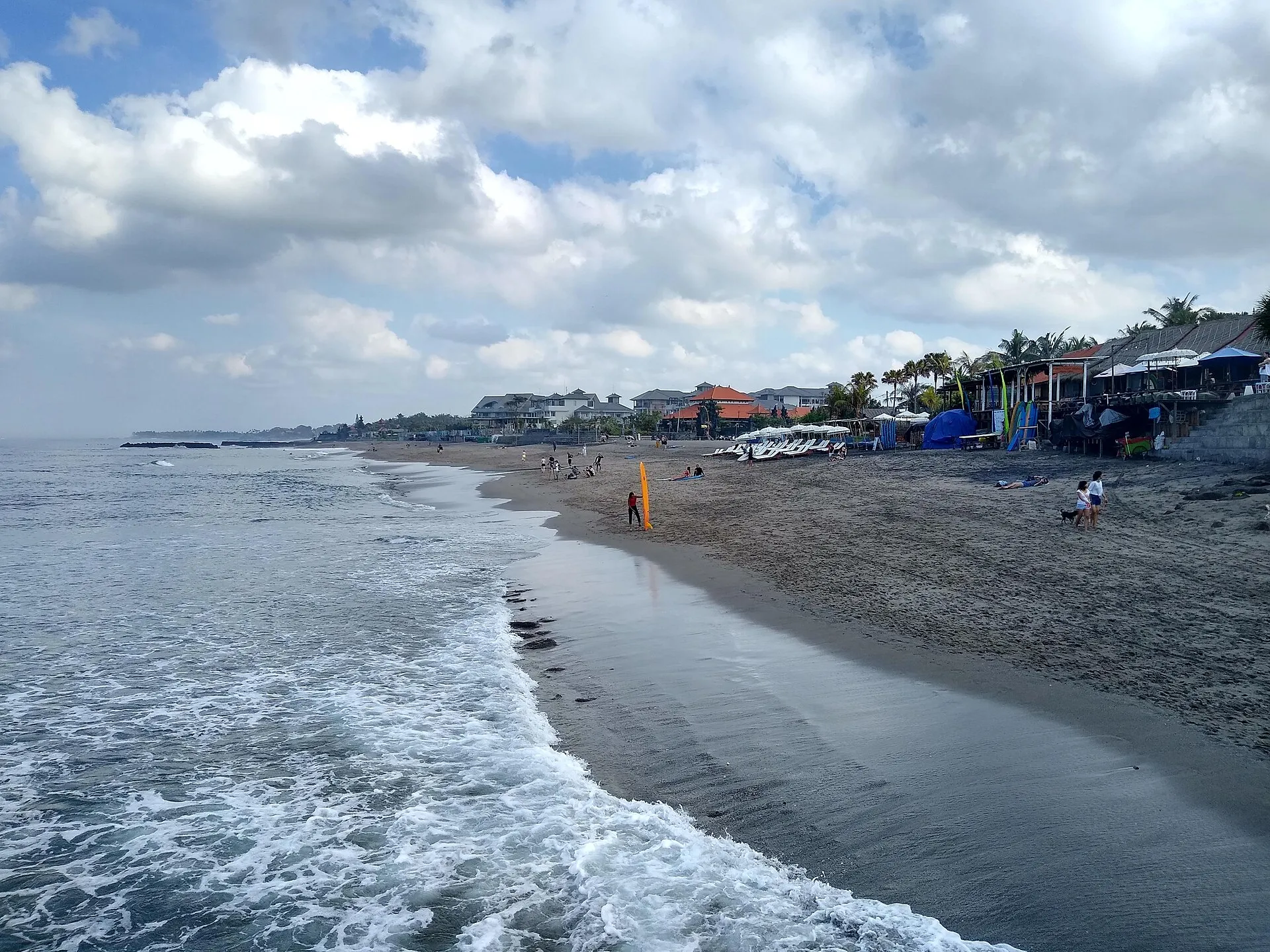
Canggu is a village on an island, so this comparison is a slightly strange one. In the 2016 count it had 5,375 residents, and by 2023 it had about 324 registered hotels and other lodgings along its 10 kilometre beach. People who say "I live in Bali" very often mean that they live here. So the choice comes down to where you sleep from Monday to Friday, and you find out whether you got it right by watching where you go on Saturday morning.
So here are three weekends, each of which starts from the traffic on Jalan Raya Canggu, a road that is notorious even by the island's standards.
Weekend one: a shipwreck you can swim to
Leave on Friday night and cross the island to the north-east coast. Amed is the name given to a 14 kilometre string of fishing villages, with black volcanic sand and the shape of Mount Agung behind it. Traditional salt fields lay on these beaches until the 1980s. About 12 kilometres further on is Tulamben, where the USAT Liberty, a US Army transport torpedoed by a Japanese submarine in 1942, rests roughly 25 metres from the shore. The 1963 eruption of Agung shoved her into the water, and she has been growing coral ever since. You put on a mask, walk in off the stones and swim out to a war wreck, which is a strange way to spend a Saturday after a week of client calls.
Weekend two: the boat from Sanur
This one is easier, and it shows you something about the south coast as well. Fast boats reach Nusa Lembongan from Sanur in about half an hour, running mostly in daylight. The island has more than 200 hectares of mangroves along its north-east side and seaweed farms that came back to life when tourism stopped during the pandemic. On the way, look around Sanur. It has a calm, swimmable beach, lower prices than Canggu and a slower crowd of long-term residents and families. A lot of people who keep taking this trip eventually wonder why they do not simply live at the pier.
Weekend three: cold air in the middle of the island
Drive north instead and the climate changes. At Jatiluwih, about 700 metres up and facing Mount Batukaru, the terraces are part of the UNESCO listing for Bali's subak, the centuries-old irrigation system run by farmers' associations. Near Bedugul, the temple of Ulun Danu Bratan stands on the shore of a mountain lake and honours the goddess of its water, which irrigates the country below. Or continue to Kintamani, on the rim of a caldera 10 by 13 kilometres across, with the 1963 lava field below you and Mount Batur rising out of it to 1,717 metres. The trek to the summit crater is fairly straightforward. Bring a jacket, which you will not have worn since you landed.
What your weekends tell you
Nothing on that list is in Canggu, and that is the argument. Canggu is the most sociable base on the island: you can arrive knowing nobody, sit down in Batu Bolong and have plans by Wednesday. We put a comfortable month at about $2,200 there. Our guide to Bali, which also covers Ubud, Sanur, Seminyak and Uluwatu, comes in slightly lower, at $2,000 a month. That difference is small. The bigger expense in Canggu is Friday evening, sitting in a jam on a narrow road, trying to get to the rest of the island.
If you stay put at weekends, surfing, going to the gym and meeting friends, you chose correctly. Stay, and do not let anyone tell you the place has been ruined.
If you have now spent three Saturdays in a row somewhere else, believe your own calendar. Move to Sanur if you loved the sea and the quiet, or read our comparison of Canggu and Ubud if it was the rice terraces and the cool mornings that kept drawing you away. We would spend the first month in Canggu either way. It is the fastest place on the island to make friends, and you can always visit them on Saturday.
 United States
 United Kingdom
 Germany
 Canada
 Australia
 India