 Canggu
In about 1930, a prince in Ubud asked a Dutch painter to come and live near him. Sixty years later, a surf contest came to a village of rice farmers on the southwest coast. Most of what you will like and dislike about these two places today follows from those two arrivals: one set of foreigners was invited, and the other just kept coming.
How each place got its foreigners
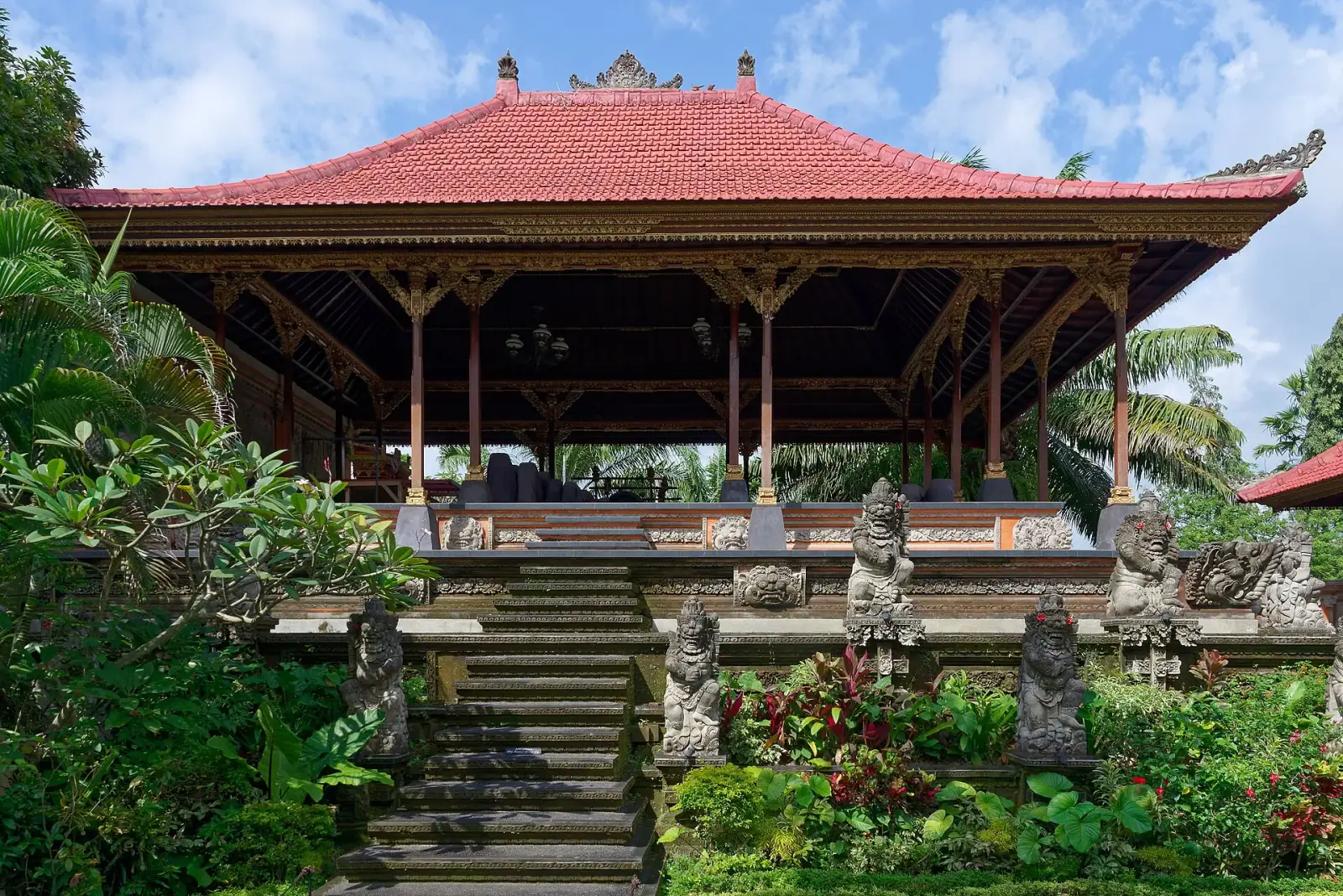
Rudolf Bonnet took up the invitation of Cokorda Gde Raka Sukawati and settled in Ubud. Walter Spies, already on the island, spent nine years in his house where the rivers meet at Campuan. In 1936 the two of them joined the painter I Gusti Nyoman Lempad and Cokorda Gde Agung Sukawati to found Pita Maha, a cooperative that picked out work good enough to sell in galleries and exhibit in the Indies, the Netherlands and the United States. It did not outlast Spies, who was jailed for sexual offences at the end of the decade and drowned as an internee in 1942. But the arrangement survived: the palace family as patrons, foreigners as buyers, and local artists at the centre. Puri Saren, the palace, is still in the family's hands.
So Ubud got tourism on terms it had some say in, and you can still see that on a Tuesday evening: dances, an art market, and up the steep lanes of Penestanan, the old artists' quarter, rice terraces and Outpost's rooftop desks.
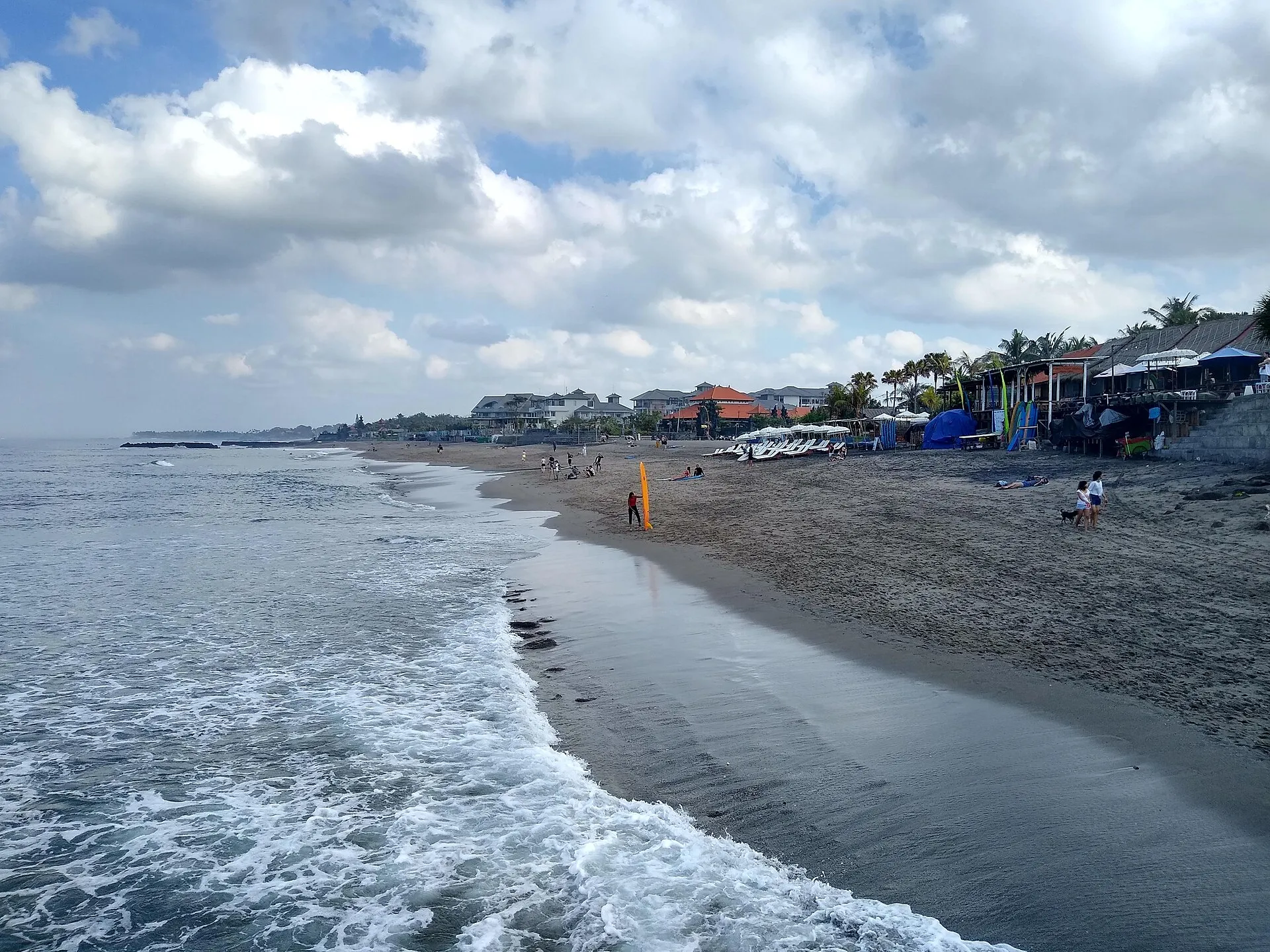
Canggu had no prince and no plan. It was paddy and coconut groves until a surfing event in 1990, and still only 5,375 people at the 2016 count. Then the visitors who had outgrown Kuta and Seminyak arrived. Because land tax followed the saleable value, a farmer could end up taxed off a field he wanted to keep. Most of the area is green belt on the map, and this has largely been ignored.
What it means for your day
Canggu's streets are still the streets of a farming village, now carrying a city. Jalan Raya Canggu jams, the narrow Canggu-Berawa shortcut jams, and Batu Bolong locks solid from four to seven every afternoon. Villas draw on wells, lowering the water table, and Batu Bolong beach had E. coli contamination in 2022. In return, about $2,200 a month on our estimate gets you the densest set of desks and dinner invitations on the island, with surf at the end of the road.
Ubud has its own traffic, and Jalan Raya Ubud can be awful in high season. But at about $1,800 by our reckoning, it gives you a place with its own reason to exist, one that would still have ceremonies and painters if you all left. You will need a scooter, and the beach is at least 45 minutes away.
The rice field law
History may be turning again. After the deadly floods of September 2025, Governor Koster's decree barred new permits on productive rice land, and a 2026 provincial regulation makes converting those fields to villas a criminal offence. The subak irrigation behind those fields dates from the ninth century, and Bali has been losing about 1,000 hectares of farmland a year. Enforcement talk has so far focused on Tabanan and Gianyar, Ubud's regency, and reports of new building on farmland have not stopped. Do not pay extra in Pererenan or Penestanan on the promise that the green outside your window is safe.
For a stay of a month or two, take Canggu, since you came to meet people. For anything longer, we lean towards Ubud. The test takes two days. At five o'clock on a weekday, sit on the Canggu-Berawa shortcut. The next day at five, walk the Campuhan ridge. You will know which of those you can do for a year.
 United States
 United Kingdom
 Germany
 Canada
 Australia
 India