Cost of Living in Punta del Este
Real market data
Source: Numbeo · September 2026
$1,760/moSolo nomad1-bed centre + living costs
$2,290/moCoupleshared 1-bed + costs
$1,480/moLean / localcheaper area + costs
- 1-bed rent, city centre$1,100$U44,217
- 1-bed rent, outside centre$820$U32,919
- Monthly costs excl. rent (1 person)$660$U26,576
- Meal, inexpensive restaurant$13$U525
- Monthly transit pass$50$U2,000
- Buy price, per m² (centre)$3,840$U154,313
Prices are from Numbeo (September 2026), converted to USD at $1 = $U40.14 (01 Aug 2026). The monthly living-costs figure is our transparent one-person basket, groceries, a few meals out, utilities, phone, internet, transport and essentials, priced from those figures. Solo adds central rent; couple and lean are estimates from the same numbers.
Punta del Este is expensive by Latin American standards, so plan a monthly budget of roughly $1,500 to $2,200, with peak summer pushing well beyond that. The swing between seasons is dramatic: a beachside flat that feels reasonable in winter can double or triple in January when wealthy Argentines and Brazilians arrive. Off-season deals on longer rentals are common if you can commit to several months. Dining, groceries and imported goods all cost more than in Montevideo, and eating out along the marina is firmly a splurge. These are editorial estimates, not fixed prices, and your total depends heavily on timing, location and lifestyle choices. The seasonal swing has a practical exploit built into it. Landlords would rather have a guaranteed eight months from March to November than an empty flat, so a long lease signed for the off-season costs a fraction of the nightly rate and often includes the furniture and the bills. The catch is that almost all of them want the property back for January and February, which is the shape of a year here whether you like it or not. Imported goods, electronics and cars all carry steep duties on top.
- One-bedroom rental: roughly $700 to $1,300 per month, far higher in peak summer
- Monthly groceries: roughly $350 to $500 for one person
- Lunch or casual meal out: roughly $12 to $22
- Coffee in a cafe: roughly $3 to $5
Where to Work in Punta del Este
Internet across the peninsula is decent, with fibre widely available in modern apartments and reliable enough for calls and remote work. The cafe scene is pleasant but seasonal: in summer you will find plenty of buzzing spots for a laptop session, while in winter many venues cut hours or close entirely, leaving a quieter, more low-key feel. Dedicated coworking is limited compared with big capitals, so most nomads work from home or from a favourite cafe. Uruguay's stable power grid and safe streets make it easy to settle into a routine. If you rely on constant social energy and buzzing shared offices, temper your expectations, especially outside the December to February high season. The off-season is more workable than it sounds, for two reasons. The power grid here is among the most reliable on the continent and runs largely on wind and hydro, so the outages that shape a working day elsewhere in the region simply do not happen. And the town keeps a permanent population of its own once the visitors leave, with schools, a hospital and supermarkets, which is what separates a quiet base from a shuttered one. What it does not keep is a professional crowd, so the social side of an off-season month is whatever you build.
Getting Around Punta del Este
The peninsula itself is compact and walkable, so you can reach the beaches, marina and central streets on foot or by bike. Local buses connect Punta del Este with Maldonado, Punta Ballena and surrounding beach towns, and they are cheap and reasonably frequent, though sparser in winter. A car is genuinely useful if you want to explore Casapueblo, quieter beaches or the wider Maldonado region at your own pace. Montevideo sits about 130km west, an easy two-hour drive or comfortable bus ride. The local airport, Capitan Corbeta CA Curbelo (PDP), handles seasonal and regional flights, while Montevideo's Carrasco airport offers wider international connections. How you move here changes with the season, in two ways. In January the single bridge onto the peninsula and the coast road both jam solid, and a journey that takes fifteen minutes in May takes an hour; in winter the same roads are empty and the buses run half as often. Plan around whichever version you are in. A bicycle is the best answer for most of the year: the coast road has a separate path running for many kilometres past the beaches, it is flat, and it makes the sprawl of the wider resort walkable in a way nothing else does.
Sorting transport? Book an airport transfer, or compare car rental on Auto Europe and QEEQ.
Visas for Punta del Este
Uruguay is straightforward for most visitors. Many nationalities, including citizens of the UK, EU, US and much of Latin America, can enter as tourists for commonly 90 days without a visa, and extensions are often possible. Uruguay is also known for one of the region's more accessible residency paths, which appeals to nomads thinking about a longer or permanent base. Remember that a tourist entry does not permit local employment; remote work for clients abroad is the usual model. A feature of that residency route deserves naming because it is unusual. The country has historically not required residents to spend a minimum number of days in it each year to keep the status, which is why it attracts people who want a legal base without living in one full-time. The rules around this have been tightened and re-argued more than once, so it is a question for a lawyer rather than a forum. Separately, anyone thinking of buying property should know that foreign buyers face no additional restrictions here, which is rarer in the region than it sounds.
Best Time to Visit Punta del Este
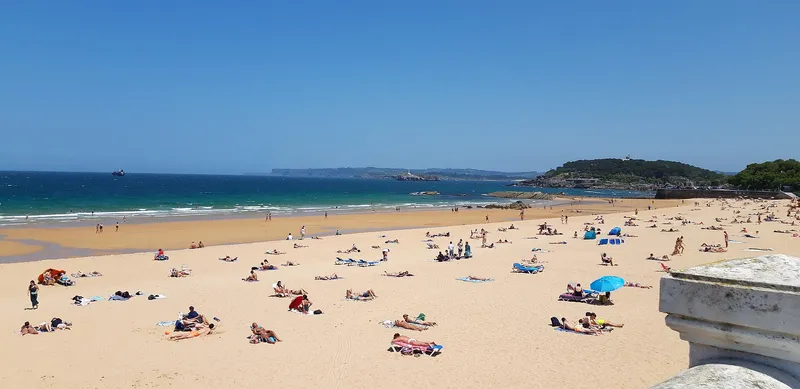
Punta del Este runs on a Southern Hemisphere calendar, so summer falls between December and February. This is the peak: warm, lively and glamorous, with packed beaches, buzzing nightlife and prices to match, plus a big influx of Argentine and Brazilian holidaymakers. The shoulder months of November and March are a sweet spot, offering pleasant weather, thinner crowds and softer prices while much is still open. Winter, from June to August, is cool, grey and very quiet, with many businesses shuttered but rents at their lowest. Choose your timing around whether you want the full resort spectacle or a calm, affordable coastal base. The Atlantic here is colder than the latitude suggests, because the current running up this coast comes from the south, so the swimming season is shorter than a beach town implies and the water rarely feels warm before January. The east-facing beaches take the ocean swell and the west-facing ones are calm, which is the distinction locals make and visitors do not. Whale watching runs through the spring as southern rights pass along the coast to calve, and it is genuinely good from the shore rather than requiring a boat.
Pros and Cons of Punta del Este
Punta del Este offers a rare mix of safety, natural beauty and upscale comfort, but it comes with real trade-offs around cost and seasonality. Weigh these before committing to a longer stay. The seasonality is the whole argument and it is worth putting numbers to. The resident population is around ten thousand people; in January it is several times that, with the wealthy of two neighbouring countries arriving for a month and the prices moving to match. For ten months of the year this is a quiet, safe, slightly melancholy seaside town with a lot of closed shutters and some of the best beaches on the continent essentially to yourself. For two months it is one of the most expensive places in South America. Neither version is a compromise and you cannot have both. The people who do well here choose the quiet ten deliberately, take a long lease, and treat the summer as the price of admission rather than the reason to come.
- Pro: one of the safest, most stable settings in Latin America
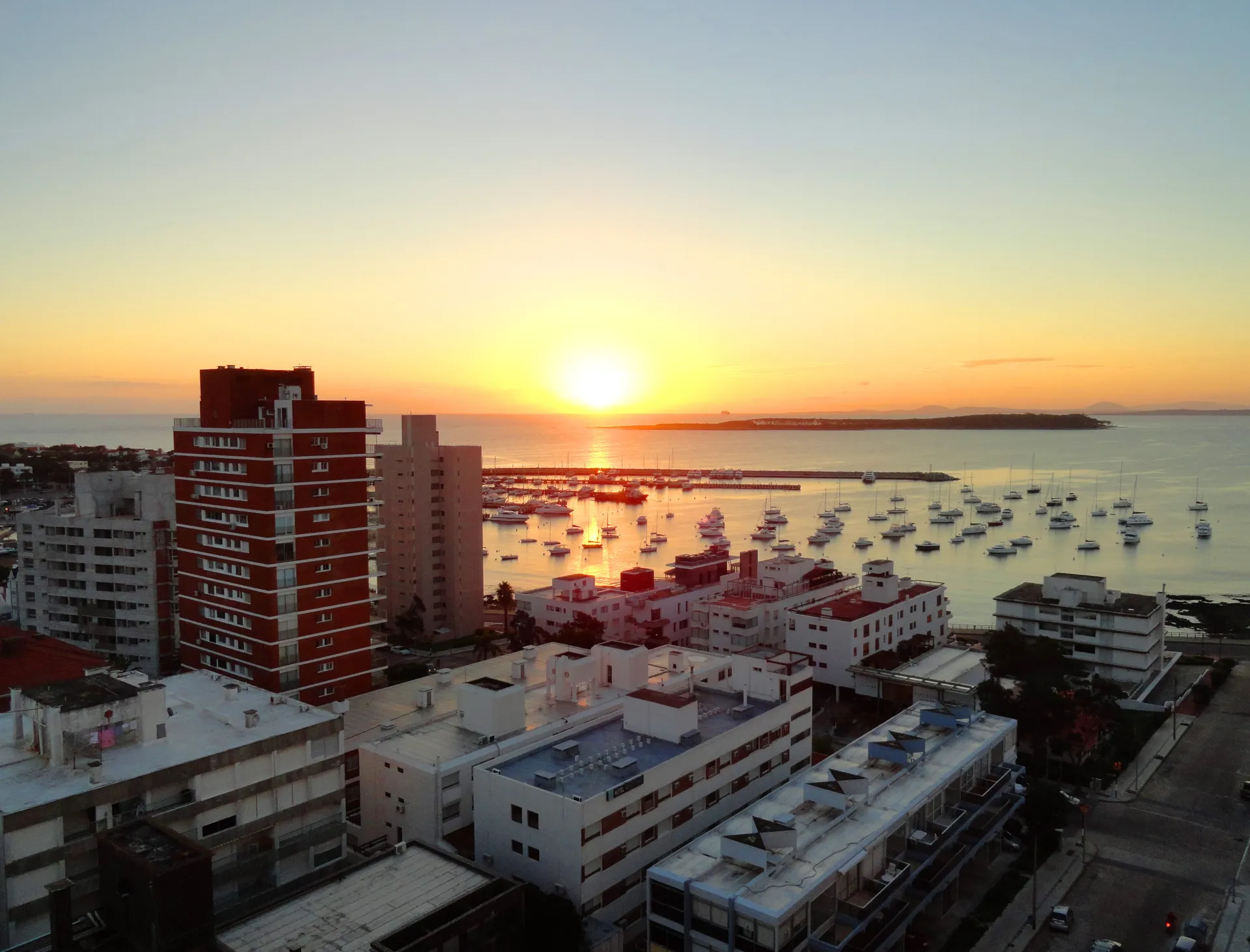
- Pro: beautiful Atlantic beaches, marinas and a relaxed coastal lifestyle
- Pro: decent internet and easy, low-stress daily living
- Con: expensive for the region, especially during peak summer
- Con: strongly seasonal, with a sleepy, half-closed winter
- Con: small nomad community and limited deep cultural depth
Who Punta del Este Is For
Punta del Este suits the nomad who wants a safe, upscale and distinctly beachy Uruguayan base, and who values a calm coastal lifestyle over constant stimulation. It rewards those with a comfortable budget who appreciate clean streets, ocean air and easy living, and who are happy to work quietly while the surf rolls in. It is a weaker fit for budget travellers, for anyone craving year-round buzz or a large nomad scene, and for those hungry for deep historic culture or big-city energy. If a secure, scenic, slightly glossy home base with room to breathe appeals, Punta del Este delivers exactly that. Compare it honestly against two alternatives: the resort towns across the river, which are cheaper and considerably less stable, and the capital two hours west, which has the culture, the work and the winter life this place lacks. Many people end up doing both, with a flat here from March and a room there for the coldest weeks. If you have a family, the calculation swings toward this town, because the schools, the safety and the space are genuinely better than the alternatives. Six months from autumn is the stay that makes sense.