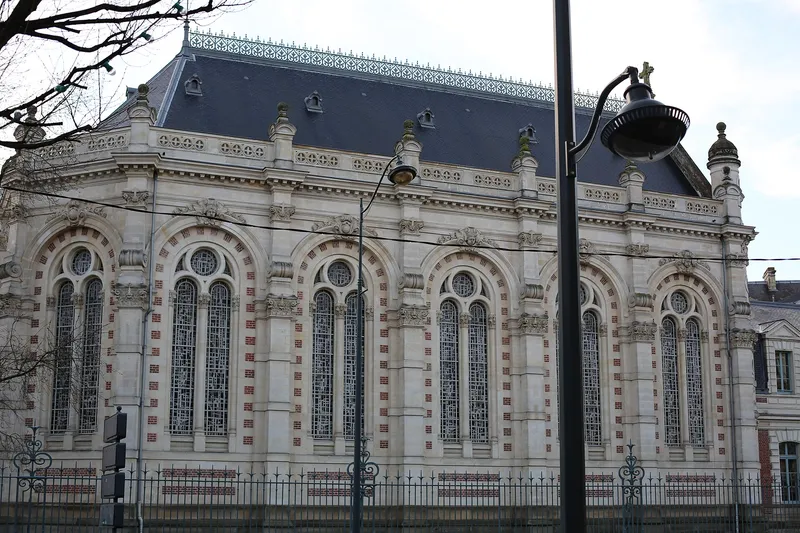
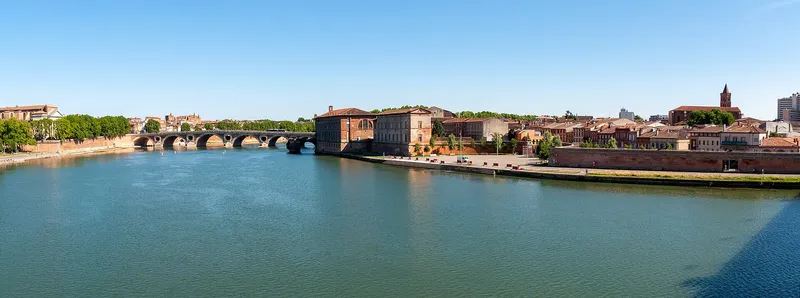
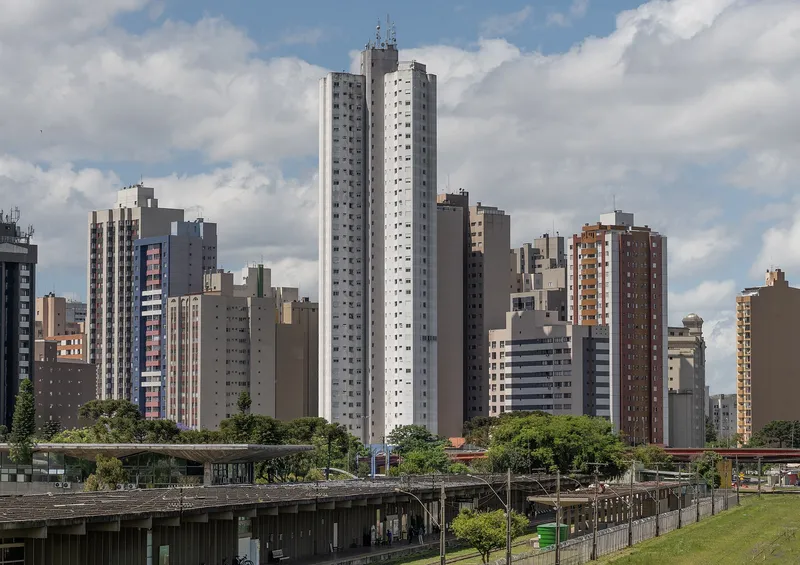
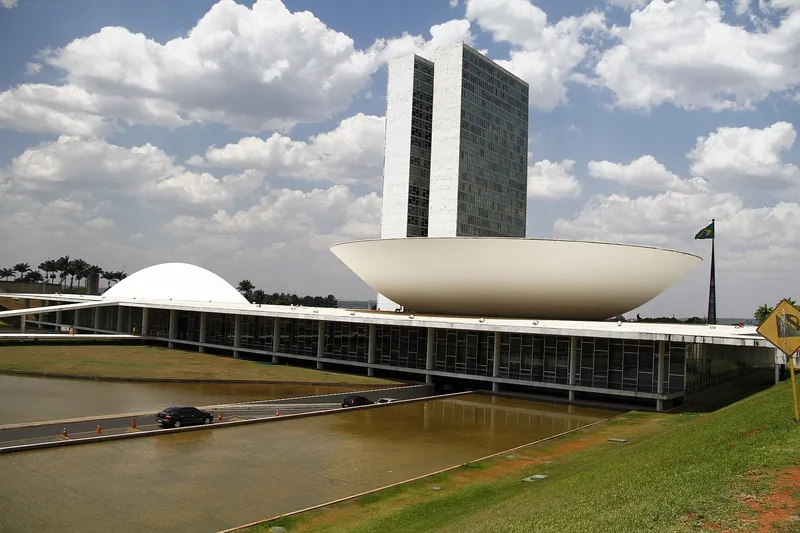
Aerial view of Montevideo with the Palacio Legislativo and the Rio de la Plata in the background
Photo: Marcelo Campi / Wikimedia Commons (CC BY-SA 2.0)
Uruguay flag

Montevideo

Uruguay

South America's most stable country, relaxed vibes and mate culture.

$2.200
Monthly Budget
--
Current Weather
Humid Subtropical
Climate Type
70 Mbps
Avg. WiFi Speed
7/10
Safety Score
500+
Active Nomads
--
Time Difference
Scroll
0
Nomad Score

Setting Up as a Nomad in Montevideo

South America's most stable country, relaxed vibes and mate culture. For remote workers, Montevideo leans on easy visas and clean air, with a typical budget near $2,200 a month. The main trade-off is the size of the nomad scene.

Compare Montevideo vs Buenos Aires →

Category Breakdown

How Montevideo scores across all 13 factors

Weather in Montevideo

Monthly averages from 2019-2023 (Open-Meteo), and the best time to visit

27°
20°
Jan
26°
19°
Feb
25°
19°
Mar
22°
15°
Apr
18°
12°
May
15°
10°
Jun
14°
Jul
15°
Aug
16°
10°
Sep
19°
13°
Oct
23°
16°
Nov
25°
18°
Dec
Daily high & low (°C)Rainfall (mm/month)Best months to visit

The best time to visit Montevideo for comfortable weather is Jan, Feb, Dec. The warmest month is Jan (around 27°C by day), and the wettest is Apr (about 101mm of rain).

Chasing good weather? See other cities that are warm in Jan, or plan a multi-city route around the seasons. Staying a while in Montevideo? Check visa options, your time-zone overlap and how far your budget stretches, or find it on the world map.

Historical monthly averages, not a forecast. Source: Open-Meteo.

Best Neighborhoods in Montevideo

Where to base yourself for the perfect nomad experience

Ciudad Vieja

$$
Historic & Cultural

Colonial heart with art deco treasures

Ciudad Vieja is Montevideo's historic heart - colonial architecture, art deco buildings, and the famous Mercado del Puerto. By day it's business and culture; by night, increasingly vibrant with bars and restaurants revitalizing old buildings.

Best for: History lovers, foodies, and nomads seeking Montevideo's most atmospheric neighborhood
✓ Pros
  • Historic architecture
  • Mercado del Puerto
  • Cultural venues
  • Walkable
✗ Cons
  • Quiet evenings
  • Safety concerns
  • Limited residential

Pocitos

$$$
Beach & Upscale

Beach life in Montevideo's most desirable neighborhood

Pocitos is Montevideo's golden neighborhood - a curved beach, rambla promenade, and tree-lined streets filled with cafes and restaurants. It's where most expats and upper-middle-class Uruguayans live. Quality of life capital.

Best for: Beach lovers, families, and nomads seeking Montevideo's best quality of life
✓ Pros
  • Beach access
  • Best restaurants
  • Safe and clean
  • Rambla walks
✗ Cons
  • Most expensive
  • Quiet nightlife
  • Residential calm

Punta Carretas

$$$
Elegant & Coastal

Shopping and seaside elegance

Punta Carretas is Pocitos' upscale neighbor - the famous shopping mall, golf club, and dramatic coastline. Elegant apartments and houses attract wealthy Uruguayans and diplomats. Montevideo at its most refined.

Best for: Luxury seekers, golfers, and nomads wanting upscale seaside living
✓ Pros
  • Coastal beauty
  • Shopping mall
  • Very safe
  • Elegant
✗ Cons
  • Very expensive
  • Limited restaurants
  • Quiet

Cordón

$
Student & Cultural

Student energy near the university

Cordón surrounds the university, bringing student energy and more affordable living. Cafes, bookshops, and cultural venues serve the academic crowd. More authentic and affordable than coastal neighborhoods.

Best for: Students, academics, and budget nomads seeking central location
✓ Pros
  • Affordable
  • Central location
  • Cultural venues
  • Student energy
✗ Cons
  • Less polished
  • Busier streets
  • Limited beach access

Carrasco

$$$
Exclusive & Suburban

Garden suburb with old-money elegance

Carrasco is Montevideo's most exclusive suburb - grand houses, tree-lined streets, and proximity to the airport. It's where old money lives, offering space and tranquility far from the urban center.

Best for: Families, luxury seekers, and nomads wanting suburban elegance
✓ Pros
  • Beautiful houses
  • Very safe
  • Near airport
  • Space
✗ Cons
  • Far from center
  • Need car
  • Expensive

Cost of Living in Montevideo

Montevideo is one of the more expensive capitals in South America, but it rewards you with stability, safety, and quality of life that justify the price tag. Expect to spend between USD 1,500 and 2,200 per month as a remote worker living comfortably.

  • Rent (1-bedroom, central Pocitos or Punta Carretas): UYU 28,000-45,000 / USD 700-1,100
  • Rent (1-bedroom, cheaper areas like Parque Rodo or Tres Cruces): UYU 18,000-28,000 / USD 450-700
  • Groceries (supermarket, one person): UYU 8,000-12,000 / USD 200-300
  • Eating out (mid-range restaurant, per meal): UYU 600-1,200 / USD 15-30
  • Coworking hot-desk (monthly): UYU 3,200-7,200 / USD 80-180
  • Local transport (monthly bus card): UYU 1,500-2,000 / USD 35-50
  • Total realistic monthly range: USD 1,500-2,200

The Uruguayan peso (UYU) trades at roughly 40-42 per USD. Uruguay taxes are real: VAT is 22%, so restaurant bills and retail prices include it. Budget for utilities separately if you rent unfurnished (UYU 2,000-4,000 / month for electricity plus gas in winter).

Where to Work

Montevideo has a small but solid coworking scene. Sinergia Cowork in Palermo is the original and best-known space, operating since 2014 in a converted warehouse with fast fiber, meeting rooms, and a rooftop terrace. Sinergia Design in the same network caters to creatives. Regus at World Trade Center III suits those who want a corporate-grade setup in the financial district. Hot-desk memberships start at around USD 80 per month plus tax.

Cafe work is genuinely viable. The Lab Coffee Roasters has several locations (Pocitos, Punta Carretas, Ciudad Vieja) with reliable WiFi, power outlets, and exceptional specialty coffee. They are among the best-reviewed work cafes in the city. Cafe Brasilero in Ciudad Vieja, open since 1877, has WiFi and a beautiful atmosphere, though it fills up on weekends.

Uruguay's national telecom (Antel) has built one of the fastest internet infrastructures in Latin America. Average speeds in Montevideo hit around 150 Mbps on fiber, and even cafe connections tend to be stable enough for video calls. You will rarely struggle with connectivity here.

Getting Around

Montevideo has a reliable public bus network (STM) that covers the entire city. A rechargeable STM card costs a few hundred pesos to buy at kiosks and loads a fare of around UYU 50-60 (roughly USD 1.25) per ride. Most of the city is reachable by bus, and routes run frequently throughout the day.

The Rambla, a coastal promenade stretching more than 20 kilometers along the Rio de la Plata, is excellent for walking and cycling. Pocitos and Punta Carretas are the most walkable neighborhoods for daily errands. Rideshares (Uber and local app Cabify both operate here) are affordable and add flexibility.

The airport (Carrasco International, IATA: MVD) is located roughly 23 kilometers from the city center. A taxi or rideshare takes about 40-50 minutes and costs around USD 20-30. A cheaper bus option connects the airport to downtown, but it takes longer. The airport itself is modern and well organized for a city of Montevideo's size.

Visas and Staying Long-Term

Citizens of the United States, Canada, the United Kingdom, Australia, and all EU member states can enter Uruguay visa-free and stay for up to 90 days as tourists. You can apply for a 90-day extension at the Direccion Nacional de Migracion (Misiones 1513, Montevideo) before your initial stamp expires, giving up to 180 days total without leaving.

For longer stays, Uruguay offers a Digital Nomad Permit (formally the Hojas de Identidad Provisoria). It allows remote workers to live and work legally for an initial 180 days, extendable by another 180 days. The application fee is under USD 10, paid in-country, and requires proof of remote income, health insurance, a criminal background check, and a signed income affidavit. Each applicant must apply individually; dependents cannot be added.

For permanent residency, Uruguay has a relatively accessible legal path based on income or family ties, but that process takes considerably longer. Always confirm current entry and permit rules directly with Uruguay's Migration Authority before traveling.

Best Time to Visit

Montevideo sits in the Southern Hemisphere, so seasons are reversed from Europe and North America. The best window for remote workers is October through April, which covers spring and summer. Temperatures in this period range from 20C to 28C (68F to 82F), days are long, and the Rambla and outdoor spaces are enjoyable.

December and January are peak summer: hot, occasionally humid, and busier with domestic tourists. If you prefer quieter streets and lower prices, October-November and March-April are the sweet spots. Winter (June to August) is mild by most standards (daytime lows around 8-12C / 46-54F), but the city can feel grey and rainy, and some guesthouses and cafes thin their hours. It is still workable, just less pleasant outdoors.

Pros and Cons

  • Pro: One of the safest capitals in Latin America, with stable institutions and low political risk
  • Pro: Excellent fiber internet infrastructure throughout the city
  • Pro: Strong rule of law, no corruption hassles, straightforward immigration processes
  • Pro: Relaxed pace, walkable coastal neighborhoods, genuinely good food and wine
  • Pro: Uruguay has a Digital Nomad Permit that is low-cost and easy to apply for
  • Pro: No language barrier if you speak Spanish; English is workable in business and tourist contexts
  • Con: More expensive than most of Latin America; budget travelers will feel the pinch
  • Con: Small nomad community relative to hubs like Medellin or Buenos Aires
  • Con: Limited international flight connections; most routes go through Buenos Aires or Sao Paulo
  • Con: Winters are grey and rainy, and the city quiets down considerably
  • Con: Food scene is good but limited in variety; it skews heavily toward meat and Italian-influenced dishes
  • Con: 22% VAT makes shopping and dining noticeably pricier than you would expect

Who Montevideo Is Best For

Montevideo works best for remote workers who prioritize safety, reliability, and quality of life over cost or buzz. If you are tired of the hustle of Buenos Aires or Medellin and want a calm, manageable city with fast internet, clean streets, and functional institutions, Montevideo delivers. It suits people who enjoy a slower pace: long walks on the Rambla, good coffee, Sunday markets, and unhurried lunches.

It is a strong fit for those on USD 2,000 or more per month who want a South American base without the chaos. Couples, solo workers looking for peace and routine, and anyone considering a longer-term Southern Cone base will find it appealing. It is also a natural fit for those exploring Uruguayan residency or citizenship pathways.

It is a harder sell if you are on a tight budget (under USD 1,200/month), crave a large international nomad scene, or need direct long-haul flights from your base city. Party seekers and those who thrive on urban density and nightlife diversity will likely prefer Buenos Aires, just a short ferry ride across the Rio de la Plata.
Where to Stay in Montevideo

Top neighborhoods and accommodations for digital nomads

Costanero Hotel Montevideo MGallery

Boutique hotel
Pocitos

Beachfront boutique hotel on the Rambla with free WiFi, pool, and walkable Pocitos cafes and shops.

Check availability →

27 Suites Apart Hotel

Aparthotel
Pocitos

Suites with kitchenettes 50 meters from Pocitos Beach, ideal for longer stays with great walkability.

Check availability →

Balinas Boutique

Aparthotel
Punta Carretas

Renovated condo aparthotel near Pocitos Beach with free WiFi and a quiet, well-connected neighborhood.

Check availability →

Viajero Montevideo Hostel

Hostel
Ciudad Vieja

Popular hostel in a renovated historic building with communal spaces, free WiFi, and a lively bar.

Check availability →

Youki Haus

Hostel
Parque Rodo

Nomad-friendly hostel with fast WiFi, rooftop terrace, and free bikes steps from the Rambla and beach.

Check availability →

Browse apartments, aparthotels and hotels across Montevideo. Compare prices and book a base that suits a remote-work stay.

See available stays in Montevideo →

Affiliate link. See our disclosure.

Best Coworking Spaces

Where nomads get work done in Montevideo

Sinergia Cowork

Coworking space
Palermo

Uruguay's first coworking, opened 2014 in a converted industrial warehouse with fiber internet, rooftop terrace, and meeting rooms.

Visit website →

Sinergia Design

Creative coworking
Palermo

Design-focused coworking and workshop space in the Sinergia network, suited to creative and tech professionals.

Visit website →

Regus World Trade Center III

Business coworking
Tres Cruces

Corporate-grade hot desks and private offices on the 12th floor of the WTC III tower with strong connectivity.

Visit website →

The Lab Coffee Roasters Pocitos

Specialty coffee cafe
Pocitos

Popular specialty coffee shop with reliable WiFi, power outlets, and a calm atmosphere suited to laptop work on weekdays.

View on Maps →

The Lab Coffee Roasters Ciudad Vieja

Specialty coffee cafe
Ciudad Vieja

Branch of The Lab on Sarandi street in the old city, offering strong espresso and a laid-back space for morning work sessions.

View on Maps →

Cafe Brasilero

Historic cafe
Ciudad Vieja

Historic Art Nouveau cafe open since 1877 with WiFi, good coffee, and a beautiful heritage interior popular with locals and visitors.

View on Maps →

Where to Eat & Drink

Best food and drink spots in Montevideo

La Perdiz Restaurant y Parrillada

Uruguayan parrilla
Punta Carretas

Beloved neighborhood parrilla with a relaxed atmosphere, serving classic Uruguayan milanesas, grilled meats, and homestyle pastas.

Visit website →

El Palenque

Uruguayan parrilla
Ciudad Vieja

Institution inside Mercado del Puerto since 1958, grilling a wide range of cuts, offal, and seafood over wood coals daily.

Visit website →

Bodega Bouza

Winery restaurant
Punta Gorda

Award-winning urban winery with a highly rated restaurant offering seasonal Uruguayan cuisine paired with estate Tannat wines.

View on Maps →

El Pony Pisador

Bar and live music
Ciudad Vieja

Old-town bar with craft beer, regional food, and regular live music spanning cumbia, rock, and Latin genres on weekend nights.

View on Maps →

Cafe Brasilero

Historic cafe restaurant
Ciudad Vieja

Heritage cafe and light-lunch spot in a declared architectural landmark, serving coffee, snacks, and simple meals since 1877.

View on Maps →

La Bourgogne

French fine dining
Punta Carretas

Long-established fine dining restaurant with French-Uruguayan cuisine and an extensive wine list, considered one of the city's best.

View on Maps →

What Do Nomads Say?

Vote on how accurate these scores are based on your experience

Cities with a Similar Vibe to Montevideo

Different places that score alike across our 13 categories, if you like Montevideo, these tend to feel similar.

In the rankings

Where Montevideo ranks

Montevideo features in 1 of our 32 city rankings.

  1. 10Best cities in Latin America

Frequently Asked Questions About Montevideo

How much does it cost to live in Montevideo as a digital nomad?

A comfortable nomad budget in Montevideo is around $2,200 a month: a furnished rental, food, coworking, and getting around. Live a little outside the center or eat local to spend less.

Is the internet fast enough for remote work in Montevideo?

With a WiFi score of 7/10, connectivity in Montevideo is good for calls and focused work. A prepaid local SIM keeps you online when you are away from the apartment.

Is Montevideo safe for digital nomads?

Montevideo scores 7 out of 10 for safety in our ratings, which is good for solo travel and long stays. Use normal precautions at night and with valuables, and choose well-reviewed areas.

Is Montevideo a good city for digital nomads overall?

For nomads, Montevideo is worth a look if you value easy visas and clean air. Costs sit near $2,200 a month and the community keeps growing, though, like anywhere, it will not match every checklist.