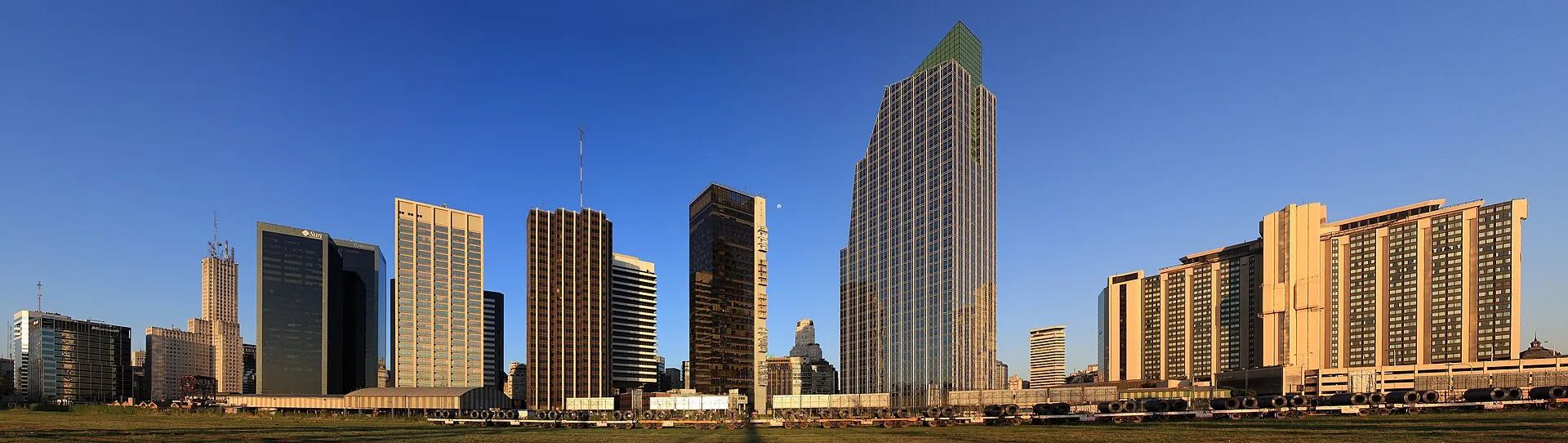
 Buenos Aires
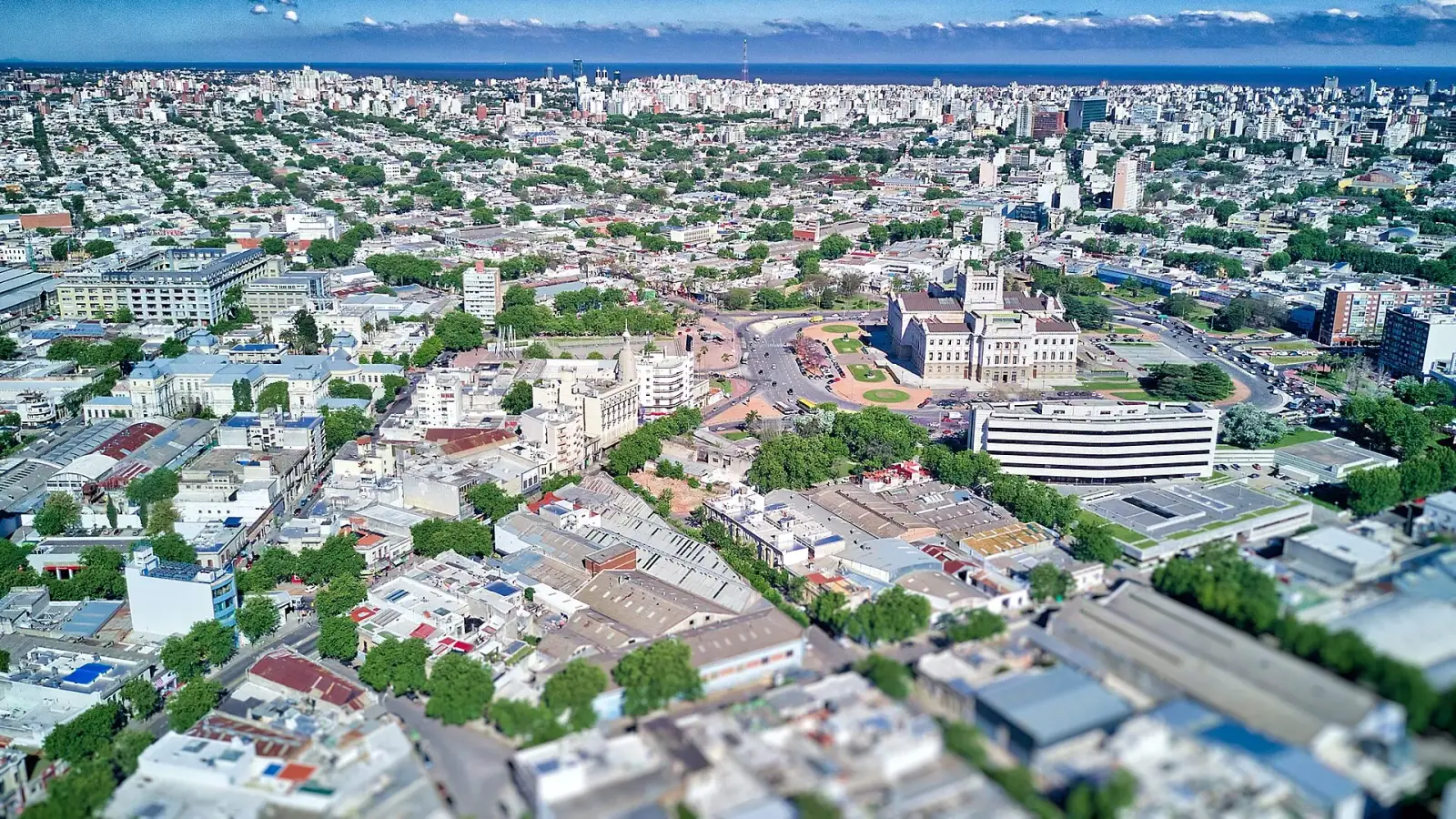
 Montevideo
Go to Buenos Aires. For most people reading this, that is the answer, and it would take a particular reason to overturn it. There are some good ones, though, and they deserve a fair hearing.
The reason for the verdict is simple abundance. Buenos Aires has about 300 working theatres and hundreds of bookshops, with Avenida Corrientes as the main street of all that. One resident in five was born abroad. Palermo, the largest district, splits into Soho, Hollywood and Las Cañitas, and in November its streets turn purple with jacaranda. All of this costs about $1,600 a month on our estimate, and Argentina's nomad visa sets no income figure at all. You prove the work with a contract or fee receipts, and it lasts 180 days, renewable once.
The case against
First, that figure will not hold still. Argentine prices rose 33.4 percent in the year to September 2026. That is a huge improvement on the near 300 percent of May 2024, and it would be a national emergency almost anywhere else. When the peso holds firm while prices climb, your dollars buy less each month, and the old idea of living like a king on a foreign salary has grown out of date. Check the sum every quarter.
Second, your phone. Thieves grab them from people's hands on the pavement, and motorbike thieves take bags. The British government's list of places to be careful reads like a set of recommendations: Palermo, San Telmo, Retiro, Florida Street, Avenida de Mayo. You will soon be walking with your phone in your pocket and looking for street signs from memory.
Third, Montevideo itself, which has more going for it than its reputation for being quiet. The Rambla runs for more than 22 kilometres along the water, past the city beaches at Ramírez and Pocitos, and it is where people walk, fish, fly kites and carry a thermos of mate on an ordinary evening. Pocitos and Punta Carretas let you run your errands on foot. About 98 percent of the country's electricity comes from renewable sources. The Teatro Solís has been open since 1856, Café Brasilero since 1877, and the Mercado del Puerto, with its grills, since 1868. Uruguay's nomad visa asks for about $1,500 a month and can run for up to a year, and with 1.3 million people, this is still a real capital. It costs around $2,200 a month.
Where that case falls short
The calm is partly an impression. Uruguay recorded about 11.3 homicides per 100,000 people in 2024, nearly three times Argentina's 3.9, which surprises almost everyone who compares the two. These are national figures, and they say little about a flat in Punta Carretas. But Britain's advice for Montevideo warns against walking alone downtown or around the port at night, so Ciudad Vieja's lovely old streets are no place for a solo walk home.
Stability has limits too. The country's drought of 2022 and 2023 grew into a water crisis, a reminder that being well run does not make a place immune. And you pay $600 more each month for a city with far fewer restaurants, a smaller scene after dark and a small community of foreigners. Your second winter there, with damp 15°C days, could be long.
What to do with this
The verdict stands. But both cities keep the same time, and Buquebus's Francisco, a gas-powered ferry billed as the fastest in the world, covers the 146 nautical miles between them in around two and a half hours, twice a day. Book it for your third month in Buenos Aires. Spend a week on the Rambla with your phone in your hand. When that starts to seem more attractive than Corrientes on a Saturday night, the answer at the top of this page no longer applies to you.
 United States
 United Kingdom
 Germany
 Canada
 Australia
 India