Cost of Living in Cochabamba
Real market data
Source: Numbeo · August 2026
$360/moSolo nomad1-bed centre + living costs
$520/moCoupleshared 1-bed + costs
$300/moLean / localcheaper area + costs
- 1-bed rent, city centre$160BOB 1,880
- 1-bed rent, outside centre$100BOB 1,200
- Monthly costs excl. rent (1 person)$200BOB 2,259
- Meal, inexpensive restaurant$2BOB 20
- Buy price, per m² (centre)$880BOB 10,111
Prices are from Numbeo (August 2026), converted to USD at $1 = 11.51 BOB (01 Aug 2026). The monthly living-costs figure is our transparent one-person basket, groceries, a few meals out, utilities, phone, internet, transport and essentials, priced from those figures. Solo adds central rent; couple and lean are estimates from the same numbers. The guide below quotes its own monthly range, which is a different measurement rather than a competing one: this table prices a defined basket at the figures above, while that range is a judgement about how somebody actually lives here.
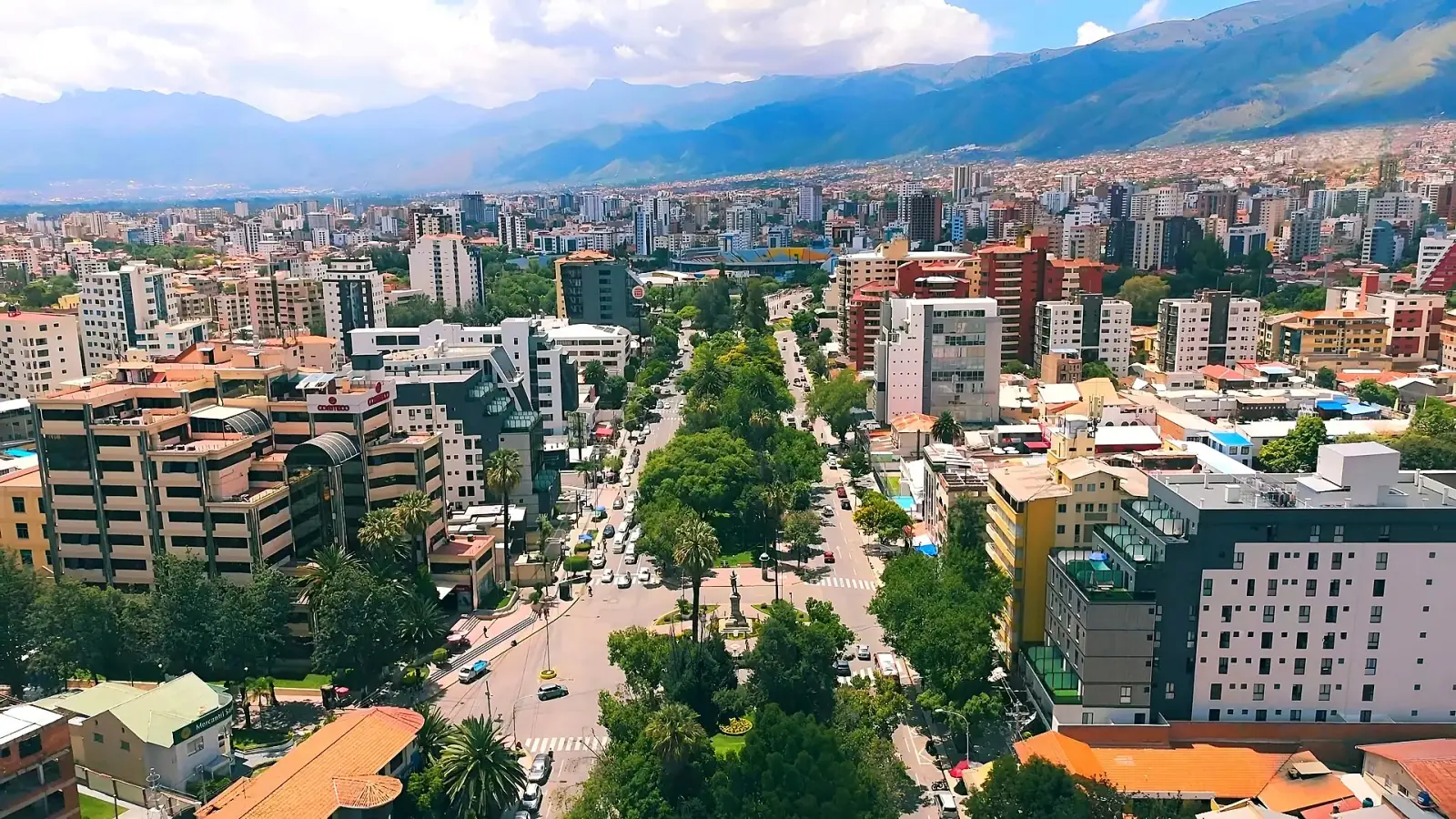
Cochabamba is one of South America's most affordable cities for remote workers. The Bolivian boliviano (BOB) trades at roughly $0.50 to the US dollar, giving most costs a very low feel in dollar terms.
Rent: A furnished one-bedroom apartment in central neighborhoods like Cala Cala or Recoleta runs $150-180/month. In cheaper southern or peripheral areas you can find places from $78-115/month, though those areas are less safe and less convenient for nomads.
Groceries: Expect to spend $96-120/month buying from supermarkets and the massive La Cancha market. Fresh produce is very cheap.
Eating out: A sit-down meal at a local restaurant costs $2-4.50. A coffee at a cafe runs about $1.50. You can eat extremely well for $13-22 per week if you mix street food and mid-range restaurants.
Coworking hot desk: Dedicated coworking spaces charge roughly $52-105/month for a hot-desk plan. Day passes are available at some spaces for around $5-7.
Local transport: Shared trufis (fixed-route shared taxis) and micros (minibuses) cost around under $0.50 per ride. Uber and Didi operate in the city; a typical 3 km ride costs $2-3.
Total monthly range: A comfortable remote-work lifestyle in the nicer northern neighborhoods runs about $610-870/month all-in. You can live more frugally for $435-520/month if you cook often and stay in a cheaper area.
Where to Work
Cochabamba has a small but functional set of dedicated coworking spaces, concentrated mostly in the northern zones around Cala Cala, Queru Queru, and Recoleta.
Cowork Cafe on Juan Huallparimachi is the most nomad-friendly option: it combines a proper cafe with coworking desks, private meeting rooms, whiteboard walls, and a 50-inch screen. It runs on a daily or monthly basis and has reliable WiFi.
360 Workplace on Av. America Este is the most professional setup, with private and shared workstations, meeting rooms, a recreation area, and all-day coffee. It is rated very highly by members and suits anyone who needs a serious, quiet work environment.
UPAYA Cowork in Queru Queru takes a calmer, more wellness-oriented approach with a zen-flavored atmosphere. It offers flexible plans and is popular with local freelancers and NGO workers.
Cafe culture exists but is not as developed as in, say, Medellin or Chiang Mai. Many cafes have WiFi but speeds and consistency vary. Test before committing to a full work session. Connections across coworking spaces and better cafes are typically adequate for video calls and cloud work. Speeds outside those venues can drop sharply.
Power outages are uncommon but occasional, so a charged laptop battery is worth maintaining.
Getting Around
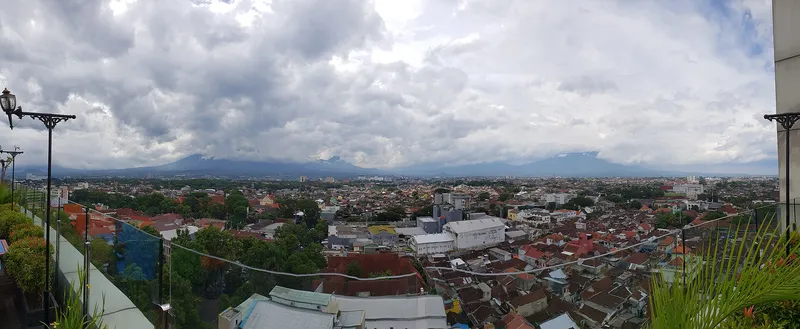
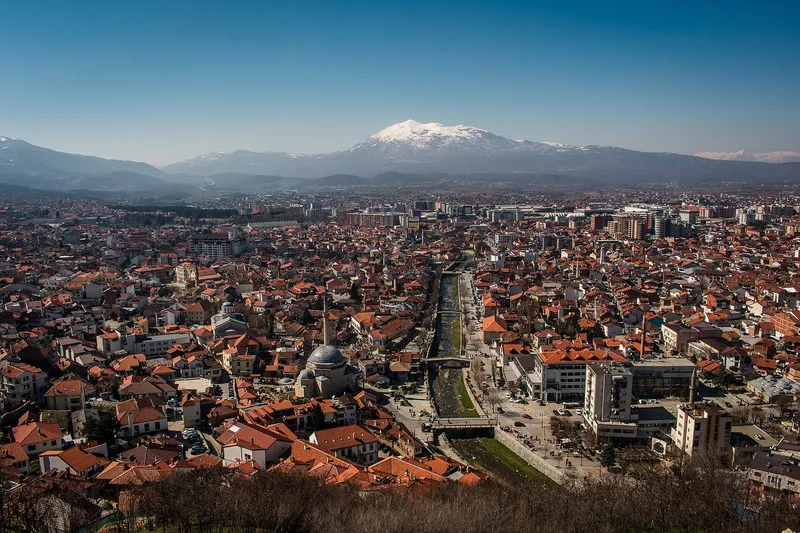
Cochabamba is a mid-sized city and its northern zones are reasonably walkable. The city sits in a bowl-shaped valley at about 2,500 meters elevation, which is high enough to feel on your first day but far easier to adjust to than La Paz.
Public transit: Trufis (shared fixed-route taxis) and micros (small minibuses) cover most of the city for under $0.50 per ride. Routes are not always obvious but the Trufi app (available on Android) provides door-to-door navigation using these services.
Taxis and rideshare: Uber and Didi both operate in Cochabamba and are the clearest option for newcomers. Fares are low: expect $2-3.50 for most in-city trips. Flag-down taxis are also plentiful but negotiate before you get in.
Airport: Jorge Wilstermann International Airport (CBB) sits close to the city center, roughly 5 km away. An Uber or Didi from the airport to northern neighborhoods costs about $3.50-5 and takes 15-25 minutes depending on traffic. There are also official airport taxis with fixed fares. Domestic flights connect Cochabamba to La Paz, Santa Cruz, and Sucre.
Sorting transport? Book an airport transfer, or compare car rental on Auto Europe and QEEQ.
Visas and Staying Long-Term
Bolivia scrapped the tourist visa requirement for US citizens in December 2025, joining a long list of nationalities (EU, UK, Canada, Australia, and most of Latin America) that already entered visa-free. Most Western passport holders now receive a 30-day entry stamp at the border or airport, which can be extended at a SIGEMIG (immigration) office in Cochabamba, La Paz, or Santa Cruz for a further 60 days, giving you up to 90 days total per calendar year.
Bolivia does not currently offer a dedicated digital nomad or remote-work visa. Beyond 90 days, options are limited: leaving the country and re-entering resets the clock but the total cap is 90 days in a calendar year, not per entry, so be aware of that constraint.
Before traveling, complete the mandatory electronic pre-registration on the SIGEMIG portal: this takes about 10 minutes and has been required since mid-2025.
Best Time to Visit
Cochabamba earns the nickname "City of Eternal Spring" for a reason. Sitting at 2,550 meters in a protected valley, daytime temperatures stay between 18-26°C (65-79°F) throughout most of the year, with cool nights year-round.
The dry season runs from May through October and is the clearest, most comfortable window for remote work. Skies are reliably blue, internet is not disrupted by storms, and outdoor life is easy. May, June, and September are particularly good months.
The rainy season spans roughly November through March, with December, January, and February seeing the most rainfall. Rains are typically afternoon showers rather than all-day downpours, so mornings are still workable. However, flooding can occasionally affect lower parts of the city, and power reliability can dip.
July and August are dry and bright but can bring cold nights (dropping to 5-10°C / 40-50°F), so pack layers. Overall, nearly any month works reasonably well; the May to October window is simply the most reliable for uninterrupted productivity.
Pros and Cons
- Very low cost of living relative to almost any other city with coworking infrastructure
- Excellent food scene: Cochabamba is UNESCO-recognized as Bolivia's gastronomic capital, with outstanding local markets, restaurants, and street food
- Comfortable climate: lower altitude than La Paz, more reliable weather than Santa Cruz
- Genuine city feel with universities, a local middle class, and cultural events, rather than a purely tourist town
- Manageable size: large enough for amenities, small enough to navigate without stress
- Authentic experience: far less touristy than Cusco or Cartagena
- Very little English spoken: Spanish is essential; without it, daily tasks become genuinely difficult
- Small nomad community: coworking infrastructure exists but is thin; you will not find weekly nomad meetups or a large English-speaking network
- Inconsistent WiFi outside dedicated coworking spaces; do not expect fast reliable internet in random cafes
- Air quality issues: the city has noticeable vehicle pollution and occasional smoke from agricultural burns, particularly in the dry season
- Limited international flight connections: most routes require connecting through La Paz or Santa Cruz
- 90-day annual cap limits long-term stays without a change in legal status
Who Cochabamba Is Best For
Cochabamba works best for remote workers who are comfortable in Spanish, or at least motivated to learn it fast. If you are on a tight budget and want to stretch your money much further than you could in Colombia, Mexico, or Southeast Asia, this city delivers. Food lovers will be genuinely delighted: the local cuisine is Bolivia's best, and markets like La Cancha are overwhelming in the best possible way.
It also suits people who want an authentic Latin American city life without the tourist-trail infrastructure of more popular nomad hubs. You will be living like a local, not like a member of a globally mobile tribe.
Skip Cochabamba if you need a robust English-speaking nomad network, fast and reliable internet everywhere you go, or easy international flight connections. It is also not ideal if you need to stay more than three months without building a more formal residency strategy.