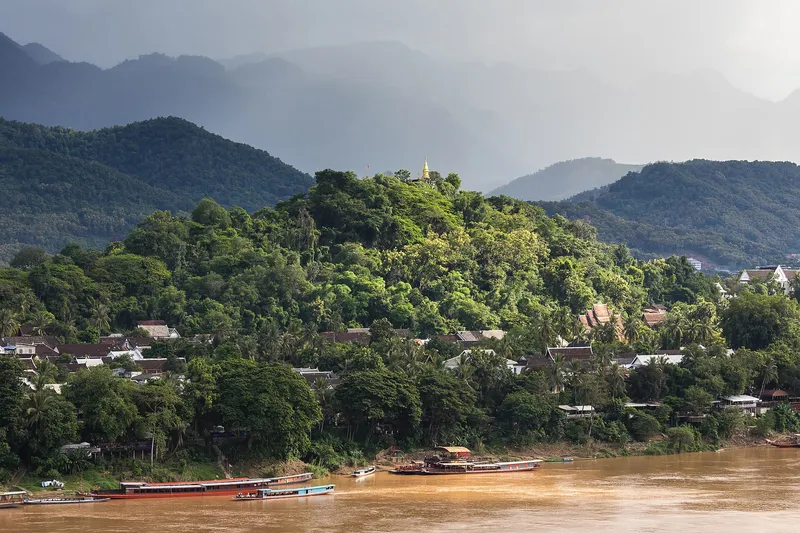
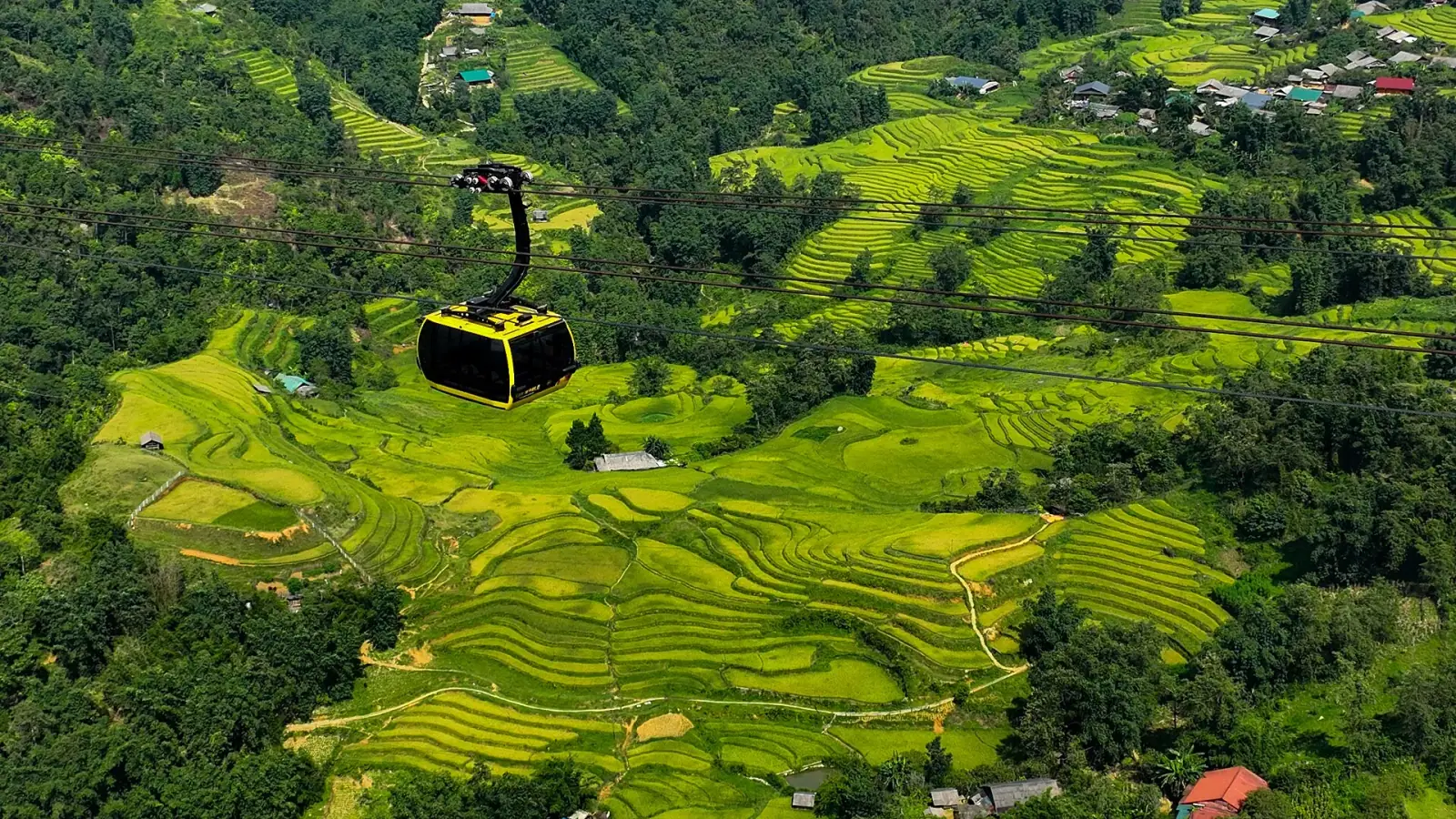
Fansipan cable car gondola flying over sweeping terraced rice fields in Sa Pa, Vietnam
Photo: Vivu Vietnam / Wikimedia Commons (CC BY-SA 4.0)
Vietnam flag

Sapa

Vietnam

Experience rice terrace wonderland, trekking, ethnic villages, and mountain mist.

$800
Monthly Budget
--
Current Weather
Subtropical Highland
Climate Type
40 Mbps
Avg. WiFi Speed
8/10
Safety Score
500+
Active Nomads
--
Time Difference
Scroll
0
Nomad Score

A Remote Worker's Guide to Sapa

Experience rice terrace wonderland, trekking, ethnic villages, and mountain mist. Plan on roughly $800 a month. Its strengths are low costs and nature, while nightlife is where it scores lower.

Compare Sapa vs Hanoi →

Category Breakdown

How Sapa scores across all 13 factors

Weather in Sapa

Monthly averages from 2019-2023 (Open-Meteo), and the best time to visit

14°
Jan
16°
10°
Feb
20°
13°
Mar
22°
15°
Apr
23°
17°
May
24°
18°
Jun
24°
19°
Jul
23°
18°
Aug
22°
17°
Sep
19°
14°
Oct
18°
12°
Nov
14°
Dec
Daily high & low (°C)Rainfall (mm/month)Best months to visit

The best time to visit Sapa for comfortable weather is Jun, Jul, Nov. The warmest month is Jun (around 24°C by day), and the wettest is Aug (about 470mm of rain).

Chasing good weather? See other cities that are warm in Jun, or plan a multi-city route around the seasons. Staying a while in Sapa? Check visa options, your time-zone overlap and how far your budget stretches, or find it on the world map.

Historical monthly averages, not a forecast. Source: Open-Meteo.

Best Neighborhoods in Sapa

Where to base yourself for the perfect nomad experience

Sapa Town Center

$
Mountain & Tourist

Sapa's misty mountain hub

Sapa town is the base for rice terrace treks - hotels, restaurants, and tour operators packed into a foggy mountain town. It's touristy but convenient.

Best for: Trekkers, first-time visitors, and those wanting convenience
✓ Pros
  • Trek starting point
  • Hotels
  • Restaurants
  • Market
✗ Cons
  • Very touristy
  • Persistent vendors
  • Overdeveloped

Cat Cat Village

$
Cultural & Accessible

Sapa's closest H'mong village

Cat Cat is the nearest ethnic minority village - H'mong culture, waterfalls, and easy walking distance from town. It's touristy but accessible.

Best for: Easy trekkers, culture seekers, and those with limited time
✓ Pros
  • Walking distance
  • H'mong culture
  • Waterfall
  • Easy access
✗ Cons
  • Very touristy
  • Commercialized
  • Entrance fee

Ta Van Village

$
Authentic & Scenic

Sapa's Giay homestay valley

Ta Van sits in the Muong Hoa Valley - Giay ethnic minority, rice terraces, and authentic homestays. It's the sweet spot between access and authenticity.

Best for: Homestay seekers, photographers, and those wanting authentic Sapa
✓ Pros
  • Stunning terraces
  • Authentic homestays
  • Less touristy
  • Valley views
✗ Cons
  • Limited facilities
  • Trek or drive access
  • Basic comfort

Lao Chai Village

$
Traditional & Trekking

Sapa's Black H'mong heartland

Lao Chai is a larger Black H'mong village - traditional life, rice terraces, and the start of many treks. More authentic than Cat Cat but still accessible.

Best for: Serious trekkers, culture seekers, and those wanting H'mong immersion
✓ Pros
  • Traditional life
  • Trek starting point
  • Less commercialized
  • Authentic
✗ Cons
  • Basic facilities
  • Persistent guides
  • Muddy paths

Fansipan Area

$$
Mountain & Modern

Sapa's summit cable car zone

The Fansipan cable car area offers Vietnam's highest peak access - modern infrastructure, mountain views, and day-trip summiting without the trek.

Best for: Summit seekers, cable car riders, and those wanting peak views
✓ Pros
  • Fansipan access
  • Cable car
  • Mountain views
  • Modern facilities
✗ Cons
  • Expensive
  • Crowded
  • Less authentic

Cost of Living in Sapa

Sapa is a mountain town, and its tourist-heavy economy means costs are higher than comparable Vietnamese cities. Most long-term stays are through serviced apartments or homestays rather than standard lease agreements. Expect to pay around 8,000,000-12,000,000 VND ($320-480 USD) per month for a basic room or guesthouse room in the town center. If you are willing to stay 1-2 km outside the core tourist strip, you can find homestay rooms or basic apartments for 4,000,000-6,000,000 VND ($160-240 USD) per month. Dedicated coworking hot desks run roughly 4,000,000-5,000,000 VND ($160-200 USD) per month where available, though most people work from cafes instead. Groceries at local markets are inexpensive: 500,000-800,000 VND ($20-32 USD) per month covers basics. Eating out at local Vietnamese restaurants costs 40,000-80,000 VND ($1.60-3.20 USD) per meal; cafes and Western spots charge 80,000-180,000 VND ($3.20-7.20 USD). Local motorbike taxis and ride-hail apps cover most short trips for 20,000-50,000 VND ($0.80-2.00 USD). A realistic monthly budget for a solo nomad runs $700-1,200 USD depending on accommodation standard and how often you eat out.

Where to Work

Sapa does not have a mature coworking market. There is no large, purpose-built coworking space in the town center. Your main options are laptop-friendly cafes, and some hostels that provide communal workspace for guests.

Cafe-working is the norm here. Le Gecko Cafe on Ngu Chi Son street (French-owned, reliable WiFi, comfortable second-floor seating) and Fansipan Terrace Cafe on Fansipan Street (panoramic views, good coffee) are the two most consistently recommended spots for getting work done. Cong Ca Phe on Cau May Street is a popular chain option with decent connectivity. Sapa O'Chau Cafe on Thac Bac Street offers a social enterprise atmosphere and is a reliable fallback. Cafe Bao Cap Sapa on Cau May provides multi-floor space with power outlets.

The WiFi situation is the honest limiting factor. Average speeds in Sapa run around 8 Mbps, which handles email, chat, and basic web browsing but will frustrate video calls and large file uploads. Speeds vary significantly between venues and time of day. Bring a local SIM card (Viettel has the best mountain coverage) as a backup mobile hotspot, because it often outperforms fixed cafe WiFi. If you need consistently fast, reliable connectivity for client calls or large uploads, Sapa is not the right base.

Getting Around

Sapa town is small and walkable. The central strip around Cau May, Xuan Vien, and the lakefront can be covered on foot in under 20 minutes. The terrain is hilly, so walking uphill after a long work session requires some effort, particularly in cold or wet weather.

For trips to surrounding villages such as Cat Cat, Ta Van, or Lao Chai, you need transport. Motorbike taxis (xe om) are the most common option, with negotiated fares typically running 50,000-150,000 VND ($2-6 USD) for short village routes. Ride-hail apps including Grab operate in the area with variable availability. Renting a motorbike yourself is possible (roughly 150,000-200,000 VND / $6-8 USD per day) but Sapa's mountain roads are genuinely dangerous, particularly in rain or fog. Exercise caution.

There is no airport in Sapa. The nearest airport is Noi Bai International Airport in Hanoi, roughly 315 km away. The standard route is a 5-7 hour sleeper or limousine bus directly to Sapa from My Dinh or Gia Lam bus stations in Hanoi. Train is also an option (8-9 hours to Lao Cai station, then a 30-minute minivan transfer to Sapa). Budget around $12-25 USD each way for bus or train, depending on class.

Visas and Staying Long-Term

Vietnam's e-visa covers citizens of all nationalities and allows stays of up to 90 days. The fee is $25 USD single-entry or $50 USD multiple-entry, with processing in 3-5 business days. Apply at the official government portal (evisa.xuatnhapcanh.gov.vn). Separately, 38 nationalities including the UK, Germany, France, Spain, Italy, Japan, and South Korea currently qualify for visa-free entry ranging from 14 to 45 days depending on passport.

Vietnam does not offer a dedicated digital nomad or remote work visa. Extensions of up to 90 additional days can be arranged through immigration agencies within Vietnam. A proposed 10-year Golden Visa was discussed in 2025 but has not been implemented as of mid-2026. For stays beyond the initial e-visa period, most nomads do a border run to Lao Cai (the border town just 38 km downhill from Sapa) or return briefly to Hanoi. Always verify current requirements with official Vietnamese immigration sources before traveling.

Best Time to Visit

For remote work, the most comfortable windows are September through November and March through May. September to November brings clear skies, golden rice terraces in surrounding valleys, and pleasant cool temperatures around 18-22 degrees Celsius. This is widely considered the best overall period. March to May offers warming temperatures, spring blooms, and manageable humidity before the rains arrive.

Avoid June through August if work productivity is a priority. The rainy season brings heavy downpours of 228-294 mm per month, persistent fog and cloud cover, and disruption to trekking. The wet conditions also worsen road safety and can affect power stability.

December through February is Sapa's cold season, with temperatures dropping to 5-12 degrees Celsius and occasional frost or light snow on higher ground. It can be atmospheric, but heating in guesthouses is inconsistent and working from cafes while cold and damp is less than ideal. Humidity ranges from 73-94% year-round regardless of season.

Pros and Cons

Pros

  • Exceptional natural scenery: rice terraces, mountain trails, and misty valleys immediately outside town
  • Genuinely low cost of living compared to Southeast Asian beach towns
  • Safe town with low street crime
  • Good local food at very low prices, with reasonable Western options
  • Clean air and cool temperatures (a relief if coming from humid lowland cities)
  • Compact, walkable town center with character
  • Strong power grid reliability

Cons

  • Slow and unreliable WiFi (average 8 Mbps) is the biggest work-related limitation
  • No dedicated coworking spaces; cafe-hopping is the only option
  • Limited English spoken outside tourist-facing businesses
  • Cold winters (5-12 degrees Celsius) with inconsistent heating in accommodation
  • Heavy rain and fog June through August can disrupt both work and lifestyle
  • Nearest hospital with adequate facilities is in Lao Cai or Hanoi
  • Very small nomad community compared to Hanoi or Da Nang
  • Mountain roads are genuinely hazardous, especially on motorbike in wet weather

Who Sapa Is Best For

Sapa works well for nomads whose jobs are light on bandwidth: writers, editors, developers doing solo work, designers, consultants who do most communication via async text. If your workload involves frequent video calls, large media uploads, or real-time collaboration tools that need strong connectivity, you will find Sapa frustrating rather than freeing.

It suits people who want nature access as a genuine priority and are willing to trade urban nomad infrastructure for the ability to go trekking in Hoang Lien Son National Park before or after work. It is a good fit for short stays of two to four weeks as part of a longer Vietnam circuit, particularly in autumn. Sapa is not a strong choice for nomads who want a built-out coworking scene, a social nomad community, or a warm-weather base. Those travelers are better served by Hanoi (4-5 hours away), Da Nang, or Ho Chi Minh City.

Where to Stay in Sapa

Top neighborhoods and accommodations for digital nomads

Hotel de la Coupole MGallery

Boutique hotel
Sapa Town Center

Central Accor MGallery property steps from Sapa Square with reliable WiFi, spa, and indoor pool for productive medium stays.

Check availability →

Pistachio Hotel Sapa

Hotel
Thac Bac Street

4-star hotel rated 9.2 on Booking.com with free WiFi, rooftop pool, and meeting room just 6 minutes' walk from Sapa Central Square.

Check availability →

Aliana Boutique Sapa Hotel & Spa

Boutique hotel
Hoang Lien Street

Stylish 4-star boutique on Hoang Lien Street with free WiFi, outdoor pool, and spa within easy walking distance of the town center.

Check availability →

Mega View Homestay

Guesthouse
Cau May Old Street

Central guesthouse on Cau May with fast WiFi, 15 private balcony rooms, rooftop views, and a 3-minute walk to Sapa Stone Church.

Check availability →

Venus Sapa Hostel

Hostel
Sapa Lake Area

Well-located hostel 0.3 km from town center on Le Quy Don Street with clean private rooms, good WiFi, and excellent value for solo nomads.

Check availability →

Browse apartments, aparthotels and hotels across Sapa. Compare prices and book a base that suits a remote-work stay.

See available stays in Sapa →

Affiliate link. See our disclosure.

Best Coworking Spaces

Where nomads get work done in Sapa

Le Gecko Cafe

Laptop-friendly cafe
Town Center

French-owned cafe on Ngu Chi Son with reliable WiFi, Lavazza coffee, second-floor seating and mountain views.

Visit website →

Fansipan Terrace Cafe and Homestay

Cafe with views
Fansipan Street

Family-run cafe on Fansipan Street with panoramic valley views, Liberica coffee and comfortable seating for long stays.

View on Maps →

Cong Ca Phe

Cafe chain
Cau May

Retro-themed Vietnamese chain cafe on Cau May Street serving coconut coffee with consistent WiFi and reliable power outlets.

View on Maps →

Sapa O'Chau Cafe

Social enterprise cafe
Thac Bac Street

Cozy social enterprise cafe on Thac Bac Street run by a local H'mong organization, good WiFi and a welcoming atmosphere for work.

View on Maps →

Cafe Bao Cap Sapa

Multi-floor cafe
Cau May

Multi-floor vintage-themed cafe at 16c Cau May with ample seating, power outlets and a mosaic staircase interior.

View on Maps →

Viettrekking Coffee and Restaurant

Hilltop cafe
Hoang Lien

Hilltop cafe at 33 Hoang Lien with views of Fansipan and a French Indochine-inspired interior, good for quieter daytime work sessions.

View on Maps →

Where to Eat & Drink

Best food and drink spots in Sapa

Good Morning Vietnam Restaurant

Vietnamese, Western
Fansipan Street

Popular restaurant at 63B Fansipan Street serving Vietnamese staples, fried rice, noodles and seafood at fair prices with friendly staff.

View on Maps →

Le Petit Gecko Restaurant

French, Vietnamese
Xuan Vien

Established in 2007 in a traditional H'mong wooden structure at 07 Xuan Vien, serving French and Vietnamese cuisine with Lavazza coffee.

View on Maps →

Sapa Sky View Restaurant and Bar

Rooftop bar and restaurant
Dong Loi

Seventh-floor rooftop at the Chau Long Sapa Hotel on 24 Dong Loi with panoramic mountain views, cocktails and a full food menu.

View on Maps →

Sapa O'Chau Restaurant

Vietnamese, local
Thac Bac Street

Restaurant arm of the Sapa O'Chau social enterprise, serving local Vietnamese dishes and mountain specialties in a relaxed setting.

View on Maps →

Little Vietnam Restaurant

Vietnamese
Muong Hoa

Authentic Vietnamese restaurant at 014 Muong Hoa offering traditional dishes from the northern highlands at very reasonable prices.

View on Maps →

Gem Valley Art Gallery Coffee and Homestay

Cafe and restaurant
Cat Cat Village

Artistic cafe and restaurant near the Cat Cat village entrance specializing in egg coffee and egg hot chocolate served over candle burners.

View on Maps →

What Do Nomads Say?

Vote on how accurate these scores are based on your experience

Cities with a Similar Vibe to Sapa

Different places that score alike across our 13 categories, if you like Sapa, these tend to feel similar.

Frequently Asked Questions About Sapa

How much does it cost to live in Sapa as a digital nomad?

Budget roughly $800 a month in Sapa for a furnished place, food, coworking, and transport. The most popular central areas cost more; suburbs and local spots cost noticeably less.

Is the internet fast enough for remote work in Sapa?

Sapa rates 4 out of 10 for WiFi in our scoring, so it handles video calls and daily remote work patchy. Carry a local SIM with data as a backup for cafes and travel days.

Is Sapa safe for digital nomads?

Our safety score for Sapa is 8/10, excellent for nomads. As anywhere, watch your belongings, favor busier streets after dark, and research neighborhoods before you book.

Is Sapa a good city for digital nomads overall?

Sapa stands out for low costs and nature among remote workers. With a typical budget near $800 a month and a growing nomad scene, it suits anyone whose priorities line up with those strengths.