Cost of Living in Copenhagen
Real market data
Source: Numbeo · August 2026
$2,960/moSolo nomad1-bed centre + living costs
$3,770/moCoupleshared 1-bed + costs
$2,470/moLean / localcheaper area + costs
- 1-bed rent, city centre$1,950kr12,654
- 1-bed rent, outside centre$1,460kr9,466
- Monthly costs excl. rent (1 person)$1,010kr6,544
- Meal, inexpensive restaurant$23kr150
- Monthly transit pass$120kr780
- Buy price, per m² (centre)$11,800kr76,542
Prices are from Numbeo (August 2026), converted to USD at $1 = kr6.49 (01 Aug 2026). The monthly living-costs figure is our transparent one-person basket, groceries, a few meals out, utilities, phone, internet, transport and essentials, priced from those figures. Solo adds central rent; couple and lean are estimates from the same numbers.
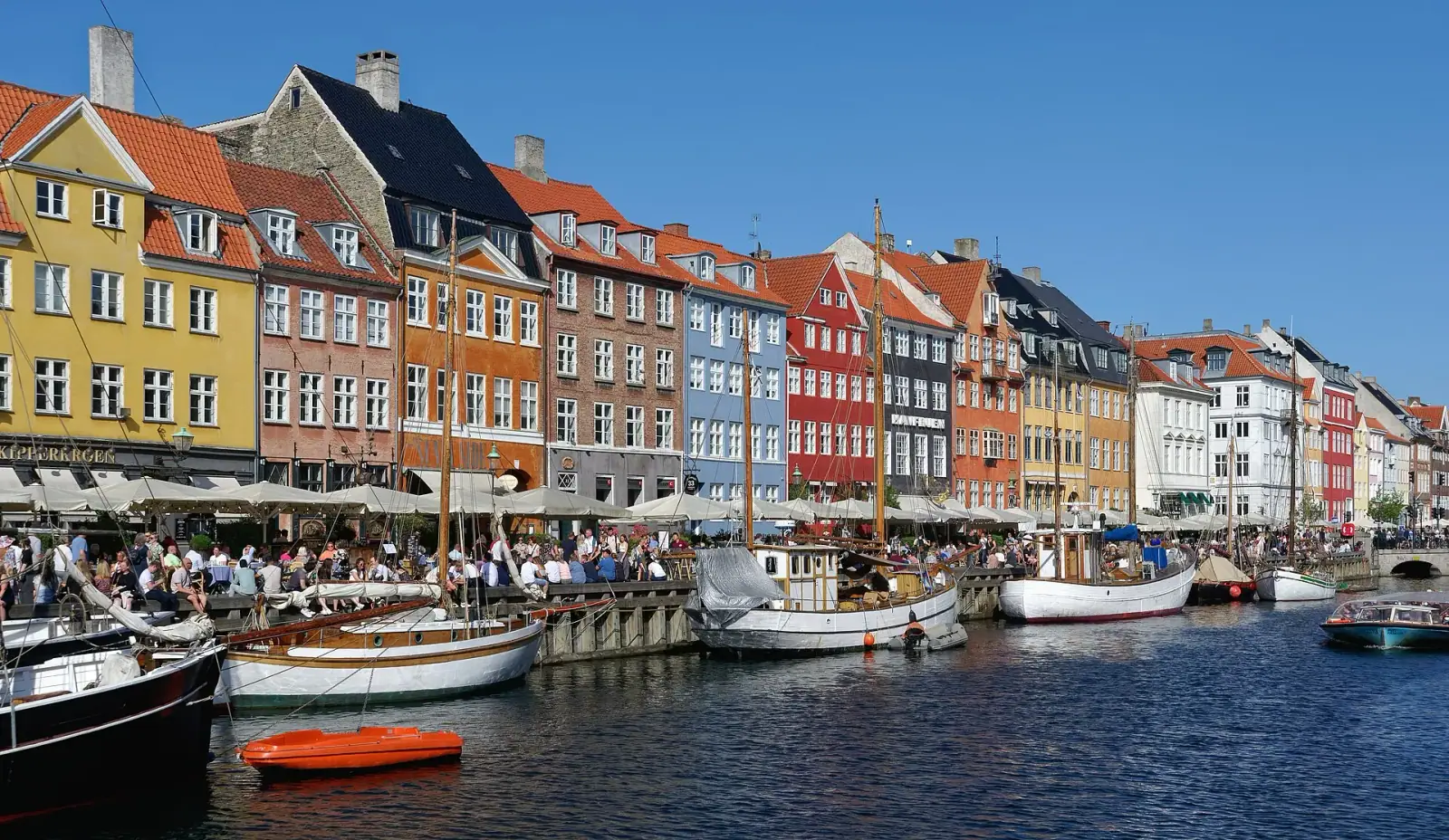
There is no getting around it: Copenhagen is expensive. It is one of the priciest cities in Europe, and your biggest line item will be rent. A one-bedroom apartment in a central district like Indre By, Frederiksberg, or Osterbro runs roughly $1,850 to $2,540 per month. Move out to Amager, Valby, or Vanlose and you can find one-bedrooms closer to $1,390 to $1,850. Vacancy is tight, often under 2 percent, so good listings go fast and landlords typically ask for a deposit of three months rent plus the first month up front.
Groceries for one person land around $385 to $615 per month if you shop at budget chains like Netto, Rema 1000, Lidl, and Aldi rather than premium supermarkets. Eating out is where costs climb: a mid-range restaurant meal is $28 to $54 per person, though food halls like Torvehallerne and the street-food market Reffen let you eat well for less. A coworking hot desk costs roughly $310 to $410 per month. Local transport on a monthly pass is around $77 to $115, though many residents skip it and cycle instead.
Adding it up, a realistic all-in monthly budget for one person is roughly $2,770 to $4,160, or about $2,600 to $3,900, with rent driving most of the spread. Budget carefully and cook at home and you can hold the lower end. Eat out often and rent centrally and you will clear the top.
Where to Work
Copenhagen has a solid coworking scene. Republikken in Vesterbro is a long-running favorite and popular with the international remote crowd. Symbion runs several locations across the city and leans toward startups and freelancers. SOHO and Nomad Workspace both offer flexible hot-desk and flex-desk packages, and global operators like Regus have hot-desking from around $200 per month at the entry level. Most spaces bundle fast WiFi, free coffee, printing, and community events, and many offer flexible month-to-month terms that suit shorter stays.
Cafe-work culture exists but is more relaxed than laptop-heavy cities like Lisbon or Berlin. Plenty of cafes welcome you to sit with a coffee and a laptop, though some busier spots quietly discourage all-day camping. WiFi is genuinely excellent almost everywhere in Denmark: connections are fast and reliable across cafes, libraries, and apartments, so you rarely fight for a stable signal. Public libraries, including the striking Black Diamond by the harbor, make comfortable free work spots. Plan calls with Danish clients for the morning or early afternoon: the standard full-time week is 37 hours, and offices empty noticeably from about four, when parents leave to collect children. Lunch is early and short as well, often half an hour from around 11:30, which makes late morning a poor slot for anything long.
Getting Around
Copenhagen is one of the best cycling cities on the planet, and biking is genuinely the default way to get around. The city has hundreds of kilometers of protected bike lanes, and roughly half of residents cycle to work or school daily. Renting or buying a used bike is the single best transport decision you can make here, and the flat terrain and orderly cycling culture make it easy even if you are rusty.
When you do not cycle, the driverless Metro runs 24 hours a day, every day, with trains every few minutes at peak and around every 15 to 20 minutes overnight. The S-tog suburban rail radiates out from the center and uses the same ticketing, and a new light rail ring corridor opened its first section in late 2025 for cross-suburb trips. The city core is also very walkable. Getting to and from the airport is painless: Copenhagen Airport (CPH, Kastrup) sits about 8 km from the center, and the M2 Metro line connects it to Kongens Nytorv in around 13 minutes for a single ticket of about $4.50. Use the Rejseplanen journey planner and the official Rejsebillet app to buy mobile tickets.
Sorting transport? Book an airport transfer, or compare car rental on Auto Europe and QEEQ.
Visas and Staying Long-Term
Denmark does not offer a dedicated digital nomad visa, which is an important limitation to know upfront. If you are from a visa-exempt country such as the US, UK, Canada, or Australia, you can enter the Schengen Area, which includes Denmark, visa-free for up to 90 days within any 180-day period. That clock is now tracked automatically by the EU Entry/Exit System, so overstays are flagged instantly at the border.
The catch is that the Schengen entry does not grant the right to work locally, and tourist status generally covers only remote work for employers based outside the Schengen Area, not work for Danish companies. Staying beyond 90 days, or working in a way that requires local authorization, means applying for a residence and work permit, and Denmark's permits are aimed at conventional employment rather than location-independent workers.
Best Time to Visit
Copenhagen swings hard between seasons, and this matters more than in most cities. Winters are cold, wet, and above all dark: December daylight drops to roughly 7 hours, and January and February bring less than 8 hours of light with temperatures hovering just above freezing. If short, gray days drain you, this is a tough place to be productive in midwinter, and it is worth planning around.
Summer is the payoff. From late May through mid-September the weather is mild, the city is lively, and daylight stretches to around 17 hours in June, with the sun setting close to 10 p.m. That long, bright evening light is ideal for cycling, harbor swims, and squeezing in life around your work hours. For remote work specifically, the sweet spot is roughly June through early September; late May and September are quieter shoulder weeks with pleasant weather and slightly lower prices. The warm months have a ritual worth planning a stay around: the harbour becomes the city's swimming pool, with free harbour baths at Islands Brygge and Fisketorvet open through the warm months and the water quality tested and published daily. In December the counterweight is Tivoli, whose Christmas season of lights and markets carries the city through the darkest weeks.
Pros and Cons
- World-class cycling culture and infrastructure that makes daily life easy and car-free
- Excellent, fast, reliable WiFi and internet almost everywhere
- Clean, safe, well-run city with 24-hour Metro and a painless airport link
- Long, bright, sociable summers with outdoor life late into the evening
- High trust, high quality of life, strong English proficiency
- Genuinely high cost of living, especially rent and eating out
- Dark, cold winters with very short daylight hours
- Tight, competitive housing market with steep deposits and low vacancy
- No digital nomad visa and no easy long-term path for remote workers
- Cafe-work culture is more low-key than in some nomad hubs
Who Copenhagen Is Best For
Copenhagen suits remote workers who value quality of life over saving money and who want a clean, safe, well-organized base with excellent infrastructure. If you love cycling, care about design and public space, and can absorb the high cost, few cities feel this livable. It works especially well for a summer stay, when the long days and outdoor culture are at their best.
You should probably skip it if you are budget-conscious and trying to stretch a modest income, since the numbers are unforgiving. It is also a poor fit if you need to stay beyond 90 days without a clear residence-permit route, or if dark, cold winters wear you down. Nomads chasing cheap, sunny, easy-visa hubs will be happier elsewhere, but if you want one of the world's most quietly excellent cities and can pay for it, Copenhagen delivers. If the rent is the deal-breaker, look across the water: Malmö is about 35 minutes from Copenhagen Central by train over the Oresund Bridge, its rents run well below Copenhagen's, and thousands of people commute between the two every day, which gets you Copenhagen's work and culture from a Swedish flat.