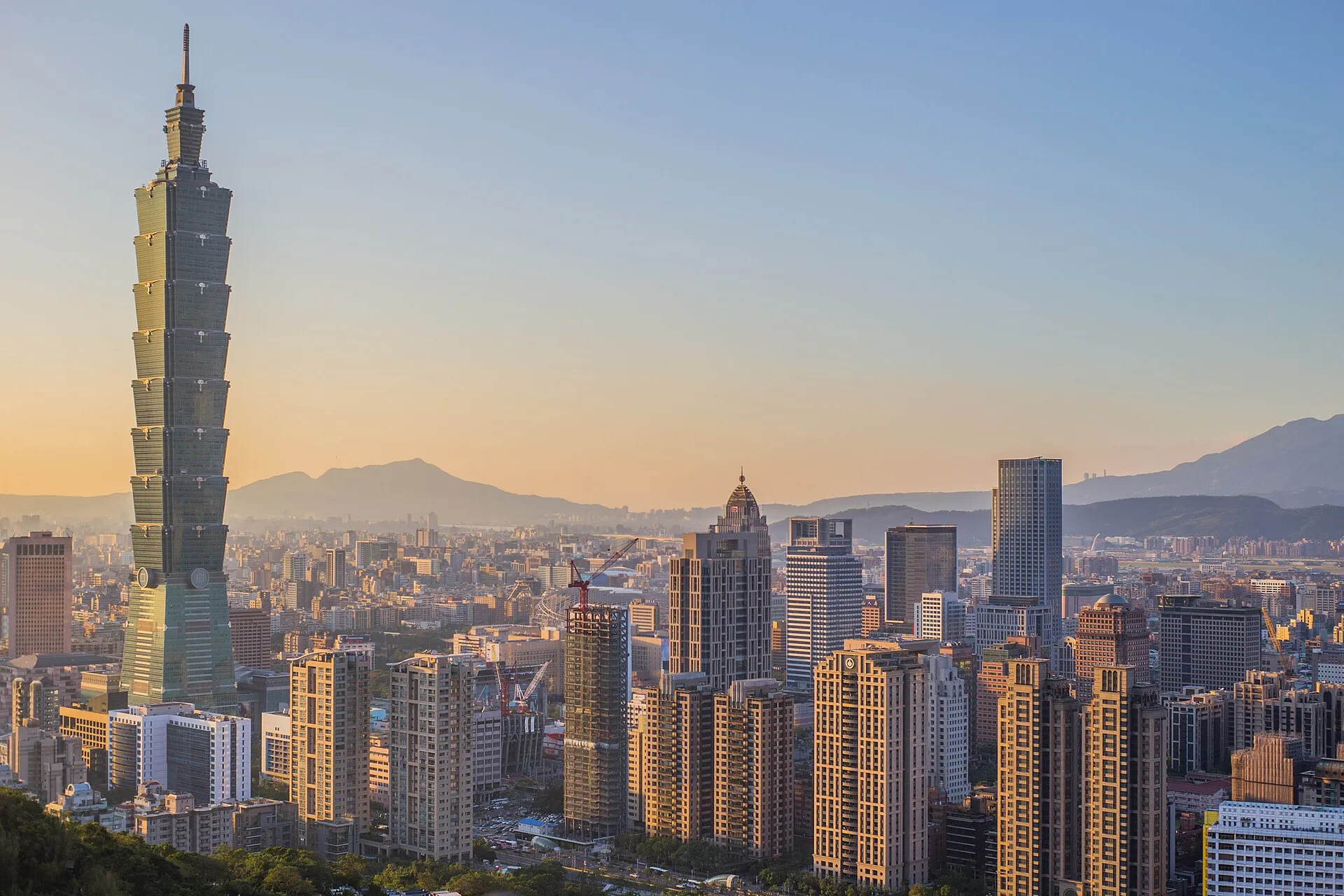
 Taipei
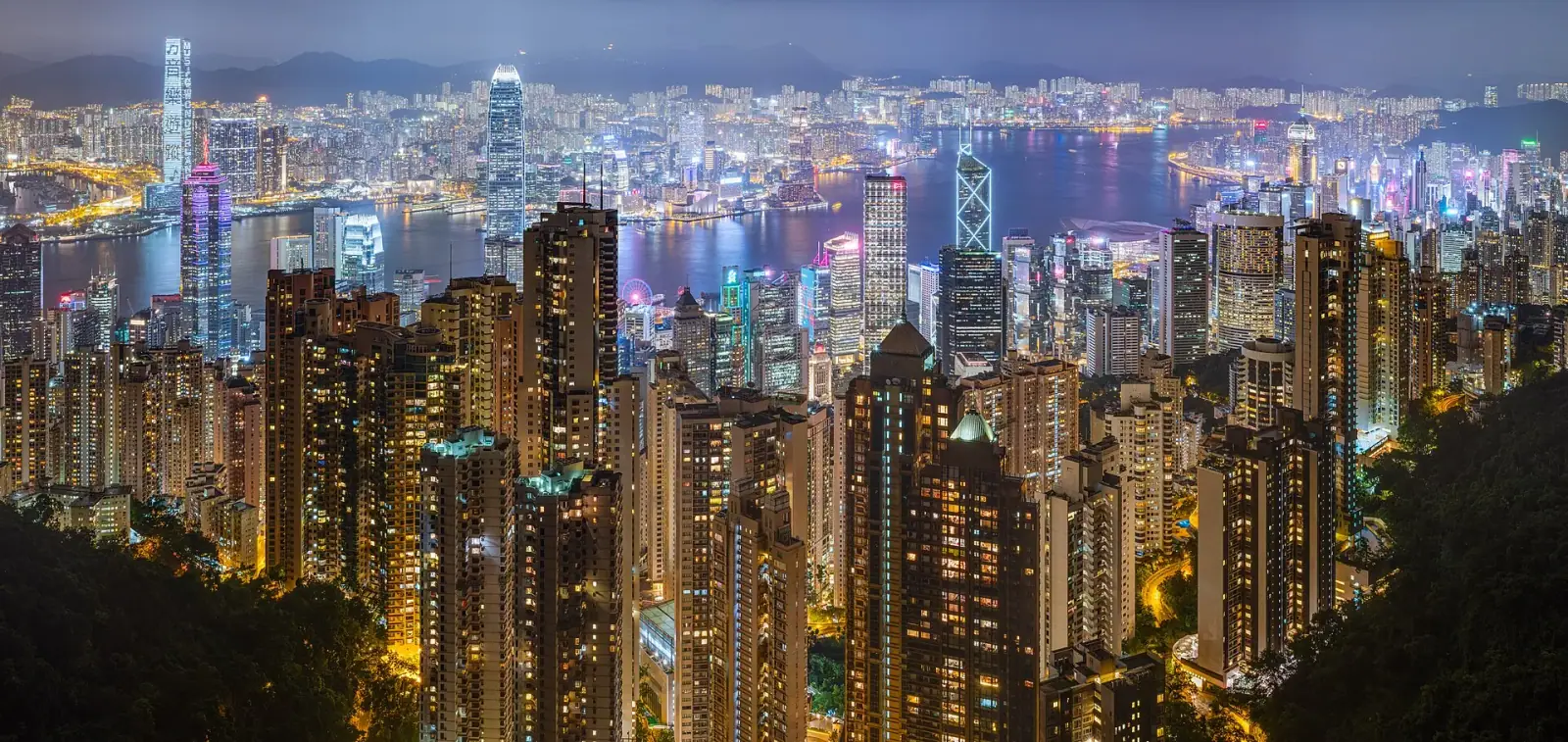
 Hong Kong
No international air route on earth has more seats than this one: about 6.8 million in 2025, both ways, on a flight of an hour and 45 minutes. That tells you these cities need each other. It also suggests the best way to compare them, because you can learn most of what you need to know about either place from how it moves you around.
Three rides in Hong Kong
- The MTR. Nearly five million trips a day, punctuality reported at 99.9%, and an Airport Express that reaches the city in under half an hour. It is efficient to the point of being slightly frightening, and the rush-hour crowds are part of the deal.
- The Mid-Levels escalator. Some 800 metres of covered moving stairs up the hillside above Central, running downhill from 6 to 10 a.m. and uphill until midnight. A whole neighbourhood's day is timed around it, past the bars and restaurants of SoHo.
- The Star Ferry and the Ding Ding. For well under a dollar you can cross Victoria Harbour on a boat line founded in 1888, or ride a narrow double-decker tram along the north shore of the island, as people have since 1904.
Three rides in Taipei
- The MRT. About 2.1 million riders a day on 118 stations, and you may not eat, drink or chew gum once you are through the gates. The floors show it. It is the calmer, politer relation of the MTR.
- The Xinbeitou branch. A tiny spur line off the main network that ends among hot springs. You could finish work at five and be soaking by six.
- The Maokong Gondola. A cable car from the zoo up to the tea fields in the hills south of town. This is a city of 2.5 million with tea houses on its transit map.
Hong Kong's system is a marvel built for pressure. Taipei's is nearly as good and asks you to do less pushing, and that pressure is what you are choosing between.
Rent and floor space
By our estimate a month in Hong Kong comes to about $4,500, while Taipei runs to about $2,400. Nearly all of that difference is housing. The median Hong Kong household had 430 square feet in 2016, or 160 per person, and 13% of new flats finished in 2019 were under 260 square feet. Your desk is likely to be your dining table and possibly your bed's neighbour. In Da'an, for much less, you could have a separate room to work in and a large park at the end of the road.
The $2,100 gap would pay for that flight several times a month. If you need Hong Kong's bankers and clients, live in Taipei and fly over when you are needed.
Staying long, and speaking freely
Taiwan's nomad visa now starts at six months and can be extended in six-month steps to a total of two years, for people from countries with visa-free access. Hong Kong's talent schemes are built around people coming to work in the city, which is a different proposition.
Then there is the law. Hong Kong now has two national security laws, the second rushed through in eleven days in March 2024. Sedition can carry up to ten years under it, and some offences apply regardless of nationality or where you are. Most people working on spreadsheets will never feel any of this. If your work touches journalism, advocacy, research on China or anything political, take it seriously. Taipei has its own shadow, in the form of Beijing's claim over the island, but its daily life has none of that caution.
Hong Kong still wins some rounds. English works almost everywhere, and if you are in finance the city has no local substitute. Taipei's English is thinner, and both cities get typhoons and sticky summers. For everyone else, we would take Taipei without much hesitation. Spend a long weekend in Hong Kong first anyway: take the tram from end to end and stand on the upper deck of the ferry at dusk. It will make you doubt that decision, which is the right way to make it.
 United States
 United Kingdom
 Germany
 Canada
 Australia
 India