Cost of Living in Suchitoto
Where this figure comes from. No cost survey covers Suchitoto, so the $700 a month above is our own estimate rather than a measurement. On 416 of our 999 city guides the figure is built from a published Numbeo basket, a one-bedroom rent in the centre plus one person's monthly costs without rent, converted to USD; this city is not one of them. How we source everything.
Suchitoto is inexpensive by nomad standards, even inside a country that already prices lower than most of Central America. El Salvador uses the US dollar, so there is no currency conversion guesswork and no exchange spread to lose money to. A simple furnished room or studio near the plaza runs roughly $300 to $500 a month, while a nicer one or two bedroom house with a garden or lake glimpse can land between $450 and $700. Eating like a local keeps costs low: a plate of pupusas with curtido runs $1 to $1.50 each, and a full lunch at a comedor is often $3 to $5. Restaurants aimed at visitors, of which there are several good ones on and around the plaza, run $8 to $15 for a real dinner with a drink. Groceries from the municipal market are cheap, though imported goods and anything from a supermarket in San Salvador cost noticeably more once trucked in. A reasonable monthly budget for a single nomad living modestly is around $700 to $1,000 including rent, and closer to $1,200 to $1,500 for a more comfortable setup with occasional trips to the capital.
Where to Work in Suchitoto
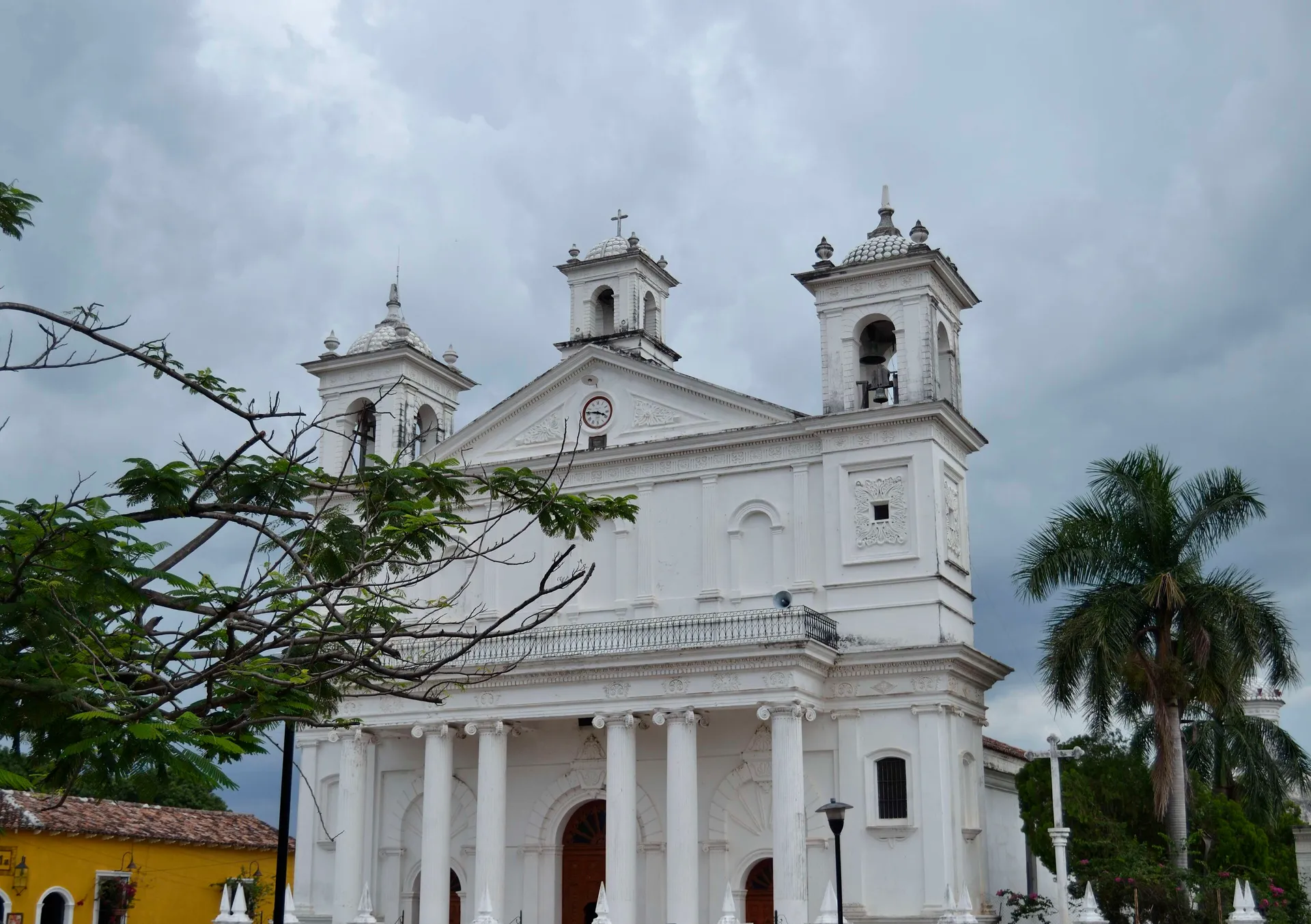
This is not a coworking town, and it is honest to say so upfront. There is no dedicated coworking space with hot desks and meeting rooms; instead, remote work here means claiming a table at a café with decent wifi and settling in. A handful of cafés around the Parque Centenario and the Santa Lucía church have workable connections and owners who do not mind a laptop for a few hours, especially in the quieter morning stretch before lunch crowds arrive. Wifi speeds are generally fine for email, browsing, and light video calls, but they can wobble during storms or when several cafés share the same local line, so a phone hotspot as backup is a sensible habit. Some guesthouses and small hotels advertise wifi in rooms and common areas, and asking directly about upload speed before booking a longer stay is worth the extra message. Suchitoto suits people whose work tolerates some friction: writers, researchers, developers on asynchronous teams, or anyone who can plan calls around known good-connection windows rather than people who need enterprise-grade reliability every single day.
Getting Around Suchitoto
The town itself is small and walkable, with cobblestone streets that slope down toward the lake and a compact center you can cross on foot in fifteen to twenty minutes. Tuktuks are everywhere and are the easiest way to cover longer distances within town or reach the lakeside area at Puerto San Juan, typically costing $1 to $2 for a short hop. For getting to Suchitoto in the first place, direct microbuses and shuttle vans run from San Salvador, taking roughly an hour and a half depending on traffic and whether you catch a direct route or one that transfers. Public buses are cheap, frequent enough, and a genuine way to meet locals, though they are not fast or especially comfortable. Renting a car gives more freedom for day trips to Los Tercios waterfall, Lake Suchitlán viewpoints, or nearby Cinquera, and El Salvador's small size means most of the country is reachable within a few hours' drive. Ridehailing apps have limited or no coverage in Suchitoto itself, so tuktuks and pre-arranged shuttles remain the practical default for most visitors and residents.
Sorting transport? Book an airport transfer, or compare car rental on Auto Europe and QEEQ.
Visas for Suchitoto
Most nomads arrive in El Salvador as part of the CA-4 regional agreement it shares with Guatemala, Honduras, and Nicaragua, which grants many nationalities, including US, Canadian, UK, and EU passport holders, a combined 90 days across all four countries on a single entry stamp. Once that 90-day window is used up across the CA-4 zone, you need to exit the wider bloc, not just El Salvador, to reset the clock, which surprises travelers who assume a quick border hop to a neighboring CA-4 country will renew their stay. There is no long-stay digital nomad visa specific to El Salvador at the time of writing, so most remote workers structure their stay around the 90-day allowance and either leave the CA-4 region periodically or apply for an extension through Salvadoran immigration authorities if they want to stay longer.
Best Time to Visit Suchitoto
El Salvador runs a tropical wet and dry cycle rather than four seasons, and that split matters more for planning than the calendar month. The dry season, roughly November through April, brings the most reliable weather: sunny days, cooler evenings, and easier hiking to spots like Los Tercios waterfall, which can shrink to a trickle by the driest months of March and April. The wet season, May through October, brings dramatic afternoon storms most days but usually leaves mornings clear, and it is also when the surrounding hills turn a deep green and the lake fills up, which many find more scenic despite the rain. Suchitoto's identity as El Salvador's cultural and arts capital shows up strongest during its festival calendar, most notably the Festival Internacional de Arte y Cultura held over several weekends in early February, when the town fills with music, theater, and craft markets. Patron saint celebrations for Santa Lucía in December are another lively stretch worth timing a visit around if you enjoy fireworks, processions, and a town at full color.
Pros and Cons of Suchitoto
The pros start with atmosphere: this is one of the most visually and culturally rich small towns in Central America, with genuine colonial architecture, an indigo craft tradition still practiced by local artisans, a lake made for birdwatching and kayaking, and a festival scene that punches well above the town's size. Costs are low, the town is walkable and safe to wander after dark by most current accounts, and the pace of life is genuinely restorative if you are burned out on bigger nomad hubs. The cons are equally real. English is limited outside a few tourist-facing businesses, so basic Spanish makes daily life considerably smoother. There is no coworking space and wifi, while workable, is not enterprise grade. The nomad and expat community here is small, more art residency and retiree than digital nomad hub, so building a peer network takes more effort than in Antigua or Medellín. El Salvador's overall safety picture has improved substantially in recent years.
Who Suchitoto Is For
Suchitoto fits nomads who want a slow, culturally immersive base rather than a networking-heavy hub, particularly writers, artists, researchers, and anyone on a modest budget who values quiet mornings, a lake view, and a genuine small-town rhythm over rooftop bars and daily meetups. It works well for couples or solo travelers with some Spanish who are comfortable working from cafés and don't need fast-turnaround video calls all day. It is a weaker fit for anyone who needs a built-in professional community, dependable fast wifi for demanding calls, or a wide social scene of fellow remote workers, and it is not the right first stop for a nomad who wants nightlife or a large expat infrastructure. Many people treat Suchitoto as a deliberate one to four week detour from San Salvador or a longer Central America loop rather than a long-term base, and that is probably its best use: a restorative, culturally dense pause rather than a primary home.