Cost of Living in Flores
Where this figure comes from. No cost survey covers Flores, so the $900 a month above is our own estimate rather than a measurement. On 416 of our 999 city guides the figure is built from a published Numbeo basket, a one-bedroom rent in the centre plus one person's monthly costs without rent, converted to USD; this city is not one of them. How we source everything.
Flores is affordable, a small island town whose costs are kept modest by Guatemala's low prices, though its role as the gateway to Tikal adds a tourist premium. A comfortable single-person budget runs roughly $700 to $1,150 a month. A furnished room or apartment on the island or in neighbouring Santa Elena on the mainland costs about $250 to $500, and local Guatemalan meals are very cheap. These are our editorial estimates in US dollars, priced against the quetzal. Beyond rent and food, the main costs are trips to Tikal and other Maya sites and the occasional lake excursion. The island and the mainland town across the causeway are two different markets. A room on the island is priced for the view and the walk to a lakeside bar; the same money a few streets inland gets you twice the space and a supermarket nearby, and the walk between them takes ten minutes. Long-stay rates are negotiated in person rather than online. Cash machines here take a fee on each withdrawal and limit how much comes out, so plan around fewer, larger visits, and keep small notes: change for anything above the equivalent of ten dollars is a recurring problem in the smaller shops.
- Furnished room or apartment: roughly $250 to $500 a month
- Local comedor meal: roughly $3 to $6
- Boat trip on Lake Peten Itza: a modest sum
- Shuttle to the Tikal ruins: a reasonable fare
Where to Work in Flores
Flores is a laid-back backpacker hub and the launchpad for Tikal, not a remote-work destination, so its infrastructure is basic. Internet in guesthouses and cafes is available but can be slow and inconsistent given the remote jungle setting, so test any accommodation's connection carefully before relying on it for calls and keep a Claro or Tigo SIM with data as backup. There is no real coworking scene; a scattering of lakeside cafes serve as informal work spots. Flores suits someone with light connectivity needs using the island as a relaxed base to explore the Peten, rather than anyone tied to constant video meetings. Heat is the constraint people underestimate. A laptop working hard in thirty-five degrees and high humidity throttles and eventually fails, so a room with air conditioning or at least a strong fan aimed at the machine is not a luxury here. The same humidity gets into anything left out overnight. On timing, the country sits on the same clock as the central United States all year, with no daylight saving, which makes work with clients up there straightforward and a European call an early morning. Storms in the wet season take the power down, usually for an hour or two, often in the afternoon.
Getting Around Flores
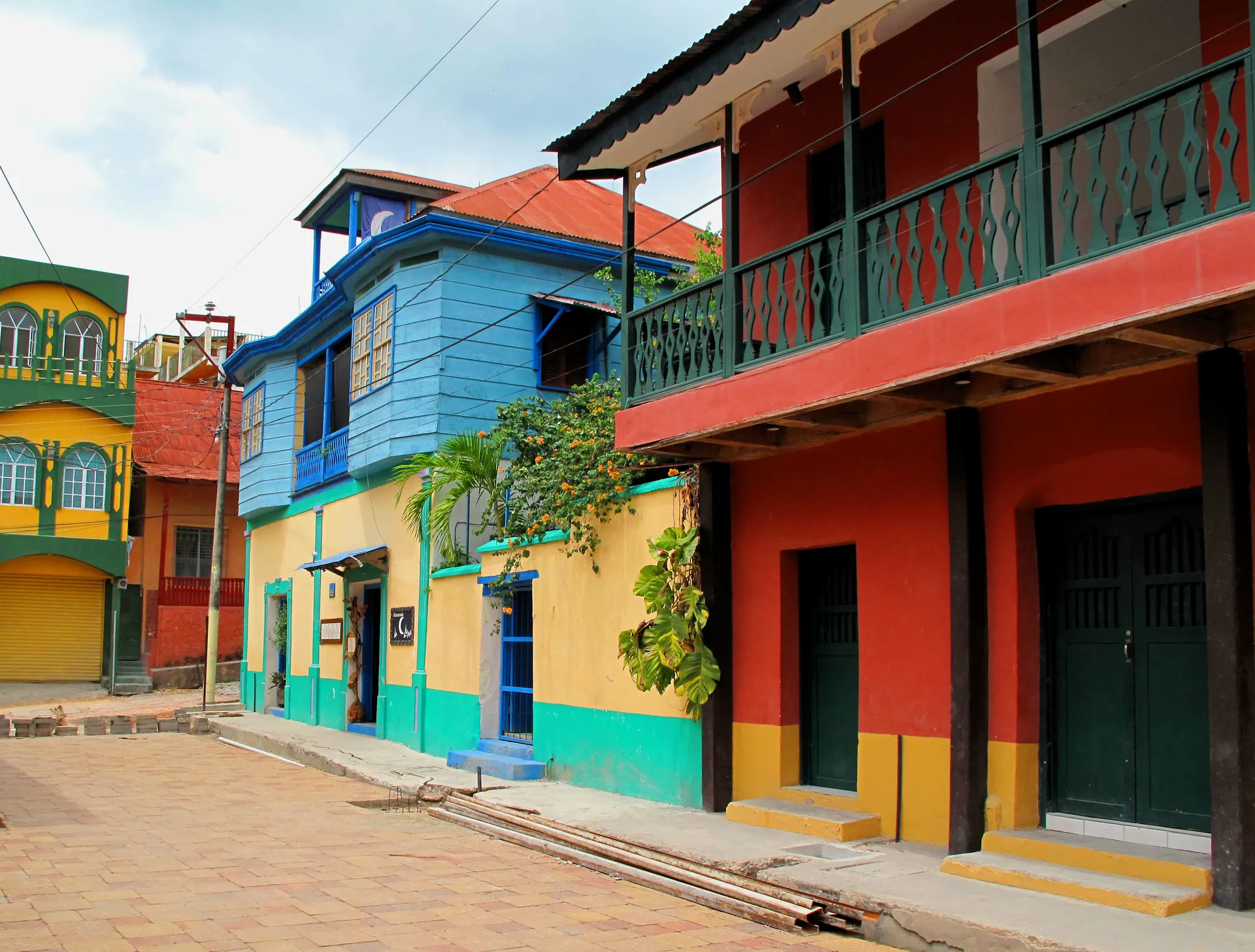
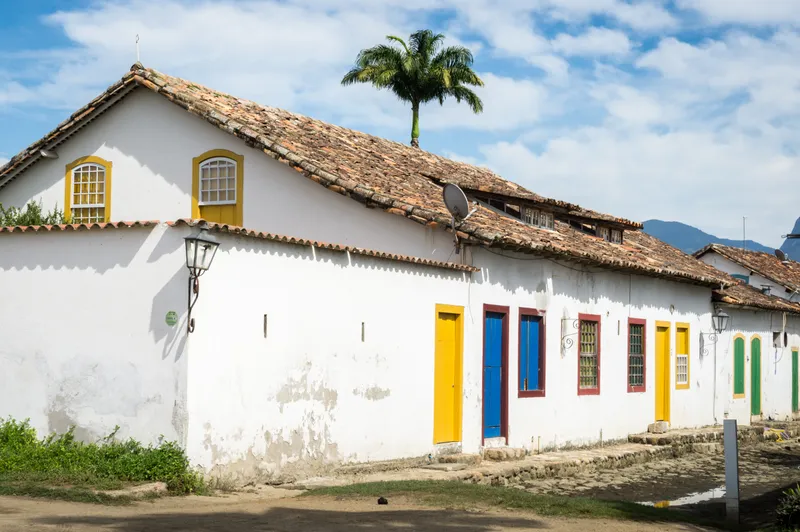
Flores itself is a tiny island, joined to the mainland town of Santa Elena by a short causeway, and both are easily walked; the island's colourful streets can be strolled end to end in minutes. Tuk-tuks handle trips around Santa Elena and to the bus terminal and market. Small boats crisscross Lake Peten Itza to lakeside villages and viewpoints. The Peten's Mundo Maya airport near Santa Elena connects to Guatemala City, and shuttles and buses run to the Tikal ruins about an hour and a half away, as well as to Belize, Mexico and the rest of Guatemala. A few specifics for the ruins. The sunrise tour leaves in the dark and costs more than the regular shuttle, and the sunrise itself is often invisible under jungle mist, so the ordinary early bus is usually the better trade. The site is enormous and a full day there is several hours of walking in heat. On the lake, the causeway and the island's low streets flood when the water is high, which happens after a heavy wet season and is worth asking about before taking a room at street level. Border shuttles east and north leave in the small hours.
Sorting transport? Book an airport transfer, or compare car rental on Auto Europe and QEEQ.
Visas for Flores
Most visitors enter Guatemala under the CA-4 agreement, which grants up to 90 days across Guatemala, El Salvador, Honduras and Nicaragua combined, so time spent in those neighbours counts toward the same limit. Extensions can sometimes be arranged with the immigration authorities, or travellers leave the CA-4 zone and re-enter. Guatemala now grants temporary residence to workers paid by a foreign employer, with bank statements showing at least $2,000 a month from abroad over the past year, but on an ordinary entry keep careful track of your CA-4 days, as the shared limit catches many travellers out. The useful corollary is that Belize and Mexico are both outside that four-country zone, and both borders are within a few hours of here, so a trip to either genuinely resets the clock in a way that a hop to one of the other three does not. That geography is a large part of why travellers base themselves in this corner of the country. Expect to pay small unofficial charges at the land crossings; knowing the official fee in advance is the only defence. An extension inside the country means a trip to the capital and a day of queueing.
Best Time to Visit Flores
Flores sits in the hot, humid lowland jungle of the Peten, so it is warm year-round, with the calendar defined by rain rather than temperature. The best time to visit is the dry season from roughly November to April, when days are sunny and the trails around Tikal and the lake are at their most comfortable. The wet season from May to October brings heat, humidity and heavy afternoon downpours that can muddy jungle paths, though the ruins are atmospheric and less crowded then. Temperatures stay warm throughout, so light clothing, sun protection and insect repellent are essentials whenever you come. Something the rain chart does not show: the lake level rises and falls over multi-year cycles rather than seasonally, and after a run of wet years the water has come up over the lower streets and jetties of the island, which is why some buildings sit on raised platforms. Ask about it if taking a place at ground level. Easter week is the one date that fills the town with domestic visitors and doubles room rates, and the weeks either side of it are among the best of the year for weather and quiet.
Pros and Cons of Flores
Flores is a charming, laid-back jungle-lake base with the trade-offs of a small, remote tourist town. Charming is accurate and small is an understatement: the island is about four hundred metres across and you can walk its perimeter in fifteen minutes. That scale is the whole experience, good and bad. Every evening you end up in one of the same six places, everyone recognises everyone by the third day, and the sunsets over the water are as good as the photographs suggest. It is also true that almost nobody here is staying, that the population is backpackers passing through on the way to or from the ruins, and that a month leaves you having had the same conversation thirty times. The site itself is the counterweight and it is a serious one: the ruins up the road are among the great archaeological places on earth, and living close enough to go repeatedly, at dawn, in rain, on a quiet Tuesday, is a genuinely different thing from visiting once.
- Pros: a pretty, colourful island town on a scenic lake, the extraordinary Maya ruins of Tikal on the doorstep, jungle and wildlife all around, a relaxed backpacker atmosphere, low costs, and easy onward links to Belize and Mexico.
- Cons: weak and inconsistent internet, a transient backpacker crowd rather than a settled nomad community, heat and humidity, a remote location, some general safety caution as anywhere in Guatemala, and limited amenities beyond tourism.
Who Flores Is For
Flores is for the nature-and-history nomad who wants a colourful, easygoing island base for exploring the great Maya world of the Peten, and who can work comfortably with light connectivity. Anyone drawn to Tikal, jungle, wildlife and slow lakeside days will love it, and its position makes it a natural stop on an overland route through Central America. It works best as a relaxed base for shorter stays or flexible, low-bandwidth work rather than a long-term hub, and rewards a little Spanish. It is a poor fit for those who need fast, reliable internet, a coworking community, or a wide range of amenities. Come in the dry season, settle on the island, and let Tikal and the lake set the pace. Three weeks is about right: long enough to visit the ruins four or five times and see the smaller sites in the forest, short enough that the island has not closed in. Buy a multi-entry pass rather than paying each time. Anyone heading onward should know this is the natural hinge of an overland route through the isthmus, with Belize a morning east, the Mexican border a morning north and the highlands a night bus south, which means the town works better as a pivot than as a destination.