Cost of Living in Quetzaltenango
Where this figure comes from. No cost survey covers Quetzaltenango, so the $700 a month above is our own estimate rather than a measurement. On 416 of our 999 city guides the figure is built from a published Numbeo basket, a one-bedroom rent in the centre plus one person's monthly costs without rent, converted to USD; this city is not one of them. How we source everything.
Budget roughly $700 a month as a solo remote worker in Quetzaltenango, which makes it one of the cheapest bases in Latin America. A one-bedroom apartment in Zona 1 near the central park or in the quieter Zona 3 runs about $220 to $350, and rooms in shared houses, common because of the language schools, go for $120 to $200. Groceries land around $150 to $200, with the Minerva and Democracia markets far cheaper than supermarkets. A comedor lunch is $2.50 to $4, a restaurant dinner $8 to $14, and coffee, which Guatemala grows superbly, about $1.50. A week of one-to-one Spanish tuition, twenty hours, typically costs $100 to $150 including a homestay, which is the reason many people come. Hot water usually comes from an electric element in the shower head rather than from a boiler, which works well enough and explains why a flat with a proper water heater commands a premium. Cooking runs on a propane cylinder swapped at a depot. Rent is quoted in the local currency with a month as deposit, and long-stay rates are negotiated face to face rather than advertised, so the price a student pays after a month in town sits well below the one first quoted.
Where to Work in Quetzaltenango
Xela, as everyone calls it, has a small coworking presence and a much larger cafe culture built around its long-established Spanish school industry and a sizeable population of long-term foreign students and NGO workers. Cafes around the central park and in Zona 1 are used to laptops and long stays. Coworking, where it exists, runs about $70 to $120 a month. Connectivity is the thing to check: fibre has reached parts of the city and is genuinely fast, while older buildings can be poor, and power cuts are not rare. Mobile data is cheap and coverage is reliable. Xela sits at 2,330 metres, which affects nothing about work and a great deal about how you feel in the first week. Remittances from relatives in the north are the real economy of these highlands, larger than any industry here, and they explain the new houses on the edge of every village and the banks on every block of the centre. Almost every family has somebody away. For a foreigner that means a town long accustomed to income earned elsewhere, and entirely unbothered by somebody paid by a company nobody here has heard of. The school industry is the other pillar, and it hires teachers rather than remote workers.
Getting Around Quetzaltenango
Quetzaltenango is compact and its centre is walkable, though the altitude and the hills make it more tiring than the map suggests. Local buses and shared microbuses cover the wider city for well under a dollar and are crowded and quick. Taxis and ride-hailing apps are cheap and widely used, particularly at night. For getting out, the second-class chicken buses are an experience and go everywhere in the western highlands, while shuttle services aimed at travellers run comfortably to Antigua, Lake Atitlán and the Mexican border. Guatemala City and its international airport are about four hours away by road. A car is not necessary and driving in the highlands at night is generally discouraged. Highway blockades are a normal form of protest in this country and can close the road to the capital for a day or more with no warning, so a flight that depends on a morning drive to the capital is a gamble rather than a plan. The descent to the coast loses two thousand metres in an hour or so and the temperature climbs the whole way down. Microbuses to the market towns leave when full from a yard rather than a station, and asking twice gets a clearer answer than asking once.
Sorting transport? Book an airport transfer, or compare car rental on Auto Europe and QEEQ.
Visas for Quetzaltenango
Guatemala is part of the CA-4 agreement with El Salvador, Honduras and Nicaragua, which functions as a shared 90-day zone: most Western passports get 90 days on arrival, but that allowance covers all four countries together, so a border run to El Salvador does not reset it. Extensions of a further 90 days can be applied for once at the immigration office in Guatemala City. Workers paid by a foreign employer can apply for temporary residence. Longer stays generally require residency, most commonly through the pensionado route for those with a qualifying pension, through investment, or through marriage. Many long-term foreign residents in Xela simply cycle out to Mexico or Belize, which does reset the CA-4 clock, and this is a well-worn if imperfect practice.
Best Time to Visit Quetzaltenango
November to April is the dry season and the best time in Xela, with bright clear days, cold nights and the volcanoes visible. The altitude means it is never hot: daytime highs sit around 20 to 22 degrees year-round and nights drop close to freezing in December and January, so heating, which few buildings have, becomes a real consideration. The wet season runs May to October, with rain concentrated in heavy afternoon downpours rather than all-day drizzle, and mornings usually clear; September and October are the wettest and carry some risk of landslides on highland roads. Semana Santa in the week before Easter is spectacular across Guatemala and fills every bed in the country. The dome beside the big volcano erupts several times a day, small ash columns visible from the ridge above town, and it has been doing so without a pause for a century, which is about as dependable as a volcano ever gets. At the start of the cold season a town a few hours north holds a drunken horse race that has to be seen to be understood, and the highland buses fill for it. Firewood smoke settles in the valley on still cold nights.
Pros and Cons of Quetzaltenango
Xela is cheap, genuinely Guatemalan rather than a traveller enclave, and the best place in the country to learn Spanish properly, with dozens of long-established schools and homestays at prices that seem implausible from Europe. It sits in the western highlands with volcanoes, hot springs and Maya market towns all around, and it has a real university and an intellectual life. The altitude is high enough to need acclimatising, nights are cold in unheated buildings, and and the rainy season is thoroughly wet. Infrastructure is patchy: power and water interruptions happen. Personal security requires the ordinary Latin American caution, particularly at night. There is no nomad scene as such, and the foreign population is students and NGO workers.
Who Quetzaltenango Is For
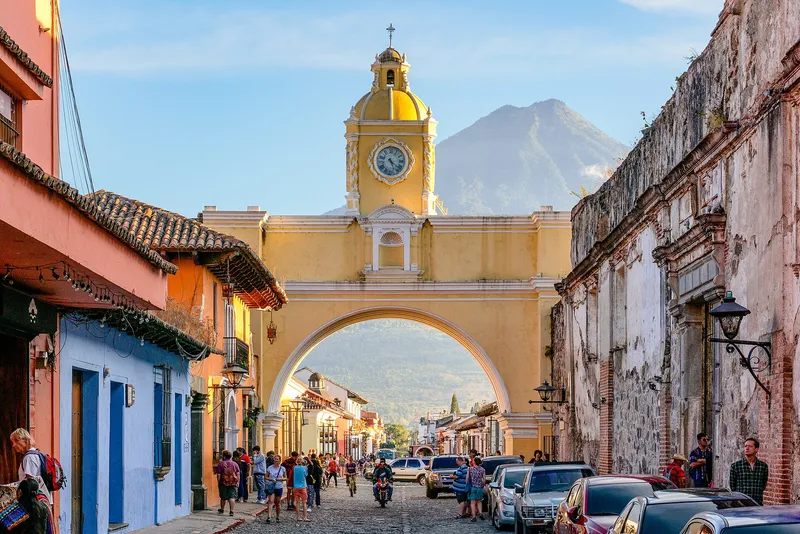
People come to learn Spanish seriously and live very cheaply while doing it, and they get a working highland city rather than a traveller town. Maya culture and the western highlands are the draw, and volunteers and NGO staff make up a good part of the foreign population. The rest are people who wanted Guatemala without Antigua's prices and its tourism. Solo travellers have the easiest time, because the language schools have already assembled a community to join. Power and internet come with no guarantees at this altitude, the weather is cool rather than warm, and a beach, a nomad crowd and a nearby airport are all several hours away in different directions. Antigua is the obvious alternative: prettier, more expensive, far more foreign, and four hours closer to the airport.
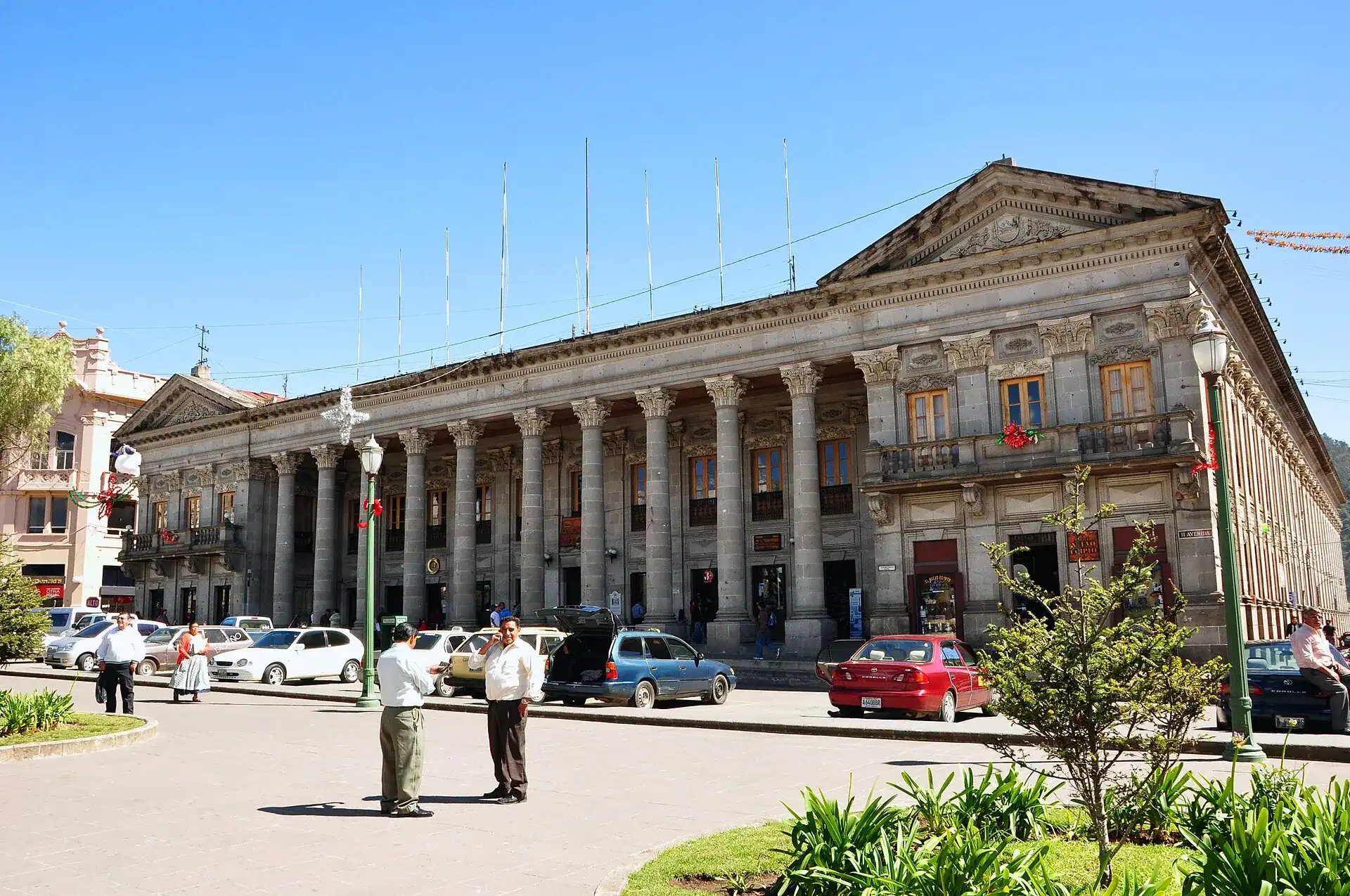 Photo: chensiyuan / Wikimedia Commons (CC BY-SA 4.0)