Cost of Living in El Zonte
Where this figure comes from. No cost survey covers El Zonte, so the $1,000 a month above is our own estimate rather than a measurement. On 416 of our 999 city guides the figure is built from a published Numbeo basket, a one-bedroom rent in the centre plus one person's monthly costs without rent, converted to USD; this city is not one of them. How we source everything.
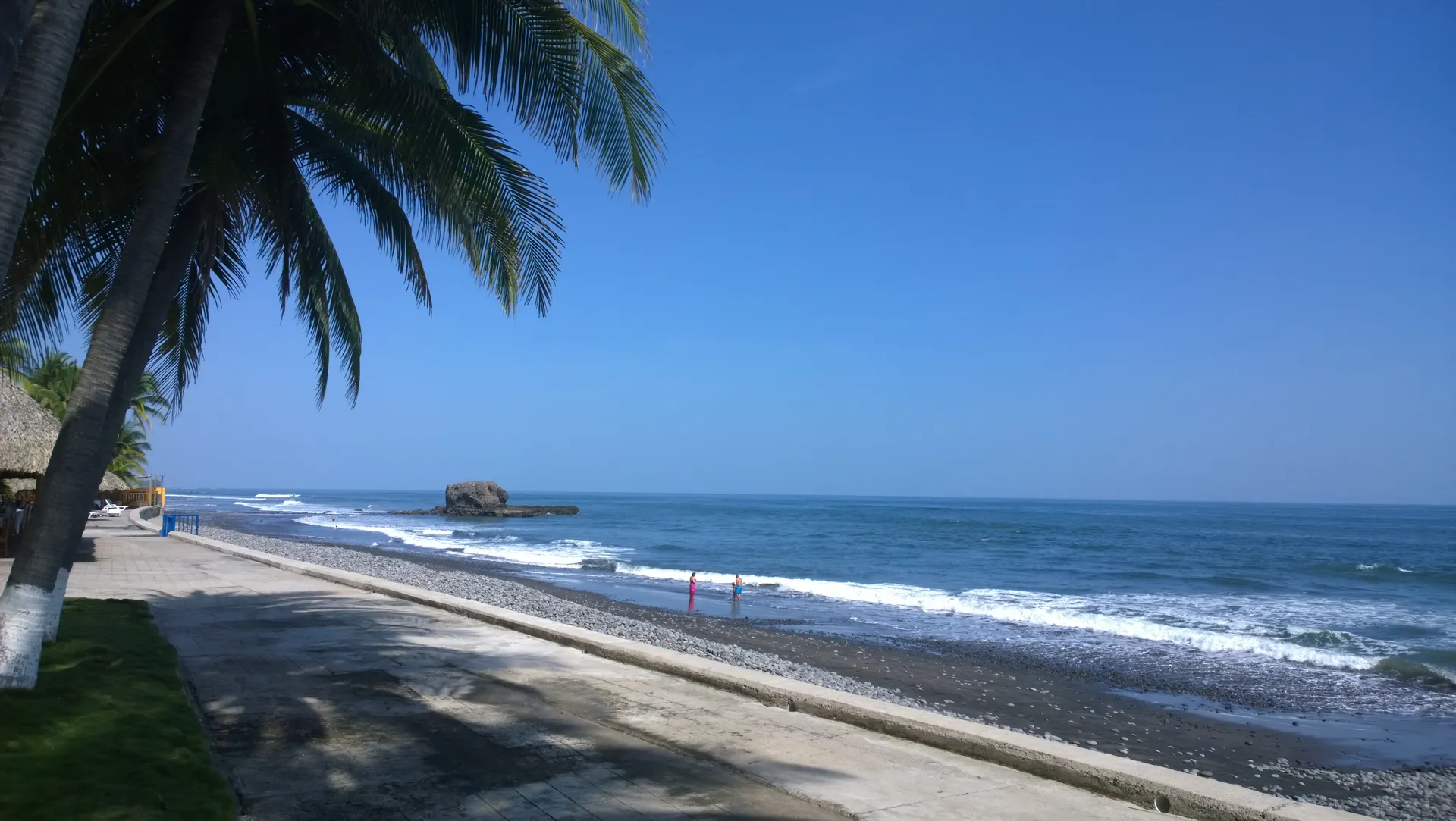
El Zonte sits in a comfortable middle range for a Central American surf village. A slow-travelling nomad can expect roughly $800 to $1,600 a month depending on whether you rent a simple guesthouse room or a nicer beachfront apartment. El Salvador uses the US dollar, so there is no currency exchange to worry about, and Bitcoin is genuinely accepted at many local businesses thanks to the area's Bitcoin Beach roots. Eating pupusas and local plates keeps food costs low, while imported goods and Western-style cafes push things up. Budget accordingly for the basics. Since an early-2025 amendment tied to an IMF loan, businesses are no longer obliged to take bitcoin, so treat it as a convenience at the places that still advertise it and carry dollars for everything else. Groceries are the other thing to plan: the village shops stock basics, and a proper supermarket run means a trip to La Libertad or Santa Tecla, so it pays to stock up in one go.
- Simple guesthouse or shared room: roughly $350 to $650 per month
- Nicer apartment or beachfront studio: roughly $700 to $1,100 per month
- Local pupusas and comida meals: often $2 to $6 each
- Cafe lunch or surf-town restaurant: roughly $8 to $15
- Both US dollars and Bitcoin work at many spots; carry small cash
Where to Work in El Zonte
Heavy remote work and a surf village make an uneasy pair, and El Zonte is no exception: wifi in the guesthouses and cafes along the point comes and goes, and the power drops out now and then. The connection is usually fine for email, calls and light work, but it is not a guaranteed fibre setup. Buy a local Tigo or Claro SIM with a solid data plan as your backup, and always ask a prospective accommodation about their actual internet speed before booking. The nomad scene here is small but real and growing, drawn by the Bitcoin community, and a handful of laptop-friendly cafes give you options for a change of scene.
- Ask any guesthouse for real wifi speeds and a backup plan before booking
- Get a Tigo or Claro prepaid SIM with data as a mobile hotspot fallback
- Expect occasional outages; keep devices charged and a power bank handy
- A few cafes welcome laptops, especially the Bitcoin-friendly spots
Getting Around El Zonte
El Zonte itself is tiny and easily walked, though the dirt roads down to the beach are steep and rustic. For short hops you will find tuktuks and 4x4 taxis, and the area connects to the rest of the coast via the Carretera del Litoral, the coastal highway. Public buses and tourist shuttles run along this road to livelier El Tunco, to La Libertad and on to San Salvador, roughly one to one and a half hours away. The international airport (SAL) is about an hour by shuttle or private transfer. Renting a car or scooter gives you real freedom to explore the Surf City coast. The coast highway itself is the hazard: two lanes of fast traffic with tight bends and a string of short tunnels along this stretch, so walking its shoulder at night is a bad idea, and a tuktuk to the next beach after dark is money well spent.
- The village is walkable; expect steep, rough dirt tracks to the sand
- Tuktuks and 4x4 taxis handle short local trips
- Buses and shuttles run the coastal highway to El Tunco, La Libertad and San Salvador
- Airport (SAL) is about an hour away by shuttle or transfer
- A car or scooter is the most flexible way to explore the coast
Sorting transport? Book an airport transfer, or compare car rental on Auto Europe and QEEQ.
Visas for El Zonte
Most visitors enter El Salvador as tourists without arranging anything in advance, typically receiving a 90-day tourist stay. El Salvador is part of the CA-4 agreement with Guatemala, Honduras and Nicaragua, so that 90-day allowance is generally shared across those four countries rather than resetting at each border. A modest tourist card fee may apply on arrival for some nationalities. The government's own long-stay offer says a lot about who it targets: the Freedom Visa, launched in late 2023, grants residency and a path to citizenship for an investment of $1 million in Bitcoin or the Tether stablecoin. Everyone else should carry a passport, or at least a clear copy with the entry stamp, because the state of exception declared in March 2022 has been renewed month after month, and police and army checkpoints are a normal sight where officers can ask foreigners for identification.
- Tourists commonly receive up to 90 days on entry
- The CA-4 zone shares that allowance across four Central American countries
- A small tourist card fee may apply for some passports
Best Time to Visit El Zonte
The dry season, roughly November through April, is the classic window: sunny days, cleaner conditions and consistent, glassy point-break surf make this the most popular stretch for nomads and surfers alike. The green or wet season from May to October brings warm afternoon rain, lush hillsides and bigger, more powerful swells that many experienced surfers actually prefer, plus fewer crowds and lower prices. Whichever season you choose, note that El Salvador's security situation has improved markedly in recent years, transforming the country's reputation. The south swells that make the wet season worth it run from around April to October, and Punta Roca in La Libertad, a short drive east, has hosted international contests in those months, filling the coast's rooms when it does. September and October usually bring the heaviest rain, sometimes as tropical storms that trigger landslides on the coast road.
- Dry season (November to April): sunny, clean, consistent surf, busiest
- Green season (May to October): afternoon rain, bigger swells, fewer crowds
- Water is warm and surfable year-round
- Safety has improved a lot recently
Pros and Cons of El Zonte
El Zonte rewards a certain kind of traveller and frustrates another. On the plus side you get a genuinely laid-back village atmosphere, a world-class point break on your doorstep, a pioneering Bitcoin economy, warm weather, low food costs and a small, welcoming nomad community. On the downside, this is a rustic village and not a full-service town: infrastructure is basic, wifi is variable, power can drop, medical and shopping options are limited, and you will often head to El Tunco or San Salvador for more. Go in with realistic expectations and El Zonte can be a wonderful, unhurried base.
- Pros: elite point break, chill vibe, warm climate, cheap local food, Bitcoin economy, growing nomad scene
- Cons: variable wifi and occasional power cuts, basic infrastructure, limited services
- Cons: small village means trips to El Tunco or the capital for bigger needs
- Best embraced as slow travel, not a high-productivity hub
Who El Zonte Is For
El Zonte is made for the surf-and-crypto-curious slow traveller who values a mellow rhythm over city convenience. If you want to wake up, paddle out at a beautiful point break, work a few focused hours over coffee and spend evenings with a small international community talking waves and Bitcoin, this village fits beautifully. It suits nomads who are flexible about connectivity, comfortable with rustic living and happy to travel light on services. It is less suited to those needing rock-solid fibre, nightlife variety, or full-service amenities on demand. Come for the surf, the sunsets and the pioneering spirit, and stay for the pace.
- Ideal for surfers and Bitcoin-curious slow travellers
- Great for nomads who prize calm, nature and community over convenience
- Less ideal if you need guaranteed fast internet or lots of nightlife
- Best paired with a flexible, adaptable travel mindset