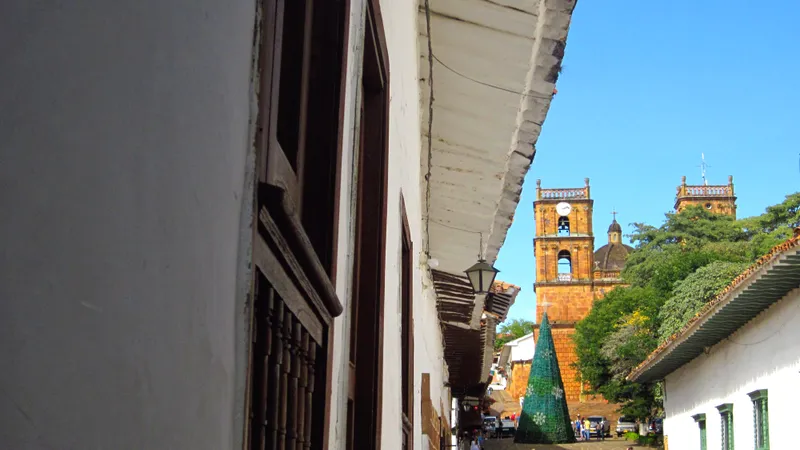
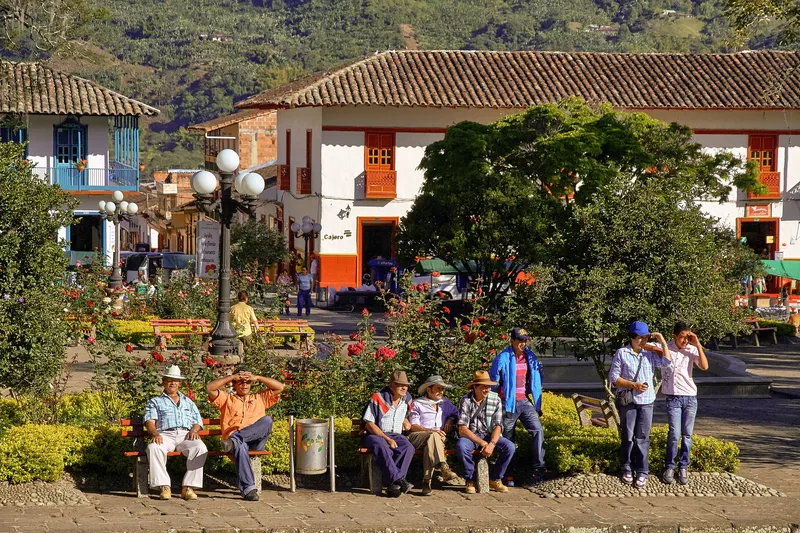
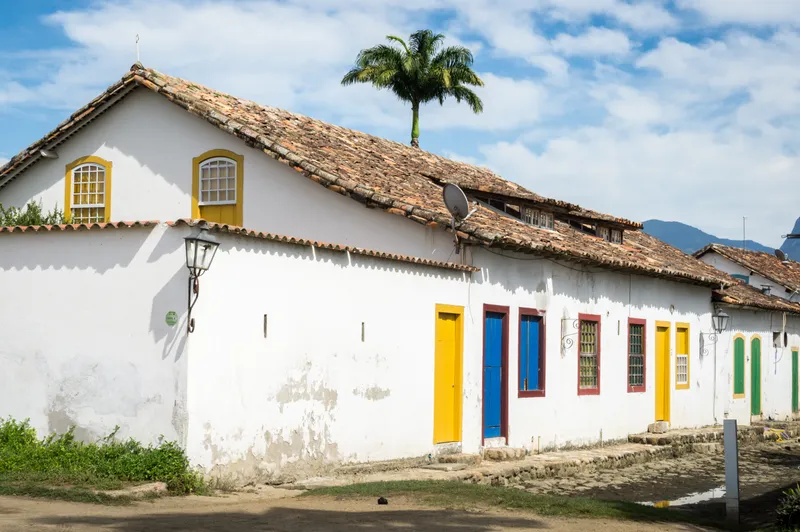
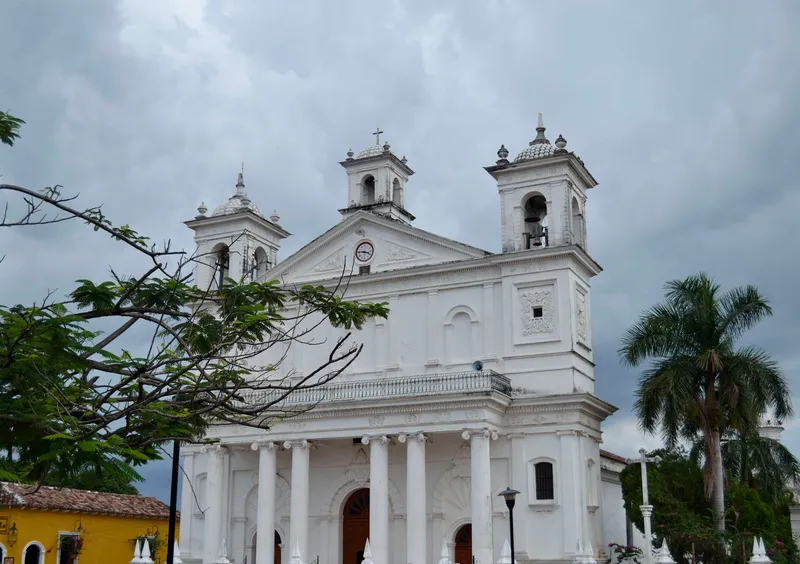
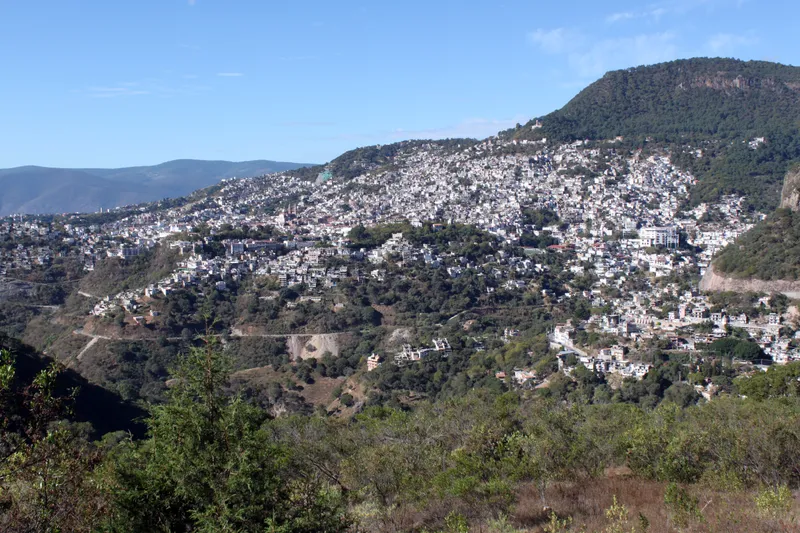
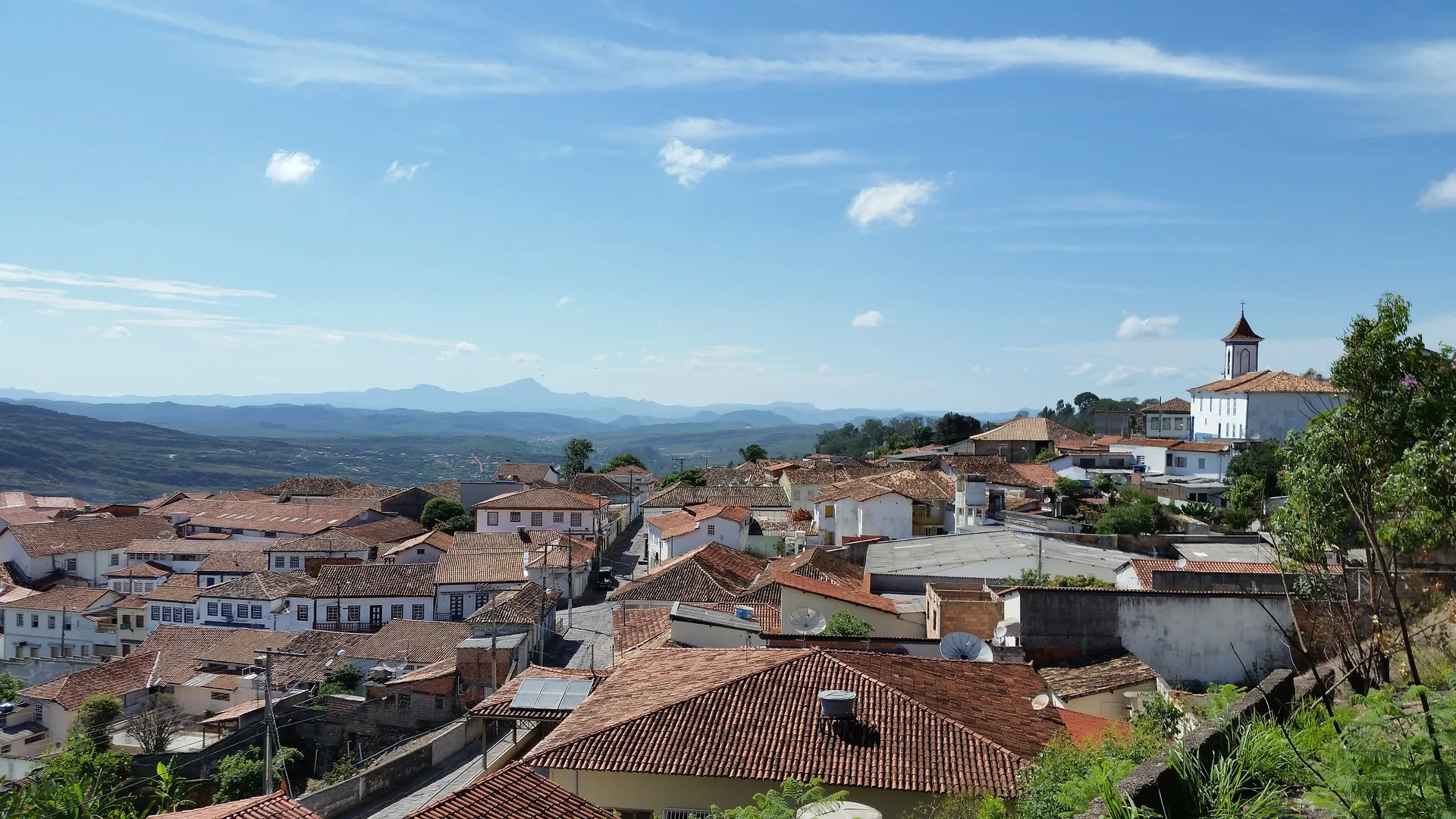
Colonial rooftops and church of Diamantina in the Espinhaco mountains, Brazil
Photo: Felipe Mouaccad Peres / Wikimedia Commons (CC BY-SA 4.0)
🇧🇷

Diamantina

Brazil

A remote UNESCO-listed colonial diamond-mining town in the mountains of Minas Gerais, with steep cobbled streets, Baroque churches and pastel townhouses trimmed in bright colors.

$700
Monthly Budget
--
Current Weather
Subtropical Highland
Climate Type
50 Mbps
Avg. WiFi Speed
6/10
Safety Score
500+
Active Nomads
--
Time Difference
0
Nomad Score

Setting Up as a Nomad in Diamantina

A remote UNESCO-listed colonial diamond-mining town in the mountains of Minas Gerais, with steep cobbled streets, Baroque churches and pastel townhouses trimmed in bright colors. Diamantina pairs culture with clean air and a subtropical highland climate, all for about $700 a month. If anything, the size of the nomad scene lags.

Compare Diamantina vs Ouro Preto →

Nomad Facts at a Glance

The practical basics for Diamantina, Brazil

CurrencyReal (R$, BRL)
LanguagePortuguese
Plugs & powerType C/N · 127/220V / 60Hz
Tap waterBottled or filtered
Tipping10%, usually added
Ride-hailingUber, 99
Emergency190
Mobile dataeSIM: Airalo / Holafly
Driving sideRight
Dialling code+55
Time zoneUTC-3
Best time to visitMar, May, Sep

Country-level guidance to get you oriented, not a substitute for checking locally. Numbers and norms can change; 112 reaches emergency services from most mobiles worldwide.

Category Breakdown

How Diamantina scores across all 13 factors

Weather in Diamantina

Monthly averages from 2019-2023 (Open-Meteo), and the best time to visit

25°
16°
Jan
24°
17°
Feb
24°
16°
Mar
23°
15°
Apr
22°
13°
May
21°
11°
Jun
21°
11°
Jul
22°
11°
Aug
26°
14°
Sep
25°
16°
Oct
24°
16°
Nov
24°
16°
Dec
Daily high & low (°C)Rainfall (mm/month)Best months to visit

The best time to visit Diamantina for comfortable weather is Mar, May, Sep. The warmest month is Sep (around 26°C by day), and the wettest is Dec (about 203mm of rain).

Chasing good weather? See other cities that are warm in Mar, or plan a multi-city route around the seasons. Staying a while in Diamantina? Check visa options, your time-zone overlap and how far your budget stretches, or find it on the world map.

Historical monthly averages, not a forecast. Source: Open-Meteo.

Best Neighborhoods in Diamantina

Where to base yourself for the perfect nomad experience

Centro Historico (Mercado dos Tropeiros & Cathedral)

$$
colonial, walkable, touristic by day, quiet and musical by night

The UNESCO heart of Diamantina

The core historic district around the Praca Conselheiro Mata, the Catedral Metropolitana, and the 19th-century Mercado dos Tropeiros market hall. Steep cobbled streets, pastel Baroque townhouses, and the highest concentration of cafes, pousadas, and restaurants in town. This is where most visitors base themselves, walking distance to almost everything but genuinely hilly underfoot.

Best for: first-time visitors and short-to-medium stays who want everything within walking distance
✓ Pros
  • Walkable to nearly all sights, cafes, and restaurants
  • Best concentration of laptop-friendly cafes and wifi
  • Seresta music and evening atmosphere on weekends
✗ Cons
  • Very steep, uneven cobblestones, tough on ankles and luggage
  • Noisier and pricier during festivals and weekends

Bairro Rio Grande (Casa de JK area)

$$
residential, historic, low-key

Quieter streets near the president's childhood home

A residential pocket just beyond the busiest tourist core, anchored by the Casa de Juscelino Kubitschek museum, birthplace of Brazil's former president. Streets here are calmer than the main square but still colonial in character, with local bakeries, small mercearias, and a slower pace. A good middle ground between historic charm and everyday residential life.

Best for: nomads wanting historic character without constant tourist foot traffic
✓ Pros
  • Quieter than the main square while still central
  • Easy walk to the historic core and museums
  • More local, less touristy daily life
✗ Cons
  • Fewer cafes and dining options within the immediate blocks
  • Still hilly, no relief from the cobblestones

Palha (Vila Operaria)

$
local, residential, everyday small-town Brazil

A working residential district beyond the tourist center

A largely residential neighborhood a short drive or longer walk from the historic center, home to many Diamantina locals and university-adjacent renters. Housing here is simpler and cheaper than centro properties, with fewer colonial facades and more everyday Brazilian small-town life: local bars, mercados, and modest houses on quieter, sometimes flatter streets.

Best for: longer stays and budget-focused nomads comfortable being outside the tourist bubble
✓ Pros
  • Noticeably cheaper rents than the historic center
  • Flatter streets in parts, easier daily walking
  • Authentic local, non-touristy atmosphere
✗ Cons
  • Farther from cafes, sights, and the main square
  • Very little English spoken, fewer tourist services

Biribiri

$
rural, scenic, quiet nature retreat

A former mill village turned nature escape

A 19th-century textile village about 12 kilometers outside Diamantina, now largely absorbed into the Biribiri State Park, with old worker houses, a chapel, and river swimming holes surrounded by highland grasslands and quartzite peaks. Not a place to live day to day, but a short drive from town for hiking, swimming, and escaping the historic center's tourist bustle for an afternoon or overnight stay.

Best for: day trips, hikes, and nomads craving nature immersion outside the main town
✓ Pros
  • Dramatic Serra do Espinhaco scenery and river swimming
  • Genuinely peaceful, minimal tourist crowds on weekdays
  • Easy add-on trip from Diamantina without long travel
✗ Cons
  • No real infrastructure for remote work or long stays
  • Requires a car or organized tour to reach reliably

Cost of Living in Diamantina

Diamantina is genuinely cheap by nomad standards, cheaper than Belo Horizonte and far cheaper than Rio or Sao Paulo. A furnished studio or one-bedroom apartment in or near the centro historico runs roughly BRL 1,300 to 2,200 per month (about USD 240 to 400), with older colonial-style rentals on the cobbled streets sometimes going for less if you skip modern finishes. A prato feito lunch at a local spot costs BRL 20 to 35, a coffee and pastel at a Beco da Tecla cafe is under BRL 15, and a full dinner with a caipirinha at a mid-range restaurant lands around BRL 60 to 90 for two. Groceries are inexpensive if you shop at the municipal market and local hortifruti stands rather than the one or two supermarkets, which carry a modest markup on imported goods. The real hidden costs are transport, since the town itself is walkable but any day trip to Biribiri, waterfalls, or the Serra do Espinhaco requires a car, a tour van, or a negotiated moto-taxi, and heating in the cool season, as many older houses have no insulation and space heaters add to the electricity bill. Overall, a comfortable single nomad budget, including a decent apartment, food, and occasional excursions, sits around BRL 3,500 to 5,500 per month, all editorial estimates that can shift with the season and tourist demand around festivals.

Where to Work in Diamantina

Be honest with yourself here: Diamantina has essentially no dedicated coworking space. This is a small colonial town of around 45,000 people built around tourism and the federal university (UFVJM), not a digital nomad hub, so your "office" will be a laptop-friendly cafe, your rented apartment, or a corner of a pousada common room. A handful of cafes around the Mercado dos Tropeiros and the Beco da Tecla alley, an atmospheric passage lined with small cafes and a bookstore-cafe, tolerate laptop work outside peak breakfast and lunch hours, though tables are limited and you should expect to buy something every hour or two out of courtesy. Wifi in these cafes is generally serviceable for email, browsing, and light video calls, but it can wobble during storms or when the cafe is full of tourists checking photos over pastel and coffee. If your work depends on consistently fast, stable internet for large uploads or heavy video conferencing, plan around it: many nomads in Diamantina rent an apartment with a private fiber connection (increasingly available in the centro and nearby residential streets) and treat cafes as a change of scenery rather than a primary workspace. There is no real coworking culture, no dedicated meeting rooms, and no community of remote professionals to plug into, so this is a place to work quietly and independently rather than network.

Getting Around Diamantina

Diamantina is remote, and getting there is part of the deal. The nearest major airport is in Belo Horizonte (Confins or Pampulha), from which it is roughly a 5 to 6 hour drive or bus ride north through winding mountain roads; direct buses run daily from Belo Horizonte's rodoviaria, and a small municipal airport (Diamantina Airport, JDF) occasionally sees limited charter or regional flights, though schedules are inconsistent and not something to rely on. Once you are in town, the historic center is entirely walkable, and that is both its charm and its challenge: the steep, uneven cobblestone streets (calcamento portugues) are beautiful but genuinely hard on ankles, wheeled luggage, and anyone with mobility issues, especially in the rain. Comfortable shoes are not optional. For getting beyond downtown, such as to the UFVJM campus, outlying neighborhoods, or the road toward Biribiri, locals rely on a small municipal bus network, mototaxis, and app-based or phone-dispatched taxis, since Uber coverage is thin and unreliable outside peak times. Renting a car in Belo Horizonte and driving up is the most flexible option if you plan to explore the Serra do Espinhaco, waterfalls, or nearby towns like Sao Goncalo do Rio Preto, as public transport to those areas is sparse.

Visas for Diamantina

Visa rules follow Brazil's national policy rather than anything specific to Diamantina. Citizens of the United States, Canada, Australia, the United Kingdom, and most of the European Union can currently enter Brazil visa-free as tourists for up to 90 days, sometimes extendable for another 90 within a 12-month period at a Policia Federal office, though visa requirements and reciprocity rules have shifted in recent years and should always be double-checked against your specific nationality before booking. Brazil does not have a widely used digital nomad visa in the way some countries do, but it does offer a specific "visto de nomade digital" (VITEM XIV) for remote workers who want to stay longer than the standard tourist window, which requires proof of remote income above a set monthly threshold, a clean criminal record, and health insurance; this must generally be applied for at a Brazilian consulate before arrival, not extended locally. Given how small and low on English-speaking bureaucracy Diamantina is, plan any visa paperwork before you arrive rather than counting on local help, and expect the nearest Policia Federal office with immigration services to be in Belo Horizonte, several hours away.

Best Time to Visit Diamantina

Diamantina sits at about 1,280 meters in the Serra do Espinhaco, giving it a Subtropical Highland climate that is notably cooler than most of Brazil, with cool nights year-round and occasional near-freezing mornings in June and July. The dry season, roughly May through September, brings clear skies, crisp mornings, warm afternoons, and the best conditions for hiking, exploring Biribiri, and wandering the cobbled streets without mud or rain interruptions, though nights can be genuinely cold and a proper jacket is essential. The rainy season, roughly October through March, coincides with Brazilian summer and brings warmer days but frequent afternoon downpours, higher humidity, and occasional flooding on the steep streets, which can also complicate travel to waterfalls and rural areas. July is a particularly festive month, with the Festival de Inverno (winter festival) bringing music, culture, and crowds, along with fuller pousadas and higher prices. For a nomad prioritizing steady weather and productivity, May, June, August, and September are the sweet spot, with July being lovely but busier and pricier.

Pros and Cons of Diamantina

The honest upside is real: Diamantina is a stunning, UNESCO-listed colonial town with Baroque churches, pastel townhouses with hand-painted trim, a low cost of living, genuine Mineiro culture and seresta music in the streets, and easy access to some of Brazil's most dramatic highland nature in the Serra do Espinhaco and Biribiri. It feels safe, unhurried, and authentic in a way that more touristed Brazilian destinations do not. The honest downside is equally real: it is remote, a long drive from the nearest major airport, with limited English spoken almost anywhere outside a few tourist-facing businesses, hilly cobbled streets that are tough on joints and impossible for rolling luggage, mid-tier wifi that is fine for basics but not bulletproof, a near-total absence of coworking spaces or a remote-work community, and cool, sometimes chilly nights that surprise visitors expecting tropical Brazil. It is also a small town, so nightlife, restaurant variety, and things to do outside the historic core and nearby nature are limited once the initial charm wears off.

Who Diamantina Is For

Diamantina suits a specific kind of nomad: someone chasing authentic Brazilian culture, colonial architecture, and mountain scenery over convenience, fast wifi, or a built-in expat scene. It works well for slow-travel writers, photographers, and independent workers who speak at least some Portuguese, are comfortable being self-sufficient, and want a quiet, low-cost base for a month or two rather than a long-term hub. It is a poor fit for anyone who needs dependable coworking infrastructure, a large remote-work community, quick airport access, or flat, easy walking, and it will frustrate digital nomads whose income depends on rock-solid, high-bandwidth internet every single day. If you want gorgeous UNESCO streets, real Mineiro food and music, and don't mind figuring things out in Portuguese with occasional wifi hiccups, Diamantina rewards the effort; if you want plug-and-play nomad infrastructure, look elsewhere in Brazil.

Where to Stay in Diamantina

Top neighborhoods and accommodations for digital nomads

Browse apartments, aparthotels and hotels across Diamantina. Compare prices and book a base that suits a remote-work stay.

See available stays in Diamantina →

Affiliate link. See our disclosure.

Best Coworking Spaces

Where nomads get work done in Diamantina

Livraria e Cafe Espaco B

bookstore cafe
Beco da Tecla

A bookstore-cafe tucked in the atmospheric Beco da Tecla alley, serving sandwiches, soups, and coffee. Relaxed, book-lined seating makes it the most laptop-friendly spot in the historic center.

View on Maps →

Cafe no Beco

cafe
Beco da Tecla

A small, well-loved cafe in the same historic alley cluster near the cathedral, popular with locals and visitors for coffee, snacks, and a relaxed pace suited to a couple of working hours.

View on Maps →

Sao Benedito Cafe e Emporio

cafe and deli
Centro Historico

A cafe and small grocery-style emporio near the historic center, a short walk from Hotel Tijuco, offering coffee, light meals, and local products in a casual setting.

View on Maps →

Carmelita Cafe e Essencias

cafe
Centro Historico

A cozy cafe and essencias shop in the historic core, serving coffee and snacks in a quiet corner suited to reading, journaling, or light laptop work between sightseeing.

View on Maps →

Where to Eat & Drink

Best food and drink spots in Diamantina

Grupiara Bar e Restaurante

Mineiro restaurant
Centro Historico

A long-running restaurant on Rua Campos Carvalho serving traditional Mineiro dishes and drinks, a popular stop for tourists and locals exploring the historic center.

View on Maps →

Apocalipse

restaurant
Centro Historico

A restaurant near the main square with views over the plaza and surrounding mountains, known for generous regional dishes and a lively, welcoming atmosphere.

View on Maps →

Restaurante Mineiro

Mineiro restaurant
Centro Historico

A straightforward, well-regarded spot for classic Minas Gerais home cooking, including tutu de feijao and feijao tropeiro, favored by travelers wanting authentic regional flavors.

View on Maps →

Mercado Municipal dos Tropeiros

market food hall
Centro Historico

A 19th-century market building on Rua Joaquim Costa that becomes a lively food stall scene most evenings, with local cooks serving Mineiro specialties in a historic setting.

View on Maps →

Lanchonete Barroso

lanchonete
Centro Historico

A casual, no-frills lanchonete near Hotel Tijuco serving sandwiches, snacks, and quick Brazilian comfort food, handy for an easy affordable meal in the historic center.

View on Maps →

What Do Nomads Say?

Vote on how accurate these scores are based on your experience

Cities with a Similar Vibe to Diamantina

Different places that score alike across our 13 categories, if you like Diamantina, these tend to feel similar.

Frequently Asked Questions About Diamantina

How much does it cost to live in Diamantina as a digital nomad?

A comfortable nomad budget in Diamantina is around $700 a month, covering a furnished rental, food, coworking, and getting around. You can spend less by living outside the center and eating local, or more in the most popular neighborhoods.

Is the internet fast enough for remote work in Diamantina?

Diamantina rates 5 out of 10 for WiFi in our scoring, so connectivity is average for video calls and everyday remote work. A local SIM with a data plan is a smart backup for cafes, coworking, and travel days.

Is Diamantina safe for digital nomads?

Diamantina scores 6 out of 10 for safety in our ratings, which is average for solo travelers and long stays. Use the usual precautions with valuables and at night, and favor well-reviewed neighborhoods when you choose where to stay.

Is Diamantina a good city for digital nomads overall?

Diamantina stands out for culture and clean air among remote workers. With a typical budget near $700 a month and a growing nomad scene, it is worth a look if those priorities match what you want from a base.