Cost of Living in Sofia
Real market data
Source: Numbeo · Jul 2026
$840/moSolo nomad1-bed centre + living costs
$1,190/moCoupleshared 1-bed + costs
$750/moLean / localcheaper area + costs
- 1-bed rent, city centre$410€353
- 1-bed rent, outside centre$310€270
- Monthly costs excl. rent (1 person)$440€378
- Meal, inexpensive restaurant$9€7
- Monthly transit pass$15€13
- Buy price, per m² (centre)$2,320€2,011
Prices are from Numbeo (Jul 2026), converted to USD at $1 = €0.87 (01 Aug 2026). The monthly living-costs figure is our transparent one-person basket, groceries, a few meals out, utilities, phone, internet, transport and essentials, priced from those figures. Solo adds central rent; couple and lean are estimates from the same numbers.
Sofia is one of the most affordable capitals in Europe, and that gap remains wide compared to Western cities. Expect to spend roughly $1,060 to $1,770 per month depending on how you live, which is what the individual lines below actually add up to. The measured basket at the top of this page is lower still, $750 to $840, because it prices an ordinary local flat rather than the central districts and coworking most remote workers here go for.
Rent is the biggest variable. A one-bedroom apartment in central neighborhoods like Lozenets or Oborishte runs $705-885 per month. Move out to areas like Studentski Grad or Mladost and you can pay $410-590 for something comparable in size. Groceries from a supermarket cost roughly $235-355 per month if you cook regularly. A sit-down lunch at a local restaurant is typically $9-13; dinner for two at a mid-range spot comes to around $47-59. A coworking hot-desk pass runs $29-59 per day, or $145-295 per month. A monthly public transport card costs around $32. Add utilities and internet (around $88-100 total) and a realistic comfortable budget lands at $1,060-1,770 per month. Budget-conscious nomads can get by on less; those renting centrally and eating out often will land near the top.
Where to Work
Sofia has a genuinely strong coworking scene for a city its size. Betahaus (Shipka Street and Slaveykov Square) is the most established, with a community-focused atmosphere and regular events. SOHO (4 Iskar Street, near Serdika metro) blends creative professionals and has flexible memberships starting around $18 per day. Cosmos Coworking Camp (Angel Kanchev 3) is centrally located, open 24/7 for members, and has a good cafe downstairs. Monthly hot-desk rates at these spaces typically run $145-295.
Cafe culture in Sofia is well-suited to laptop work. Photosynthesis (Vasil Levski 57) is a photography shop and art gallery with a second-floor cafe, generous power outlets, and excellent natural light. Social Cafe Bar and Kitchen on Vitosha Boulevard offers quieter interior seating despite its busy street. Coffee Fellows (Vitosha 52) has a large front window and plug access along seating rows.
Fixed internet is dependable rather than fast. Mobile data is fast, and most cafes and coworking spaces deliver reliable connections. A home broadband plan runs $12-15 per month. You will rarely struggle with connectivity.
Getting Around
Sofia has a metro, extensive bus and tram network, and is walkable in the center. A single ticket costs $1; tap a contactless card and after three rides in a day you automatically hit the daily cap. The historic center, Vitosha Boulevard, and most neighborhoods nomads care about sit within 20-30 minutes on foot of each other.
The airport is 10 km east of downtown. Metro line M4 (yellow) connects Terminal 2 directly to Serdika Station in about 30 minutes for $1. A taxi costs $9-15 depending on traffic and whether you use the official taxi companies or an app like Yandex or Bolt.
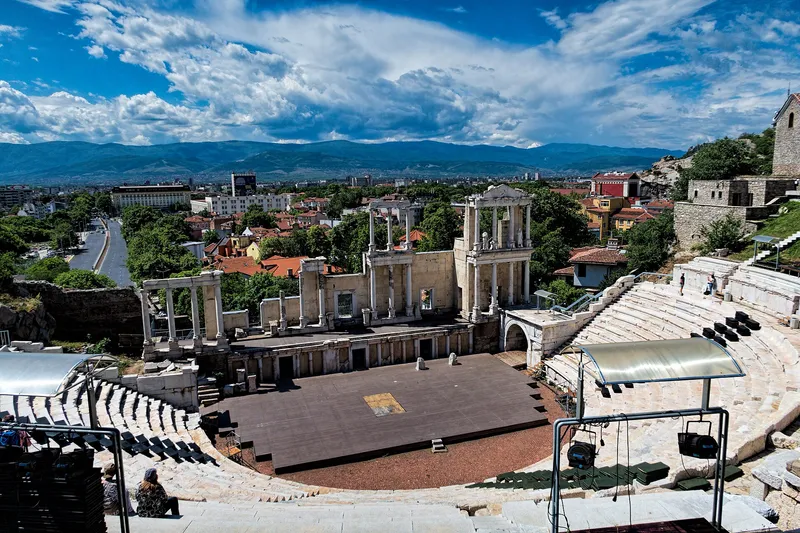
Cycling infrastructure is limited and roads can be rough in places. Ride-hailing is cheap and widely available as a practical alternative. The central bus and railway stations stand side by side north of the centre on the M2 line, which keeps weekend exits simple: Plovdiv is about two hours by coach, and the Rila Monastery has one daily bus from the Ovcha Kupel station in the west of the city. The city's own mountain is closer still, and on weekends bus 66 climbs from the Hladilnika terminal to the Aleko area, where the trails to Cherni Vrah begin.
Sorting transport? Book an airport transfer, or compare car rental on Auto Europe and QEEQ.
Visas and Staying Long-Term
Citizens of the US, UK, Canada, Australia, and most Western countries enter visa-free for up to 90 days within any 180-day period. Bulgaria is now a full Schengen member, with no checks left on its land borders with Greece and Romania, so that allowance is shared with the whole zone rather than counted on its own, the way it was before the country joined.
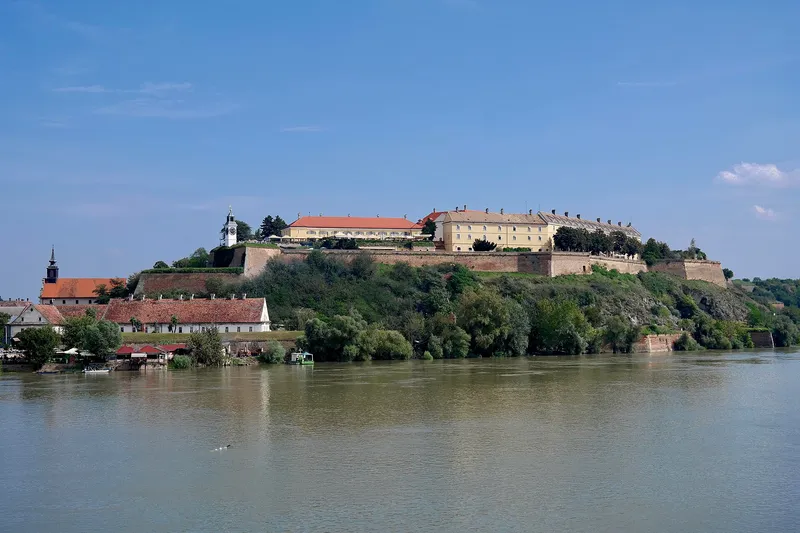
Bulgaria launched a formal digital nomad visa in December 2025. It is open to non-EU/EEA citizens who work remotely for clients or employers outside Bulgaria. Requirements include proof of at least $35,690 annual income (roughly $2,970 per month), a clean criminal record, and proof of Bulgarian accommodation. The visa lasts one year and is renewable for a second year. You apply first for a Type D long-stay visa at a Bulgarian consulate, then for a residence permit within 14 days of arriving. Processing typically takes four to eight weeks. Sofia Airport is where most non-EU arrivals now meet the EU Entry/Exit System, which records your prints and photograph on that first entry and leaves the passport pages blank. Serbia, about an hour west through the Kalotina crossing, is the nearest country whose days fall outside the allowance, and a weekend bus to Nis or Belgrade is logged out and back in by the same system.
Best Time to Visit
Spring (April to June) and early autumn (September to October) are the most comfortable windows. Temperatures sit between 15-25 C, skies are mostly clear, outdoor seating opens up, and the city is at its liveliest without summer heat. These months are the sweet spot for productivity and exploring.
July and August are warm to hot (28-34 C), and the city quiets down as residents leave for the coast. It is workable, especially in air-conditioned coworking spaces, but not peak conditions.
Winter (December to February) is cold, sometimes snowy, and comes with a real air quality problem. Sofia sits in a valley and temperature inversions trap pollution from wood and coal heating. PM2.5 levels in winter are significantly above WHO guidelines. If you have respiratory sensitivities, winter is the season to skip. Sitting at about 550 metres, Sofia cools down after dark in a way Plovdiv and the coast do not, so even the hot weeks of July usually bring nights cool enough to sleep with the windows open.
Pros and Cons
- Very low cost of living for a European capital with good infrastructure
- Fast, affordable internet almost everywhere
- Full Schengen member since January 2025, so days here count toward the same 90/180 allowance as the rest of the zone
- Flat 10% income tax for those establishing tax residency
- Vitosha Mountain is on the city edge, with hiking and skiing within 30-40 minutes
- Growing nomad and startup community with regular events and meetups
- Winter air quality is poor due to heating pollution and valley geography
- English fluency is uneven outside tourist areas and among older generations
- City infrastructure shows its age in places: cracked pavements, older building stock
- Nightlife and dining scene is smaller than capitals like Bucharest or Prague
- Digital nomad visa income threshold is high ($35,690/year) compared to some other countries
Who Sofia Is Best For
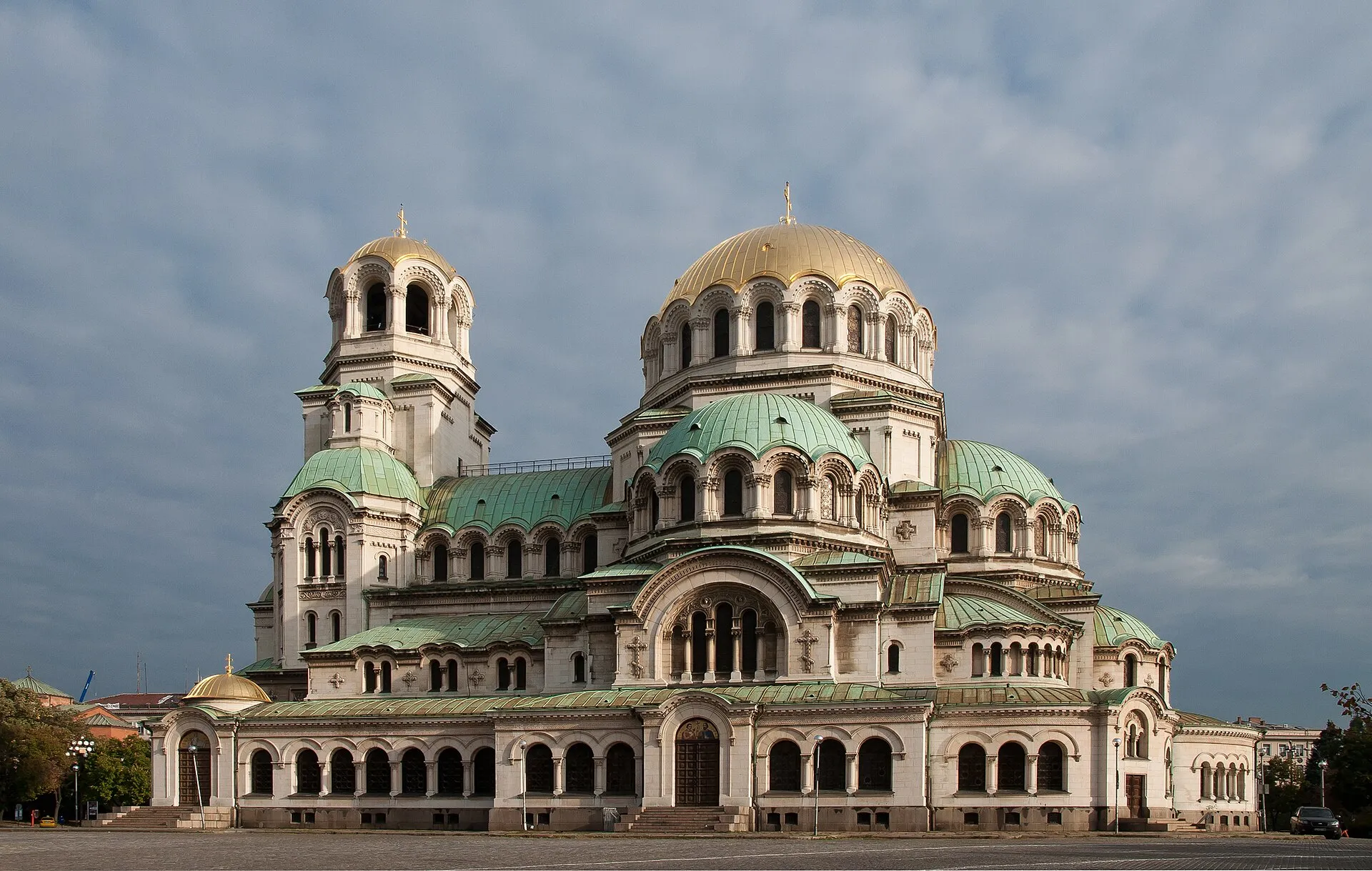
Sofia works best for nomads who want to stretch their budget without leaving Europe. If you are on a monthly income of 2,000-4,000 USD and want to save more while living comfortably, Sofia delivers that. It suits people who appreciate authentic, unhurried city life over trendy expat hubs, and those interested in Bulgarian food, Orthodox architecture, and accessible mountains for weekend hiking.
It is also well-suited for people who want the EU legal framework (easy banking, clear residency rules, safety) without the Western Europe price tag. The digital nomad visa makes longer stays genuinely viable if you meet the income requirement.
Skip Sofia if you want a warm, sunny climate year-round, a large English-speaking social scene, or a city with immediate, obvious charm at street level. Sofia rewards patience and curiosity; it does not sell itself loudly. If you need reliable coworking, low costs, and a solid base with good flight connections across Europe, Sofia is a strong choice. If you are chasing beach weather, nightlife variety, or a curated nomad hub with hundreds of co-located remote workers, look elsewhere.