Cost of Living in Veliko Tarnovo
Real market data
Source: Numbeo · August 2026
$850/moSolo nomad1-bed centre + living costs
$1,250/moCoupleshared 1-bed + costs
$760/moLean / localcheaper area + costs
- 1-bed rent, city centre$360€313
- 1-bed rent, outside centre$270€235
- Monthly costs excl. rent (1 person)$490€428
- Meal, inexpensive restaurant$12€10
- Monthly transit pass$24€20
- Buy price, per m² (centre)$2,490€2,167
Prices are from Numbeo (August 2026), converted to USD at $1 = €0.87 (01 Aug 2026). The monthly living-costs figure is our transparent one-person basket, groceries, a few meals out, utilities, phone, internet, transport and essentials, priced from those figures. Solo adds central rent; couple and lean are estimates from the same numbers.
Veliko Tarnovo is one of Europe's better-value bases, and a remote worker can live comfortably here on roughly $700 to $1,000 a month. Rents are modest by Western standards, especially away from the Old Town's tourist streets, and everyday costs such as groceries, transport and a coffee or a beer stay reassuringly low. Bulgaria switched from the lev to the euro on 1 January 2026, at the long-standing peg of 1.95583, which removed a conversion step for anyone arriving from the eurozone. The large student population keeps prices honest, with cheap canteens, bakeries and markets throughout town. These figures are editorial estimates rather than fixed quotes, and your total will depend on flat size and habits. The changeover had one effect worth budgeting for: prices were rounded, and in a small town they were rounded up more often than down, so figures from before the switch understate a coffee and a lunch by a noticeable margin even though the rent barely moved. The other thing that shapes a budget here is the student economy. The canteens, the bakeries and the second-hand shops exist because several thousand students need them, which is why a town this small has cheaper daily costs than villages half its size elsewhere in the country.
- One-bedroom flat rental: roughly $350 to $500 a month, less for longer stays
- Monthly groceries for one person: roughly $150 to $220
- Coffee or a local beer out: a couple of dollars each
- Coworking desk or fast home internet: modest add-on, often bundled cheaply
Where to Work in Veliko Tarnovo
Veliko Tarnovo is a small town, so your working day tends to revolve around a favourite cafe, your flat, or the occasional coworking desk. The university brings a steady stream of study-friendly cafes with reliable wifi and long opening hours, particularly around the modern centre near Mother Bulgaria square and along Nezavisimost. Formal coworking is limited compared with Sofia, so many nomads rent a flat with good fibre and treat the town's cafes as their second office. Views help: several terraces look out over the Yantra gorge and the stacked houses. Bring a backup mobile hotspot for video calls, and scout a quiet cafe early in your stay. Behind the local picture sit two national facts. The country has some of the fastest and cheapest fixed broadband in Europe, which is a genuine competitive advantage and the reason a town this size has connections a much larger place elsewhere would envy. And it has a substantial software industry, so the university here turns out programmers and a surprising number of the people in the cafes with laptops are locals working remotely rather than visitors. Locally, the terrain is the constraint: the town is stacked on a slope, and a flat two streets uphill from a cafe is a climb rather than a stroll.
Getting Around Veliko Tarnovo
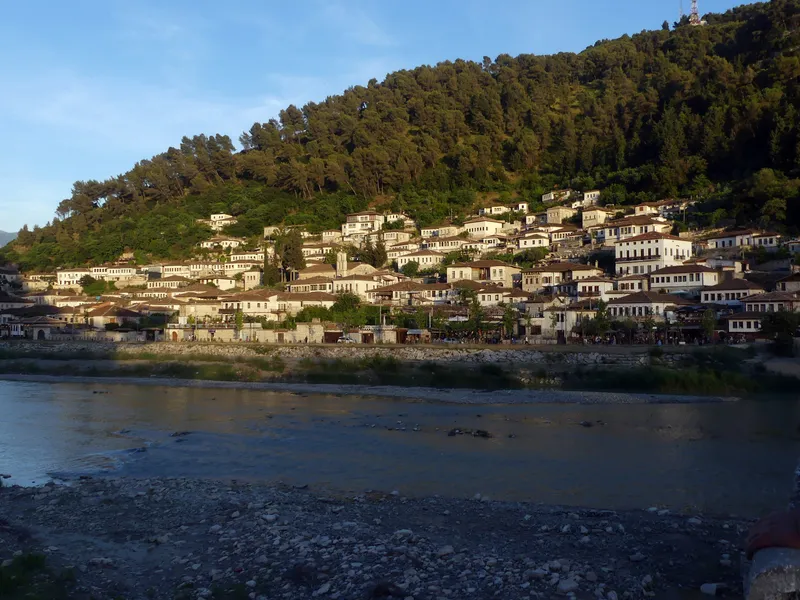
Veliko Tarnovo is compact and best explored on foot, though be warned that it is dramatically hilly, with old houses stacked up steep slopes above a horseshoe bend of the Yantra river. Comfortable shoes matter more than a car here. Local buses cover the longer or steeper routes and reach outlying districts, and taxis are cheap for the odd late trip. The town sits roughly midway between Sofia and the Black Sea coast, on both bus and rail routes, so weekend escapes are easy. The nearest useful railway hub is Gorna Oryahovitsa, a short ride away, with onward connections across Bulgaria and beyond. The trains come with two warnings. The network is slow by European standards, with a journey to the capital taking longer by rail than by road, so the coach is usually the better choice despite being less comfortable. And the station that serves this town is not in it, which means every rail journey has a bus leg at each end and a connection to miss. For the coast, the bus is faster and more frequent. Within the town, the thing to understand is that the streets run along the contour rather than across it, so the short route on a map is often a staircase.
Sorting transport? Book an airport transfer, or compare car rental on Auto Europe and QEEQ.
Visas for Veliko Tarnovo
Bulgaria is a member of the European Union and has now joined the Schengen area, which changes how time on the continent is counted. Many visitors arrive visa-free for short stays, while EU and EEA citizens may live and work freely. For longer bases, Bulgaria offers residence routes that can suit remote workers and the self-employed, though the paperwork rewards patience and often a local lawyer or accountant. Joining the zone had a consequence worth spelling out, because it changed the calculus for a lot of people. Days spent here now count against the same allowance as days in France or Spain, where before they did not, so the country's old role as a place to park between stays elsewhere has disappeared. Anyone who was using it that way needs a different plan. The residence route is unusually accessible by regional standards and the self-employment category is the one most remote workers use, but it wants a registered local activity rather than a foreign contract, which is the part people miss. Turkey is the nearest country whose days sit outside that allowance, a long coach ride south-east to Edirne or Istanbul, and the EES now records the exit and return at Kapitan Andreevo by fingerprint, so the arithmetic is done by the system rather than by an officer counting stamps.
Best Time to Visit Veliko Tarnovo
Veliko Tarnovo has a humid continental climate, with warm summers and cold winters, so the shoulder seasons are the sweet spot. Late spring, from May into June, brings green hillsides, comfortable walking weather and the town at its most photogenic above the river. Early autumn, September and October, is similarly pleasant, with mild days and thinning crowds. High summer can be hot and busy around the Tsarevets fortress, while winter turns cold and quiet, with occasional snow dusting the stacked rooftops. If you enjoy atmosphere over sunshine, the low season has its own charm and the cheapest long-stay rents. The local calendar has two entries worth the diary. The fortress above the town runs a sound-and-light show on set evenings through the season, with the whole hill lit and the bells going, which is genuinely worth staying up for and is free from several viewpoints. And the student year turns the town on and off: through the academic year there are several thousand young people here and a nightlife to match, and through the summer they are gone and the place feels like a different, quieter town. Pick your season according to which of those you want.
Pros and Cons of Veliko Tarnovo
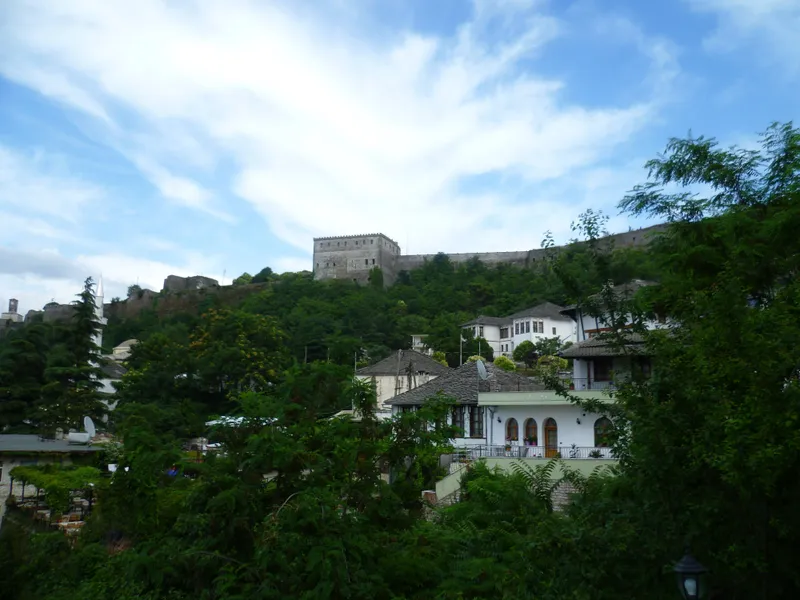
Veliko Tarnovo rewards nomads who value character, history and a low cost of living over big-city convenience. As the medieval capital of the Second Bulgarian Empire, it wears its heritage openly, from the Tsarevets fortress to the historic Samovodska Charshia craft street and the Asenevtsi monument. It is affordable, safe and walkable, with a lively student scene. The trade-offs are real, though: it is small, the coworking and international community is thin, and the steep terrain and cold winters will not suit everyone. Weigh it as a characterful, budget-friendly base rather than a fully built-out nomad hub. The shape of the place is the actual reason people fall for it. The river makes a near-complete loop around a rock, and the town is built on the outside of that loop in tiers, so from almost any window you are looking across a gorge at other people's roofs and at a fortress on the opposite hill. It is not a pretty town with a view; the view is the town. That does mean stairs, ice in January and a removal van that cannot reach your door. Worth saying plainly too that the students keep this place alive, and a foreigner here in July, with the university shut, is somewhere much quieter than the photographs sold.
- Pros: very affordable; rich medieval history and dramatic river-gorge setting; safe and walkable; lively university-town energy
- Cons: small with a thin nomad community; limited formal coworking; very hilly terrain; cold, quiet winters
Who Veliko Tarnovo Is For
Veliko Tarnovo suits the independent, budget-conscious remote worker who prefers atmosphere, history and quiet over nightlife and a large expat crowd. If you can work happily from a flat or a favourite cafe, you will love the stacked old houses, the fortress views and the affordable, unhurried pace. It is ideal for writers, developers and long-stay slow travellers who want a characterful European base between Sofia and the Black Sea. It is less suited to those who need a busy coworking scene, a big international community or constant events. Come for the setting and the value, and stay for the calm. On length: a year is realistic here, because the cost is low enough that the decision is cheap to reverse and the university keeps enough going that the winter is survivable. Take a flat on the newer side of town rather than in the old streets if you value flat ground and a supermarket, and accept that you will walk up to the views rather than live among them. And take the bus out to the mountain villages within the first fortnight; the countryside within an hour of here is the part that most visitors never see and is the strongest argument for staying past a month.