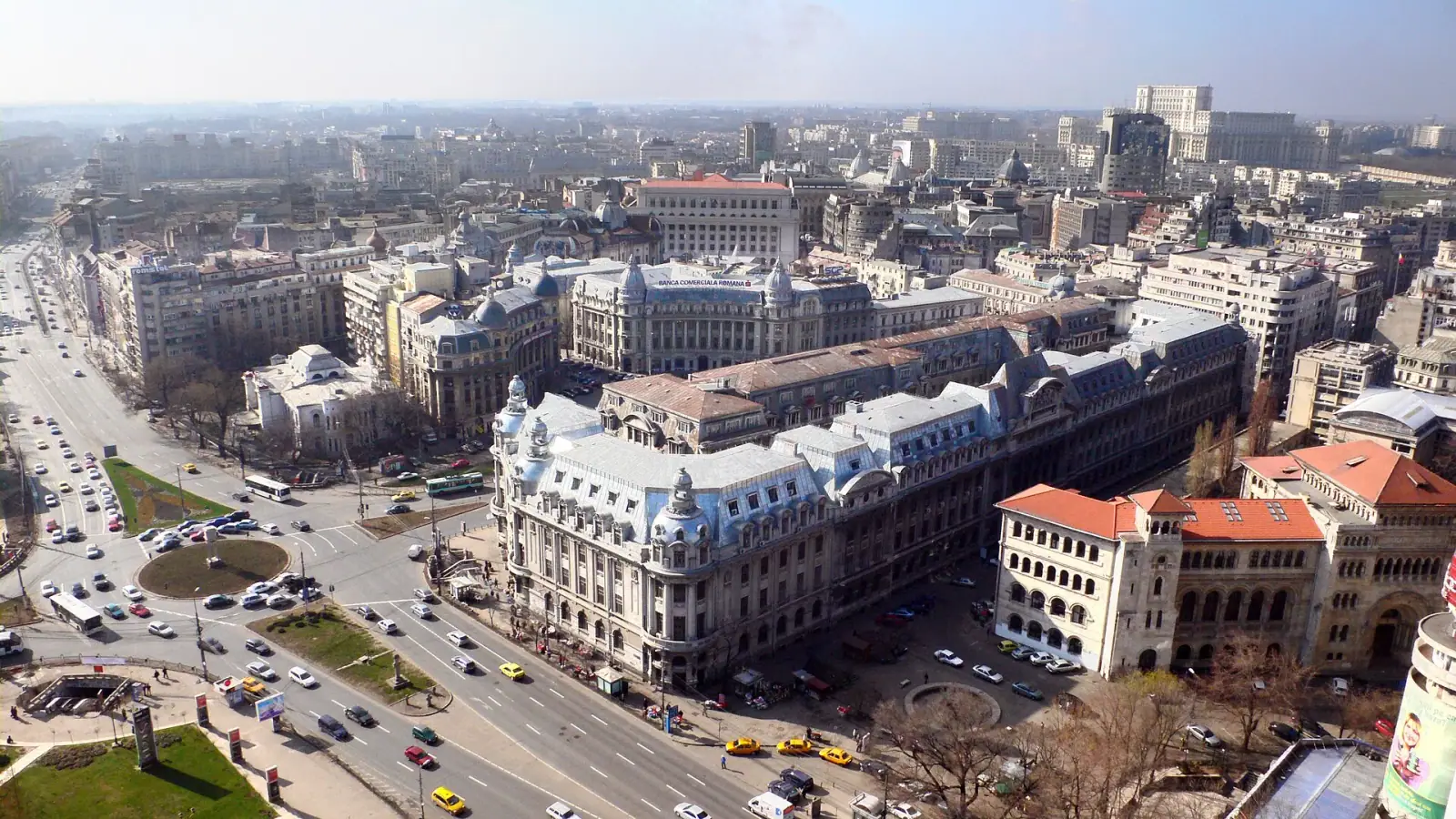
 Bucharest
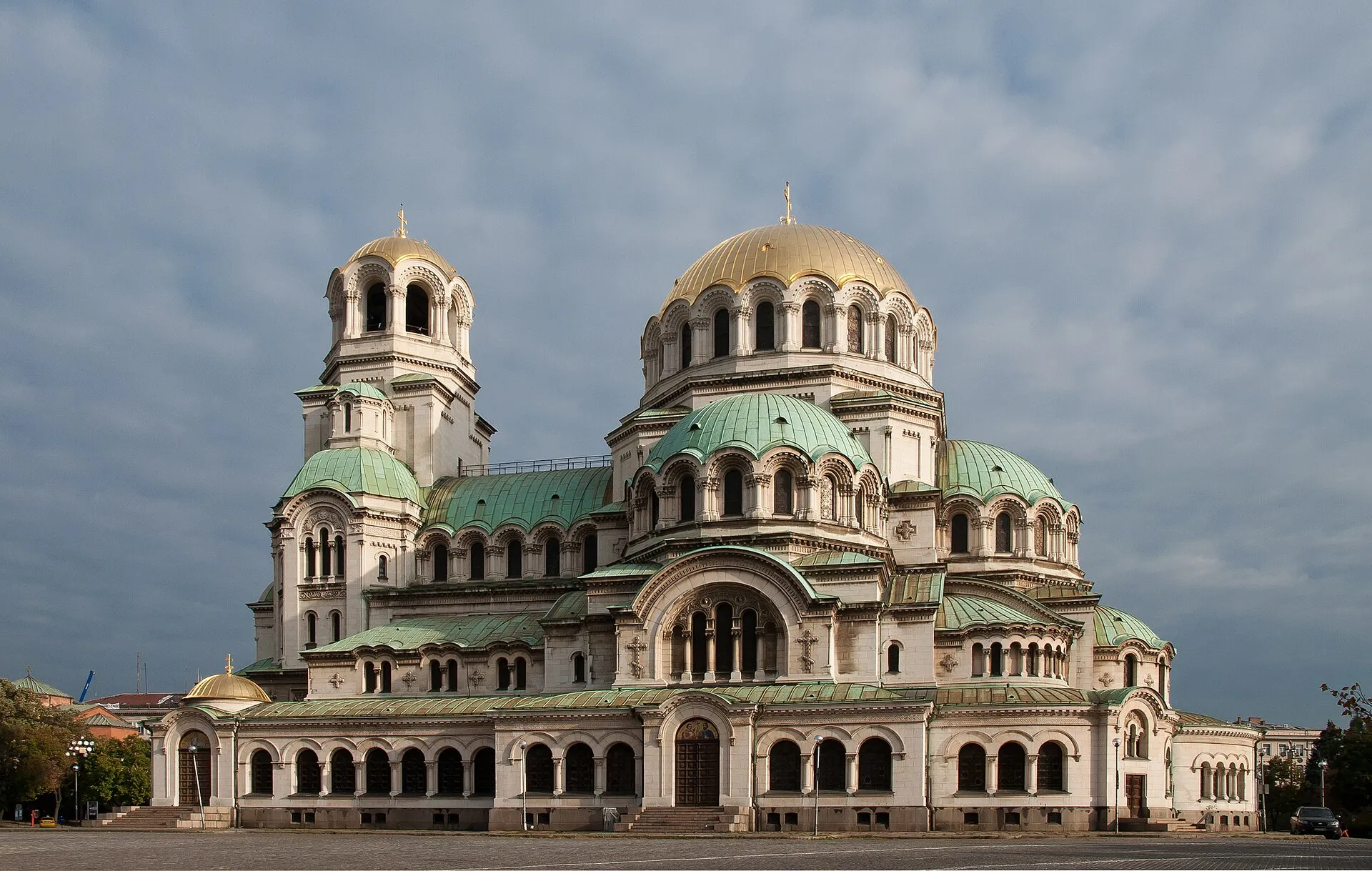
 Sofia
Neither of these capitals really has a tourist season, and that is the most useful thing to know about them. Neither has a beach or a famous summer to fill it up, and there is no long August crush to wait out. Whoever you see on a wet Tuesday in February is who lives there all year: office workers on the metro, students on their way to lectures, people going home with shopping. So when you choose between the two, you are mostly choosing your neighbours, and they differ more than the maps suggest.
The people in the offices
Bucharest is a very big employer. About 186,000 firms have their headquarters here, including nearly every large Romanian company, and it is the country's main centre for IT. UiPath began here in 2005 before moving its head office to New York in 2017. So many of your neighbours will be in offices, and a lot of them drive: more than 1.1 million cars were registered here back in 2013, and rush hour shows it. In the evening the restored Old Town around Lipscani, the heart of the city's nightlife, takes over. With about 1.7 million people, it has the anonymity of a serious capital, and home internet among the fastest in the world.
Sofia's office crowd is smaller and more concentrated on software. The IT sector employs around 50,000 people, in a city of about 1.24 million, and Coca-Cola, Ubisoft, Bosch and VMware are all in town. Business Park Sofia and Sofia Tech Park are less exciting than they sound, but they give the city a settled population of engineers. Foreign remote workers are thinner on the ground, because so many of them went to the ski town you can read about in our Bansko and Sofia comparison.
The students
Here Sofia surprises people. More than 105,000 university students live in the city, which means roughly one resident in twelve, and its Medical University adds a small, unexpected group from abroad: about 800 foreign students taught in English, with Greeks, Germans and Britons the largest groups among the medics. Many of the Germans come because places at home are so hard to win. You might not expect that accent mix in a Bulgarian capital in winter.
Bucharest has plenty of students too, including foreign ones at Carol Davila, which teaches in English and French. They are simply less visible in a much larger city.
Who stays in summer and winter
July and August are when you find out what Bucharest residents think of Bucharest. Temperatures can reach 35 to 40°C, and the city partly empties towards the coast and the mountains. Sofia's people have a shorter escape. Vitosha rises directly behind the city, so a Saturday hike or a winter ski run does not need a plan. On the other hand, in the heating season the basin holds the smoke, and Sofia's particulate readings have been among the worst in Europe.
Both countries have been through more change lately than a sleepy image suggests. Bulgaria adopted the euro on 1 January 2026, weeks after huge street protests over the budget brought down its government, and a former president won an absolute majority in April. Romania keeps the leu. The bills are close, though: we put a month at about $1,600 in Sofia and about $1,800 in Bucharest, too near for money to decide this.
Our view, and one warning
We lean towards Sofia if you will be happy with a smaller scene and want to walk up a mountain on your day off. For nightlife, restaurants and the feeling of living among two million people who are all busy, Sofia cannot keep up, and Bucharest is the better capital to be young and working in.
If you do go to Bucharest, look hard at the building before you fall for the balcony. The earthquake of 4 March 1977 killed more than 1,400 people there, and most of the blocks that fell were built between the wars, along the same handsome boulevards that attract you now. The city still lists more than 400 buildings in its highest seismic risk class, known locally by the red disc on the front. Ask for the risk class before you sign, and walk away if the landlord does not know.
 United States
 United Kingdom
 Germany
 Canada
 Australia
 India