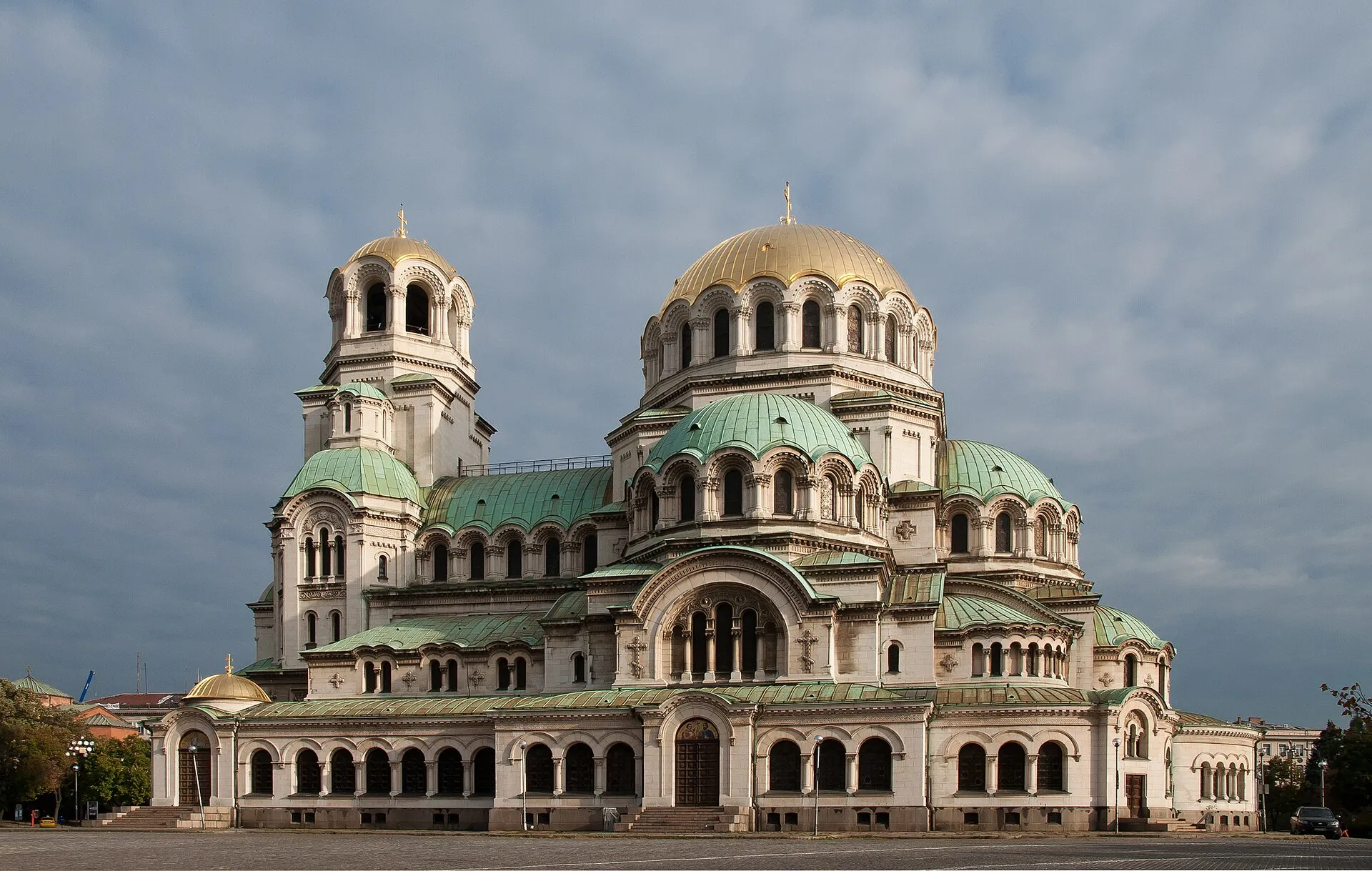
 Sofia
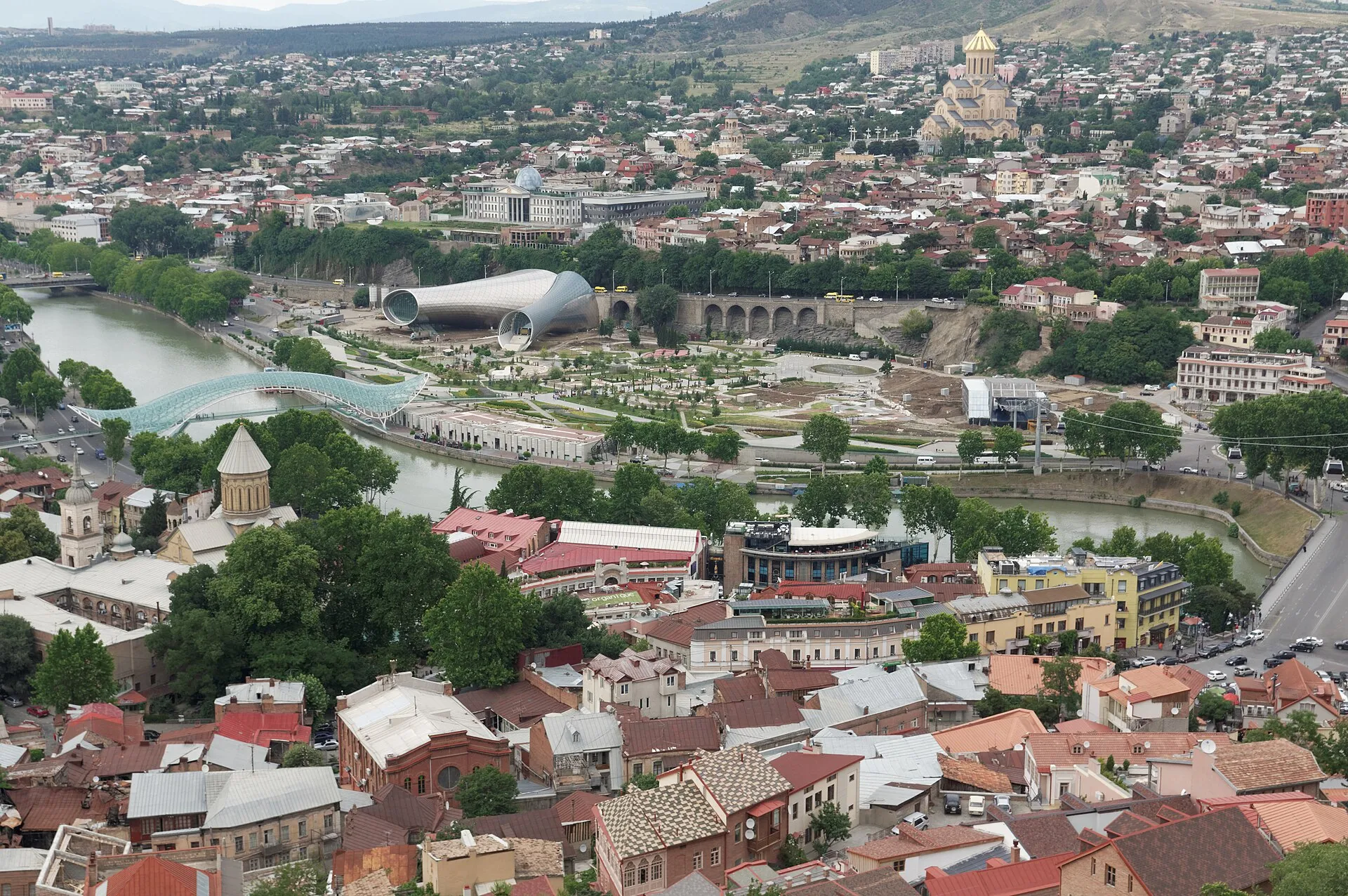
 Tbilisi
Both of these capitals grew up around hot water. In Tbilisi, it is in the name, from the Georgian word for warm, and you can still smell the sulphur around the brick domes of Abanotubani. In Sofia, people fill plastic bottles at public taps of hot mineral water beside the old Central Baths, an everyday habit in the middle of a capital. And both, by our reckoning, will cost you about the same: around $1,600 a month.
So let us look at the thing that actually separates them, using one example. Say you hold a US passport and would like to spend the next twelve months somewhere cheap and interesting.
Sofia, day 91
Since Bulgaria joined the Schengen area fully in 2025, your time there counts towards the same 90 days in any 180 that apply across most of Europe. On day 91, you need to be somewhere else, or holding a residence permit you arranged well in advance. For someone with an EU passport, none of this matters, and Sofia becomes a very good deal: euros in your pocket since 2026, a clean metro, cheap flights all over Europe, and a mountain, Vitosha, at the end of the tram line.
Tbilisi, day 91
In Tbilisi, day 91 is the same as day 90. Georgia lets many nationalities stay for a full year without a visa, and that single rule built the city's foreign community. It is why you can walk into a café in Vera on a Monday morning and find a table of people who have been here for two years, and why it is so easy to have dinner plans by the end of your first week.
That dinner is a good reason to stay in itself. A khachapuri with an egg in it, a plate of khinkali you eat by hand, a jug of amber wine made in a clay jar buried in the ground: Sofia has nothing to match it, and Bulgarians might be the first to admit it.
What you give up
Living outside the EU has a price. Tbilisi's streets have seen large protests on Rustaveli Avenue since late 2024, and Georgia's relations with Europe have become uncertain. Rents rose steeply after arrivals from Russia in 2022 and have not really come back down. The lari moves, flights to Western Europe can leave at uncomfortable hours, and your connection will depend heavily on your building.
Sofia offers none of that drama, and not much of anything else that would make you write home. It is grey for long stretches of winter, and the air in January can be bad. The remote-work crowd is thin, because most of it went to the ski town of Bansko, about three hours south. What it has instead is a solid tech industry, working hospitals and a quiet sense that things will still be the same next year.
If you are European and want a sensible base, take Sofia and enjoy the savings. If your passport limits you to 90 days, or you are simply tired of eating alone, Tbilisi remains one of the easiest places in the world to land.
 United States
 United Kingdom
 Germany
 Canada
 Australia
 India