Cost of Living in Niš
Real market data
Source: Numbeo · August 2026
$860/moSolo nomad1-bed centre + living costs
$1,230/moCoupleshared 1-bed + costs
$740/moLean / localcheaper area + costs
- 1-bed rent, city centre$400din41,078
- 1-bed rent, outside centre$290din29,251
- Monthly costs excl. rent (1 person)$460din46,729
- Meal, inexpensive restaurant$9din900
- Buy price, per m² (centre)$2,610din265,876
Prices are from Numbeo (August 2026), converted to USD at $1 = din102.04 (01 Aug 2026). The monthly living-costs figure is our transparent one-person basket, groceries, a few meals out, utilities, phone, internet, transport and essentials, priced from those figures. Solo adds central rent; couple and lean are estimates from the same numbers.
Budget roughly $860 a month as a solo remote worker in Niš, which makes it one of the cheapest cities in Europe outside Ukraine and Moldova. A one-bedroom apartment near the centre or the fortress runs about $250 to $370, and the outer blocks drop that to $180 to $260. Groceries land around $160 to $210, with the green market well below supermarket prices. A burek breakfast is under $2, a lunch $4 to $6, and a proper dinner of grilled meat with rakija $10 to $16. Serbian food is generous and cheap. A monthly transit pass is about $12. Utilities add $70 to $140, higher in winter. Serbia is not in the eurozone, so budget in dinar and watch the rate.
Where to Work in Niš
Niš has a genuine and growing technology sector, seeded by the university's electronics faculty and by outsourcing firms, and the coworking supply reflects it, at roughly $70 to $120 a month. The other members are Serbian developers rather than visiting nomads, which some people prefer. Serbian internet is fast and very cheap by European standards, and mobile data is inexpensive with good coverage. Cafes are the real institution here: Serbian cafe culture is unhurried to a degree that suits laptop work, and the pedestrianised Obrenovićeva and the streets around it have plenty. English is common among the young and in the technology sector, less so elsewhere. Cyrillic and Latin script are both in use. A science and technology park opened beside the university a few years ago and gave the local firms somewhere to grow into, which is a rare thing to find outside a capital in this part of the continent. Pay in the sector is quoted in euros even though nothing else is, so the developers you share a desk with are insulated from the currency in a way their neighbours are not. Working hours run from late morning into the early evening, and a meeting proposed for nine will be met with mild surprise.
Getting Around Niš
Niš is flat and compact, and the centre, the fortress across the river and the main pedestrian streets are all within a fifteen-minute walk. City buses cover the rest cheaply with a monthly pass around $12. Most residents walk or use taxis, which are metered and very cheap. The city sits on the main corridor through the Balkans, so long-distance buses reach Belgrade in about three hours, Skopje in three and Sofia in three and a half, all frequently. Niš Constantine the Great Airport has a growing list of budget European routes and is 4km from the centre, which is unusually convenient. The railway is slow and not the practical choice. The motorway that runs past the city is tolled and the booths take cards, and the northbound run is the fastest stretch of road in the country by some margin. East towards the border the road climbs through a gorge and slows right down, which is why the bus takes longer in that direction than the distance suggests. In town the riverbank has been made into a continuous path and is the one piece of cycling infrastructure worth having, since the traffic on the through roads leaves no room for a bicycle at all.
Sorting transport? Book an airport transfer, or compare car rental on Auto Europe and QEEQ.
Visas for Niš
Serbia is not in the European Union or the Schengen area, which is the most useful thing about it for anyone who has used up their Schengen allowance. Most Western passports, including EU, UK, US, Canadian and Australian, get 90 days visa-free in any 180-day period, and the clock is entirely separate from Schengen's. Serbia introduced a digital nomad arrangement exempting qualifying foreign remote workers from personal income tax for a defined period, and the residence process, the boravak, is comparatively straightforward by regional standards, though it is conducted in Serbian and an agent helps. Company registration is also common and inexpensive, and Serbia's flat tax rates are modest. Registering as a flat-rate sole trader is the arrangement most foreign freelancers here end up with, since tax is assessed against an assumed turnover rather than against the books. The catch is an independence test brought in a few years ago: a sole trader whose income comes overwhelmingly from one foreign client can be reclassified and taxed as that client's own employee, which is exactly the shape most remote contracts take. A recent change to the law lets temporary residence be granted for up to three years at once, and folds the residence and work approvals into a single application.
Best Time to Visit Niš
May, June and September are the best months in Niš: warm, dry and comfortable, with the terraces full and the fortress grounds at their most pleasant. Summer is hot, regularly into the mid thirties in July and August, and the city empties towards the mountains and the coast; the heat in the Nišava valley is dry but persistent. Nišville, the international jazz festival held inside the fortress in August, is the year's landmark event and worth planning around. Autumn is long and mild through October. Winter is cold, grey and damp rather than snowy, with temperatures around freezing, and air quality dips as domestic heating comes on. For a few weeks each autumn every balcony in the city is roasting peppers over gas rings for ajvar, a household production line rather than a hobby, and the smell of it carries several streets. The slava season runs through the cold months, when families mark a patron saint with an open house, and an invitation to one is the fastest way into a social circle that is otherwise closed to outsiders. The valley traps cold air under warm, which is why a frosty morning here often stays frosty while the hills above are clear and mild.
Pros and Cons of Niš
Niš is among the best value in Europe: a real city of a quarter of a million with a technology sector, a university, an Ottoman fortress in the middle and an airport with budget routes, at prices that undercut anywhere in the European Union. Serbia's 90 days sit outside the Schengen clock, which matters a great deal to non-EU nomads. The food is excellent and enormous, and people are notably welcoming. The city is worn in places and public investment has been uneven for years. Winter air quality is poor. There is a small technology-adjacent foreign presence but no nomad scene as such, and English thins quickly outside it. Serbian is demanding and uses two alphabets.
Who Niš Is For
Spending as little as possible in Europe without giving up a functioning city, and a place outside Schengen to reset the clock. Developers who would sooner share a space with local engineers than with other foreigners are exactly who this suits. Serbian company registration is worth looking into, and Belgrade, Sofia and Skopje all sit within a few hours of here by road, which is a rare position in the Balkans. Solo workers and couples both find the size manageable. English thins out fast, the winter air is genuinely poor, the nearest sea is in another country, and no ready-made community exists here to arrive into. Belgrade is three hours north and has the scene, at roughly half again the cost.
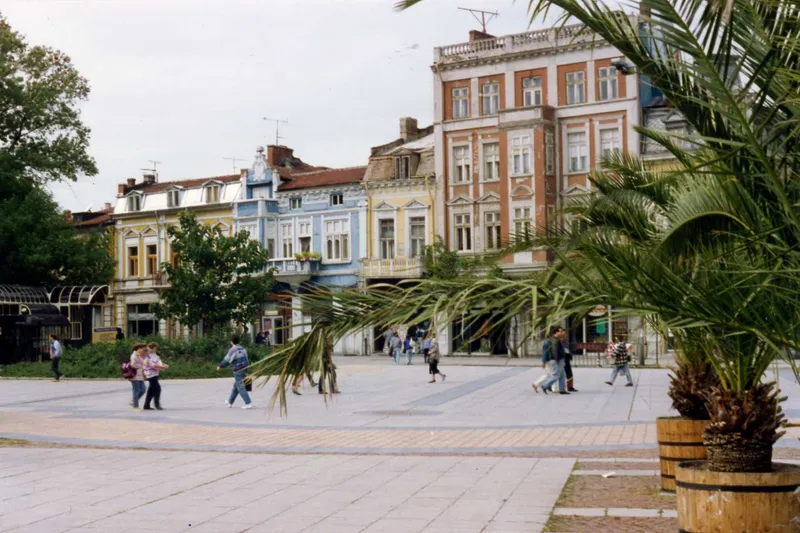
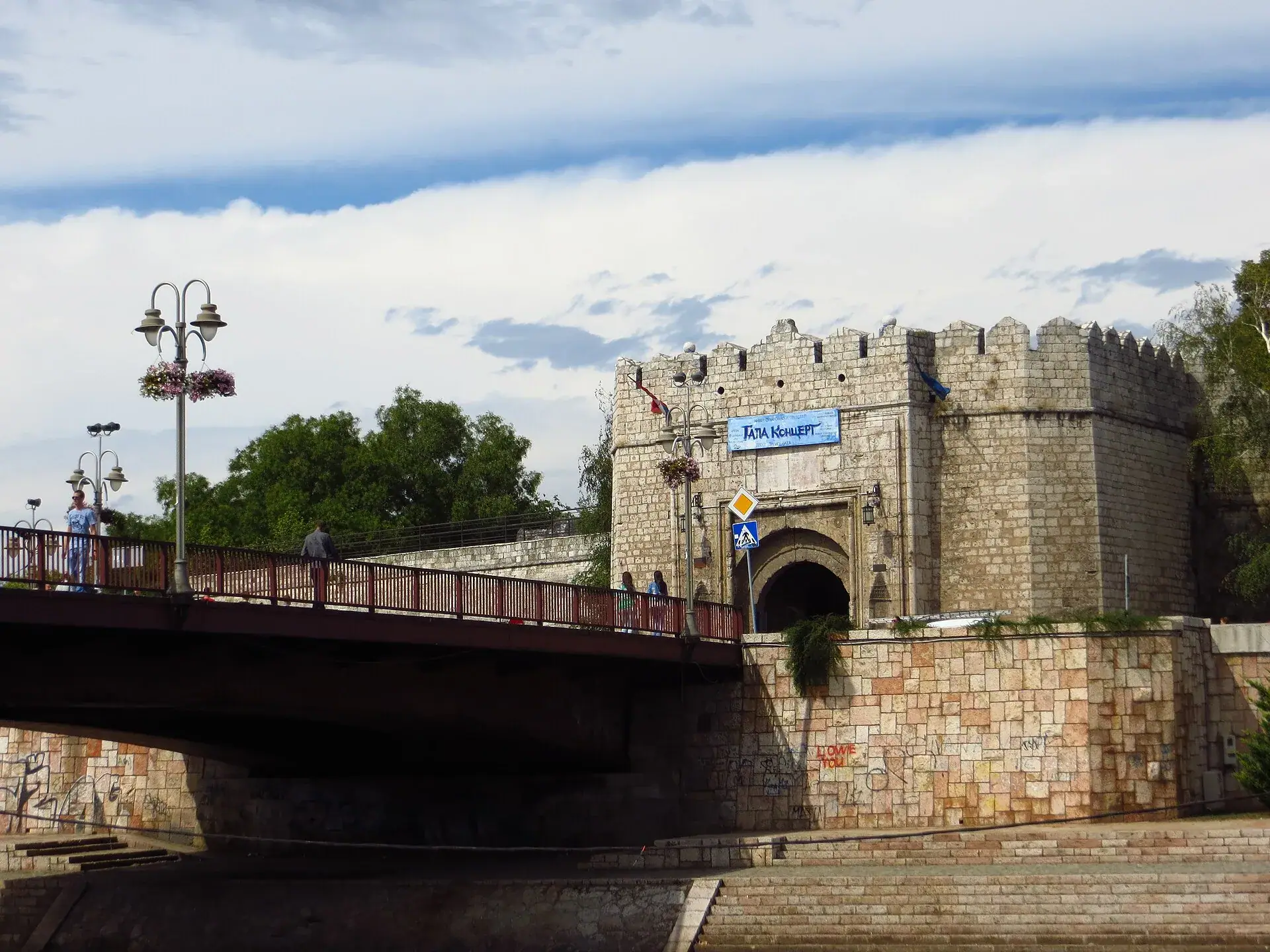 Photo: J tomic m / Wikimedia Commons (CC BY-SA 3.0)