Cost of Living in Novi Sad
Real market data
Source: Numbeo · August 2026
$1,160/moSolo nomad1-bed centre + living costs
$1,690/moCoupleshared 1-bed + costs
$1,070/moLean / localcheaper area + costs
- 1-bed rent, city centre$510din52,258
- 1-bed rent, outside centre$420din42,943
- Monthly costs excl. rent (1 person)$650din66,504
- Meal, inexpensive restaurant$12din1,200
- Monthly transit pass$25din2,566
- Buy price, per m² (centre)$3,720din379,658
Prices are from Numbeo (August 2026), converted to USD at $1 = din102.04 (01 Aug 2026). The monthly living-costs figure is our transparent one-person basket, groceries, a few meals out, utilities, phone, internet, transport and essentials, priced from those figures. Solo adds central rent; couple and lean are estimates from the same numbers. The guide below quotes its own monthly range, which is a different measurement rather than a competing one: this table prices a defined basket at the figures above, while that range is a judgement about how somebody actually lives here.
Novi Sad runs roughly 25-35% cheaper than Belgrade across the board, making it one of the most affordable mid-sized cities in Central Europe. Here is what you can realistically expect to spend each month.
- Rent, central apartment (1BR): $570-685
- Rent, outer neighborhoods (1BR): $390-510
- Groceries: $245-345
- Eating out (mid-range, daily lunch + occasional dinner): $175-275
- Coworking hot-desk: $125-165/month
- Local transport: City buses are inexpensive, with single rides around $1; many residents walk or cycle the compact centre
- Monthly total range (comfortable solo): $1,130-1,710
A coffee in a cafe costs $1.50-2.50. A lunch in a sit-down local restaurant runs $8-12. At the lower end of that budget range you will eat, drink, and live well.
Where to Work
Novi Sad has a small but solid set of coworking spaces, and a strong cafe culture that tolerates laptop workers during off-peak hours.
Dedicated coworking
- Startit Centar Novi Sad (Miroslava Antica 2, city centre): the most established option, part of a national network supporting the local tech community. Staff are friendly and prices are low; the physical space is functional rather than polished.
- Complex Hub (Trg Feher Ferenca 7): central location, 1Gb fibre, private offices and open desks, daily rates around $14.
- Salonac Coworking (Bulevar Mihajla Pupina 11): between Dunavski Park and the Cathedral, 1Gb connection, 24-hour access, complementary coffee.
Cafe work culture
Working from cafes is normal here, especially near the university. Venues like Pogon Coffee (Dunavska 7) and Kafka (Trg republike) are popular with students and freelancers. Expect reliable WiFi in most modern cafes; older or smaller spots can be hit-or-miss. Arrive before 11am for a reliable seat during weekdays.
WiFi situation
Residential fibre in Novi Sad is fast and cheap, with gigabit packages available for $23-40 a month. Coworking spaces uniformly advertise 1Gb connections. Cafe WiFi is generally adequate for video calls but speeds vary. A local SIM with data (Telekom Srbija or A1) costs around $9-17 per month and makes a solid backup.
Getting Around
The old city centre is walkable in 20-25 minutes end to end. Most cafes, coworking spaces, restaurants, and the Danube riverfront are reachable on foot from a central apartment. Biking is viable and growing; the city has added dedicated lanes in recent years.
City buses (JGSP Novi Sad) cover about 60 routes reaching all neighborhoods and suburbs. Single tickets cost around $1 (under $1) bought from the driver. A monthly pass is a fraction of what you would pay in Western Europe. There are no trams currently; buses are the main transit system.
Getting to the airport: Novi Sad does not have its own commercial airport. The nearest is Belgrade Nikola Tesla Airport (BEG), about 80-90 km south. The most practical route is a bus from Novi Sad's main bus station to Belgrade city centre (1.5 hours, around $6), then a taxi or the A1 minibus to the airport. Private shuttle transfers from Novi Sad directly to BEG run around $46-69 and can be booked in advance. Budget roughly 2-2.5 hours door-to-gate on travel days.
Sorting transport? Book an airport transfer, or compare car rental on Auto Europe and QEEQ.
Visas and Staying Long-Term
Serbia is not in the Schengen Area, so its entry rules are entirely separate. Most Western passport holders (EU, US, UK, Canada, Australia and many others) can enter Serbia visa-free and stay up to 90 days within any 180-day period. Holders of a valid Schengen, US, or UK visa may also qualify for visa-free entry even from countries not normally on the list.
Serbia has no branded digital nomad visa, but the Self-Employment Temporary Residence Permit functions as the practical equivalent. You register a sole-trader business (preduzetnik), demonstrate income of at least $4,030 per month over the previous six months, and can receive a permit valid 1-3 years, renewable. Processing takes around 30 days and is typically done through an immigration lawyer in Novi Sad or Belgrade.
After the initial 90 visa-free days, simple border runs (to Croatia, Hungary, or North Macedonia) reset the counter for some passport holders, though Serbia is tightening enforcement; this is not a guaranteed long-term strategy.
Best Time to Visit
Novi Sad has a continental climate: hot summers, cold winters, and pleasant springs and autumns. For remote work combined with an enjoyable outdoor life, the clearest windows are April through June and September through October.
- Spring (April-May): Mild temperatures (15-22C), green riverbanks, outdoor cafe seating opens up, uncrowded.
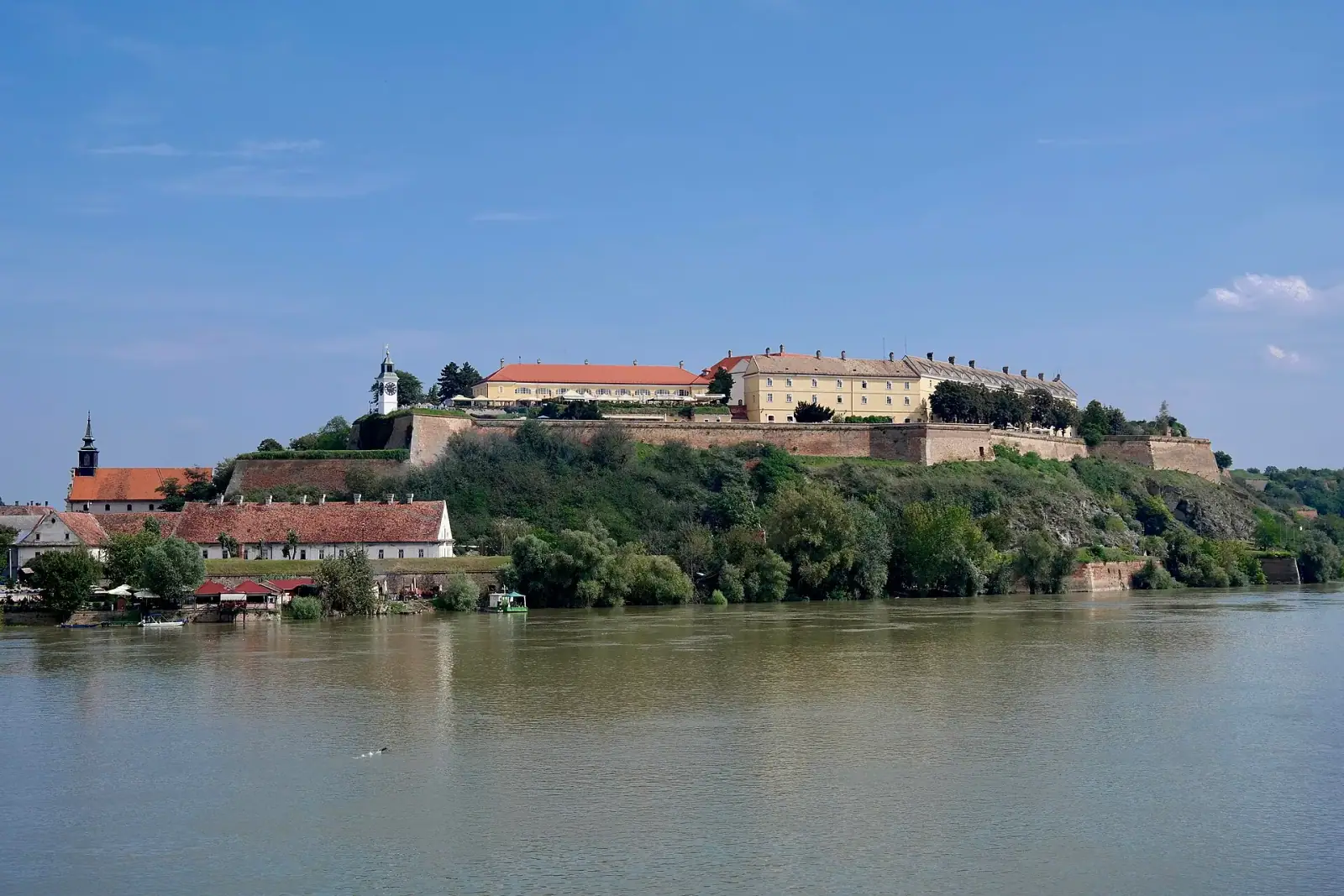
- Early summer (June): Warm and lively; EXIT Festival usually runs in late June or early July at Petrovaradin Fortress and draws a large international crowd.
- High summer (July-August): Can be genuinely hot (30-35C), which strains older buildings without AC. Accommodation prices rise during EXIT Festival week.
- Autumn (September-October): Arguably the best overall window: warm enough to sit outside, little rain, comfortable working temperatures, far fewer tourists.
- Winter (November-March): Cold, gray, and occasionally foggy. Perfectly workable as a base but Novi Sad offers less outdoors appeal in these months.
Pros and Cons
- Low cost of living with a high quality of everyday life
- Fast, affordable residential internet and growing coworking infrastructure
- Walkable, human-scaled city that is easy to navigate without a car
- Genuine cafe culture and good food scene relative to the price
- Strong tech and creative community through Startit and EXIT-related networks
- Safe, low-stress environment with a relaxed pace compared to capitals
- No dedicated nomad visa; the 90-day limit is a real constraint for long stays
- No commercial airport nearby; every flight involves a trip to Belgrade
- Smaller international community than Belgrade; English is less universal outside the centre
- Hot summers without AC can make older apartments uncomfortable
- Ongoing political protests related to the 2024 train station collapse have caused periodic disruptions across Serbia
- Limited direct flight options even via BEG compared to Western European hubs
Who Novi Sad Is Best For
Novi Sad suits remote workers who want a genuine European city at significantly below-average cost, without the frenetic pace of a capital. You will get the most out of it if you value walkability, a lively but manageable social scene, and access to nature (the Fruska Gora hills and the Danube are both close). It works particularly well for people on a mid-range budget of 1,000-1,500 USD a month who want to live comfortably rather than frugally.
Creatives, tech freelancers, and anyone who appreciates Central European cafe culture will find easy footing here. The city is also a strong choice if you plan to attend EXIT Festival and want to be based close without Belgrade prices.
You may want to skip Novi Sad if you need a large English-speaking nomad community on hand, rely on frequent international flights, or want the range of coworking options and nightlife variety that only a capital can offer. It is also not ideal if you want to stay more than 90 days without committing to the self-employment registration process.