Cost of Living in Sucre
Where this figure comes from. No cost survey covers Sucre, so the $900 a month above is our own estimate rather than a measurement. On 416 of our 999 city guides the figure is built from a published Numbeo basket, a one-bedroom rent in the centre plus one person's monthly costs without rent, converted to USD; this city is not one of them. How we source everything.
Sucre is one of South America's most affordable cities for remote workers. The Boliviano (BOB) is the local currency; 1 USD buys roughly 6.9 BOB at the official rate.
- Rent, central area (Plaza 25 de Mayo, Centro Historico): $120-180/month for a furnished one-bedroom
- Rent, quieter residential areas (La Recoleta, surrounding barrios): $78-120/month
- Groceries (cooking most meals): $61-87/month
- Eating out (mix of local markets and mid-range restaurants): $61-105/month
- Coworking hot-desk: $87-130/month
- Local transport (microbuses at under $1 per ride, occasional taxis): $13-22/month
Realistic monthly total: $305-480 covers a comfortable nomad lifestyle with coworking included. You can live more frugally on $215 if you cook at home and rely on cafes for work.
Where to Work
Sucre's coworking scene is small but growing. Kaizen Cowork on German Mendoza is the most established dedicated space, offering wired Ethernet, auxiliary monitors, and coffee, with private offices available for calls. It sits about five minutes from the center by taxi. Coffee Bike on Espana 66 runs a dedicated upstairs coworking floor with charging stations, good coffee, and reliable WiFi, making it one of the most popular spots for remote workers who prefer a cafe atmosphere.
Other solid working cafes include Typica (Bolivar 401), rated among the world's top specialty coffee shops with good WiFi and calm indoor seating, and Time and Coffee on Parque Simon Bolivar, which has a large communal table well suited to long sessions. Paradiso Bakehouse and Somos (near the hospital district) are worth knowing as backups.
WiFi in Sucre is adequate for video calls at most coworking spaces and well-regarded cafes, but patchy in cheaper accommodation and street-level restaurants. Fiber is available in some buildings, though citywide connections are slow. Buy a local SIM from Tigo or Entel for a 4G backup. Outages do happen, so plan critical calls from a coworking space rather than your apartment.
Getting Around
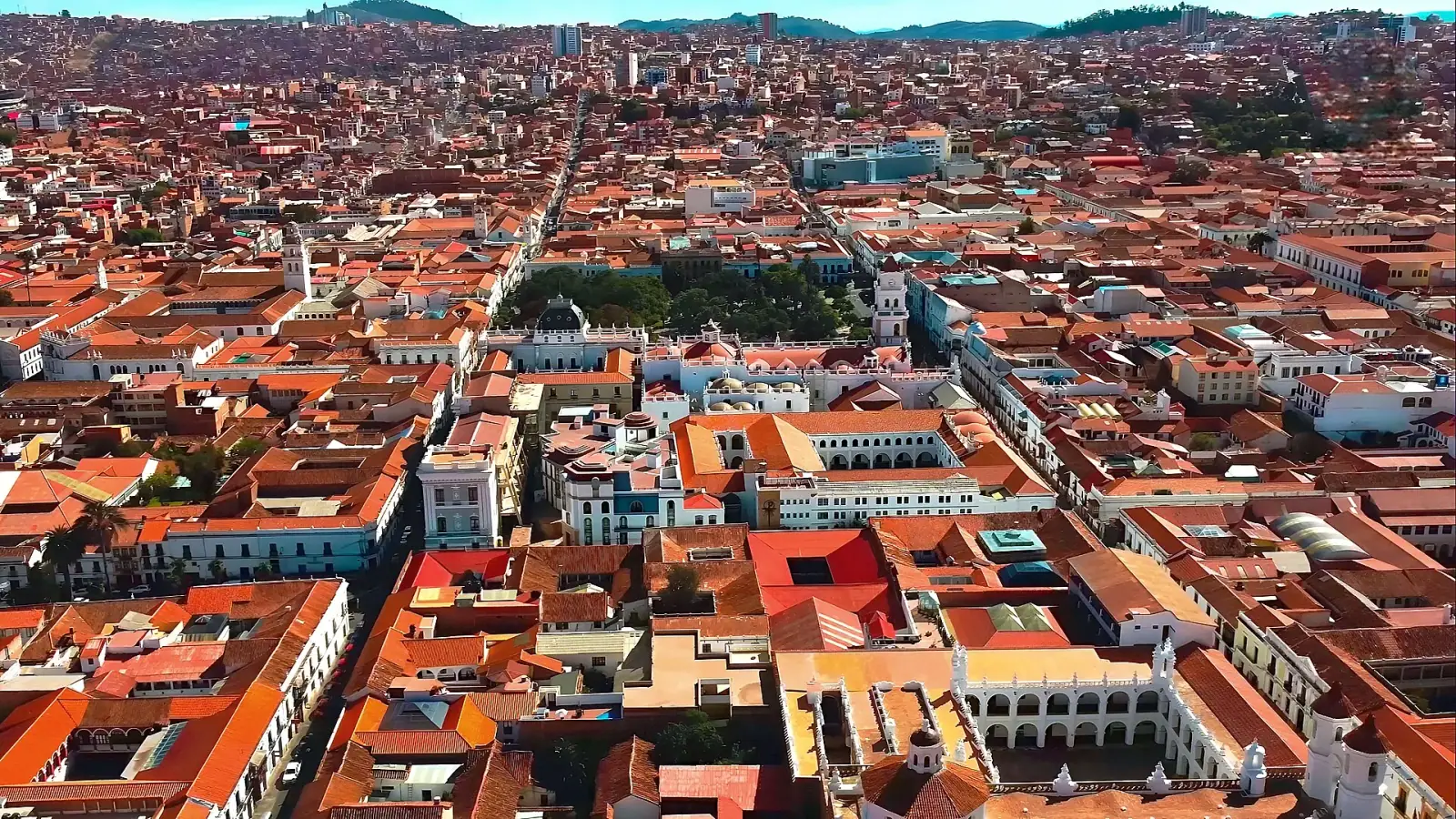
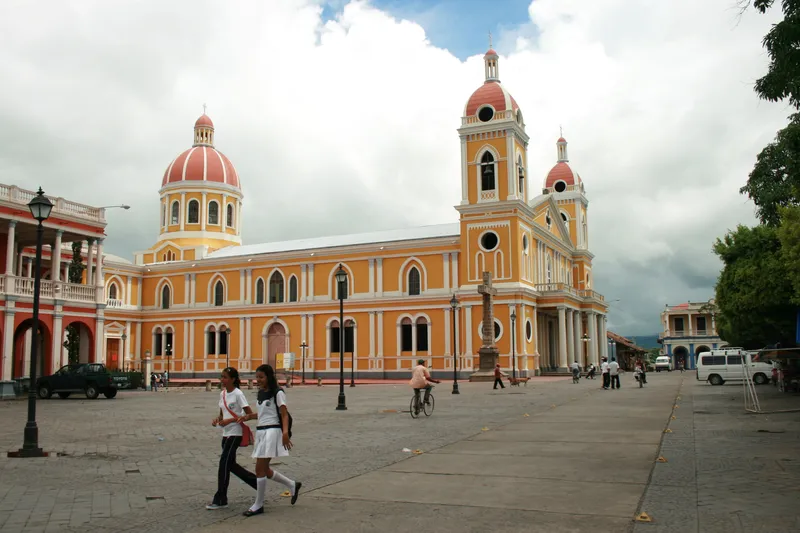
The historic center is compact and highly walkable. Most restaurants, cafes, government offices, markets, and tourist sights fall within a 30-minute walk of Plaza 25 de Mayo. You can comfortably go weeks without needing any transport at all if you live centrally.
When you do need to travel further, microbuses (small shared vans) cover the whole city for under $1 per ride, under $0.30. Taxis within the center cost about $0.50 per person; never pay more than $1 for a cross-town trip. Ride-hailing apps are not widely used here; flagging taxis on the street is the norm.
The airport is Juana Azurduy de Padilla International (SRE), located at Alcantari about 30 km and 40-50 minutes from the city center. A shared microbus costs $0.50; a private taxi runs $4.50-5. The drive winds through mountain terrain so allow extra time on foggy mornings. Direct flights connect Sucre to La Paz, Santa Cruz, and Cochabamba.
Sorting transport? Book an airport transfer, or compare car rental on Auto Europe and QEEQ.
Visas and Staying Long-Term
Citizens of most Western countries including the United States, United Kingdom, Canada, Australia, and the EU enter Bolivia visa-free. The US restored visa-free access for its citizens in December 2025. You receive an initial 30-day stamp on arrival, which you can extend twice (30 days each time, free of charge) at the Direccion General de Migracion in Sucre, giving a maximum of 90 days per calendar year. Bolivia does not currently offer a dedicated digital nomad or remote worker visa. Staying beyond 90 days in a calendar year risks triggering tax residency obligations. Crossing into a neighboring country and re-entering resets the calendar year allowance only if you have not already used your 90 days.
Best Time to Visit
Sucre sits at 2,800 meters (9,200 feet) elevation, giving it a mild subtropical mountain climate year-round. Daytime temperatures stay between 18-28°C (64-82°F) in most months, but nights can drop to 5°C in the dry season.
The dry season from May through October is the best time for remote work. June and July are the driest and sunniest months with almost no rain, clear skies, and cool but pleasant daytime conditions. Mornings and evenings get cold (pack layers), but the reliable weather and lack of mud or flooding makes logistics easier.
Avoid January and February if you can: these are the wettest months, with frequent afternoon downpours that disrupt plans and occasionally cause transport delays. March and April are transitional, with rain tapering off and temperatures warm enough to be comfortable.
Pros and Cons
- Very low cost of living compared to most nomad hubs in South America
- Beautiful, walkable colonial center with UNESCO World Heritage status
- Mild, stable climate in the dry season with comfortable temperatures
- Genuinely safe for a Bolivian city, especially in the historic center
- Excellent specialty coffee scene with multiple world-recognized cafes
- Slow pace that suits focused, heads-down work periods
- Limited coworking infrastructure relative to larger South American cities
- WiFi can be unreliable in accommodation; outages are not rare
- Low English proficiency across the city; Spanish is essential for daily life
- 90-day annual visa cap with no dedicated nomad visa option
- Small international community compared to Medellin, Buenos Aires, or Lima
- Remote airport with limited direct international connections
Who Sucre Is Best For
Sucre suits slow travelers and remote workers who want to stretch their budget without sacrificing a high quality of life. If you value walkability, a beautiful city environment, excellent coffee, and genuinely low prices over a thriving nomad social scene, Sucre delivers. It works especially well for intermediate to advanced Spanish speakers who can navigate daily life without English-speaking services. Writers, designers, and anyone doing solo focused work will find the calm pace and cafe culture conducive to productivity.
You should probably skip Sucre if you depend on fast, consistent internet for large uploads or real-time collaboration. It also falls short for nomads who prioritize nightlife, a large English-speaking community, or frequent international flights. Those on a tighter visa timeline should note that the 90-day annual cap is firm, and border-hopping to reset it requires real travel rather than a quick day trip.