 Penang
October is the month to judge Penang by, because the postcard has been rained off. About 337 millimetres fall that month, more than in any other, and the people photographing street art in George Town's lanes have thinned out. Look at who is left, because those are your neighbours for the rest of the year.
Who is around in October
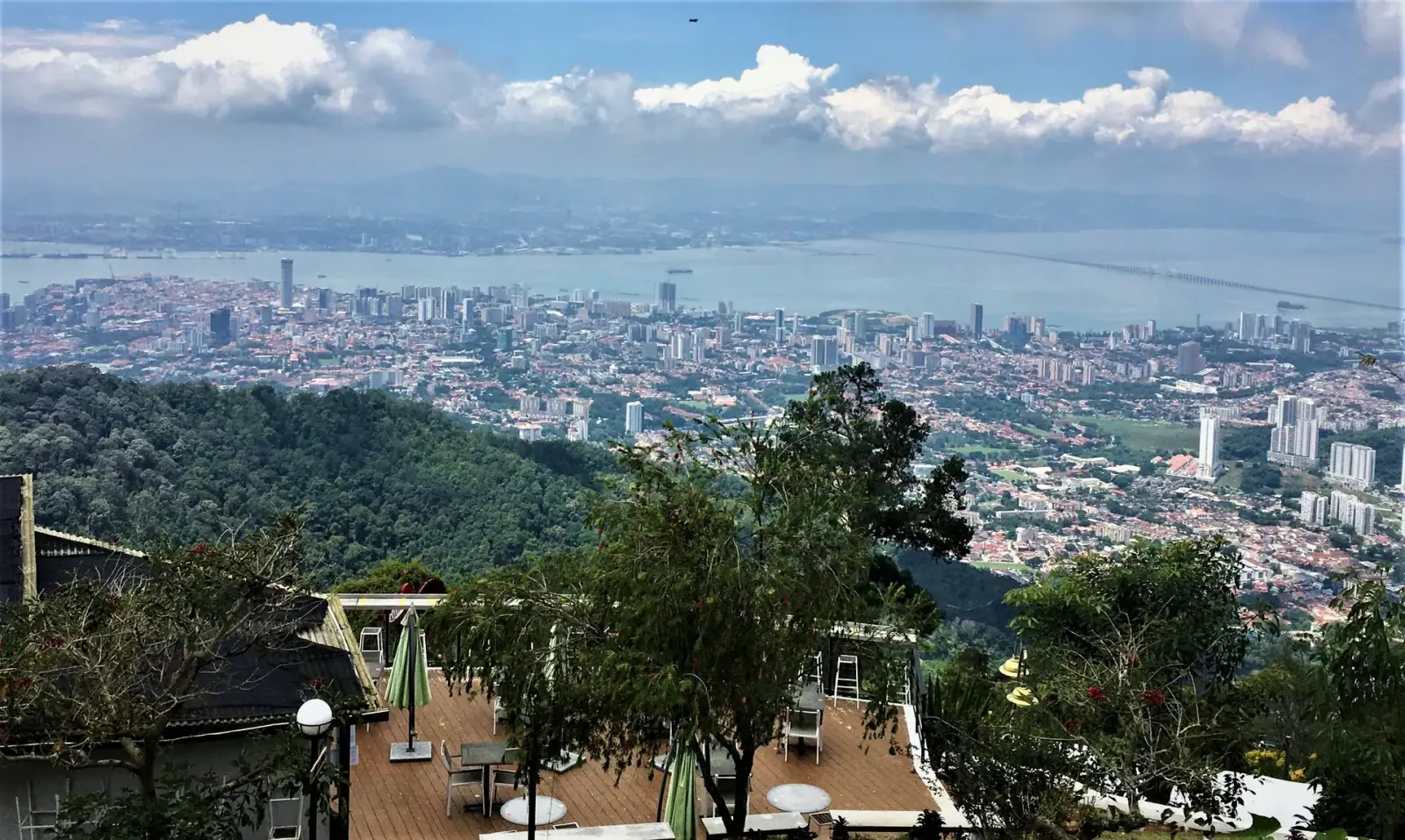
Start with the engineers. South of the old town, the Bayan Lepas free trade zone opened in 1972, and Intel, AMD and Bosch were among the first eight multinationals to build factories there. Penang is far more of a working island than its heritage listing suggests, and the condos and traffic of the southern suburbs are there because of those factories.
Then the students, at Universiti Sains Malaysia and the medical campus of RCSI and UCD. Then the patients and their families: the island has 13 private hospitals and is Malaysia's leading destination for medical tourism. Add the foreign retirees, drawn by the same doctors and the same English.
Under all of them is the old city itself. Chinese residents are just over half of George Town's population, and Penang Hokkien, full of Malay and English loanwords, still works as a common tongue across communities, though Mandarin and English are slowly pushing it out of the centre. The hawker frying your char kway teow at Gurney or on a corner in the old town is feeding regulars. The food holds up through the off season because it was never only for visitors.
The same question in the capital
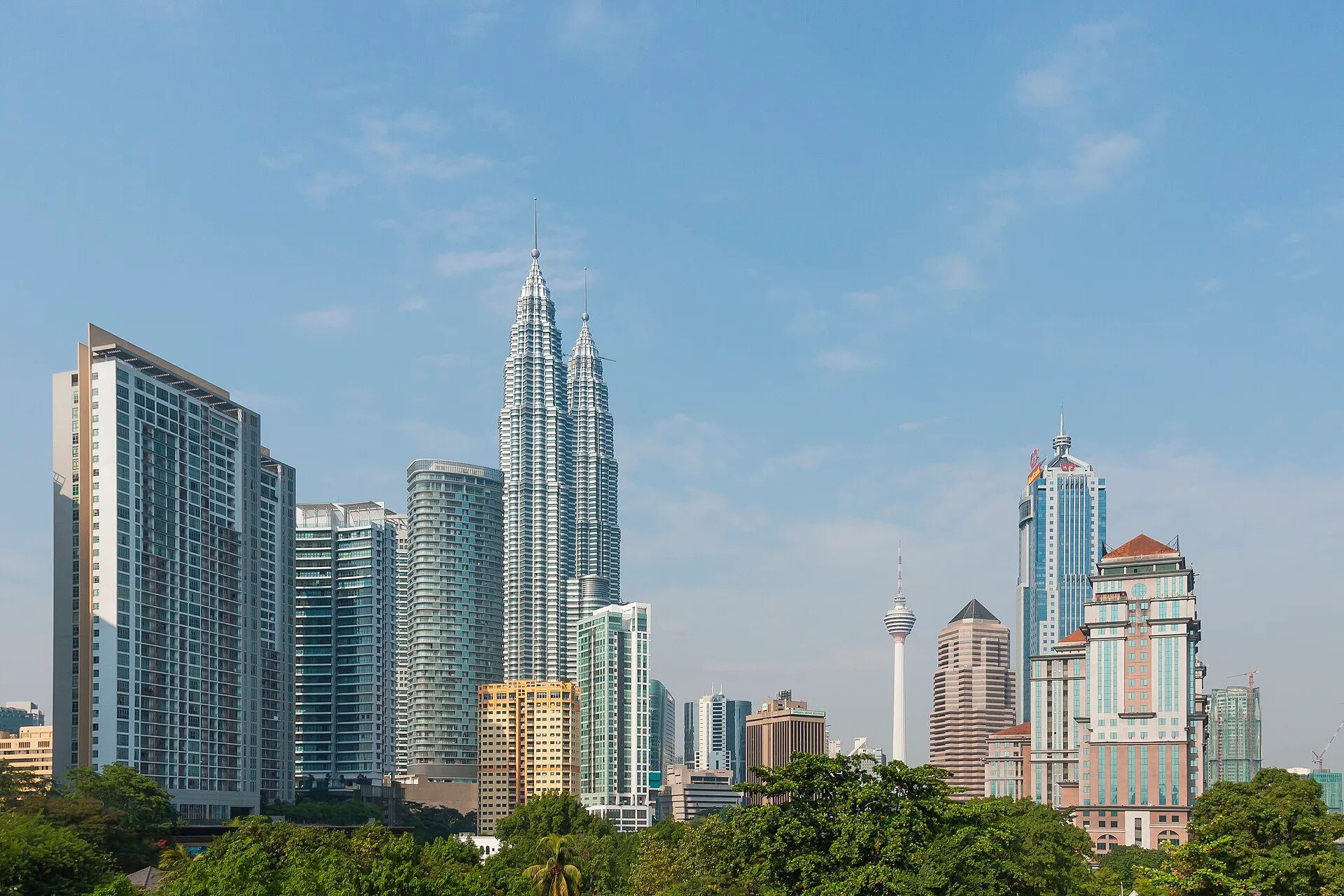
Kuala Lumpur barely has a tourist season to leave. Its wettest month is November at about 344 millimetres, and nothing much changes when it comes, since the city's life carries on in malls, towers and cars. About 2.1 million people live there, 47.7 percent Bumiputera and 41.6 percent Chinese, with Cantonese the main Chinese dialect in place of Hokkien.
The figure that matters to you is the non-citizens, 10.5 percent of residents on the last census against 8.5 percent in George Town. That includes many migrant workers on low pay, but the capital also has professional foreigners in numbers Penang cannot match. In Mont Kiara, a suburb of condominium towers with two international schools, one shopping plaza alone draws residents of more than 30 nationalities. In Bangsar, you will find young professionals, coworking and cafés, with evening plans to match. The city does make you work for this: driving remains the main way to commute, so choose a flat by a rail station or budget for a lot of Grab.
Who you would end up knowing
This is the difference that lasts, more than the shophouses or the Petronas Towers. In Penang you would mostly know an engineer or two, a doctor, the couple who retired here from Perth, and the woman at the stall who has stopped asking what you want. Social life comes slowly, and it does not come organised. In Kuala Lumpur, you could have a founders' drink and a language exchange on your calendar in the first week, and meet people who are also passing through. That is easy, and it can also feel thin.
On our figures it comes to about $1,600 a month on the island and about $1,800 in the capital, and the DE Rantau pass, at about $2,000 a month in income for up to two years, covers either one. Fourteen ETS trains a day run from Butterworth, a ferry ride from George Town, including services through to KL Sentral.
Penang's light rail line will not open until about 2031, so for years yet you will rely on buses, ride-hailing and your own feet. Live inside George Town and it hardly matters.
We would go to Penang. Stay at least through one rainy October, take a table at the same stall twice a week, and if by November you have nobody to call, there is a train to the capital.
 United States
 United Kingdom
 Germany
 Canada
 Australia
 India