Cost of Living in Lamu
Where this figure comes from. No cost survey covers Lamu, so the $800 a month above is our own estimate rather than a measurement. On 416 of our 999 city guides the figure is built from a published Numbeo basket, a one-bedroom rent in the centre plus one person's monthly costs without rent, converted to USD; this city is not one of them. How we source everything.
Lamu is an affordable place to spend a slow month, though its island logistics mean some imported goods and comforts cost more than on the mainland. A budget nomad staying in a simple guesthouse and eating local Swahili food can get by on the lower end, while a comfortable stay in Shela with a nicer room, dhow trips, and regular restaurant meals sits toward the top. Everything arrives by boat and small plane, so prices for anything not grown or caught locally reflect that. Rents are negotiable for longer stays, and fresh seafood, fruit, and vegetables from the market keep food costs down. A realistic monthly figure lands roughly between 700 and 1,300 US dollars, depending on where and how you live.
- Simple guesthouse room in the old town: around 15 to 35 US dollars a night, less for monthly deals.
- A nicer room or small house in Shela: often 40 to 90 US dollars a night in season.
- Local Swahili meal: roughly 3 to 7 US dollars; fresh seafood a little more.
- Safaricom SIM with a data bundle: a low monthly cost, essential for connectivity.
- Dhow sailing trips and boat transfers: budget a little extra for getting around the archipelago.
Where to Work in Lamu
If productivity is the point of the trip, Lamu is the wrong island, and it helps to accept that before booking rather than after the first dropped call. There is no true coworking space, and wifi across the island is variable and often slow, dropping out with power cuts and heavy use. Treat connectivity as a bonus rather than a guarantee. The most reliable setup is a Safaricom SIM loaded with a generous data bundle, using mobile data as your main line and hotel or cafe wifi as backup. Ask any accommodation directly about real download speeds and whether they have a backup power source before you book. A handful of hotel cafes and waterfront spots in Lamu town and Shela are laptop friendly for a few focused hours. This is a place to slow down, answer email in the morning, and spend the afternoon on the water rather than push heavy remote work.
- Buy a Safaricom SIM and a large data bundle on arrival; mobile data is usually your best line.
- Ask accommodation for honest speed figures and whether they have backup power.
- Hotel cafes and seafront restaurants in Lamu town and Shela suit short work sessions.
- Plan for outages: download what you need and keep offline work ready.
Getting Around Lamu
Lamu Old Town is car free, one of the last towns in the region without motor traffic in its lanes. You move on foot through narrow winding streets or, for luggage and cargo, by donkey, which remain the main working animals of the town. Between Lamu town, Shela village, Manda island, and the wider archipelago you travel by water, using shared and private motorboats and the traditional dhow sailing boats. Getting to Lamu itself means flying into the Manda airstrip, just across the channel, on flights from Nairobi or Mombasa, then taking a short boat transfer to the island. The alternative is a long overland road journey followed by a boat, which is slower and less advisable given regional conditions. Once you arrive, life is refreshingly simple and slow.
- The old town is walked on foot; donkeys carry goods and luggage.
- Motorboats and dhows connect Lamu town, Shela, Manda, and nearby islands.
- Fly into Manda airstrip from Nairobi or Mombasa, then take a boat transfer.
- There are no cars, taxis, or ride apps on the island.
Sorting transport? Book an airport transfer, or compare car rental on Auto Europe and QEEQ.
Visas for Lamu
Lamu is part of Kenya, so entry follows Kenyan rules. At a high level, most visitors now need an approved electronic travel authorisation, the Kenya eTA, arranged online before arrival rather than a traditional visa on arrival. Apply in advance and keep your approval and onward travel details ready. Just as important for Lamu specifically: the wider Lamu County stretches toward the Somali border and has been the subject of security advisories over the years. Stick to Lamu Island and the established, well-visited areas such as the old town and Shela, and avoid the mainland border zones.
- Most travellers need an approved Kenya eTA arranged online before arrival.
- Read your government's latest travel advisory for Lamu County before you commit.
- Stay on the island and in established areas; avoid the mainland border regions.
Best Time to Visit Lamu
Lamu is warm and tropical year round, so timing is mostly about rain and humidity. The dry, cooler and more comfortable stretch runs roughly from December to March, with clear skies and good sailing weather, making it the most popular window. The June to October period is another solid choice, drier and pleasant, though it can be breezier. The long rains around April and May bring the wettest, most humid conditions, when some businesses quieten and boat travel is less reliable, so many visitors avoid them. The town also comes alive during its cultural calendar, notably the Maulidi festival and the annual Lamu cultural festival, when music, dhow races, donkey races, and processions fill the streets. If you want atmosphere, plan around one of these celebrations.
- December to March: dry, cooler, and the most popular season.
- June to October: another dry, pleasant window, sometimes breezier.
- April to May: the long rains, wet and humid; many travellers skip it.
- Time your visit with the Maulidi or Lamu cultural festival for the liveliest experience.
Pros and Cons of Lamu
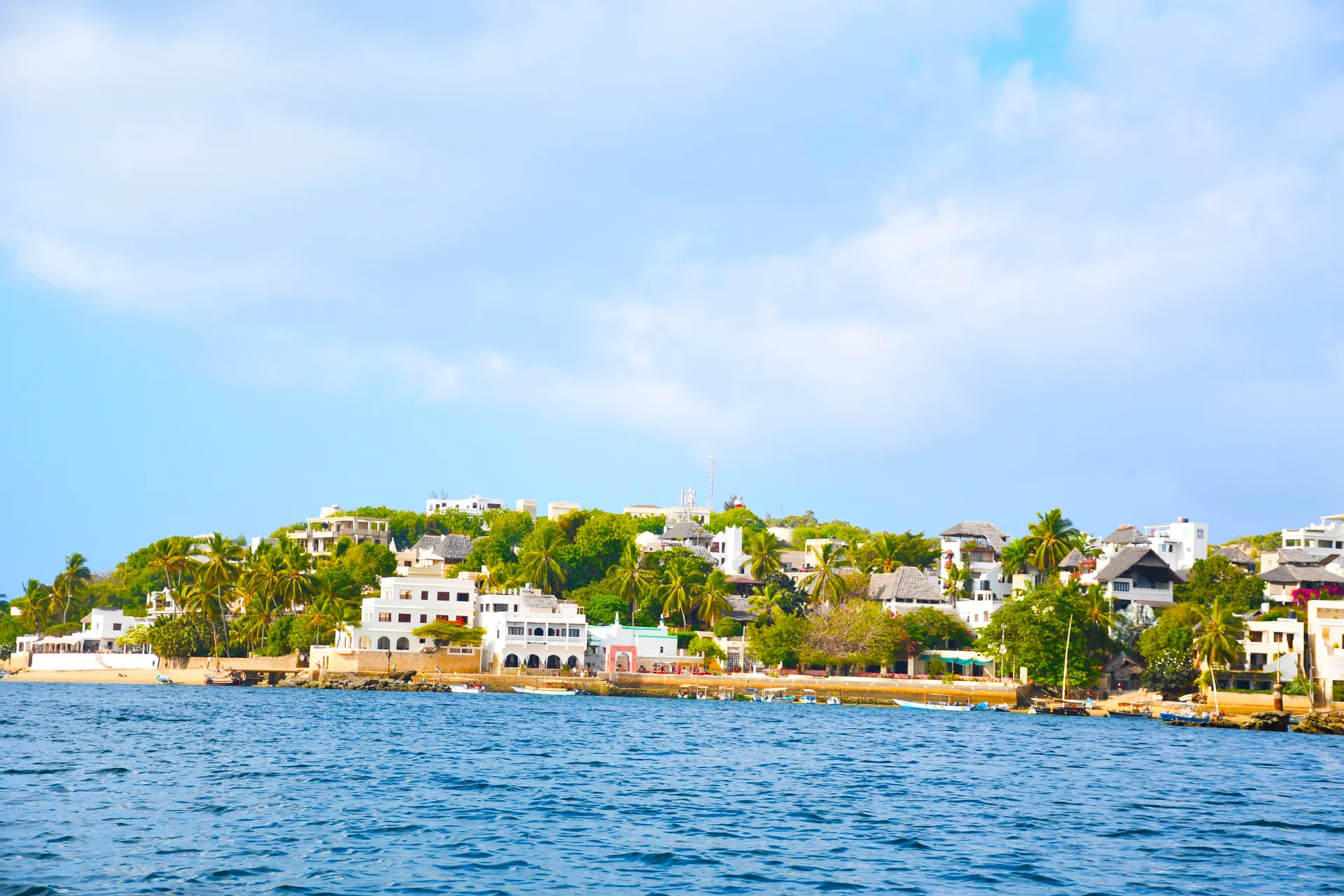
Lamu rewards the right traveller and frustrates the wrong one. On the positive side it is genuinely extraordinary: a UNESCO World Heritage Swahili town of coral-stone houses, carved wooden doors, and car-free lanes, wrapped in warm coastal and island nature, superb fresh seafood, and a deep, living culture that few places can match. The pace is slow and restorative, and costs are reasonable. The trade-offs are real, though. Infrastructure is basic, wifi is variable and often slow, power can be intermittent, nightlife is thin, and the island is remote, so getting in and out takes effort. Add the regional security advisories affecting the wider county, and it becomes clear this is a destination for a considered, culturally curious stay rather than a plug-and-play work base. Come with the right expectations and it is unforgettable.
- Pros: unique Swahili culture and architecture, car-free calm, warm sea and islands, fresh seafood, affordable living.
- Cons: variable and often slow wifi, basic infrastructure, occasional power cuts, thin nightlife.
- Cons: remoteness and limited access, plus regional security advisories.
Who Lamu Is For
Lamu is for the cultural traveller and the slow-paced nomad, not the deadline-driven remote worker who needs fast, dependable internet. It suits people who want to trade productivity for atmosphere for a while: writers, artists, sabbatical takers, and anyone drawn to Swahili history, dhow sailing, quiet beaches, and a town that runs at the speed of a donkey and the tide. It works best if you can be flexible about connectivity, plan light workloads around mobile data, and treat any good wifi as a happy surprise. It is a poor fit if you rely on video calls all day, need nightlife, or want easy transport links. Do your homework on current travel advice, keep to the island and established areas, and Lamu offers a rare, memorable coastal chapter rather than a long-term work hub.
- Great for cultural travellers, writers, artists, and slow-travel nomads.
- Ideal for those seeking Swahili heritage, sailing, beaches, and quiet.
- Not suited to heavy remote workers needing fast, reliable internet or nightlife.
- Best approached with flexible plans and current travel advice in hand.