Cost of Living in Olinda
Where this figure comes from. No cost survey covers Olinda, so the $800 a month above is our own estimate rather than a measurement. On 416 of our 999 city guides the figure is built from a published Numbeo basket, a one-bedroom rent in the centre plus one person's monthly costs without rent, converted to USD; this city is not one of them. How we source everything.
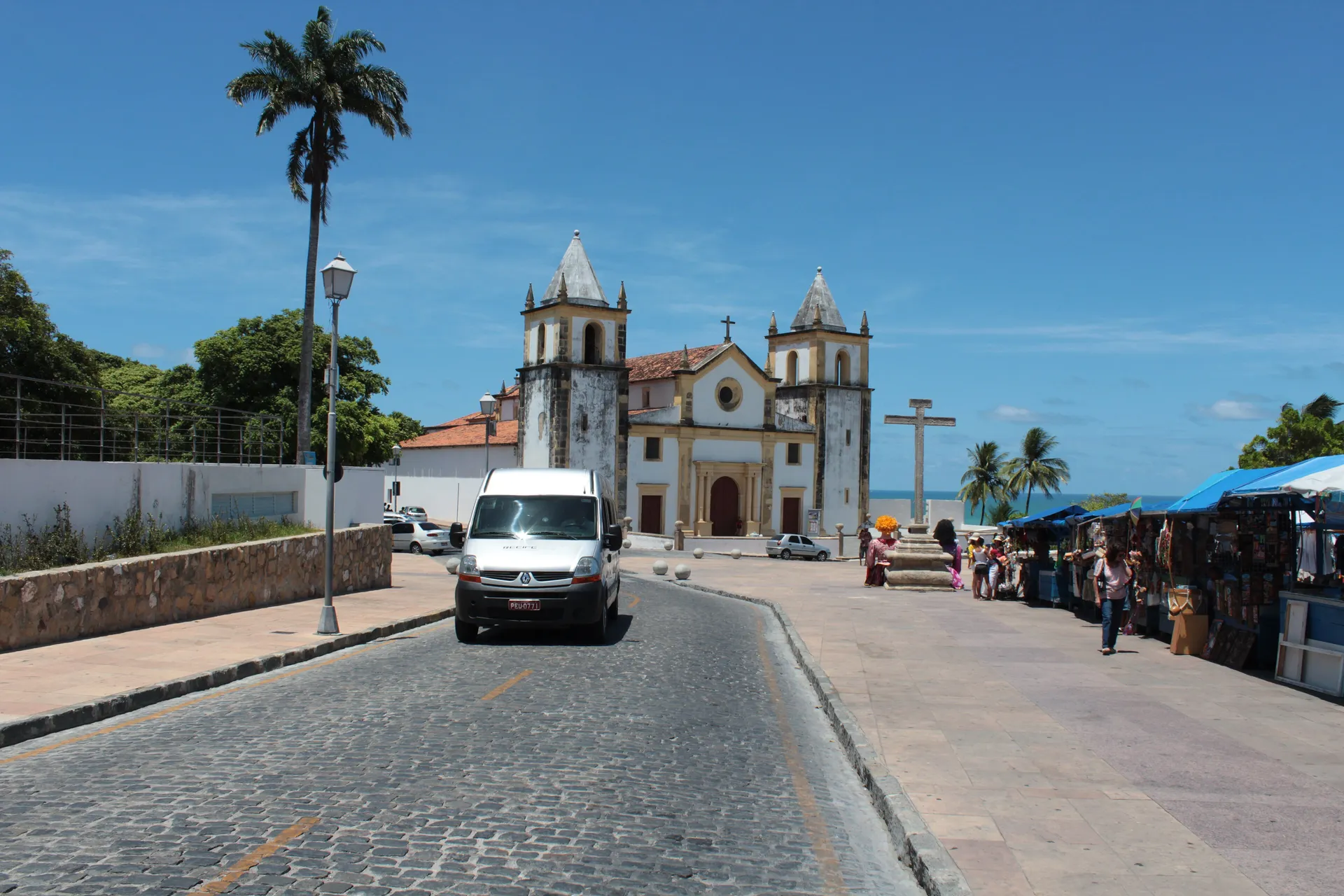
Olinda is a relatively affordable base by international standards, and cheaper than most of southern Brazil, though the historic old town commands a small premium for its charm. A modest monthly budget of roughly $700 to $1,100 covers rent, food, local transport and a little leisure for one person living simply. Renting a room or small flat in the Sitio Historico costs more than similar space in the newer beach districts or toward Recife. Eating at neighbourhood lanchonetes and cooking with produce from local markets keeps costs low, while imported goods, coworking desks and frequent taxis push spending upward. These are editorial estimates, and actual figures vary with season and lifestyle. The word town undersells the place and distorts the budget with it. This is a municipality of roughly four hundred thousand people packed into a small area, among the densest in Brazil, and the postcard is the walled quarter on the hill, a couple of square kilometres of that. Rents up there are set by people who want the view and the colonial house; five minutes downhill in Bairro Novo or Casa Caiada the same money takes a modern two-bedroom flat near the sea. Settle which of those you are buying before you start looking.
- Room or small flat in the old town: dearer for the atmosphere and views
- Cheaper rents in Bairro Novo, the beachfront and toward Recife
- Local meals, markets and buses keep daily costs modest
- Imported goods, coworking and regular taxis add up quickly
Where to Work in Olinda
Olinda itself is a small, artistic town rather than a coworking hub, so remote workers often rely on cafes, guesthouse terraces and their own flats, where domestic wifi is usable but not always fast or stable. For anything more demanding, most people head to neighbouring Recife, a short bus or taxi ride away, which offers dedicated coworking spaces, faster connections, shopping centres and business services. Recife's waterfront tech district, Porto Digital, anchors a genuine startup scene. Many nomads base themselves in Olinda for the character and calm, then treat Recife as their office, errands and amenities city. A backup mobile data plan is wise, since connections can wobble during heavy rain. That technology park across the water deserves more than the passing line it usually gets, because it is what makes a working life here viable. It occupies the restored old port district of the neighbouring city, founded in 2000 on warehouses that had gone derelict, and now holds hundreds of companies and tens of thousands of jobs, easily the largest cluster of its kind in the Brazilian northeast. In practice that means genuine coworking, genuine meetups and people who understand what a remote contract is, twenty minutes from your door. It also means the bus at rush hour is worth avoiding in both directions.
Getting Around Olinda
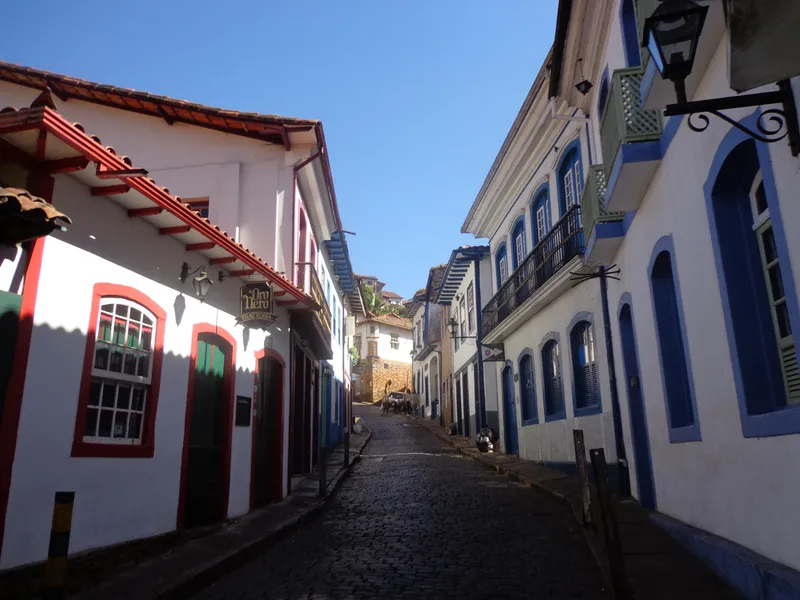
The historic core of Olinda is best explored on foot, with steep cobbled lanes winding between churches, ateliers and viewpoints that reward slow, curious wandering rather than driving. Cobblestones and hills make it tiring in the heat, so comfortable shoes matter. Local buses connect Olinda with Recife and its beaches, and app-based rides and taxis are widely available and reasonably priced for longer hops or late nights. Parking in the old town is awkward, so many residents skip a car entirely. Recife's airport, Guararapes International, sits south of the city and is the main gateway, reachable in around forty-five minutes to an hour depending on traffic. A quirk of the geography catches people out. The two cities are continuous, so the boundary between them is a street rather than a gap, and buses cross it constantly without announcing anything. The consequence is that journey times here are about traffic rather than distance, and the main arterial corridor can double a twenty-minute trip at the wrong hour. There is also a metro, which most visitors never discover because it serves commuters from the south and west rather than the tourist axis; it reaches the airport, which is the one trip it is genuinely good for.
Sorting transport? Book an airport transfer, or compare car rental on Auto Europe and QEEQ.
Visas for Olinda
Olinda follows Brazil's national entry rules, so there is nothing town-specific to arrange. Most European and British passport holders may enter Brazil visa-free for tourism and stay up to 90 days. Australians, Canadians and Americans may not: Brazil reinstated the requirement for those three on 10 April 2025 on reciprocity grounds, ending six years of visa-free entry, and they now need an electronic visa obtained before departure. The 90-day period can often be extended by a further 90 days per year through the Federal Police, subject to their approval. Brazil does have a dedicated digital nomad visa, the VITEM XIV, introduced in January 2022 and still running: it asks for $1,500 a month in foreign-source income or $18,000 in the bank. Keep proof of onward travel and accommodation handy, and never overstay your permitted period. The electronic visa is handled entirely online, but it is a document with a validity window rather than a rolling permit, so when you enter matters as much as when you apply. The extension is the other thing to time: the application has to go in while your current stay is still valid, and turning up after it lapses is an overstay conversation rather than an extension. Penalties accrue for each day beyond the permitted stay and are settled on exit.
Best Time to Visit Olinda
Olinda has a warm tropical climate with consistently high temperatures year round and no real cold season, so timing is mostly about rain and events rather than temperature. The wetter months fall roughly between March and July, when heavy coastal downpours are common, while the drier, sunnier stretch from around September to February suits beach days and long walks. The town's headline moment is Carnival, usually in February or early March, when the old streets fill with giant puppets, frevo and huge, joyful crowds. That period is spectacular but crowded and pricey, so visit then only if you want the spectacle, and choose quieter months for calm, affordable exploring. The event this town is known for works differently from the ones people have heard of, and the difference matters for planning. There are no ticketed blocks and no paid stands: it is a street affair, free, and the crowd moves through the same steep lanes you live on, led by the giant puppets and danced to frevo, which Unesco listed as intangible heritage in 2012. If you live in the historic core you are not attending it, you are inside it, for a solid week. Decide in advance whether that is why you came, because leaving is not simple once it starts.
Pros and Cons of Olinda
Olinda rewards anyone who values culture, colour and atmosphere over convenience and speed. Its greatest strengths are its beauty, artistic soul and rich musical heritage, all at a gentle cost of living beside the sea. The trade-offs are practical: a small local economy, limited English, patchy infrastructure and a reliance on nearby Recife for serious amenities. As in any large Brazilian metropolitan area, sensible urban precautions are worthwhile, since Olinda sits within the wider Recife conurbation. Stay aware at night, avoid quiet lanes alone after dark, keep valuables discreet and use trusted transport. Approached with realism and openness, Olinda is a memorable and characterful place to live. One event explains the whole arrangement with the city next door. This was the capital of the richest sugar captaincy in the Americas until the Dutch took it in 1630 and burned it the following year, then built their own capital on the reef below, which grew into the metropolis that surrounds it today. The old capital never recovered its position, and that is exactly why it survived: a town which stopped being important in 1631 does not get demolished and rebuilt. What you get is a seventeenth-century hill inside a metropolitan area of four million, carrying the advantages and the problems of both at once.
- Pros: stunning UNESCO old town, deep arts and Carnival culture, affordable, coastal, warm year round, close to Recife's amenities
- Cons: small local economy, limited English, hilly cobbled streets, patchy wifi, reliance on Recife, ordinary big-city safety precautions needed
Who Olinda Is For
Olinda suits culturally curious, easygoing nomads who care more about character, community and creativity than about polished infrastructure or a large expat scene. It is ideal for artists, writers, musicians and slow travellers who enjoy learning some Portuguese, wandering historic streets and soaking up local life. Those who want fast, reliable coworking, abundant English speakers or big-city conveniences on the doorstep will find it frustrating, though Recife next door softens that gap considerably. It is less suited to anyone seeking a ready-made digital-nomad hub or nightlife-heavy lifestyle. For the right temperament, Olinda offers an authentic, affordable and deeply Brazilian home base. The urban beaches on this coast are not swimming beaches. The stretch fronting the city next door has had a serious and well-documented shark problem since the early 1990s, the warning signs are there for a reason, and people ignore them every year; swim north of the conurbation or go south to Porto de Galinhas instead. The other thing to settle before committing is language. Treat Portuguese as a requirement rather than an aspiration, because the northeastern accent is its own proposition, almost nobody outside the technology park works in another one, and the distance between two hundred words and none is the distance between living here and visiting.