Cost of Living in Pago Pago
Where this figure comes from. No cost survey covers Pago Pago, so the $1,800 a month above is our own estimate rather than a measurement. On 416 of our 999 city guides the figure is built from a published Numbeo basket, a one-bedroom rent in the centre plus one person's monthly costs without rent, converted to USD; this city is not one of them. How we source everything.
Budget around $1,800 a month. A one-bedroom runs roughly $600 to $1,000, and the rental market is small enough that what is available at any moment matters more than the average. Groceries are expensive because almost everything is shipped in, and the local supermarkets carry American brands at a markup. Fish and taro from the market are cheap. Utilities are high, with power costing well above mainland United States rates. Eating out is limited and the options are mostly Samoan, Korean and Chinese at modest prices. American Samoa uses the United States dollar and the postal system is domestic United States mail, which is a genuine practical advantage. Almost everything arrives by ship from Honolulu or Los Angeles and the freight shows on every shelf, which is why a territory with American wages has grocery prices well above the mainland. The tuna cannery has historically been the largest private employer and its fortunes move the whole local economy, which is worth understanding before assuming a stable local market for anything.
Where to Work in Pago Pago
Connectivity has improved substantially. American Samoa was dependent on a single cable for years and the Hawaiki cable now provides a second route, so fibre in Pago Pago is workable and mobile data covers the main island. It is not fast by mainland standards and it is expensive. Power is reasonably reliable. There is no coworking of any kind and remote workers use their accommodation. The time zone is unusual and worth understanding: American Samoa is eleven hours behind GMT and does not observe daylight saving, which puts it a full day behind Samoa, forty kilometres away, across the international date line. Anyone working with the American west coast gets a comfortable overlap, since Los Angeles is only two or three hours off depending on daylight saving there, and that is the practical case for basing on this side of the date line rather than in Samoa. The tuna cannery on the harbour is the private economy here in all but name, employing a large share of the workforce and shipping to the mainland duty free under the territory's trade status. When it has cut shifts in the past the whole territory felt it immediately. Everything else is the territorial government.
Getting Around Pago Pago
The aiga buses, privately owned and brightly painted, run along the main road around Tutuila and are cheap, frequent enough and part of the experience. A car makes life easier and rentals are available. Tutuila is small, about thirty kilometres long, and the road follows the coast with the ridge in the middle. Pago Pago International Airport connects to Honolulu twice a week and to Apia in Samoa several times a week on a short hop, and that is essentially the whole schedule. Getting here is the single hardest part of being here. The buses stop running in the early evening and almost entirely on Sundays, so a car matters more for the timetable than for the distance. The road over the ridge to the north shore villages at Vatia and Afono is steep and narrow and the view from the pass at Rainmaker Mountain is the best on the island.
Sorting transport? Book an airport transfer, or compare car rental on Auto Europe and QEEQ.
Visas for Pago Pago
American Samoa is a United States territory but it is outside the federal immigration system, which surprises people. A United States visa or ESTA does not admit you, and United States citizens are not automatically entitled to enter either. Most visitors need an entry permit, which for many nationalities is issued on arrival for thirty days provided you have onward travel. Longer stays require an application to the territory's immigration office in advance. It is also the only United States territory where people are born United States nationals rather than citizens. American Samoa is unusual among United States territories in controlling its own immigration: an American passport does not grant automatic entry the way it does in Guam or Puerto Rico, and most visitors including United States citizens need an entry permit arranged in advance. This catches people out regularly and should be checked before booking.
Best Time to Visit Pago Pago
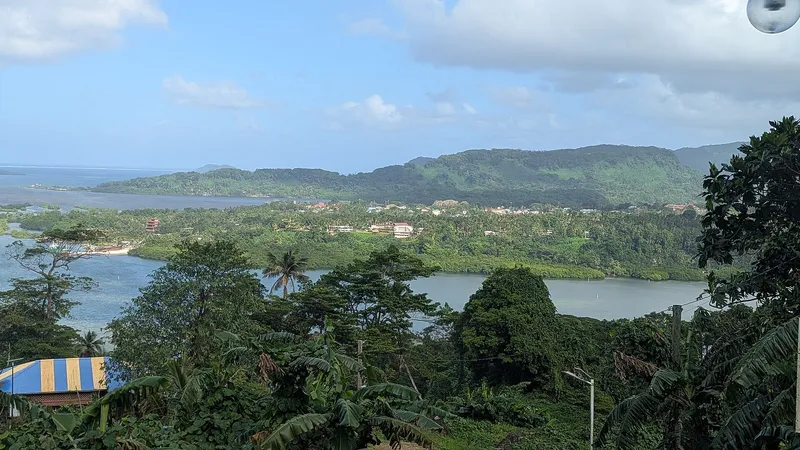
May to September is the dry season and the practical window, cooler at around twenty nine degrees with lower humidity. October to April is the wet season and the cyclone season, and Tutuila is genuinely wet: the mountains catch enormous rainfall and Pago Pago harbour is one of the rainiest inhabited spots in the world. The National Park of American Samoa is walkable year round but the trails are slippery in the wet months. Sea temperature is warm throughout. Sunday is worth planning around, since the territory observes it seriously and most things close. The harbour is a drowned volcanic crater and among the deepest natural harbours in the South Pacific, which is why the tuna fleet is based here and why the 2009 tsunami funnelled into it with such force. Cyclone season runs November to April and the territory is exposed. Flag Day in the middle of April is the territory's biggest occasion, marked with longboat races between villages that are trained for through the preceding months and taken entirely seriously by everyone involved. It is the one date that fills what accommodation there is, and the crews that win are talked about for the rest of the year.
Pros and Cons of Pago Pago
A spectacular natural setting sits here almost entirely unvisited, with ridges rising straight out of Pago Pago harbour and the only United States national park south of the equator on the same island. Samoan culture here is intact and central to daily life. Isolation and cost do most of the damage, and behind them come a flight schedule you can count on one hand and almost no services to speak of. Rain is constant for half the year. There is no remote worker presence at all and the visa arrangement is more restrictive than people assume. The territory's status is genuinely distinctive: American Samoans are United States nationals rather than citizens by birth, a legal position that has been challenged in the courts more than once, and land ownership is restricted to those of Samoan ancestry, which shapes who can settle here.
Who Pago Pago Is For
American Samoa suits anyone drawn to Polynesian culture in a place that has not been rebuilt around visitors, hikers who want a national park to themselves, and people with a genuine connection to the territory. It suits divers and snorkellers willing to work without an operator. Services here are unreliable in ways that shape an ordinary week, the flight comes once and a cancellation costs seven days, and there is no social scene whatsoever to fall back on while waiting. Pacific fisheries and climate research have a natural base here. The tuna cannery in the harbour is the territory's economic centre, and the politics around it run through everything else that happens on the island. People born in American Samoa are United States nationals rather than citizens, the only place where that is still the case, which shapes local politics and is worth understanding before raising it casually with anyone here.
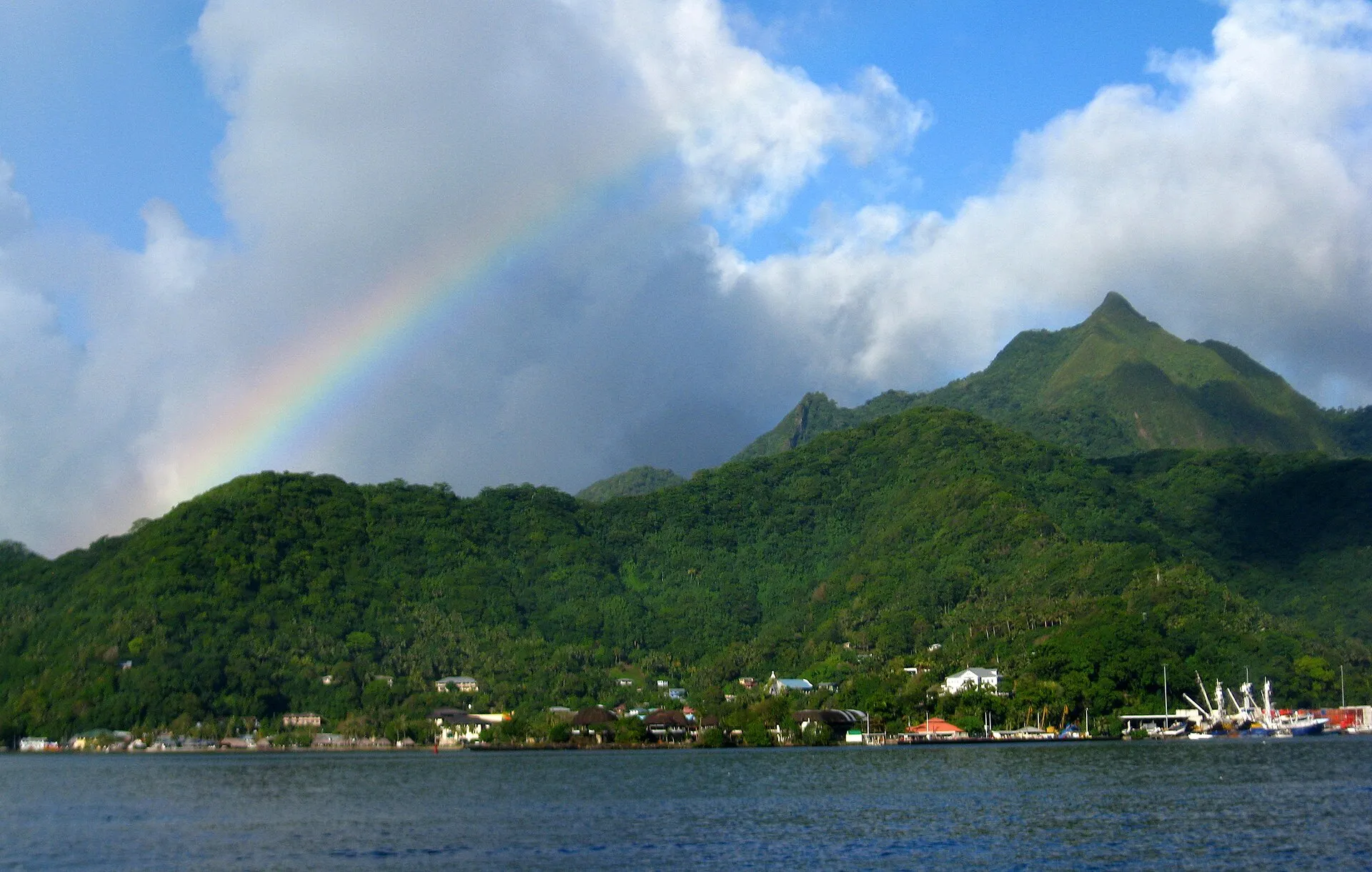 Photo: NPS / Wikimedia Commons (Public domain)