Cost of Living in Alofi
Where this figure comes from. No cost survey covers Alofi, so the $1,700 a month above is our own estimate rather than a measurement. On 416 of our 999 city guides the figure is built from a published Numbeo basket, a one-bedroom rent in the centre plus one person's monthly costs without rent, converted to USD; this city is not one of them. How we source everything.
Budget around $1,700 a month. A one-bedroom runs roughly $500 to $900, though the rental market on an island of about seventeen hundred people is mostly word of mouth and self-catering units aimed at visitors. Groceries are expensive: Niue imports almost everything from New Zealand and the ship arrives roughly monthly, so what is on the shelf depends on when it last came. Local produce, taro, coconut crab and fish, is cheap when available. Utilities are high because power is diesel-generated. The New Zealand dollar is the currency and New Zealand banking largely applies. The supply ship arriving roughly monthly is the single most important economic fact about the island, and residents plan around its schedule the way people elsewhere plan around a weekly shop. Fibre and the island wifi run $60 to $120 a month. A rental car is around $40 a day or $500 a month, which most long-stay visitors accept as unavoidable. Fuel is expensive and comes in on the same ship as everything else, which is why the round-island road sees so little traffic. Accommodation is arranged directly with owners rather than through platforms, and a month negotiated on arrival costs considerably less than a nightly rate booked ahead.
Where to Work in Alofi
Connectivity is better than the population would suggest. Niue has invested in island-wide wifi and the connection, while not fast, is usable for normal remote work, and the government has actively courted people who want to work from here. Power is reasonably reliable. There is no coworking, but several accommodation providers cater to longer stays. The time zone is eleven hours behind GMT, the same as American Samoa, which puts Niue a day behind New Zealand two hours away by plane and makes overlap with almost anywhere a puzzle worth solving before you arrive. Niue's Telecom rebuilt its network with New Zealand assistance and the island now has a fibre backbone with wifi coverage across the populated west coast, which is genuinely unusual for a population this size. The eleven-hour offset from GMT means Niue shares a clock with Hawaii and American Samoa, so the American west coast is the only market that works comfortably from here.
Getting Around Alofi
You need a vehicle. Niue is a single raised coral island about sixty kilometres around, with one road circling it and tracks running down to the sea caves and chasms, and there is no public transport of any kind. Rental cars and scooters are available and a Niue driving licence, issued at the police station for a small fee, is a required souvenir. Hanan International Airport is served by Air New Zealand from Auckland twice a week, and that is the only scheduled flight to the country in either direction. The Togo and Talava chasms and the Limu pools are reached down tracks off the ring road and need shoes rather than sandals, since the coral is sharp. Niue has no beaches to speak of: the coast is raised coral cliff and the swimming is from ledges and in chasms, which is part of why the water is so clear. The Niue licence costs a few dollars and is issued over the counter, and a good number of visitors keep it as the only driving licence they have from a country of two thousand people.
Sorting transport? Book an airport transfer, or compare car rental on Auto Europe and QEEQ.
Visas for Alofi
Niue is self-governing in free association with New Zealand, and Niueans are New Zealand citizens. Visitors of most nationalities receive thirty days visa-free on arrival, and New Zealand citizens may stay indefinitely. Extensions are available. There is no formal remote work visa, but Niue has been unusually welcoming to long-stay visitors and the small population makes arrangements more personal than procedural. Proof of onward travel and pre-booked accommodation is required, and the accommodation requirement is enforced because there are only so many beds on the island. Anyone hoping to swim with the humpbacks should also note that the activity is licensed, that operator numbers are deliberately capped, and that bookings go early in the season. Niue has actively marketed itself to long-stay visitors and remote workers through its tourism authority, and the practical route is the thirty-day entry extended locally rather than any formal scheme, which the immigration office handles informally given the numbers involved.
Best Time to Visit Alofi
April to November is the dry, cooler season and the practical window, with temperatures around twenty six degrees and the clearest water. December to March is the wet season and the cyclone season, and Cyclone Heta devastated Alofi in 2004, destroying much of the settlement and pushing the hospital inland. Whale season runs roughly July to October, and Niue is one of the few places on earth where swimming with humpbacks is permitted and genuinely happens. Visibility in the water is extraordinary year round because there are no rivers on the island to carry silt. Humpbacks come close enough inshore that they are often audible from the cliff-top accommodation, and the licensed swim operators run from Alofi with strict limits on group size and time in the water.
Pros and Cons of Alofi
Water clarity here is difficult to overstate, often visible to eighty metres, and it comes with sea caves and chasms you walk into from the road, humpback whales in season and a population small enough that people know you within a week. It is also one of the safest places anywhere. Niue is very small and very quiet, everything on the shelves has been shipped or flown in and priced accordingly, two flights a week is the whole schedule, and medical care runs out quickly. Anything you cannot buy on the island waits for the ship. The island also has no rivers and no natural harbour, so boats are lifted in and out of the water by crane at Alofi, which is worth watching once. Niue is also one of the few countries to have been designated a Dark Sky Nation in its entirety, with no significant light pollution anywhere on the island, which makes the night sky a genuine part of what people come for. Uga, the coconut crab, is a local delicacy and also a protected species with a managed season.
Who Alofi Is For
Niue suits divers, snorkellers and anyone drawn to whales, along with people who want somewhere genuinely quiet with a usable internet connection, which is a rarer combination than it sounds. It suits New Zealanders, who face no immigration friction at all. Choice, nightlife and a professional community are three things a population of sixteen hundred cannot generate. The flight schedule is the harder fact: two a week is the entire connection to the outside world, and a missed one costs half a fortnight. It also suits writers and anyone else whose work benefits from having nothing else to do, which is a genuine and much-cited reason people come here for a month. Anybody who has wondered whether they could live somewhere extremely small can settle the question here. Niue's population of around seventeen hundred makes it one of the smallest countries on earth, and a month is long enough to know the answer for certain. Rarotonga is the comparison, and the trade is no lagoon and no beaches, far better diving, a tenth of the population and half the flights.
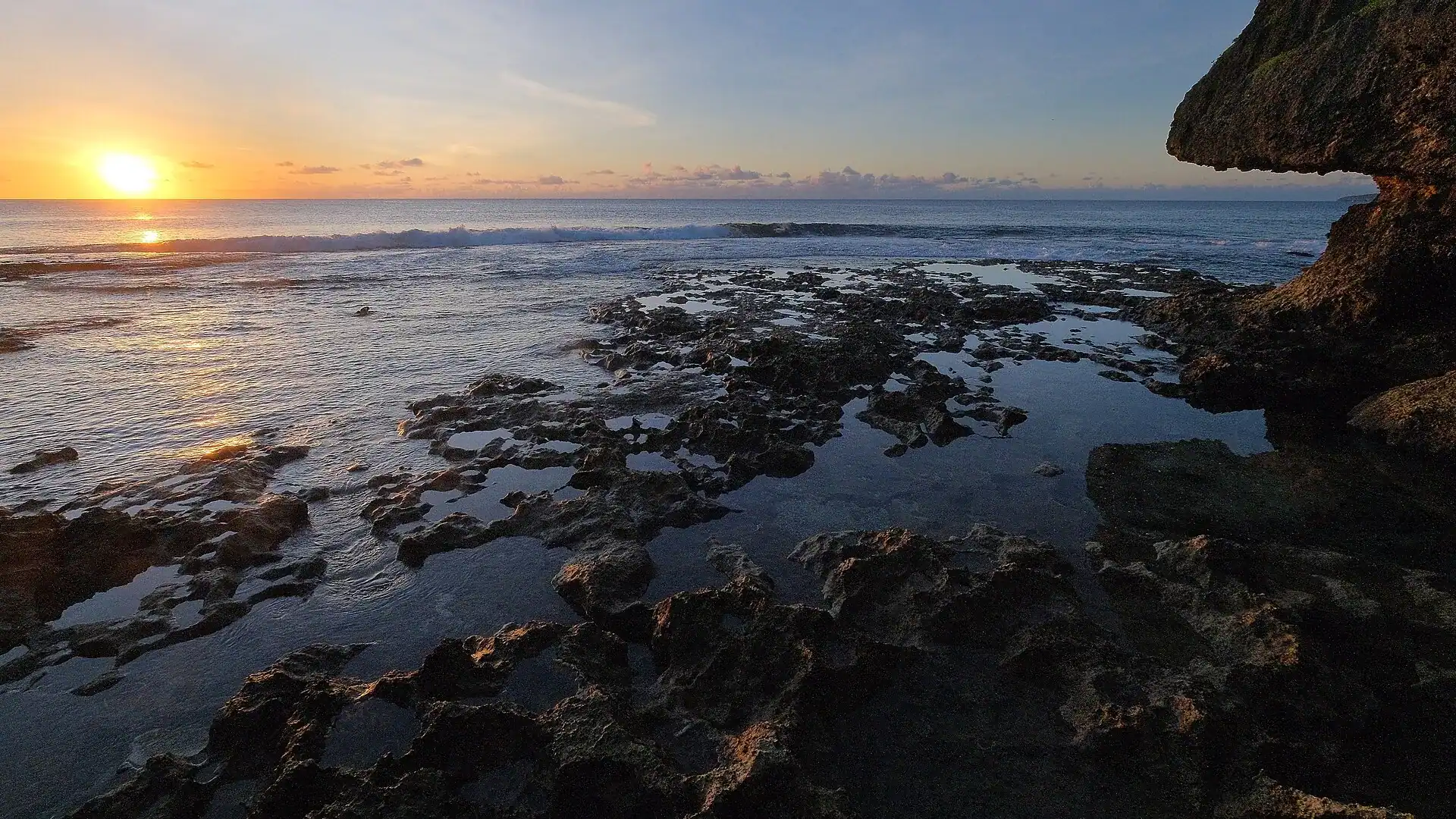 Photo: Pseudopanax at English Wikipedia / Wikimedia Commons (Public domain)