Cost of Living in Saipan
Where this figure comes from. No cost survey covers Saipan, so the $1,900 a month above is our own estimate rather than a measurement. On 416 of our 999 city guides the figure is built from a published Numbeo basket, a one-bedroom rent in the centre plus one person's monthly costs without rent, converted to USD; this city is not one of them. How we source everything.
Budget around $1,900 a month, which makes Saipan noticeably cheaper than Guam a short flight south. A one-bedroom runs roughly $700 to $1,200, and the collapse of the Chinese tourism market left a good deal of accommodation looking for tenants. Groceries carry the same Pacific freight markup as everywhere out here, and imported produce is expensive. Eating out is cheap, with Filipino, Korean, Chinese and Chamorro food all widely available and priced for local wages rather than visitors. Utilities are the sting: power on Saipan is expensive and air conditioning runs most of the year. The United States dollar is the currency. Power is the line that catches everyone: Saipan's electricity is among the most expensive under the American flag and a household running air conditioning continuously can pay $200 to $400 a month for it alone. Diving is the other structural cost, with a two-tank boat dive around $120 and shore dives at the Grotto considerably less. Groceries at the two main supermarkets run well above mainland prices for anything not grown locally.
Where to Work in Saipan
Connectivity is adequate rather than good. Saipan was on a single ageing submarine cable for years and outages were a recurring problem; a second connection has improved matters but speeds and prices still lag Guam. Mobile data covers the populated west coast. Power is less reliable than on Guam and generators are common in businesses. There is essentially no coworking, so most people work from accommodation. Like Guam, Saipan runs ten hours ahead of GMT, which suits work with East Asia and is punishing for anything on American or European hours. The ten-hour offset from GMT is worth thinking through before committing: Saipan is level with Guam and Tokyo, an hour ahead of Manila, and fifteen hours ahead of New York, which puts an American working day in the middle of the Saipan night. Anyone with mainland United States clients is looking at permanent night shifts rather than an awkward overlap.
Getting Around Saipan
You need a car. Saipan is about twenty kilometres long with a single main road down the west coast through Garapan and Susupe, no useful public transport, and attractions scattered from Banzai Cliff in the north to the airport in the south. Rentals are cheap and plentiful. Garapan, the main town, is walkable within itself. Saipan International Airport connects to Guam several times a day and directly to Seoul, Tokyo and a shifting set of Chinese cities, with Guam the reliable route to anywhere else. The road to the Forbidden Island lookout and the northern cliffs is worth the drive. Car hire runs about $30 to $45 a day and considerably less monthly. The island's northern end past Marpi is largely undeveloped and the road deteriorates, while Managaha, the small island in the lagoon, is a short boat ride and is where most of the day-trip snorkelling happens. A small ferry runs out to the islet in the lagoon several times a day, which is the standard half day here and the best snorkelling reachable without chartering a boat. An American phone plan works as a domestic one, a small saving that adds up.
Sorting transport? Book an airport transfer, or compare car rental on Auto Europe and QEEQ.
Visas for Saipan
The Northern Mariana Islands are a United States commonwealth and share Guam's visa arrangement. The Guam and Northern Mariana Islands visa waiver programme admits citizens of several Asian countries, including South Korea, Japan and Taiwan, for forty five days, and there is a separate discretionary parole arrangement for Chinese and Russian visitors that has been suspended and restored more than once. Everyone else needs a United States visa or ESTA. There is no remote work visa and visitor status does not permit work. United States citizens can live and work here without any permission at all. The rules on that parole route have moved more than once since 2019, and published guidance lags behind each change. American citizens need no permission of any kind, which is the single biggest practical distinction here. A transitional worker permit unique to this commonwealth has been on a legislated path to expiry for years and repeatedly extended, and the uncertainty around it shapes the whole local labour market. None of it helps a remote worker, but it explains the anxiety in any conversation about the economy.
Best Time to Visit Saipan
December to June is the dry season and the best window, warm at around thirty degrees with lower humidity and the clearest water for diving the Grotto. July to November brings the rains and the typhoons, and Saipan has taken direct hits, including Typhoon Yutu in 2018 which was among the strongest storms ever to strike United States soil. Recovery from that took years and is still visible in places. Sea temperature is warm year round. The dry season is also when the island is busiest with Korean and Japanese visitors, which is a small effect these days. Typhoon Yutu was a category five storm and the strongest to hit any part of the United States since 1935, which gives some measure of the exposure. The recovery reshaped parts of the island and some structures were never rebuilt, which is visible driving around the south.
Pros and Cons of Saipan
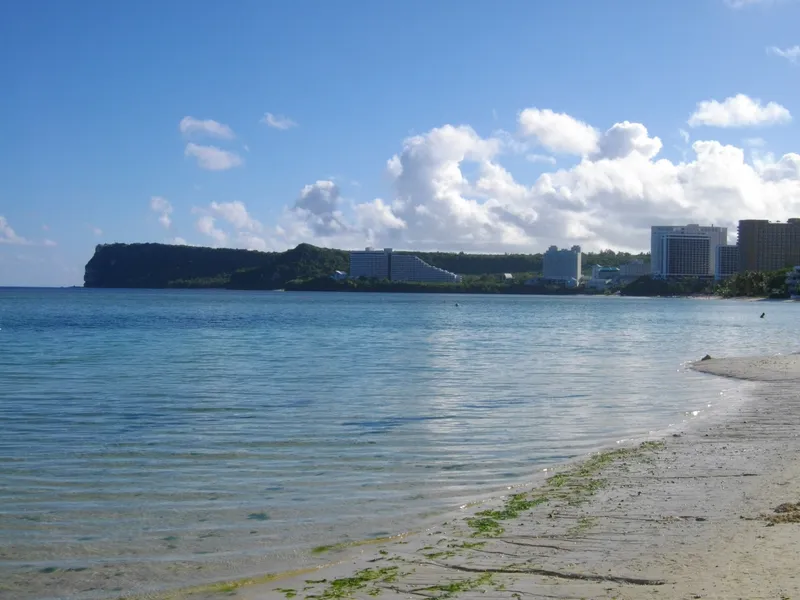
What brings people here is world-class diving at a price no comparable destination matches, backed by American legal and medical systems, everything in English, and an island that is genuinely quiet. The Grotto is one of the best-known cavern dives anywhere and it is fifteen minutes from town. Infrastructure is thinner than Guam's, the economy has not recovered from the collapse in tourism, dereliction is visible in places, and the flight map has shrunk to a handful of routes. Connectivity is workable but not something to stake a business on. There is no remote worker community whatsoever. The Grotto is a collapsed limestone cavern connected to the open ocean by three underwater tunnels, reached down a long flight of steps, and the surge inside makes it a genuinely serious dive rather than a beginner site despite how accessible it looks from the car park.
Who Saipan Is For
Divers above all, and anyone after a quiet tropical base with United States systems at a lower cost than Guam or Hawaii. It suits people working East Asian hours. Pacific war history sits in the open on this island. The 1944 battlefield sites are unfenced and largely as they were left, which is a very different thing from a museum with an entrance. Reliable high-speed connectivity is beyond what this island can deliver, no social scene exists to join, and clients in Europe or the Americas sit on the wrong side of the date line for a workable day. Quiet is the whole proposition, and American paperwork comes attached to it. Fewer than fifty thousand people live in the territory and the northern half of it is close to empty. Chamorro and Carolinian culture stay present here in a way that Guam's much larger military footprint has worn down, and the Commonwealth is small enough that somebody who stays a while ends up part of the community rather than looking in at it from outside.
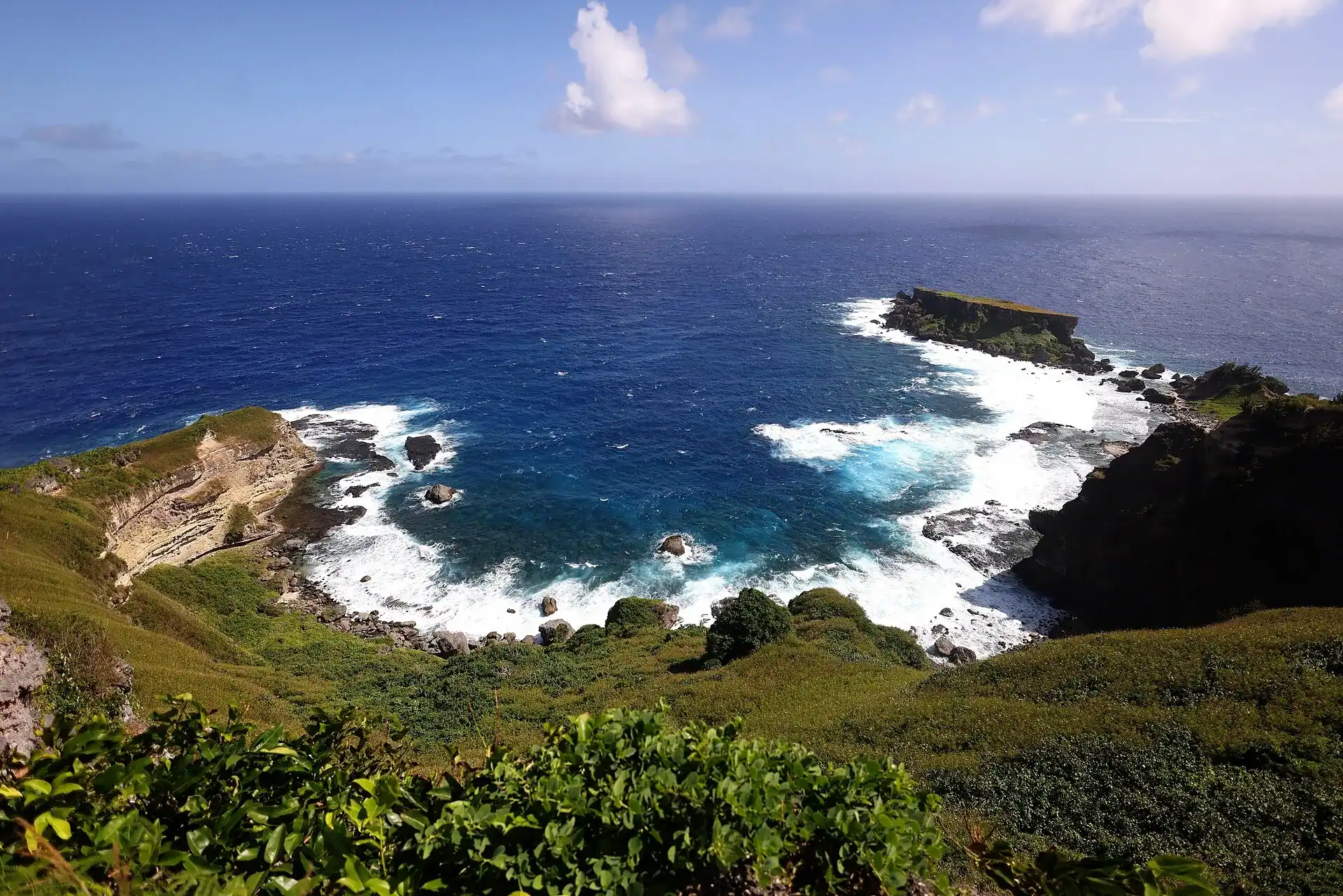 Photo: Gage Skidmore / Wikimedia Commons (CC BY-SA 4.0)