Cost of Living in Nadi
Where this figure comes from. No cost survey covers Nadi, so the $1,300 a month above is our own estimate rather than a measurement. On 416 of our 999 city guides the figure is built from a published Numbeo basket, a one-bedroom rent in the centre plus one person's monthly costs without rent, converted to USD; this city is not one of them. How we source everything.
Budget around $1,300 a month as a solo remote worker in Nadi, which is moderate for the Pacific and reflects an island economy where almost everything imported carries freight and duty. A one-bedroom flat runs roughly $450 to $750. Local produce from the market is cheap and Indo-Fijian food costs very little, while anything Western-facing, particularly in the resort areas at Denarau, is priced for tourists. Alcohol and electronics are expensive. This is our own estimate rather than a reconciliation against measured cost data, so treat it as a planning figure. The two-price pattern is the thing to learn quickly. The same meal, taxi or excursion carries a resort price and a local price, and the gap is wide enough that a month lived on the local side of it costs perhaps half what the same month costs on the other. Rentals are usually unfurnished and asked for with a bond plus a month in advance. Electricity is expensive and air conditioning is what drives the bill. Anyone staying a while should shop at the market rather than the supermarkets, where the difference is largest of all.
Where to Work in Nadi
Connectivity is the weakest part of the case. Fiji has fibre in the main towns and Nadi has usable connections, but speeds are modest by international standards, reliability is inconsistent and data costs more than in Asia or Europe. Mobile coverage is reasonable along the western corridor and patchy elsewhere. There is minimal coworking. Power cuts occur, and cyclone season can take infrastructure down for days. Anyone with a demanding video schedule should test a specific connection carefully rather than assume the resort wifi is representative. Suva, four hours away, has the country's better infrastructure if a stretch of reliable work becomes necessary. The time zone is the other structural issue and it is rarely mentioned. Fiji sits twelve hours ahead of London and nineteen ahead of the American west coast, which puts it a day ahead of most clients and makes live overlap with Europe or North America genuinely awkward rather than merely inconvenient. Australia and New Zealand are the exception and are close. A local SIM with a data bundle is cheap enough to be the sensible backup, and coverage along the Queens Road corridor is the best in the country.
Getting Around Nadi
Nadi is small and the main town along Queens Road is walkable, though the airport, Denarau and the port are spread along a corridor that needs transport. Local buses are very cheap and taxis are inexpensive and metered in town. Denarau, where the marina and the boats to the Mamanuca and Yasawa islands leave from, is fifteen minutes west. The Coral Coast runs southeast and Suva is about four hours by road. The airport is the Pacific's main hub for onward connections. Driving is on the left and the Queens Road carries most of the island's traffic, with standards that require attention rather than confidence. The local buses are open-sided with no glass in the windows, which is the cheapest and much the most pleasant way to travel the coast in the heat. Boats to the islands run to a fixed daily schedule built around the flight arrivals rather than continuously, so a same-day connection needs its timings checked in advance. The Kings Road around the north of Viti Levu is the alternative route to Suva, longer and far more scenic, and it takes most of a day with stops.
Sorting transport? Book an airport transfer, or compare car rental on Auto Europe and QEEQ.
Visas for Nadi
Fiji grants most Western nationals four months visa-free on arrival, which is unusually generous and extendable to six months in total. Fiji has no dedicated digital nomad visa, and its longer permits are built for other people: work permits cover jobs in Fiji and are usually lodged by the employer, while the Residence Permit on Assured Income is limited to applicants aged 45 or over who will not take employment. The four-month entry alone makes an extended stay straightforward without paperwork. Fiji is outside every regional visa bloc, so time here counts against nothing else. Pacific entry rules change with little notice. Anyone island-hopping onward through the Pacific should note that Fiji is the regional aviation hub, so most routings pass back through Nadi. Proof of onward travel is checked at the gate rather than on arrival, and airlines enforce it more strictly than immigration does, so a one-way ticket is the most common reason people are stopped before they even leave. Extensions are applied for at the immigration office before the four months run out and are usually granted without difficulty. Working for a Fijian employer needs a permit and the visitor entry does not allow it, while remote work for a foreign employer occupies the same unlegislated space it does almost everywhere.
Best Time to Visit Nadi
May to October is the dry season and the reason to come: warm days around twenty-nine, lower humidity, reliable sun and calm seas for the island boats. That is also peak season, when accommodation prices rise. The wet season from November to April brings heavy afternoon rain, high humidity and the cyclone season, which runs to the end of April and is a genuine planning consideration rather than a formality, since Fiji is hit regularly and severely. Nadi itself sits on the drier western side of Viti Levu. Anyone planning around the island boats should also know the Yasawa transfers are weather-dependent and cancel in a strong swell. The shoulder weeks in early May and late October give dry-season weather at wet-season prices and are the best value of the year. Australian and New Zealand school holidays cause sharp local spikes that have nothing to do with the weather and are worth checking against any booking. Fiji's Indo-Fijian population also means Diwali is a public holiday and a genuinely lovely time to be here, falling in October or November depending on the year.
Pros and Cons of Nadi
Nadi is the arrival point for Fiji and the base for the Mamanuca and Yasawa islands, which are the reason most people come, with a four-month visa-free entry that makes a long stay easy. Fijian and Indo-Fijian cultures sit side by side and the hospitality is genuine. Connectivity is weak, and the town itself does a job rather than charm anyone, Pacific costs are higher than the tropics elsewhere, and the cyclone season is a real risk from November to April. The town is also a place most visitors pass through in a day on the way to the islands, which means the services are built for transit rather than for residents. Healthcare is limited, with the better private facilities in Suva and anything serious meaning evacuation to Australia or New Zealand, which is standard cover for anyone staying long. And Fiji's politics carry a history of coups, four of them since 1987, though the last was in 2006 and the country has since returned to elected government. That is context rather than a current warning, and it explains some of the caution older residents still carry.
Who Nadi Is For
Divers, sailors and anyone whose plan is the islands rather than the town, plus travellers who value the generous visa entry. It works for people whose work can tolerate an unreliable connection. A demanding remote schedule and this island's bandwidth are not compatible, and Fiji has no nomad community for anybody to arrive into. Budget travellers should adjust their expectations before booking rather than after: Pacific island economics work nothing like Southeast Asian ones, and the difference shows up on the first grocery bill. Connections are the practical argument. Flights onward to Australia, New Zealand and the smaller island states run more reliably from here than from anywhere else in the Pacific, which makes this a hub rather than a terminus. Most people who stay months rather than weeks do not stay in the town itself. The Coral Coast an hour southeast, or Savusavu on Vanua Levu for anyone wanting somewhere genuinely quiet, is where the longer-term foreign residents actually are, and Nadi becomes the place you pass through for the airport. Families do well in Fiji, with international schooling available around both Suva and Nadi, and the culture is exceptionally welcoming to children.
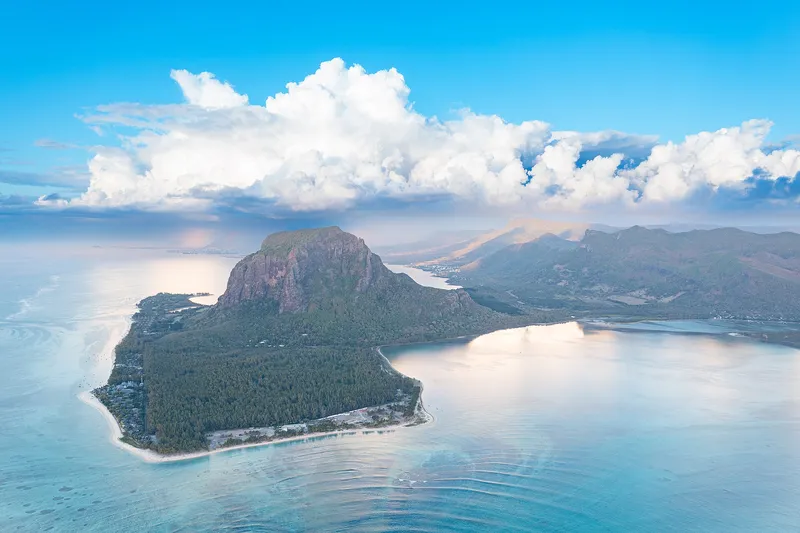
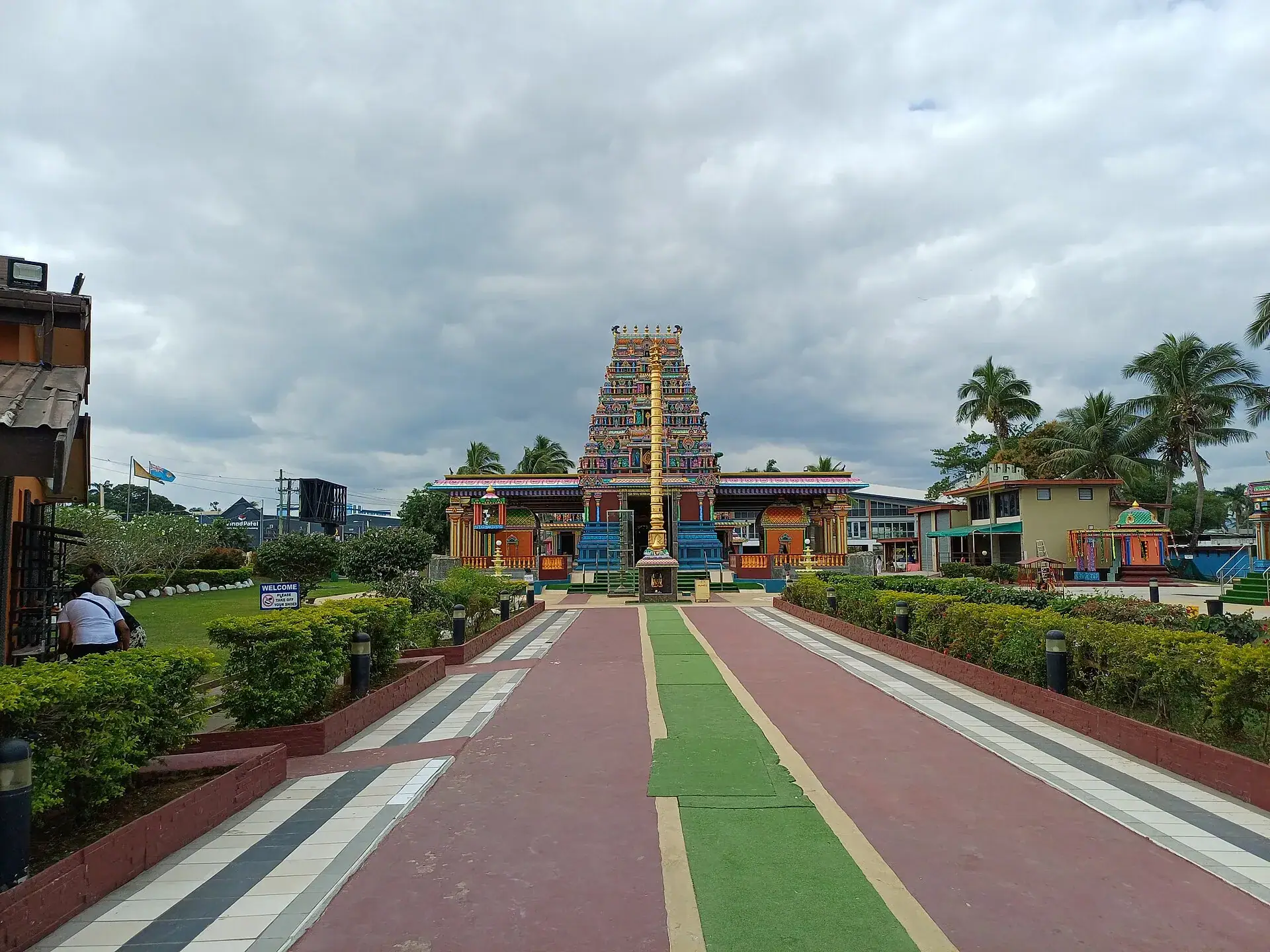 Photo: Radosław Botev / Wikimedia Commons (CC BY 3.0 pl)