Cost of Living in Majuro
Where this figure comes from. No cost survey covers Majuro, so the $1,900 a month above is our own estimate rather than a measurement. On 416 of our 999 city guides the figure is built from a published Numbeo basket, a one-bedroom rent in the centre plus one person's monthly costs without rent, converted to USD; this city is not one of them. How we source everything.
Budget around $1,900 a month, which is high for what you get and reflects an atoll importing essentially everything. A one-bedroom runs roughly $700 to $1,200 and decent housing is genuinely scarce. Groceries are expensive and fresh produce is limited and irregular, with tinned and frozen food doing much of the work. Fish is cheap and excellent. Utilities cost a great deal because power is diesel-generated and water is collected rainfall or desalinated. Eating out is limited to a handful of restaurants at modest prices. The Marshall Islands use the United States dollar, and United States postal rates apply, which helps with shipping. The supply ship sets the rhythm of a shopping week more than any budget does. Fresh produce appears when a vessel arrives and thins out until the next one, so residents buy heavily on those days and eat from tins in between. Housing worth having is largely tied to employers and the government, which makes an independent search difficult rather than merely expensive. Water is rationed in dry spells, since the atoll depends on rainfall catchment, and that is a household constraint rather than a line on a bill.
Where to Work in Majuro
Connectivity is the main constraint. Majuro is served by a submarine cable and speeds are workable for email and light video, but capacity is limited, prices are high and outages happen. Mobile data covers the atoll. Power is diesel-generated and cuts occur. There is no coworking. Anyone whose work depends on constant high-bandwidth calls should treat Majuro as a difficult place to operate. The time zone is twelve hours ahead of GMT, which puts you a day ahead of most clients and makes the overlap with Asia and Australia the practical one. The date line runs just east of here, which means Majuro is a full calendar day ahead of Honolulu despite being a few hours' flight away, and that catches out anyone scheduling with the United States far more often than the hour count does. Salt air is hard on equipment here, since the ocean is on both sides of you at all times, so cases, silica packs and a habit of wiping down connectors are worth adopting early rather than after something fails. A battery backup covers the cuts, which are usually short.
Getting Around Majuro
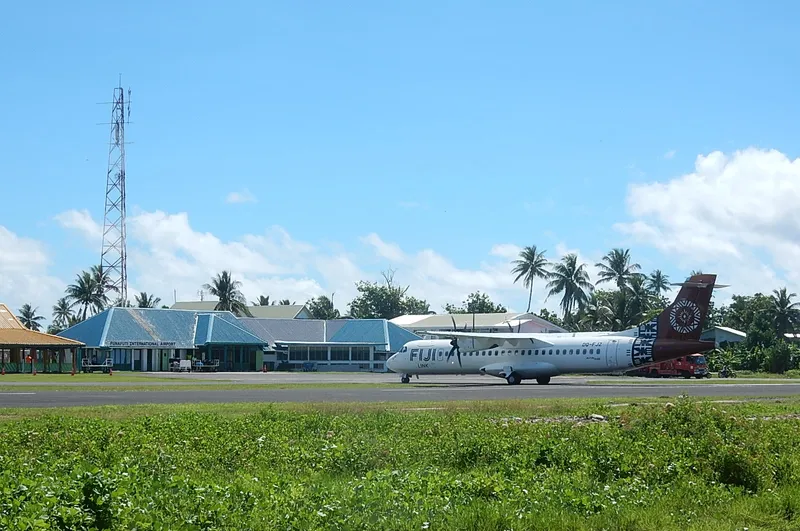
Majuro is a coral ribbon about fifty kilometres long and rarely more than a few hundred metres wide, so there is one road and everything is on it. Shared taxis run the length of it for a fixed low fare and are the normal way to move, flagged down anywhere. Bicycles work well on the flat. Amata Kabua International Airport sits on the atoll and connects to Honolulu and Guam on the United Airlines island hopper, a legendary route that stops at several Micronesian atolls on the way, plus flights to Fiji and Kiribati. Everything beyond the atoll is reached by the government field trip ships, which serve the outer islands on an irregular schedule measured in weeks and carry passengers in basic conditions, or by the small aircraft of the domestic airline, subject to the same weather and maintenance realities. Neither is bookable in the way a visitor expects. On the atoll itself, that single road carries everything, and the stretch through the main settlements is congested at peak in a way that seems improbable until you see it.
Sorting transport? Book an airport transfer, or compare car rental on Auto Europe and QEEQ.
Visas for Majuro
The Marshall Islands are generous. Most Western nationalities receive thirty days visa-free on arrival, extendable in-country, and United States citizens may live and work here indefinitely under the Compact of Free Association, the arrangement that also allows Marshallese citizens to live and work in the United States. There is no remote work visa. The rules for extensions have shifted. Proof of onward travel is normally required at check-in rather than on arrival. Anyone arriving on the island hopper should note that the flight crosses several atolls and that a missed connection can mean waiting several days for the next one. Visiting an outer atoll needs more than a flight. Local permission is customary and usually arranged through a contact or the local council, and turning up unannounced is not the done thing. Anyone extending should budget time rather than money, since the process is unhurried. Health screening requirements have changed more than once in recent years.
Best Time to Visit Majuro
December to April is the drier season and the best window, with steadier trade winds and less rain. May to November is wetter. Temperatures barely move from around twenty nine degrees all year and the humidity is constant. The Marshall Islands sit outside the main typhoon belt, which is a real advantage, but king tides now regularly wash across the road, and that is the more relevant hazard here. Sea temperature is warm year round and the lagoon is calm on the leeward side whatever the season. Anyone planning around the king tides should know they follow the lunar calendar rather than the seasons, and the highest of them are published locally in advance. Drought is the seasonal risk that matters most on an atoll with no groundwater worth the name, and the Marshall Islands have declared states of emergency over water in dry El Nino years, so the rain a visitor finds inconvenient is what the country actually runs on. Constitution Day at the start of May is the main national holiday. The steadier trades of the dry months are also what make the lagoon good for sailing, which is how the atoll is best seen.
Pros and Cons of Majuro
Few places let you see the consequences of sea level rise from a normal street, in a country arguing its own case at every climate conference, and fewer still put a lagoon this beautiful around them. Diving and fishing are exceptional and uncrowded. Prices are high, the food selection is narrow, connectivity is thin, flights are rare, medical care is minimal, and there is no professional community of any kind to plug into. The nuclear testing legacy at Bikini and Enewetak still shapes the country's politics and health. The country also runs the second largest ship registry in the world, which is why so many vessels anywhere carry a Marshall Islands flag on the stern. Serious medical care means a flight to Honolulu or Manila, and there is no version of a stay here in which evacuation cover is optional. And the nuclear legacy has a physical form: the concrete dome at Runit on Enewetak covers contaminated debris from the testing programme, it is cracking, and what happens to it as the sea rises is an open and much-argued question.
Who Majuro Is For
People with a working reason to be here: climate researchers, development and health staff, fisheries people, and anyone connected to the Compact relationship with the United States. It suits divers who want wrecks and reef with nobody on them. Treating the Marshall Islands as a lifestyle destination misreads them badly, connectivity is not reliable, and an atoll that is small, flat and a very long way from anywhere is a difficult place to be for most people who try it. Maritime law and shipping registration are unexpectedly central here. The Marshall Islands registry is administered from this atoll and is a substantial part of how the country funds itself. Anyone coming should be prepared for how narrow the ground is, socially as much as physically. The community is small enough that a visitor is known within days and stays known, so a short first visit answers most of the question about whether that suits you. It is worth arriving having read something about the testing programme and the compensation arguments, since the subject comes up and someone who knows nothing about it is noticed. A great many Marshallese now live in the United States, particularly in Arkansas and Hawaii, which is part of the country's present rather than a footnote to it.
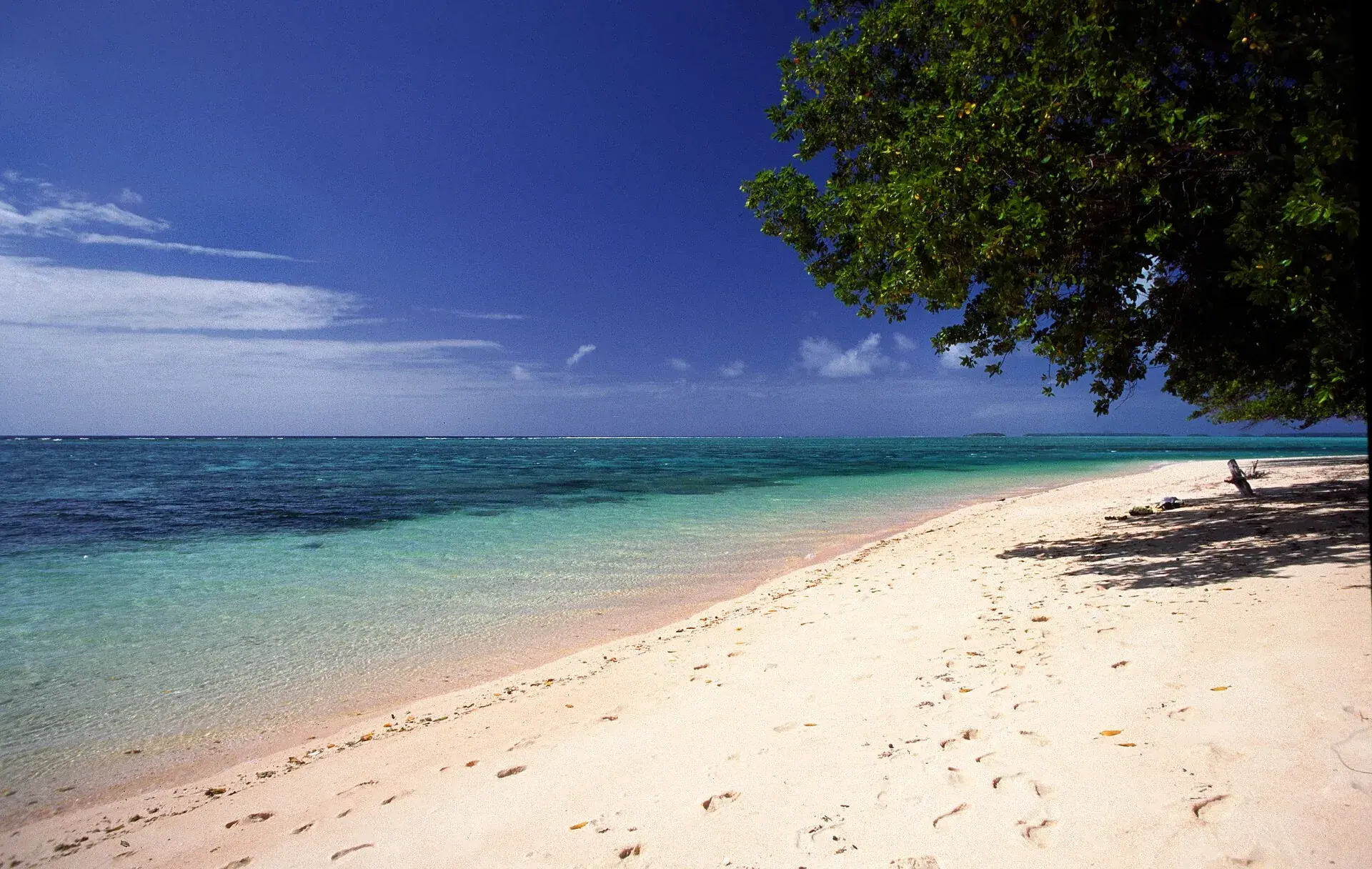 Photo: mrlins / Wikimedia Commons (CC BY 2.0)