Cost of Living in Nukualofa
Where this figure comes from. No cost survey covers Nukualofa, so the $1,200 a month above is our own estimate rather than a measurement. On 416 of our 999 city guides the figure is built from a published Numbeo basket, a one-bedroom rent in the centre plus one person's monthly costs without rent, converted to USD; this city is not one of them. How we source everything.
Budget around $1,200 a month as a solo remote worker in Nuku'alofa, which is moderate for the Pacific. A one-bedroom place runs roughly $350 to $650. Food from the Talamahu market is cheap and Tonga grows root crops, coconut and fruit in quantity, but almost everything else is imported and the freight cost shows on every shelf. The pa'anga is stable and remittances from Tongans abroad are a substantial part of the economy. Prices rose after the 2022 eruption and have not fully settled. This is our own estimate rather than measured data. Imported staples carry the freight premium most visibly: a box of cereal or a block of cheese can cost several times what it would in Auckland, which is where most of it arrives from. Land here cannot be bought by anybody, foreigner or not: it belongs to the Crown and is held under a traditional allocation, so a long lease is the only arrangement on offer and the terms are settled with a noble estate rather than with an owner. Renting a house is straightforward enough, but any longer plan runs into that wall early. Kava circles in the evening are the standard social outing and cost next to nothing.
Where to Work in Nukualofa
Connectivity is the honest weak point of a stay here. The country depends on a single submarine cable, and when the Hunga Tonga eruption severed it in January 2022 the entire nation was cut off from the internet for weeks. The cable has been repaired and a backup arrangement exists, but the vulnerability is structural. Fibre reaches parts of Nuku'alofa and mobile data from Digicel and TCC is the fallback. Power cuts happen. There is no coworking. English is an official language alongside Tongan and is widely used. Tonga sits thirteen hours ahead of GMT and is among the first places on earth to see each date, which puts a European afternoon in the Tongan small hours and makes European work close to impossible. A large share of the working-age population spends part of each year picking fruit in New Zealand or Australia under seasonal labour schemes, and the money that comes back is what builds the houses going up everywhere. That pattern shapes who is around and when. For an outsider it means an unusual amount of familiarity with life abroad, and very little curiosity about what a visitor does for a living.
Getting Around Nukualofa
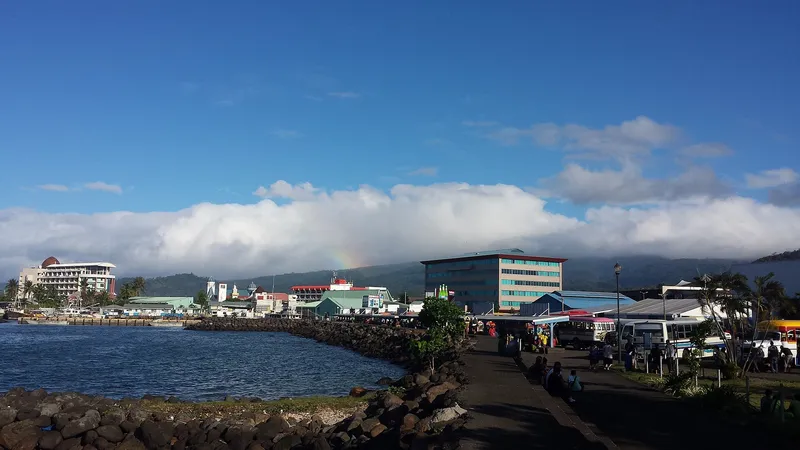
Nuku'alofa sits on the north coast of Tongatapu, a flat coral island, and the centre around the market and the waterfront is walkable. Minibuses cover the island cheaply on loose schedules and taxis are inexpensive. Most residents drive, on the left. Fua'amotu airport is thirty minutes south with flights to Auckland, Sydney and Fiji. Ferries and small aircraft reach Vava'u and Ha'apai, the northern island groups, and Vava'u is where the sailing and most of the whale swimming happens, which is what brings most visitors to the country at all. Nothing runs on Sunday. The Sabbath is written into Tongan law, so ferries, buses, shops and most flights stop, and a week has to be planned around it rather than through it. A road runs right around the island and the circuit takes a couple of hours with stops, which is the standard way to see it: blowholes on the south coast that fire spray through the reef for a kilometre at a time, and trilithon stones inland older than anything else in this ocean. The surface away from the capital is rough, and a hire car takes longer over it than the distance implies.
Sorting transport? Book an airport transfer, or compare car rental on Auto Europe and QEEQ.
Visas for Nukualofa
Tonga grants a visitor's visa on arrival to citizens of most countries for thirty days, free of charge, extendable in-country up to six months for a fee. It is simple and requires a passport, onward ticket and proof of accommodation. There is no remote work visa. Longer stays require a business or residence visa with local sponsorship. Anyone planning to swim with humpbacks should know that the activity is licensed and regulated, and that operating outside a licensed tour is not permitted. Anyone arriving by yacht should clear in at Nuku'alofa, Vava'u or Ha'apai, since those are the designated ports of entry for the kingdom. Extensions are granted a month at a time at the immigration office in Nuku'alofa, so a six-month stay means returning several times rather than applying once.
Best Time to Visit Nukualofa
May to October is the dry, cooler season and the practical window, with daytime temperatures around twenty-six and lower humidity. It also contains the reason most people come: humpback whales migrate to Tongan waters to calve between roughly July and October, and Tonga is one of a very small number of places in the world where swimming with them is legal and regulated. November to April is the wet season and the cyclone season, and Tonga is exposed. The Hunga Tonga-Hunga Ha'apai eruption and tsunami of January 2022 was among the most violent volcanic events ever recorded. Whale season also sets the accommodation market: Vava'u fills from July and the good operators are booked months ahead, so a trip timed for the humpbacks needs arranging well in advance. The kingdom marks the monarch's birthday with a week of parades, dancing and a pageant in the middle of the year, and it is the largest thing in the national calendar by a distance. Preparing for cyclones is an ordinary seasonal chore rather than an emergency response, with shutters going up and water put by as a matter of course.
Pros and Cons of Nukualofa
Tonga is the only Pacific nation never colonised, still a kingdom, and the sense of a country running on its own terms is immediate. Swimming with humpback whales in Vava'u between July and October is something almost nowhere else permits. The Ha'apai group has genuinely empty islands. The internet is fragile in a way that has already cut the country off once, the infrastructure is limited across the board, there is very little to do in Nuku'alofa itself, Sunday closes everything by law, and the cyclone and volcanic exposure are real. Tonga is also low-lying and its exposure to sea level rise is not a distant concern here but a live subject of national policy, which shapes a good deal of the conversation on the islands.
Who Nukualofa Is For
Nuku'alofa suits someone whose reason for coming is the whales, the sailing in Vava'u or the empty islands of Ha'apai, and who treats the capital as the way in rather than the destination. Work that tolerates an unreliable connection is close to a requirement. A call-heavy schedule and Tongan bandwidth are a poor match, nightlife is thin, and the country closes on Sundays by law rather than by custom, which is a real constraint on a working week and catches people out. Time the trip for the whale season or the case for coming weakens considerably. It also suits sailors, since Vava'u is one of the great cruising grounds of the Pacific and has a charter fleet to match. Anyone considering a longer stay should treat the single cable as the planning constraint it is, and keep work that can be done offline for the weeks when it cannot.
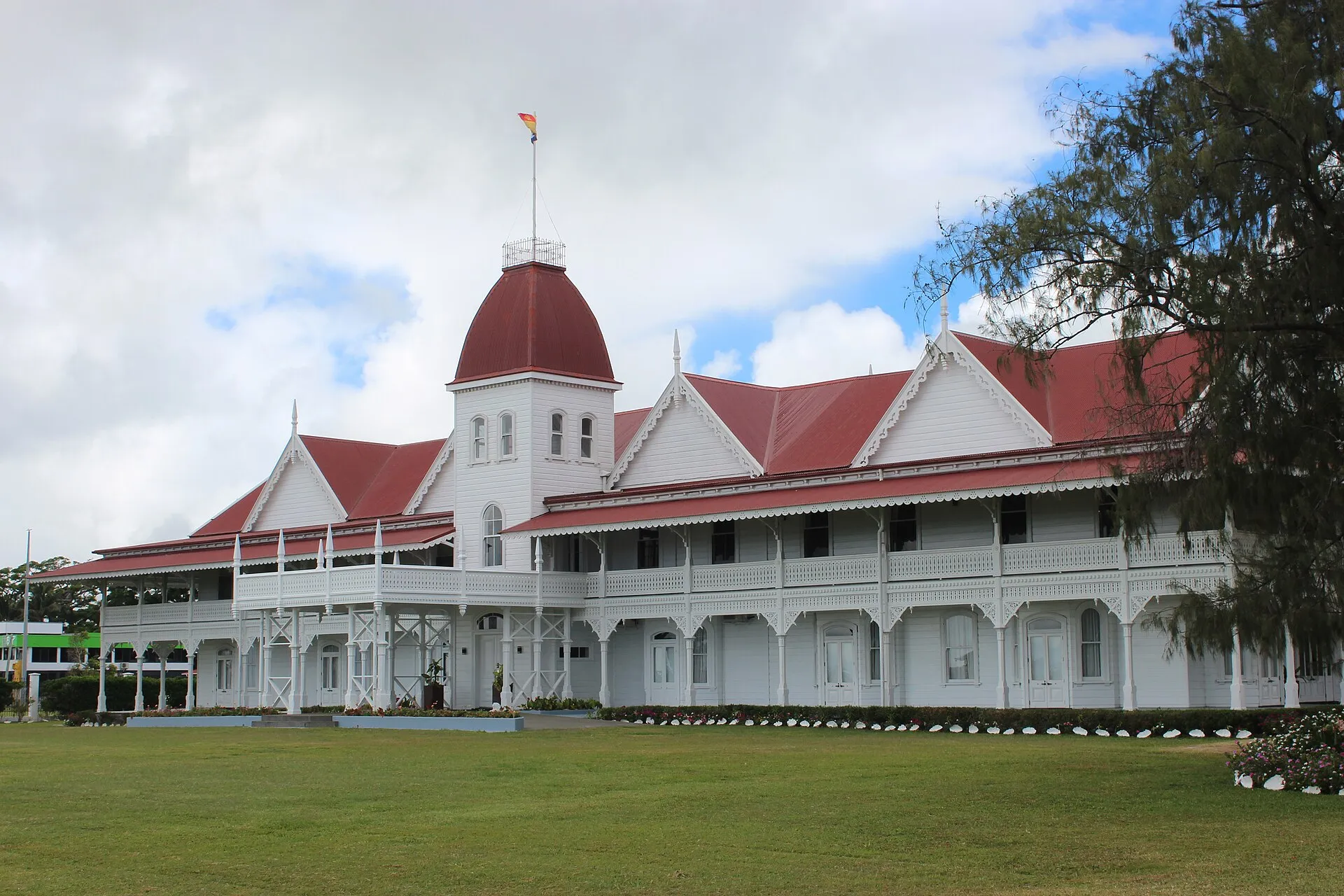 Photo: Uhooep / Wikimedia Commons (CC BY-SA 4.0)