Cost of Living in Gordes
Where this figure comes from. No cost survey covers Gordes, so the $1,250 a month above is our own estimate rather than a measurement. On 416 of our 999 city guides the figure is built from a published Numbeo basket, a one-bedroom rent in the centre plus one person's monthly costs without rent, converted to USD; this city is not one of them. How we source everything.
Gordes is one of the pricier bases in Provence, closer to a boutique Riviera village in cost than to a typical rural French town. A studio or one-bedroom rental in or around the village runs roughly $1,040 to $1,610 per month if you can find one at all; short-term stays in gites and chambres d'hotes are the norm and often cost more per night than a comparable room in Avignon or Aix. Groceries at the small village shops or the weekly Tuesday market are noticeably marked up over supermarket prices in Cavaillon or Apt, though a car makes those cheaper towns a short drive away. A coffee on a terrace overlooking the valley can run $4.50 to $6, and a simple lunch menu at a village restaurant is typically $25 to $37, climbing higher at the well-known tables with a view. Dinner with wine at one of the better restaurants easily reaches $69 to $105 per person. Budget nomads generally do better basing in nearby Cavaillon, Apt, or even Avignon and visiting Gordes as a day or weekend trip, since accommodation there stretches a monthly budget far less. Expect a realistic all-in monthly cost of $2,530 to $4,030 for someone living in or immediately around Gordes, with July and August pushing costs noticeably higher due to lavender-season demand.
Where to Work in Gordes
There is no dedicated coworking space in Gordes itself; this is a village built for tourism and slow living, not remote-work infrastructure. Wifi is generally reliable in hotels, gites, and cafes, but it is not uncommon for rural fiber or ADSL connections to slow down during peak summer occupancy when every rental in the valley is full. A handful of hotel bars and cafe terraces around the Place du Chateau and Place Genty Pantaly will tolerate a laptop for an hour or two over a coffee, especially outside the busy lunch and dinner service windows, but none are set up as true work cafes with power outlets at every table. Some higher-end hotels offer day passes to non-guests that include a quiet lounge or garden with usable wifi, which is often the most comfortable option for a half-day of focused work. For anything resembling a real coworking desk, community events, or fast dedicated fiber, you will need to drive to Apt or Avignon, both of which have small coworking spaces and far better connectivity infrastructure. Gordes works best as a place to write, think, and take video calls from a scenic balcony rather than a place to plug into a nomad work community.
Getting Around Gordes
A car is essential. Gordes sits on a steep hillside in the Luberon with narrow, winding roads, and while the village itself is walkable once you arrive, reaching it, and reaching almost anything around it, depends on driving. The nearest airports are Marseille Provence and Avignon, both roughly 45 minutes to just over an hour away by car, with Marseille offering far more international connections. Public buses exist but are sparse, often just one or two runs a day between Gordes and Cavaillon or Apt, and they are not a realistic option for regular errands or day trips to neighboring villages like Roussillon or Menerbes. Parking within the old village is tight and largely restricted to a payante lot below the castle, so most visitors park on the outskirts and walk up. Cycling is popular with visitors in cooler months but the terrain is genuinely hilly and better suited to leisure rides than daily transport. If you plan to stay more than a few days, renting a car for the duration is close to mandatory, and taxis are available but expensive and need to be booked ahead rather than hailed.
Sorting transport? Book an airport transfer, or compare car rental on Auto Europe and QEEQ.
Visas for Gordes
Gordes falls under standard French and Schengen entry rules. Most non-EU visitors, including US, UK, Canadian, and Australian passport holders, can stay visa-free for up to 90 days within any 180-day period across the Schengen Area, which covers short remote-work stints without any special permit. For longer stays, France offers a long-stay visitor visa (VLS-TS visiteur) for those who can show sufficient income or savings and agree not to work for a French employer, which suits many remote workers whose income comes from abroad. France also runs a Talent Passport and a French Tech Visa track aimed at skilled professionals, tech workers, and startup founders, which can lead to a multi-year residence permit, though the application is generally handled through a French consulate or, once in France, the local prefecture, not something managed from a village like Gordes itself. There is no Gordes-specific bureaucracy; anyone settling in for a longer stay will handle visa paperwork through Avignon or the Vaucluse prefecture in Avignon. UK nationals since Brexit are subject to the same 90/180 rule as other non-EU visitors unless they hold a longer-stay visa. For them a first landing at Marseille Provence now means fingerprints and a face image for the Entry/Exit System, which then keeps the running tally instead of a page of stamps.
Best Time to Visit Gordes
Late May through June is arguably the sweet spot, with the surrounding lavender fields near the Senanque abbey beginning to bloom, warm but not yet scorching days, and crowds still manageable. July brings peak lavender bloom and also peak tourist density, with narrow streets, restaurant terraces, and parking all under real pressure, plus daytime temperatures regularly above 30C. August continues the heat and crowds and adds the French national holiday exodus into the mix. September into early October is a strong alternative for those who want warm weather, thinner crowds, and grape harvest season in the surrounding vineyards. Winters, December through February, are mild by northern European standards but genuinely quiet, with many restaurants and shops closing or reducing hours, the famous views turning grey and misty rather than golden, and a real sense of the village emptying out. Spring, from March to May, offers a good middle ground with wildflowers, almond blossoms nearby, and shoulder-season pricing before the lavender rush begins.
Pros and Cons of Gordes
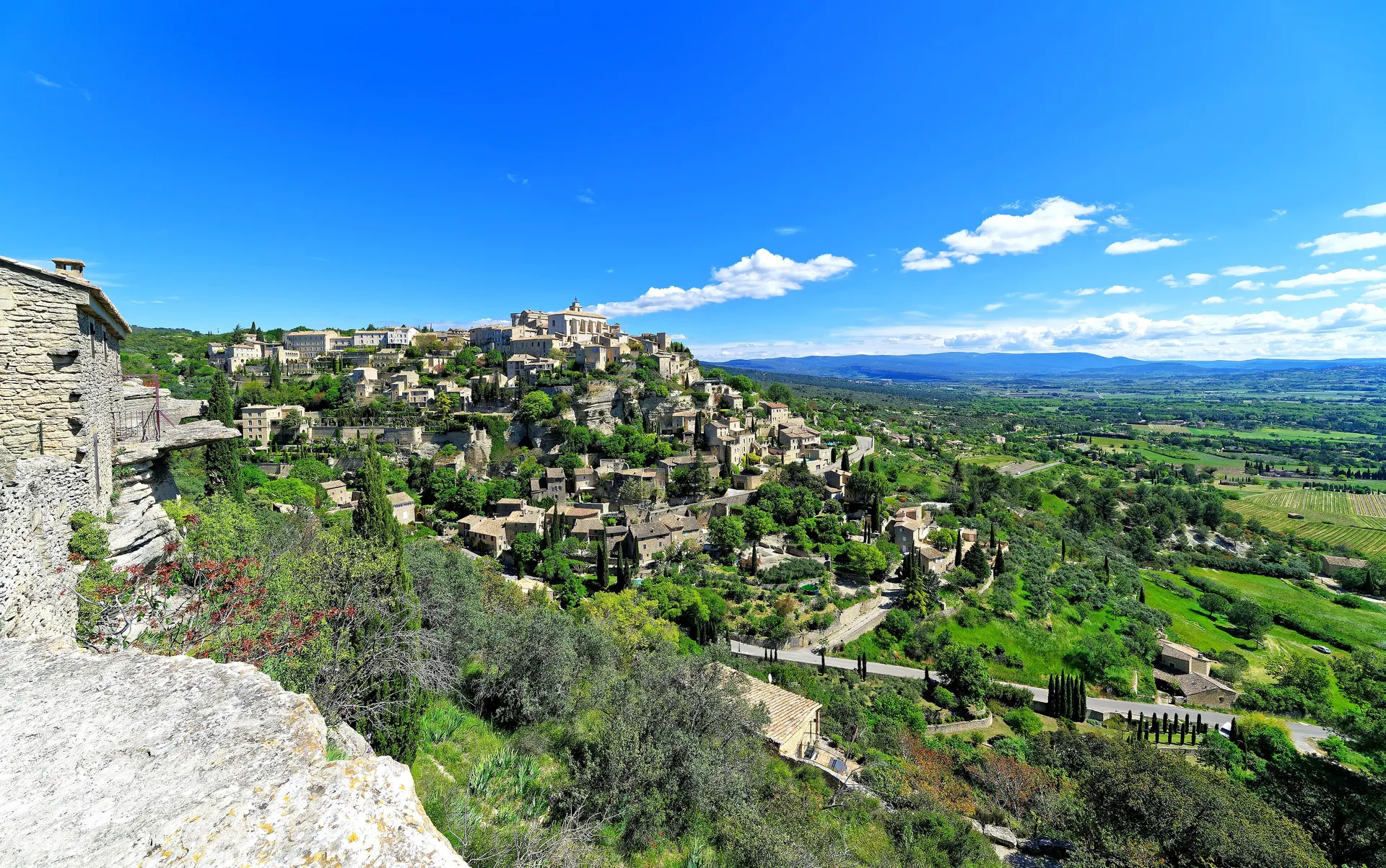
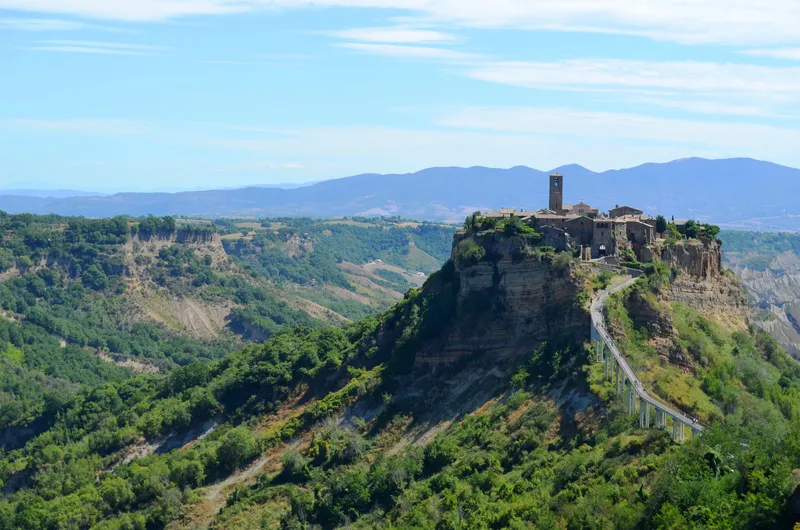
The pros are substantial for the right person: Gordes is genuinely one of the most beautiful villages in France, a tiered arrangement of honey-stone houses beneath a Renaissance castle, with sweeping Luberon views, excellent regional food and wine, and easy access to the lavender fields, the Village des Bories, and other celebrated Luberon villages. Safety is excellent, the pace is unhurried, and the natural surroundings reward anyone who enjoys hiking, cycling, or simply sitting with a glass of local rose watching the light change on the stone. The cons are equally real: accommodation and dining are expensive relative to most of France, the village is very small with limited day-to-day amenities, remote-work infrastructure is essentially nonexistent, public transport is impractical, and the summer tourist crush can make simple errands feel like navigating a theme park. There is also little in the way of a resident international community or nightlife, and much of the village's rhythm shuts down outside the main season.
Who Gordes Is For
Gordes suits nomads who want a short, scenic, high-quality retreat rather than a long-term base, ideally someone who already has a car, a flexible schedule, and a taste for quiet mornings and long lunches over networking events and coworking desks. Writers, photographers, and anyone doing deep solo work with occasional video calls will find the setting inspiring, provided they check their accommodation's wifi in advance and plan around peak-season crowds. It is a poor fit for anyone who needs daily coworking infrastructure, an active digital nomad community, budget living costs, or reliable public transport. Most remote workers are better served treating Gordes as a two-to-four-week seasonal indulgence, ideally in late spring or early autumn, based from a rental with confirmed fast wifi, while keeping Avignon, Aix-en-Provence, or Marseille in mind as the practical long-term Provence bases with real coworking scenes and better connectivity.