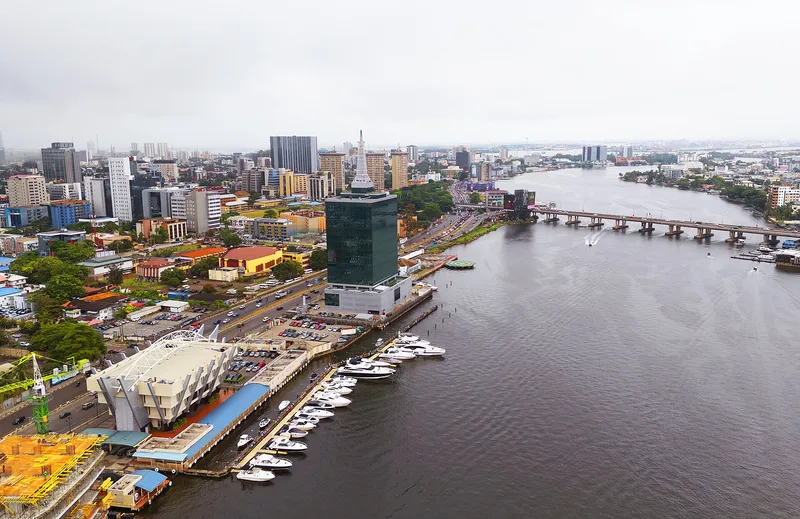
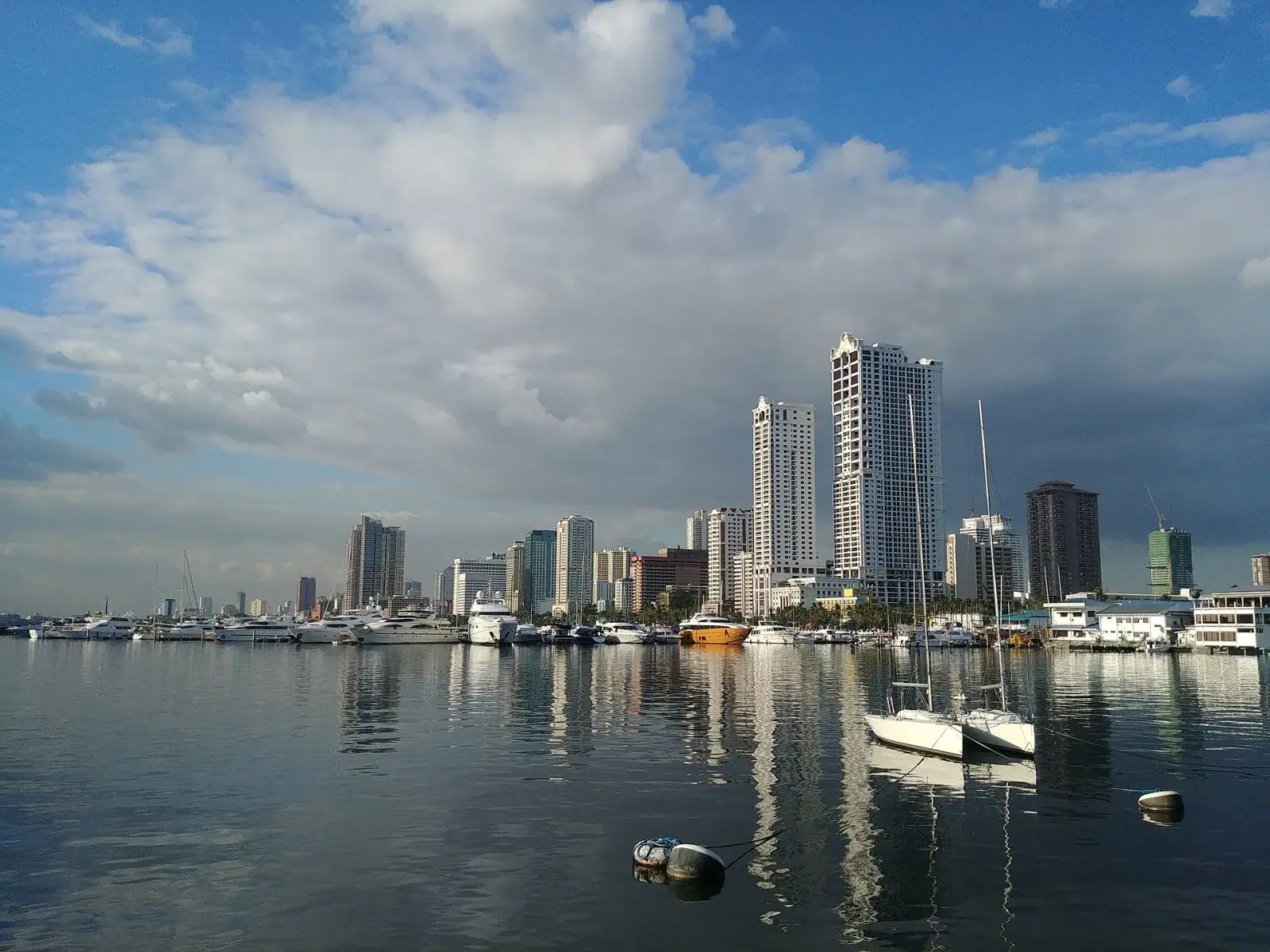
Manila skyline viewed from Harbor Square with yachts in the foreground
Photo: Lawrence Ruiz / Wikimedia Commons (CC BY-SA 4.0)
Philippines flag

Manila

Philippines

Experience chaotic megacity with warm locals and gateway to paradise islands.

$1.800
Monthly Budget
--
Current Weather
Tropical
Climate Type
50 Mbps
Avg. WiFi Speed
4/10
Safety Score
2,000+
Active Nomads
--
Time Difference
Scroll
0
Nomad Score

What Manila Offers Digital Nomads

Experience chaotic megacity with warm locals and gateway to paradise islands. A tropical climate and strong English make Manila an easy base, and at about $1,800 a month it fits a range of budgets. Keep nature access in mind.

Compare Manila vs Baguio →

Category Breakdown

How Manila scores across all 13 factors

Weather in Manila

Monthly averages from 2019-2023 (Open-Meteo), and the best time to visit

29°
23°
Jan
30°
23°
Feb
32°
24°
Mar
33°
25°
Apr
33°
26°
May
31°
26°
Jun
30°
26°
Jul
30°
26°
Aug
30°
25°
Sep
30°
25°
Oct
30°
25°
Nov
30°
24°
Dec
Daily high & low (°C)Rainfall (mm/month)Best months to visit

The best time to visit Manila for comfortable weather is Jan, Feb, Mar. The warmest month is Apr (around 33°C by day), and the wettest is Jul (about 386mm of rain).

Chasing good weather? See other cities that are warm in Jan, or plan a multi-city route around the seasons. Staying a while in Manila? Check visa options, your time-zone overlap and how far your budget stretches, or find it on the world map.

Historical monthly averages, not a forecast. Source: Open-Meteo.

Best Neighborhoods in Manila

Where to base yourself for the perfect nomad experience

Makati

$$$
Business & Expat

Philippines' business capital with expat infrastructure

Makati is Manila's financial heart - gleaming towers, upscale malls, and the best international restaurants. Poblacion offers nightlife, while Legazpi Village hosts weekend markets. It's where most expats and digital nomads base themselves.

Best for: Business professionals, expats, and nomads seeking Manila's best infrastructure
✓ Pros
  • Best infrastructure
  • Great restaurants
  • Expat community
  • Safe
✗ Cons
  • Very expensive
  • Traffic nightmare
  • Corporate feel

BGC (Bonifacio Global City)

$$$
Modern & Planned

Manila's newest city with planned streets

BGC is Manila's modern showpiece - planned streets, pedestrian-friendly zones, and the newest malls and restaurants. It feels more Singapore than Manila, attracting young professionals and families seeking order in the chaos.

Best for: Families, professionals, and nomads wanting modern, walkable Manila
✓ Pros
  • Walkable streets
  • Modern everything
  • Very safe
  • Great dining
✗ Cons
  • Most expensive
  • Artificial feel
  • Far from culture

Poblacion, Makati

$$
Hip & Nightlife

Manila's hippest nightlife and food scene

Poblacion is Makati's old town turned nightlife hub - rooftop bars, trendy restaurants, and creative energy in historic streets. It's Manila's equivalent of Brooklyn, attracting young professionals and creative types.

Best for: Nightlife lovers, foodies, and nomads seeking Manila's trendiest scene
✓ Pros
  • Best nightlife
  • Trendy restaurants
  • Creative energy
  • Walkable
✗ Cons
  • Noisy nights
  • Limited accommodation
  • Party-focused

Ortigas

$$
Business & Practical

Manila's second CBD with value proposition

Ortigas is Manila's second business district - high-rises, malls, and corporate offices at more affordable prices than Makati. It lacks character but offers practical living with excellent shopping access.

Best for: Business travelers, budget nomads, and those seeking Makati alternative
✓ Pros
  • More affordable
  • Big malls
  • Business facilities
  • Good transport
✗ Cons
  • Less character
  • Traffic
  • Corporate feel

Quezon City

$
Local & Sprawling

Manila's largest city with local character

Quezon City is Manila's largest component city - universities, entertainment centers, and genuine Filipino neighborhood life. It's cheaper and more authentic than Makati, though less convenient for typical nomad needs.

Best for: Budget nomads, students, and those seeking authentic Filipino city life
✓ Pros
  • Affordable
  • Authentic
  • University energy
  • Entertainment
✗ Cons
  • Very spread out
  • Traffic
  • Less English

Cost of Living in Manila

Manila is one of Southeast Asia's more affordable big cities, though costs vary sharply by neighborhood. Staying in BGC (Bonifacio Global City) or Makati commands a premium; cheaper areas like Quezon City or Pasig cut your rent considerably.

A realistic monthly breakdown for one person:

  • Rent, 1-bedroom in BGC or central Makati: PHP 25,000-55,000 ($430-950)
  • Rent, 1-bedroom in a cheaper area (Quezon City, Mandaluyong): PHP 12,000-20,000 ($200-345)
  • Groceries (cooking at home): PHP 6,000-10,000 ($100-175)
  • Eating out (mix of local spots and occasional nice meals): PHP 8,000-15,000 ($135-260)
  • Coworking hot-desk monthly pass: PHP 5,000-12,000 ($85-205)
  • Local transport (Grab, MRT, jeepneys): PHP 3,000-6,000 ($50-105)
  • Utilities (electric, water, internet at home): PHP 3,500-6,000 ($60-105)

Total range: roughly PHP 45,000-100,000 per month ($780-1,730). A lean nomad base in a non-premium area can come in around $800-1,000. A comfortable BGC setup with regular restaurant meals lands closer to $1,500-2,000. There is no sales tax on most small purchases, and local food and transport are genuinely cheap.

Where to Work

Manila has a mature coworking scene concentrated in BGC and Makati. KMC Solutions is the largest operator, with 30-plus locations across Metro Manila offering hot-desk passes from around PHP 5,000-8,000 per month; their BGC campuses are in grade-A towers with fast, stable fiber. Acceler8 by UnionSPACE has two Makati locations in Salcedo and Legazpi Village with a social, startup-friendly atmosphere. Clock In at Bonifacio High Street Central in BGC is well-suited to freelancers who want a quieter environment with flexible daily and monthly options.

Cafe work culture is strong. Wildflour Cafe and Bakery (BGC and Makati) is a long-standing nomad favorite with reliable power outlets and good espresso. Most mid-range and upscale cafes in BGC tolerate laptop workers indefinitely during off-peak hours.

WiFi in BGC and Makati coworking spaces is generally fast, 50-200 Mbps down, and dependable. In cafes, speeds vary; always check before committing to a video call. Residential connections are improving but still inconsistent depending on your building's provider. PLDT and Globe are the main ISPs; fiber is available in most BGC and Makati condos. A mobile data SIM (Smart or Globe) with an unlimited plan costs around PHP 1,000-1,500 per month and serves as a solid backup.

Getting Around

Grab is how most nomads move around Manila. It is reliable, metered upfront in the app, and available in all major areas. Budget PHP 100-300 for most cross-district rides outside of rush hour. During peak hours (7-10am and 5-8pm), the same ride can cost double and take three times as long due to gridlock that is among the worst in Southeast Asia.

The MRT-3 (north-south line) and LRT-1 and LRT-2 are cheap at PHP 13-30 per trip and useful for specific corridors, but they get dangerously packed during peak hours. The metro rail does not serve BGC directly. Jeepneys and buses fill gaps but are harder to navigate without local knowledge.

Walkability is split. BGC is highly walkable with wide footpaths, green spaces, and everything clustered within a few kilometers. Makati's Salcedo and Legazpi villages are also comfortable on foot. Outside these zones, sidewalks are often impassable or absent and the heat makes long walks impractical. Plan your base in BGC or Makati if walkability matters to you.

NAIA Airport sits about 7-14 km from BGC. A Grab or metered airport taxi takes 20-45 minutes in light traffic and 60-120 minutes during rush hour. Cost by Grab: PHP 250-500. Airport coupon taxis run PHP 500-700. There is no rail connection to the airport yet.

Visas and Staying Long-Term

Most Western passport holders (US, EU, UK, Canada, Australia, and many others) receive a visa-free stamp on arrival, initially valid for 30 days. You can extend this repeatedly at any Bureau of Immigration office or through the online e-Services portal. Extensions cost roughly PHP 1,200-3,000 per month depending on duration and additional fees. Non-visa-required nationals can extend up to a cumulative 36 months; stays beyond 59 days require an ACR I-Card (alien certificate of registration).

The Philippines does not currently have a dedicated digital nomad visa. The tourist extension system works fine for most nomads: monthly or two-monthly renewals are routine and largely hassle-free, especially online. Some nomads do periodic border runs (Cebu to Hong Kong, for example) to reset the clock.

Always verify current entry conditions and fees with the Bureau of Immigration Philippines (immigration.gov.ph) before travel, as policies and fees update frequently.

Best Time to Visit

The dry season runs from November through April, with January and February being the most comfortable months: temperatures sit around 25-29 degrees Celsius, humidity is lower, and there is little rain. This is peak season and the clearest window for remote work without weather disruptions.

March and April are still dry but heat intensifies, reaching 34-36 degrees Celsius with high humidity. May marks the start of the rainy season. June through October brings typhoon season: heavy rainfall, frequent flooding in low-lying areas, and occasional typhoons that can knock out power and internet for days. July is the wettest month, averaging 335mm of rain. Working remotely through typhoon season is possible but involves real disruptions.

If you can choose, aim for December through February for the most comfortable conditions. November is a solid shoulder option with fading rain and pleasant temperatures.

Pros and Cons

  • Pros: Nearly universal English proficiency makes daily life easy; rich food scene from cheap local carenderias to Michelin-starred Filipino cuisine; fast coworking infrastructure in BGC and Makati; low cost relative to quality of accommodation and dining; vibrant nightlife in Poblacion and BGC; strong expat and nomad community; no visa bureaucracy for first 30 days; excellent cheap domestic flight connections to beaches and other islands.
  • Cons: Traffic is among the worst in Asia and will consume serious time; air quality is poor, with Manila frequently ranking among the most polluted cities in the world, driven by vehicle emissions; typhoon disruptions are real and can last days; heat and humidity are oppressive outside the dry season; walkability outside BGC and Makati is poor; flooding during heavy rains affects many neighborhoods; NAIA Airport experience is notoriously stressful.

Who Manila Is Best For

Manila works well for nomads who want a low-cost Southeast Asian base with full English fluency and no language barrier. If you enjoy urban energy, a serious food scene, and a social nightlife, BGC and Poblacion offer that in abundance. It suits people who are flexible about weather disruptions and can handle the reality of a megacity: noise, pollution, and chaotic traffic are part of daily life.

If you need clean air, quiet surroundings, easy walkability, or consistent weather year-round, Manila will frustrate you. It is also not the right choice for anyone whose productivity depends on being able to casually move around the city: traffic is a genuine time tax. Nomads who thrive here tend to pick one neighborhood, set up a comfortable base, and work within that bubble rather than trying to navigate the city daily.

Where to Stay in Manila

Top neighborhoods and accommodations for digital nomads

Aruga Apartments by Rockwell Makati

Serviced apartments
Rockwell Makati

Upscale all-suite aparthotel in a secure mall complex with full kitchens, fast Wi-Fi, and walkable dining at Power Plant Mall.

Check availability →

Seda BGC

Hotel
Bonifacio Global City

Business-focused 4-star hotel at the heart of BGC with reliable Wi-Fi, rooftop pool, and walkable access to coworking cafes and restaurants.

Check availability →

Lanson Place Mall of Asia Manila

Aparthotel
Mall of Asia Pasay

Bayfront aparthotel with full kitchens, rooftop pool, and strong ratings, suited to longer stays near the MOA complex.

Check availability →

Discovery Suites Manila

Serviced apartments
Ortigas Center

All-suite residence in Ortigas CBD steps from Megamall and Podium, with kitchenettes, business center, and unlimited device Wi-Fi.

Check availability →

Z Hostel

Hostel
Poblacion Makati

Design hostel in Poblacion with fast Wi-Fi, private room options, a roofdeck bar, and a walkable nightlife and cafe neighborhood.

Check availability →

Browse apartments, aparthotels and hotels across Manila. Compare prices and book a base that suits a remote-work stay.

See available stays in Manila →

Affiliate link. See our disclosure.

Best Coworking Spaces

Where nomads get work done in Manila

KMC Solutions BGC

Enterprise coworking
BGC Taguig

Largest coworking network in the Philippines with 6 BGC locations in grade-A towers; fast fiber and professional setup.

Visit website →

Acceler8 by UnionSPACE

Coworking space
Legazpi Village Makati

Social, startup-oriented coworking in Makati with flexible memberships and regular networking events.

Visit website →

Clock In BGC

Coworking space
BGC Taguig

Well-located coworking at Bonifacio High Street Central offering hot-desks, private offices, and meeting rooms.

View on Maps →

Wildflour Cafe + Bakery BGC

Laptop-friendly cafe
BGC Taguig

Manila's most popular all-day cafe with reliable outlets, strong coffee, and a relaxed atmosphere for working.

Visit website →

KMC Solutions Makati

Enterprise coworking
Makati CBD

Premium mall-integrated coworking on the 11th floor of Glorietta 2, central Makati business district.

Visit website →

Wildflour Cafe + Bakery Makati

Laptop-friendly cafe
Salcedo Village Makati

Bright, well-designed cafe on Leviste Street with good WiFi, fresh pastries, and a work-tolerant atmosphere.

Visit website →

Where to Eat & Drink

Best food and drink spots in Manila

Toyo Eatery

Modern Filipino
Karrivin Makati

One Michelin star restaurant by Chef Jordy Navarra; ranked 42nd on Asia's 50 Best list in 2025, tasting menu only.

Visit website →

Crosta Pizzeria

Pizza
Salcedo Village Makati

Philippines' top-rated pizzeria and ranked 2nd in Asia; sourdough-crust pies with a rotating menu of round, Sicilian, and Detroit styles.

View on Maps →

Crying Tiger

Thai street food
Poblacion Makati

Beloved Poblacion institution serving authentic Thai grilled meats and papaya salads in a lively, casual setting.

View on Maps →

El Chupacabra

Bar and taqueria
Poblacion Makati

Legendary Poblacion dive bar with cheap tacos, cold beers, and the kind of rowdy crowd that defines Manila's nightlife scene.

View on Maps →

Rossopomodoro BGC

Neapolitan pizza
BGC Taguig

Authentic Neapolitan pizzeria ranked among the world's top artisan pizza chains; wood-fired oven in a relaxed BGC setting.

View on Maps →

Hummus Elijah

Middle Eastern
Poblacion Makati

Fresh hummus, falafel, and shawarma plates at honest prices; one of the few genuinely good Middle Eastern spots in Manila.

View on Maps →

What Do Nomads Say?

Vote on how accurate these scores are based on your experience

Cities with a Similar Vibe to Manila

Different places that score alike across our 13 categories, if you like Manila, these tend to feel similar.

Frequently Asked Questions About Manila

How much does it cost to live in Manila as a digital nomad?

A comfortable nomad budget in Manila is around $1,800 a month: a furnished rental, food, coworking, and getting around. Live a little outside the center or eat local to spend less.

Is the internet fast enough for remote work in Manila?

With a WiFi score of 5/10, connectivity in Manila is workable for calls and focused work. A prepaid local SIM keeps you online when you are away from the apartment.

Is Manila safe for digital nomads?

Manila scores 4 out of 10 for safety in our ratings, which is patchy for solo travel and long stays. Use normal precautions at night and with valuables, and choose well-reviewed areas.

Is Manila a good city for digital nomads overall?

For nomads, Manila is worth a look if you value English and nightlife. Costs sit near $1,800 a month and the community keeps growing, though, like anywhere, it will not match every checklist.