Cost of Living in Cairo
Real market data
Source: Numbeo · September 2026
$460/moSolo nomad1-bed centre + living costs
$650/moCoupleshared 1-bed + costs
$440/moLean / localcheaper area + costs
- 1-bed rent, city centre$220E£11,406
- 1-bed rent, outside centre$200E£10,200
- Monthly costs excl. rent (1 person)$240E£12,089
- Meal, inexpensive restaurant$5E£250
- Monthly transit pass$8E£400
- Buy price, per m² (centre)$830E£42,611
Prices are from Numbeo (September 2026), converted to USD at $1 = E£51.11 (01 Aug 2026). The monthly living-costs figure is our transparent one-person basket, groceries, a few meals out, utilities, phone, internet, transport and essentials, priced from those figures. Solo adds central rent; couple and lean are estimates from the same numbers. The guide below quotes its own monthly range, which is a different measurement rather than a competing one: this table prices a defined basket at the figures above, while that range is a judgement about how somebody actually lives here.
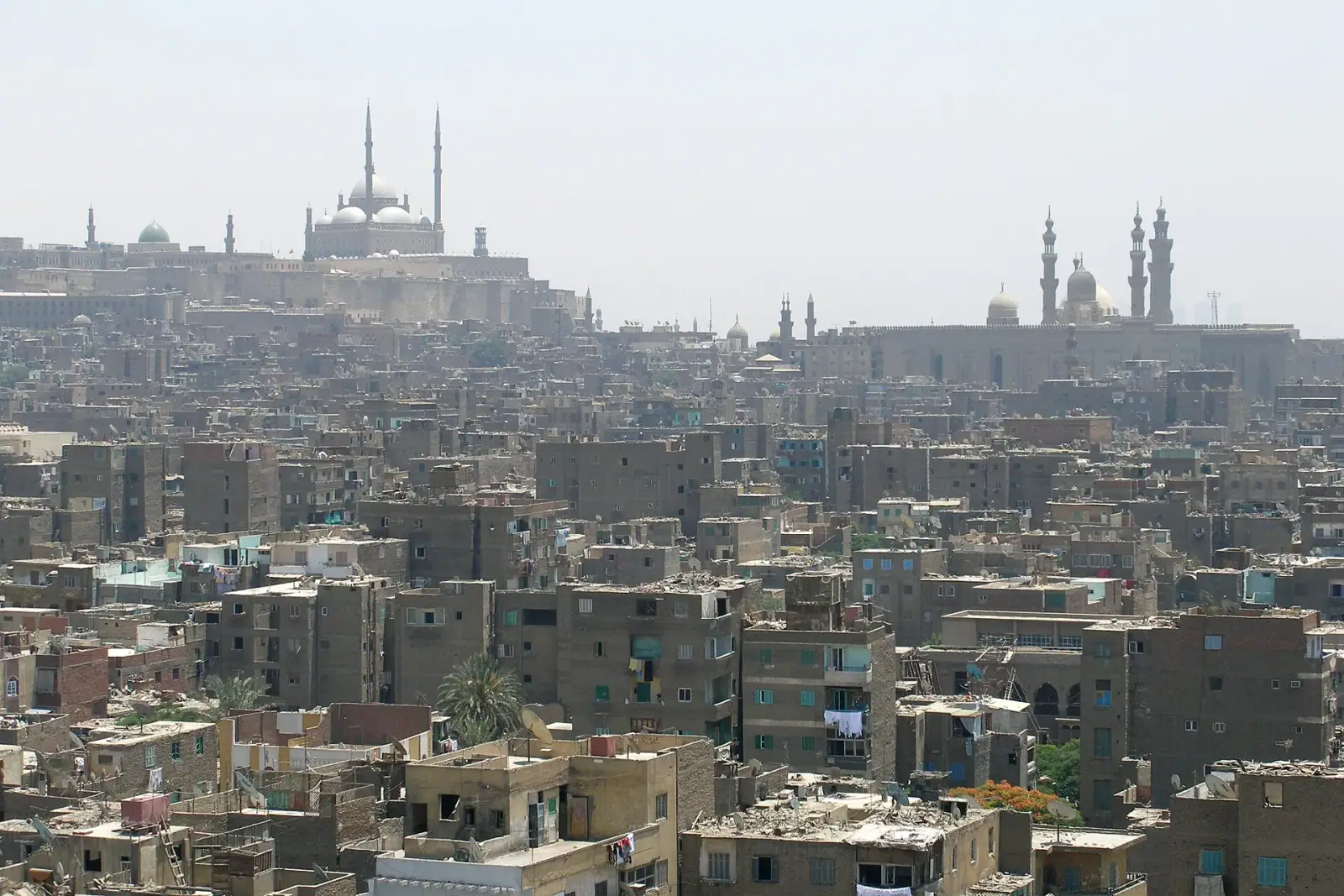
Cairo is one of the most affordable major capitals in the world for remote workers, though prices have risen sharply since the Egyptian pound devaluation in 2022-2023. Budget in Egyptian pounds (EGP) but think in dollars.
As of 2025-2026, one US dollar buys approximately $1. Here is a realistic monthly breakdown:
- Rent, central areas (Zamalek, Downtown, Dokki): $430-880 for a furnished 1-bedroom
- Rent, cheaper areas (Maadi, Heliopolis, Nasr City): $295-490 for a furnished 1-bedroom
- Groceries: $49-78 if you shop local markets and supermarkets
- Eating out: $2-4 at local restaurants; $8-16 at mid-range expat spots
- Coworking hot-desk: $49-145 per month depending on the space
- Local transport (metro, microbuses, ride-hailing): $29-59 per month
Total realistic range: $600-1,200 per month covers comfortable living, with $800-900 being a solid midpoint for a single nomad. You can stretch further if you cook at home and use local transport exclusively.
Where to Work
Cairo has a growing coworking scene driven by its startup community. The anchor hub is The GrEEK Campus at 171 El Tahrir Street in Downtown, a converted historic campus turned innovation hub with hot desks, meeting rooms, and regular networking events. MQR (AlMaqarr) has multiple branches across Heliopolis and New Cairo, offering flexible memberships that suit freelancers and short-stay nomads. The District in Maadi is a quieter, more polished option popular with expats.
Cafe work culture is strong and widely accepted. 30 North in Zamalek is the specialty coffee standout, with reliable fast WiFi and a focused atmosphere. Cafe Greco on Road 9 in Maadi draws a steady crowd of laptop workers and has the kind of unhurried vibe that lets you stay for hours. Beano's and Holm are other well-regarded options in Zamalek.
The honest WiFi situation: coworking spaces and good cafes typically deliver fast, stable connections. Residential internet is slower and can be inconsistent. Power cuts, though less frequent than a few years ago, still happen, so coworking spaces with generator backup are worth the premium during summer months when load-shedding is more common. Mobile data from Vodafone Egypt or Orange is a practical backup: around $10-15 buys you 20 GB with tethering.
Getting Around
Cairo's metro is cheap, fast, and air-conditioned: a single ride costs under $0. Three lines connect key districts including Maadi, Downtown, and Heliopolis, making the metro genuinely useful for your daily commute. For areas off the metro, ride-hailing apps (Uber and Careem both operate here) are affordable and convenient, though surge pricing during rush hour and Friday prayer times is real.
Walkability depends heavily on the neighborhood. Zamalek is the most pedestrian-friendly district, compact enough to walk most errands. Downtown Cairo can be navigated on foot but traffic noise, heat, and sidewalk conditions make longer walks tiring. Maadi has wide, leafy streets and is pleasant for short walks within the neighborhood.
Do not plan to drive in Cairo as a newcomer. Traffic is chaotic and navigation logic takes time to learn. Taxis, Uber, and Careem will serve you well.
Cairo International Airport (CAI) is in the northeast of the city. A ride-hailing trip to Zamalek or Downtown takes 30-60 minutes depending on traffic, costing roughly $3-8. The airport express bus (CityBus line 356) exists but is impractical with luggage.
Sorting transport? Book an airport transfer, or compare car rental on Auto Europe and QEEQ.
Visas and Staying Long-Term
Most Western passport holders (US, EU, UK, Canada, Australia, and others) can get a visa on arrival at Cairo International Airport. The fee is $25 paid at the bank counter before immigration. This grants a single-entry stay of 30 days.
Egypt does not currently offer a dedicated digital nomad visa. Your main options for extended stays are:
- Tourist visa extension: Extend at the Passports, Emigration and Nationality Administration in Abbassia, Cairo. You can extend for additional months without leaving the country.
- Five-year multiple-entry visa: Available from Egyptian consulates abroad, now permits stays of up to 180 days per visit as of recent policy updates.
- Visa run: A quick trip to Jordan or another nearby country resets your 30-day entry.
Best Time to Visit
Cairo has a desert climate: bone dry, very hot summers and mild, pleasant winters. There is almost no rain year-round.
October to March is the sweet spot for remote workers. Daytime temperatures range from 18-26°C (64-79°F), evenings are cool, and you can sit in outdoor cafes comfortably. This window also coincides with peak tourism, so the city feels energetic and international.
November to February is ideal if you prefer cooler weather and do not mind a slightly slower social pace around the holiday season.
April and May bring the Khamsin: periodic sandstorms that sweep in from the desert, coating everything in dust and making outdoor work or sightseeing unpleasant for a day or two at a time. Spring temperatures also climb quickly toward summer heat.
June through September is genuinely brutal. Temperatures regularly hit 38-42°C (100-108°F), and humidity near the Nile makes it feel worse. You will spend most of your time moving between air-conditioned spaces. Productivity is possible, but quality of life takes a hit unless you handle heat well.
Pros and Cons
Pros
- Extremely low cost of living relative to quality of life
- Rich history and culture; Cairo rewards curiosity
- Good coworking infrastructure and a genuine startup scene
- Easy visa access for most Western passport holders
- Direct flights to most of Europe, the Middle East, and East Africa
- Excellent food scene, from cheap street food to upscale Egyptian cuisine
- English is widely spoken in expat neighborhoods and business contexts
Cons
- Air quality is poor: Cairo is among the most polluted cities in the region
- Traffic is relentless and stressful if you venture outside walkable zones
- Summer heat is extreme and limits outdoor life for months
- Sandstorms in spring disrupt plans without warning
- No dedicated nomad visa; extension bureaucracy is manageable but not frictionless
- Noise levels in central areas are constant and intense
- Internet at residential properties can be unreliable
Who Cairo Is Best For
Cairo works best for nomads who are drawn to density, history, and affordability over comfort and predictability. If you can stretch your budget further than almost anywhere else while being surrounded by one of the world's great ancient civilizations, Cairo delivers. It suits people who thrive in chaotic, stimulating environments, who are comfortable navigating bureaucracy, and who enjoy being somewhere genuinely different from the usual nomad circuit.
The city is a strong fit for Arabic language learners, history enthusiasts, researchers, and anyone interested in the Middle East and North Africa region as a base. The startup community and coworking culture make it workable for entrepreneurs and freelancers who value networking in an emerging market.
Skip Cairo if you prioritize clean air, quiet streets, seamless internet, or easy outdoor recreation. It is also a harder destination if you are sensitive to heat and plan to visit between June and September. Those who need a polished, predictable nomad infrastructure will find Cairo demanding and disorganized by comparison to Southeast Asian or European alternatives.