Cost of Living in Mumbai
Real market data
Source: Numbeo · August 2026
$900/moSolo nomad1-bed centre + living costs
$1,110/moCoupleshared 1-bed + costs
$610/moLean / localcheaper area + costs
- 1-bed rent, city centre$650₹61,720
- 1-bed rent, outside centre$350₹33,769
- Monthly costs excl. rent (1 person)$260₹24,457
- Meal, inexpensive restaurant$5₹500
- Monthly transit pass$5₹525
- Buy price, per m² (centre)$6,210₹593,238
Prices are from Numbeo (August 2026), converted to USD at $1 = ₹95.52 (01 Aug 2026). The monthly living-costs figure is our transparent one-person basket, groceries, a few meals out, utilities, phone, internet, transport and essentials, priced from those figures. Solo adds central rent; couple and lean are estimates from the same numbers. The guide below quotes its own monthly range, which is a different measurement rather than a competing one: this table prices a defined basket at the figures above, while that range is a judgement about how somebody actually lives here.
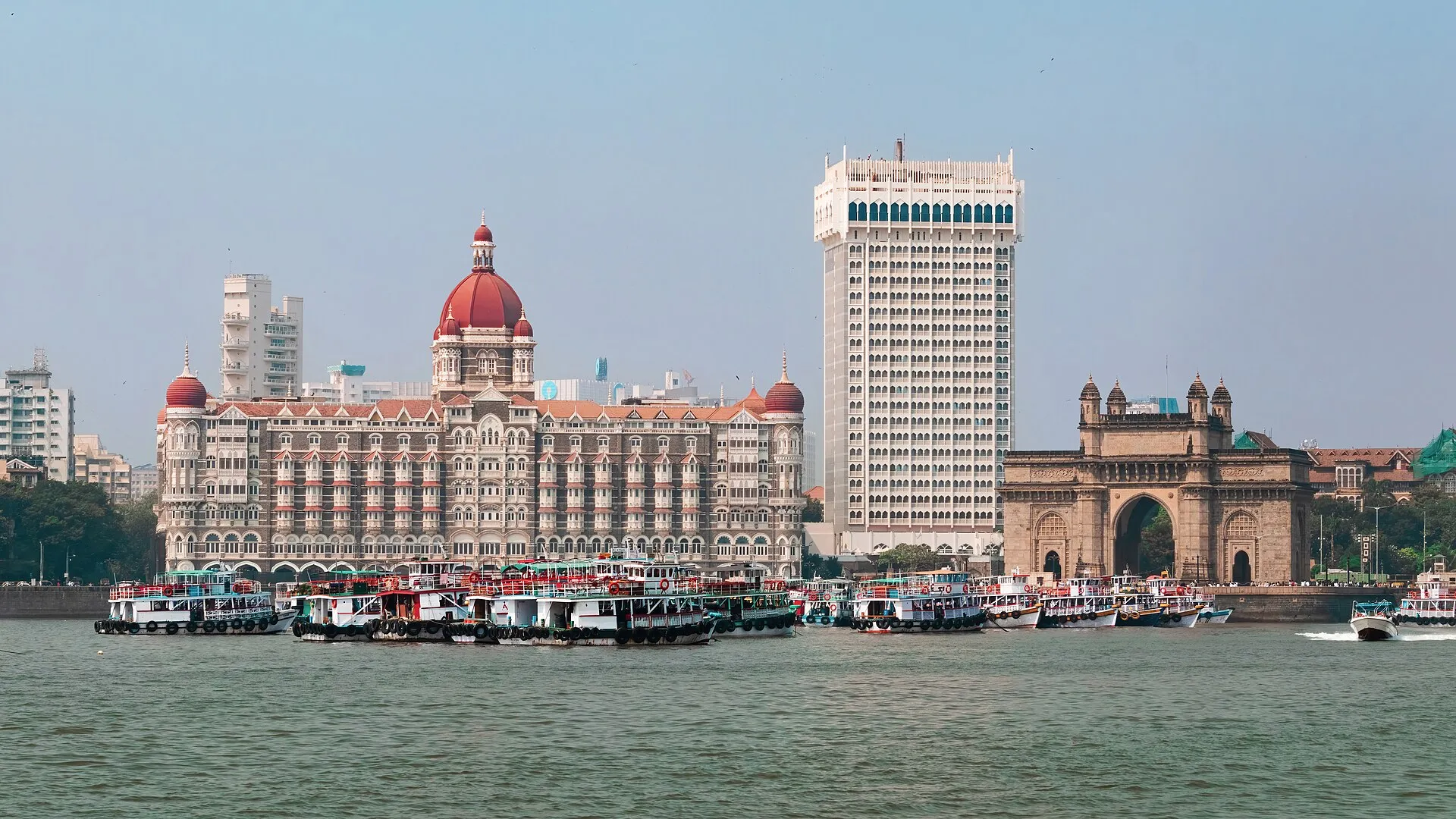
Mumbai is one of India's most expensive cities, but for international remote workers, it still undercuts most Western cities considerably. Expect real range here: your budget depends heavily on which part of the city you choose.
Rent: A furnished 1-bedroom apartment in central or South Mumbai (Colaba, Lower Parel) runs roughly $575-940/month. Shift north to Andheri, Powai, or Malad and that falls to $315-525/month. Short-term furnished rentals carry a premium; monthly deals through NoBroker or local agents are more realistic for stays over a month.
Groceries: Cooking at home costs around $52-84/month for one person shopping at local markets. Imported goods from supermarkets like Godrej Nature's Basket or Foodhall push that noticeably higher.
Eating out: A meal at a decent mid-range restaurant costs $4-8.50 per person. Mumbai's street food and local thali spots are exceptional value at $1-1.50 a meal. Fine dining runs $26+ per person.
Coworking hot desk: $52-135/month depending on operator and area. Day passes start around $3-6.50.
Local transport: Local trains cost under $0.50 per trip. Uber and Ola rides within the city average $1.50-4. Auto-rickshaws are metered and cheap in the suburbs.
Total monthly range: A budget-conscious nomad based in the suburbs can live comfortably on $840-1,050/month. A more comfortable setup in a central apartment with coworking and regular dining out runs $1,360-1,880/month.
Where to Work
Mumbai has a solid and growing coworking ecosystem. WeWork operates across BKC, Andheri, Powai, Worli, and Goregaon, catering to professionals who want a polished, reliably-connected environment. 91Springboard covers five locations and has a strong startup community. Innov8 and Awfis are widely available, with Awfis especially strong in Andheri East near the airport.
For a more relaxed setup, Workbay in Bandra West blends cafe aesthetics with proper desk infrastructure including WiFi, meeting rooms, and tea and coffee. Silly in Khar doubles as a cafe and bar, with alfresco seating and solid connectivity during the day.
The cafe-as-office culture is alive in neighborhoods like Bandra and Colaba, and most cafes with table service will tolerate laptop workers during off-peak hours. That said, dedicated coworking is the more reliable choice: cafe WiFi in Mumbai is unpredictable, and connectivity can drop without warning.
For internet, Jio and Airtel offer the strongest 4G/5G coverage. Carrying a Jio or Airtel SIM with a hotspot plan ($3-5/month for generous data) as a backup is strongly recommended. Fixed fiber at home is fast where it's available, but installation and setup for short stays is rarely practical.
Getting Around
Mumbai's suburban rail network (the local trains) is the fastest way to travel north-south through the city and costs almost nothing. It is genuinely the backbone of Mumbai life. However, trains are extremely crowded during rush hours, and navigating them as a newcomer takes a few trips to feel comfortable.
Uber and Ola are available everywhere and are the practical choice for door-to-door trips, though traffic can make a 7 km ride take 45 minutes during peak hours. Auto-rickshaws operate in the suburbs north of Bandra and are metered and affordable. South Mumbai (below Bandra) is taxi and Uber territory.
Walkability is high within neighborhoods like Colaba, Bandra West, and parts of Andheri, but crossing between areas on foot is rarely practical given distances and heat.
Airport: Chhatrapati Shivaji Maharaj International Airport (BOM) sits in Andheri, roughly central in the metro. Metro Line 3 (Aqua Line) now connects both terminals directly to BKC, Dadar, and South Mumbai via dedicated CSMI Airport-T1 and T2 stations. An Uber to South Mumbai costs $4-7.50 and takes 45-90 minutes depending on traffic. Andheri itself is a 10-15 minute ride. Navi Mumbai International Airport, across the harbour, opened to passengers on 25 December 2025, and some domestic tickets now land there instead, so check which airport a fare names.
Sorting transport? Book an airport transfer, or compare car rental on Auto Europe and QEEQ.
Visas and Staying Long-Term
Most nationalities (160+ countries) can apply for an Indian e-Tourist Visa online before arrival. The standard e-Tourist Visa comes in 30-day, one-year, and five-year variants. On the one-year or five-year visa you can come and go as often as you like within the validity period, but the days add up: the official ceiling is 180 days in India per calendar year.
India does not have a dedicated digital nomad visa as of mid-2026. Remote workers typically use tourist visa rotations, which operates in a legal gray area for those actively earning income. A business e-Visa exists for those with legitimate business engagements in India.
Visa extensions inside India are possible but bureaucratically complex and rarely granted for straightforward tourism purposes. Most nomads simply exit to a neighboring country (Sri Lanka, Nepal, Thailand) and re-enter.
Best Time to Visit
The clear window for remote work is November through February. Temperatures sit at 18-28C (64-82F), humidity drops, and the city is at its most comfortable. This is peak season, so flights and accommodation are pricier, but the working conditions are substantially better.
March through May brings increasing heat and humidity, with temperatures pushing 34-38C (93-100F) by May. It is manageable with air conditioning but draining if you need to move around.
Monsoon season runs June through September. Mumbai receives some of the heaviest rainfall in India during July and August, with flooding that regularly disrupts public transport and can interrupt coworking commutes for days at a time. Internet reliability also dips. It is the cheapest time to visit, and the city's greenery is striking, but it is a genuinely difficult environment for sustained productive work.
October is a good shoulder option: the monsoon has largely passed, prices start to ease, and the air is relatively clear. Ganesh Chaturthi, in August or September, is the city's biggest festival: ten days of neighbourhood pandals ending in processions that carry the idols to Girgaon Chowpatty and the other beaches for immersion, with roads closed and traffic at a standstill on the final day.
Pros and Cons
- Enormous city energy with world-class food, culture, and nightlife
- Well-developed coworking infrastructure and professional networking scene
- Local trains make getting around fast and cheap once you learn the system
- Excellent street food and restaurant diversity at every price point
- English is widely spoken in business and service contexts
- Strong airport connections to the rest of India and internationally
- Traffic is genuinely brutal; cross-city trips can consume hours
- Air quality is poor, especially November through January
- Monsoon season (June-September) can disrupt work and commuting significantly
- Rent in desirable central areas is high by Indian standards
- No dedicated nomad visa; tourist visa rotation is a legal gray area
- Noise and sensory overload can be hard to escape, especially in dense neighborhoods
Who Mumbai Is Best For
Mumbai suits remote workers who want a proper global city experience: professional coworking infrastructure, a strong expat and startup community, and a food and nightlife scene that can hold its own internationally. If you thrive on energy and density, Mumbai delivers in abundance. It is particularly good for those with client or business ties in India, since Mumbai is the country's financial and commercial capital.
It also works well for nomads doing medium-length stays of one to three months, visiting in the November-February window, and willing to budget carefully for the right neighborhood.
Skip it if you need tranquility to focus, struggle with pollution or heat, or are expecting the budget-ease of smaller Indian cities like Goa or Mysore. It is also a harder entry point for first-time India visitors: the city is rewarding but it does not ease you in gently.