Cost of Living in St George's
Where this figure comes from. No cost survey covers St George's, so the $1,700 a month above is our own estimate rather than a measurement. On 416 of our 999 city guides the figure is built from a published Numbeo basket, a one-bedroom rent in the centre plus one person's monthly costs without rent, converted to USD; this city is not one of them. How we source everything.
Budget around $1,700 a month as a solo remote worker in St George's, which is mid-range for the Eastern Caribbean. A one-bedroom place runs roughly $600 to $1,000, with anything near Grand Anse beach at the top of that range and the hillside neighbourhoods above the harbour cheaper. Grenada grows a serious amount of its own produce and the Saturday market is genuinely cheap; imported goods carry the standard island markup. The East Caribbean dollar is pegged at 2.7 to the United States dollar. St George's University brings a large international student population that shapes the rental market. This is our own estimate rather than measured data. Fibre runs about $60 to $100 a month and coworking, where it exists, $120 to $200. The university's academic calendar drives the rental market hard: prices around Grand Anse and True Blue rise sharply when terms begin and soften between them, so the timing of a lease matters as much as its location. Minibus fares anywhere on the island are around a dollar. Utilities run high because Grenada generates almost all its electricity from imported diesel, and a flat with air conditioning will show it on the bill.
Where to Work in St George's
Grenada's connectivity is reasonable and improving, with fibre from Flow and Digicel reaching St George's, Grand Anse and the south of the island at workable speeds, and mobile data covering everywhere anyone lives. There is limited formal coworking, though the presence of St George's University, a large American medical school, means cafes and study spaces used to people working are easy to find. Power cuts happen but are not routine. The island runs four hours behind central European time and one ahead of New York in the northern winter, so a European afternoon lands at the start of the Grenadian working day and an American morning at the end of it. The medical school brings several thousand North American students to a country of 110,000, which is why the south of the island has the cafes, gyms and supermarkets it does. Term-time and vacation are visibly different seasons in a way that has nothing to do with the weather, and the quieter months are noticeably cheaper for a short let. Grenada's undersea cable connections improved with the East Caribbean fibre system, and speeds in the south now compare reasonably with Barbados rather than lagging it.
Getting Around St George's
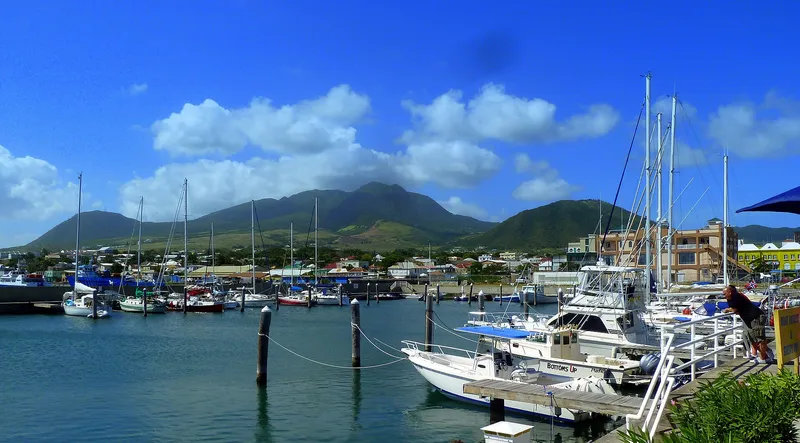
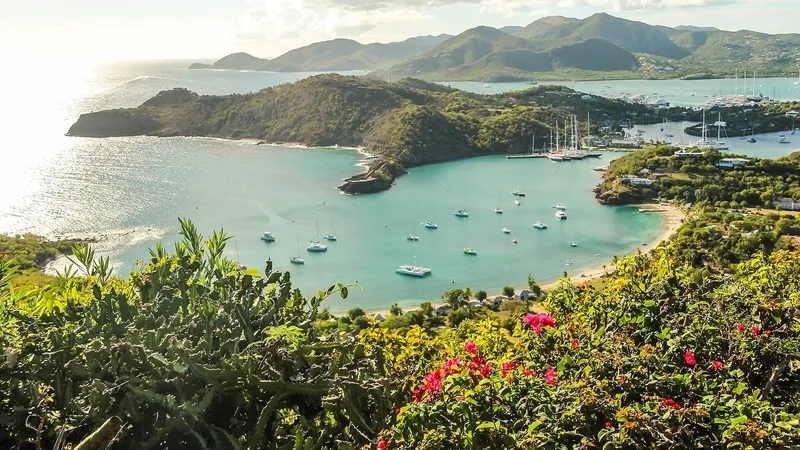
St George's is built around a horseshoe harbour with steep streets rising from it, which makes it beautiful and hard work on foot. The Carenage around the water is walkable; the rest is a climb. Minibuses run constantly along the main routes to Grand Anse and around the island for very little, and they are how most people move. Driving is on the left and the roads through the interior are narrow and mountainous. Maurice Bishop airport is fifteen minutes from town with direct flights to London, New York, Miami and Toronto, which is good connectivity for an island of 110,000. The Sendall Tunnel, cut through the ridge in 1895 and barely wide enough for one vehicle, still connects the Carenage to the western side of town and is the sort of infrastructure that explains why Grenadian drivers use their horns constantly. Grand Etang in the interior is a crater lake in cloud forest about forty minutes up from the coast. Buses stop by early evening and Sunday service is thin, so anyone living outside walking distance of the centre needs a plan for nights out.
Sorting transport? Book an airport transfer, or compare car rental on Auto Europe and QEEQ.
Visas for St George's
Grenada does have a dedicated remote-work permit under the Remote Employment Act 2021, granted by the Chief Immigration Officer for up to a year at a time to people earning at least $37,000 a year from outside Grenada. Most Western nationalities enter visa-free for up to three months, with extensions available through the immigration department in St George's, and Commonwealth citizens often receive longer. Anyone wanting to stay past that applies for an extension of stay locally or a residence permit, which requires more documentation and patience. Grenada also operates a citizenship by investment programme that includes an E-2 treaty route to the United States, which is a substantial and separate decision rather than a nomad option. The absence of a nomad visa is the gap, but the extension route is straightforward in practice: applications are made at the immigration office on the Carenage, cost little, and are routinely granted in monthly increments up to six months for people who present a clear case and proof of funds. Grenadian immigration expects a return ticket and evidence of accommodation on arrival, and applies both more consistently than most of its neighbours do.
Best Time to Visit St George's
January to May is the dry season, with daytime temperatures around twenty-nine, lower humidity and the calmest sea. June to December is wetter, and the hurricane season runs June to November; Grenada sits at the southern edge of the belt and is hit far less often than the islands north of it, though Hurricane Ivan in 2004 devastated the island and Beryl in 2024 struck Carriacou hard. August brings Spicemas, the carnival, with the pre-dawn Jouvert that covers everyone in oil and paint. September and October are the quietest and cheapest. Grenada produces around twenty per cent of the world's nutmeg despite its size, and the crop runs year-round with a peak between January and June, so the processing stations at Gouyave and Grenville are working rather than staged whenever you visit. Carriacou and Petite Martinique, the two smaller islands to the north, run their own regatta each August and are reached by a ferry that is frequently rough.
Pros and Cons of St George's
Grenada is the spice island and it smells like it: nutmeg, mace and cinnamon growing on the hillsides, and a working nutmeg processing station you can walk through. St George's harbour is among the most beautiful in the Caribbean, Grand Anse is a three-kilometre white beach ten minutes from town, and the underwater sculpture park off Molinere is the first of its kind in the world. Grenada's remote-work permit takes care of the paperwork, but there is nobody else doing this here, the connection is adequate rather than good, and the steep streets make the capital tiring to live in. The 1983 revolution and the American invasion that followed are within living memory for most Grenadians over fifty, and Fort George where Maurice Bishop was killed is open to visitors with almost no interpretation, which makes it a strange and sobering place to stand. The Bianca C sank in 1961 and lies at around fifty metres, which puts it beyond recreational limits for much of its length and makes it an advanced dive.
Who St George's Is For
A genuinely beautiful Caribbean town, hiking in the interior, and diving that takes in both the reefs and the Bianca C, the largest wreck in the Caribbean. The medical school gives the island an international layer most of its neighbours lack. Three months is the practical ceiling without paperwork, which rules out anybody who needs a long-stay visa. The other thing to know is the terrain: this town is built on hills and living here means climbing them several times a day. Time a visit around Spicemas in August if the carnival is the point, or avoid it entirely if it is not. It also suits sailors, since Grenada sits below the insurance line for the hurricane season and Prickly Bay and Mount Hartman fill each summer with cruisers waiting out the weather, which creates a transient but genuinely sociable community from June to November. It also suits chocolate specifically: Grenada's tree-to-bar producers process cocoa on the island rather than exporting beans, which is rare anywhere in the Caribbean.
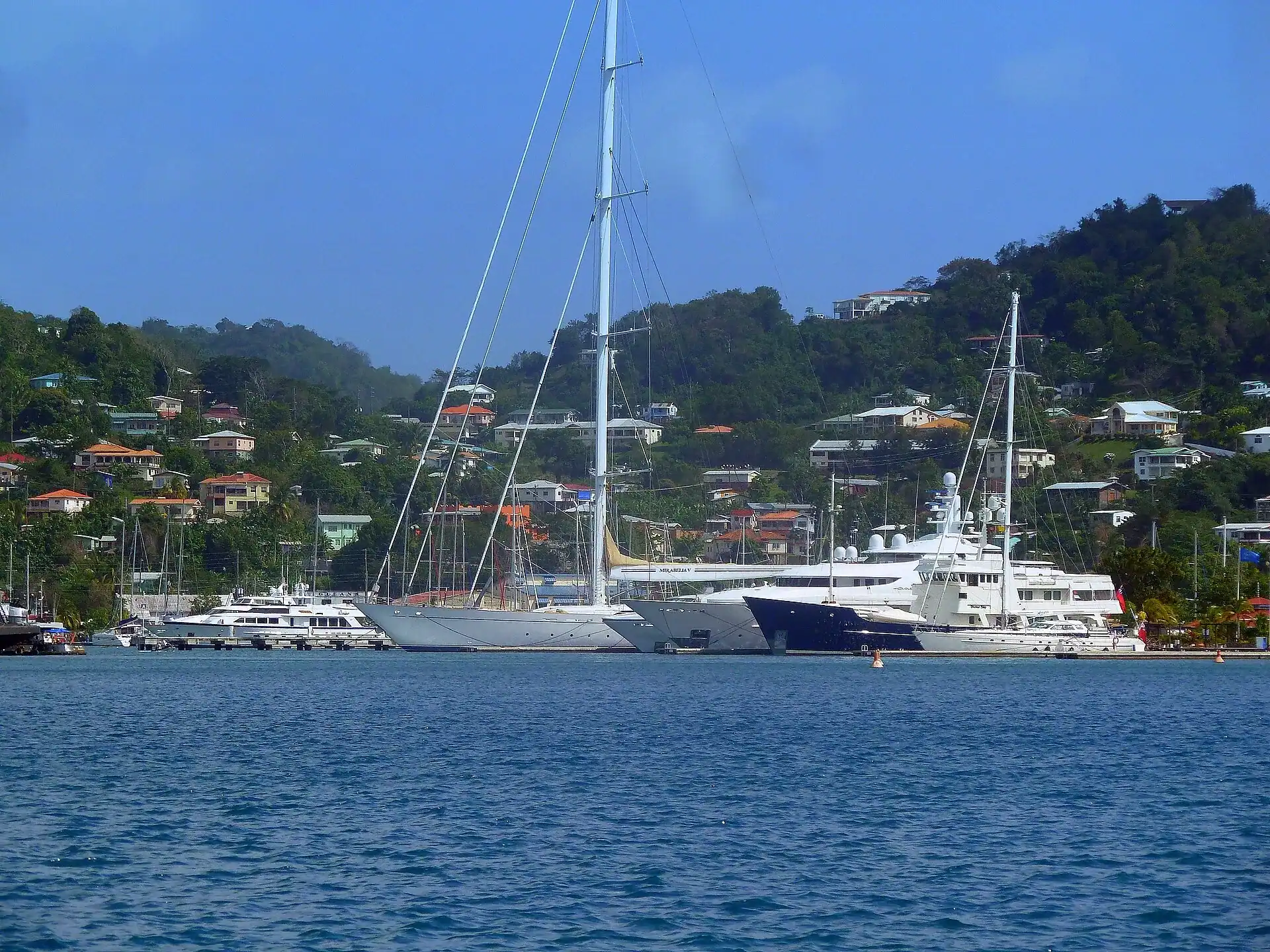 Photo: giggel / Wikimedia Commons (CC BY 3.0)