Cost of Living in Munnar
Where this figure comes from. No cost survey covers Munnar, so the $600 a month above is our own estimate rather than a measurement. On 416 of our 999 city guides the figure is built from a published Numbeo basket, a one-bedroom rent in the centre plus one person's monthly costs without rent, converted to USD; this city is not one of them. How we source everything.
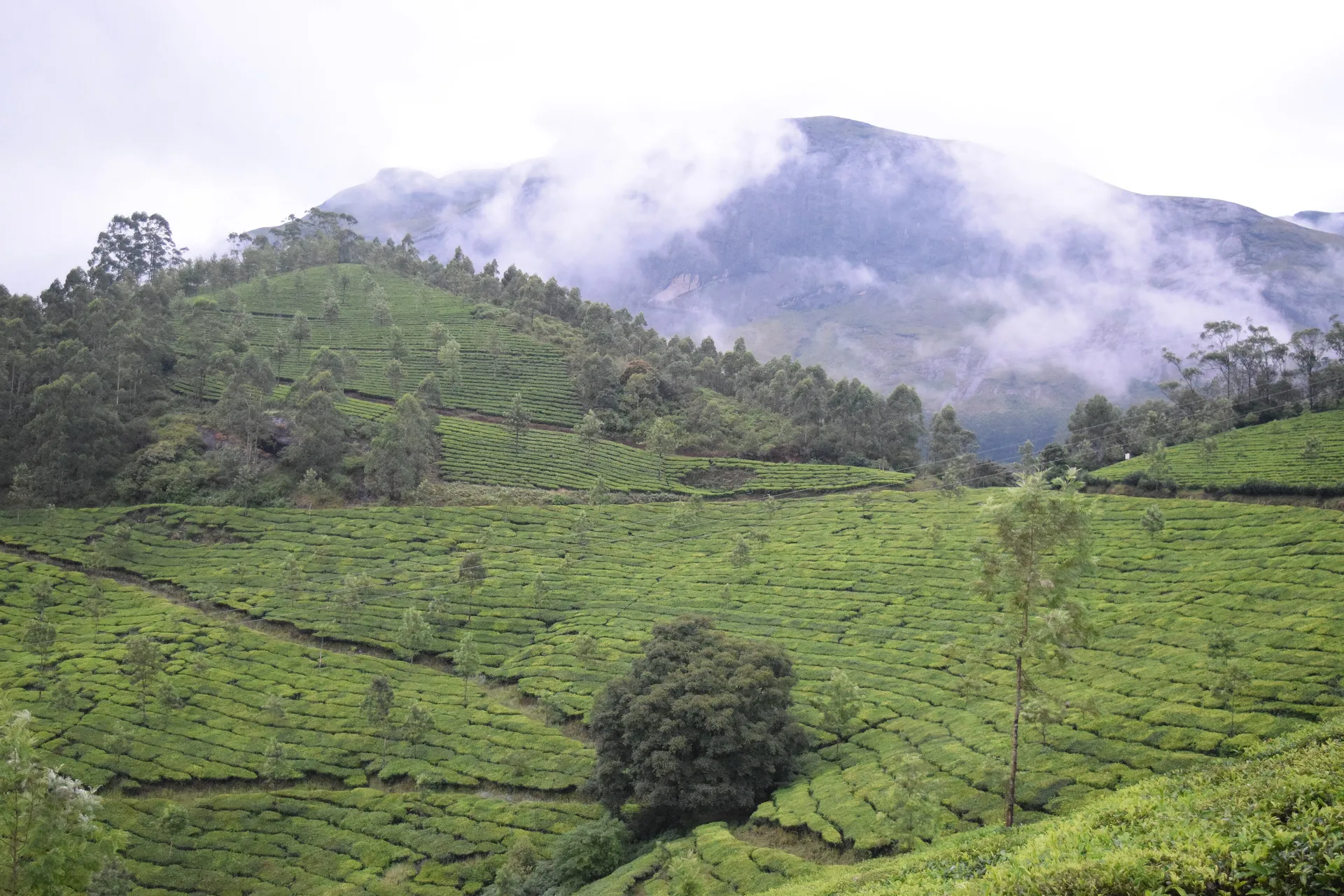
Munnar runs cheap by Western standards but not quite as cheap as flatland Kerala towns, since almost everything (fuel, packaged food, building materials) has to be trucked up the ghat roads. A modest homestay or guesthouse room runs roughly $13 to $26 a night, while a private room in a resort with a view climbs to $42 to $84. Longer-stay apartments or estate cottages, if you can find one willing to rent monthly, land around $210 to $365. Meals are the bargain here: a plate of rice, sambar and vegetables at a local mess costs $0.50 to $1.50, and even a sit-down dinner of Kerala fish curry with appam at a tourist restaurant rarely tops $4 per person. Auto-rickshaws and shared jeeps keep transport low, but private taxis for day trips to Eravikulam or Top Station add up quickly, often $16 to $26 for a half-day hire. Budget nomads can live comfortably on $470 to $680 a month; those wanting a nicer resort stay with reliable hot water and heating (nights get cold at 1,600m) should plan closer to $940 to $1,360.
Where to Work in Munnar
Anyone weighing Munnar as a work base should start from the plain fact that this is not a coworking town. There is no dedicated coworking space in the traditional sense. Remote workers rely on resort lounges, a handful of tourist cafes with wifi routers, and their own mobile hotspots. Larger estate resorts and heritage properties like Windermere Estate or the colonial-era High Range Club have lounge areas where a laptop and a pot of tea can occupy a corner table for a few hours, and staff are generally relaxed about it if you are a guest. Wifi in guesthouses is inconsistent, often a single shared router struggling against thick stone walls and hilly terrain, so connections are slow and video calls can stutter. Jio and Airtel 4G coverage in Munnar town itself is decent and is often more reliable than fixed broadband, so a local SIM with a generous data plan is the practical backup most remote workers end up using. If your job depends on rock-solid video conferencing every day, plan work hours around it and have a mobile hotspot ready as a fallback rather than assuming any single connection will hold.
Getting Around Munnar
Munnar sits about 130 km from Kochi (Cochin) International Airport, and the drive up the ghats takes roughly 4 hours by taxi or KSRTC bus, winding through hairpin bends that some travelers find scenic and others find nauseating. Prebooked taxis from the airport cost around $31 to $42; state buses are far cheaper ($1.50 to $2.50) but slower and less comfortable. Once in Munnar, the town itself is walkable, but the wider area, tea estates, viewpoints, waterfalls, is spread out across steep hillsides, so you will need wheels. Autorickshaws handle short hops within town for $0.50 to $1.50. For day trips to Eravikulam National Park, Top Station, Mattupetty or Kolukkumalai, hired jeeps or taxis are the norm, typically $16 to $31 for a half-day route, often shared among a few travelers to split the cost. Renting a scooter is possible in town ($3 to $5 a day) but the roads are steep, foggy in patches, and shared with tour buses and cattle, so it suits confident riders only. There is no ride-hailing app coverage here, arrangements are made directly with drivers or through your homestay.
Sorting transport? Book an airport transfer, or compare car rental on Auto Europe and QEEQ.
Visas for Munnar
India requires nearly all foreign visitors to arrange a visa before arrival; there is no visa-on-arrival for most nationalities at Kochi airport. The e-Tourist Visa is the practical option for short stays, it can be applied for online, typically issued within a few days, and covers 30-day, 1-year, or 5-year validity tiers depending on nationality and fee. India does not currently offer a dedicated digital nomad visa, so remote workers technically enter on tourist terms and are not authorized to work for Indian clients or draw a local salary while present; working remotely for a foreign employer or clients is the common (if legally gray, as in most countries without a nomad visa) practice among long-stay travelers. Overstaying is taken seriously and can complicate future entry, so track your visa expiry carefully, especially since Munnar's remote setting means visa runs or extensions require a trip back down to a city with FRRO services or planning ahead online.
Best Time to Visit Munnar
September through March is the sweet spot: skies clear after the monsoon, temperatures sit in a comfortable 15 to 25 degrees Celsius by day and can dip toward 8 to 10 degrees at night, and the tea plantations are at their most photogenic green. December and January bring the coldest nights and the thickest tourist crowds around Christmas and New Year, so book accommodation well ahead if visiting then. April to May turns warmer and hazier but is still workable. The southwest monsoon, roughly June through August, is the honest low point: heavy rain, frequent landslides on the ghat roads that can close routes for hours or days, thick fog that cuts visibility on mountain drives, and many outdoor attractions becoming muddy or unsafe. It is also the cheapest and quietest season if you don't mind staying put and working from indoors, but it is a poor choice if you need to travel in or out on a schedule.
Pros and Cons of Munnar
The pros are substantial: genuinely stunning scenery, rolling tea estates, misty peaks, and Eravikulam National Park a short drive away with the endangered Nilgiri tahr and (in bloom years) the rare Neelakurinji flower; cool, pollution-free mountain air that is a relief after India's hot lowland cities; a slower, quieter pace than Kerala's coastal tourist hubs; and genuinely low costs for food and local transport. The cons deserve equal weight: winding, occasionally landslide-prone mountain roads that make every trip in or out an event, especially in monsoon season; patchy and slow internet that rules out heavy-duty remote work reliability; a town that is spread out and car-dependent once you leave the main street; almost no coworking infrastructure or remote-work community to speak of; and a tourist season (Dec to Jan, and around Indian public holidays) that brings crowded viewpoints, booked-out rooms, and traffic jams on single-lane estate roads. Nightlife is essentially nonexistent, this is an early-to-bed hill station, not a party town.
Who Munnar Is For
Munnar suits nature-loving remote workers on a slower, low-intensity schedule, people who want mornings spent walking through tea gardens and afternoons on video calls that don't require perfect bandwidth every single day. It works well for a two-to-four week reset after time in noisier Indian cities, for photographers and hikers, and for anyone craving cool mountain air over beach heat. It is a poor fit for anyone who needs dependable fast internet for client calls, wants an active coworking or nomad community, or values nightlife and social density. Travelers prone to motion sickness on mountain roads, or those planning frequent trips in and out of the region, should also weigh the ghat drive carefully before committing to a long stay.