Cost of Living in Kep
Where this figure comes from. No cost survey covers Kep, so the $700 a month above is our own estimate rather than a measurement. On 416 of our 999 city guides the figure is built from a published Numbeo basket, a one-bedroom rent in the centre plus one person's monthly costs without rent, converted to USD; this city is not one of them. How we source everything.
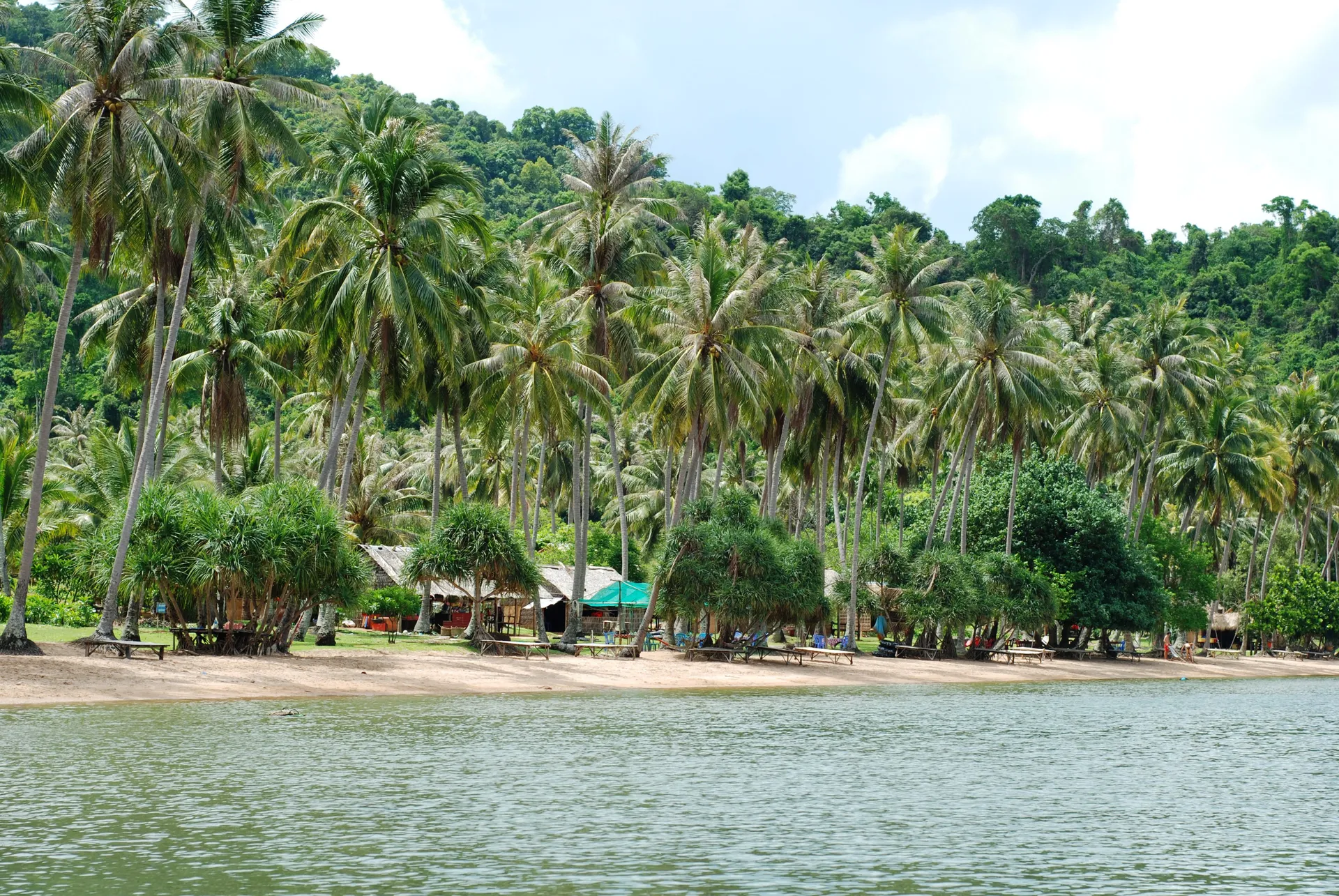
Kep is one of the most affordable seaside bases in Southeast Asia, and because Cambodia widely uses the US dollar you rarely need to think about exchange rates. A relaxed solo nomad can live comfortably on roughly $600 to $1,100 a month, with the lower end reflecting a simple long-stay guesthouse room and mostly local food, and the higher end buying a nicer villa-style room, air conditioning, a rented scooter and regular meals out. Fresh crab and seafood are the local splurge, yet even the famous Crab Market stays cheap by Western standards. The main cost variables are your room, how often you eat imported or Western food, and air conditioning, which pushes electricity bills up in the hot months.
- Long-stay guesthouse or small villa room: roughly $250 to $550 per month
- Local Khmer meals: about $2 to $4; a Crab Market seafood plate: roughly $6 to $12
- Scooter rental: around $60 to $90 per month, plus cheap fuel
- A local SIM with a generous data package: only a few dollars per month
Where to Work in Kep
Kep is too sleepy to keep a coworking space in business and none has opened, so your office will be your own room, a guesthouse terrace or a cafe table. You will work from your guesthouse, a beachside bungalow or a handful of laptop-friendly cafes near Kep Beach and the Crab Market. Wifi is genuinely variable, ranging from perfectly usable to slow, and short outages during storms or power cuts do happen. The reliable fix is a local mobile SIM used as a backup connection. Buy a Cellcard or Smart SIM with a big data bundle on arrival, and always ask a prospective guesthouse about its actual internet speed before booking a long stay. If you need a livelier scene or a proper cafe circuit, nearby Kampot has a little more going on.
- Get a Cellcard or Smart SIM with plenty of data as a wifi backup and hotspot
- Ask any long-stay accommodation to confirm real wifi speed, not just that it exists
- Expect occasional short outages during heavy rain or power cuts; plan around calls
- Consider Kampot (about 30 to 45 minutes away) for a bigger cafe scene when you need it
Getting Around Kep
Kep is small but spread out, with the Crab Market, Kep Beach and the ruined colonial villas sitting a few kilometres apart, so you will want your own wheels. Most nomads rent a bicycle for short hops or a scooter for freedom, while tuktuks are cheap and easy for anyone who prefers not to drive. Boats leave from near the Crab Market for the short crossing to Koh Tonsay, better known as Rabbit Island, a laid-back day or overnight trip. There is no airport in town. For onward travel, buses and minivans connect Kep to Kampot in roughly 30 to 45 minutes, and to Sihanoukville and Phnom Penh in around three to four hours by road. The new Techo International Airport, open since September 2025, sits about 28 km south of the capital on the side facing Kep, so the taxi ride down no longer starts with a crawl across the city.
- Rented bicycle or scooter for getting between the beach, market and villas
- Tuktuks for short trips if you would rather not drive yourself
- Boats from the Crab Market pier to Koh Tonsay (Rabbit Island)
- Buses and minivans to Kampot, Sihanoukville and Phnom Penh; nearest airports are elsewhere
Sorting transport? Book an airport transfer, or compare car rental on Auto Europe and QEEQ.
Visas for Kep
Kep follows the same national rules as the rest of Cambodia, which is refreshingly simple for a short or medium stay. Most visitors arrive on a tourist visa, commonly valid for 30 days, obtained either as an e-visa online before travel or as a visa on arrival at the main international airports and some land borders. The tourist visa can usually be extended once, and travellers planning longer or working stays often look at the ordinary or business visa category, which allows for longer extensions. The Vietnamese border at Prek Chak, roughly an hour west by road, is the nearest crossing, and a day trip to Ha Tien is the local version of a visa run: tourist-visa holders come back on a fresh month-long visa on arrival, paid in US dollars cash at the booth, though passports outside Vietnam's visa-exempt list need its e-visa arranged before leaving. Anyone flying in instead must file Cambodia's free e-Arrival card online within the seven days before landing, which bundles the immigration, health and customs forms into one.
- Tourist visa is commonly issued for 30 days and is typically extendable once
- Options usually include the online e-visa and visa on arrival
- Longer or work-oriented stays often use the ordinary or business visa route
Best Time to Visit Kep
The dry season, running roughly from November to April, is the best window for Kep. Skies are mostly sunny, humidity eases, and the sea is calmer, which makes beach days, the Kep National Park hiking loop and boat trips to Rabbit Island far more pleasant. The cooler months around December and January are the sweet spot for comfortable daytime temperatures. The wet season, roughly May to October, brings heavy afternoon downpours, higher humidity and occasionally rougher seas, though the rain is often short and the landscape turns lush and green. Rainy-season stays are cheaper and quieter, which some slow travellers actively prefer, as long as you are relaxed about the odd washed-out afternoon and a bit more mud on the trails.
- November to April: drier, sunnier, calmer seas, best for beach and boat days
- December and January: coolest and most comfortable months
- May to October: afternoon rain, greener scenery, lower prices, fewer visitors
Pros and Cons of Kep
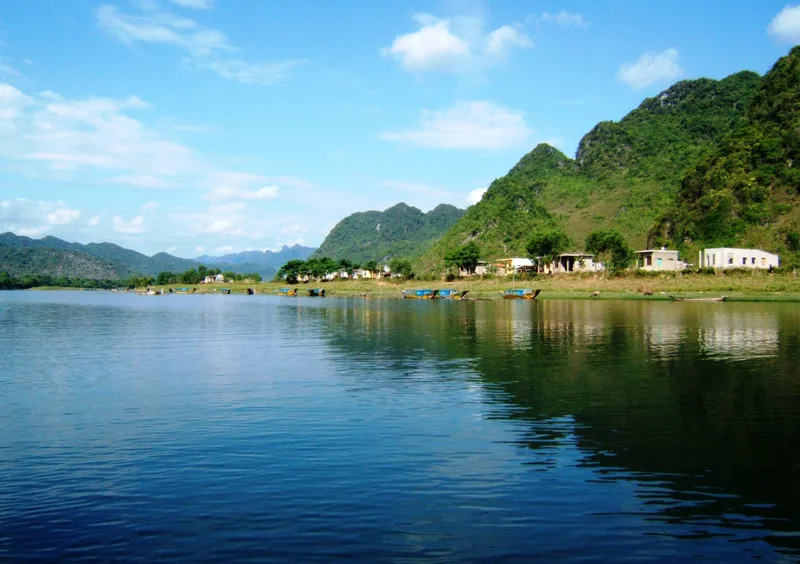
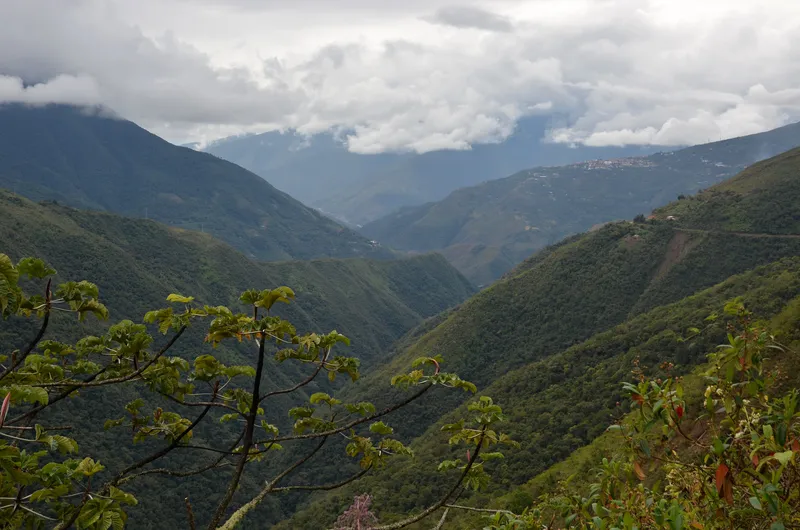
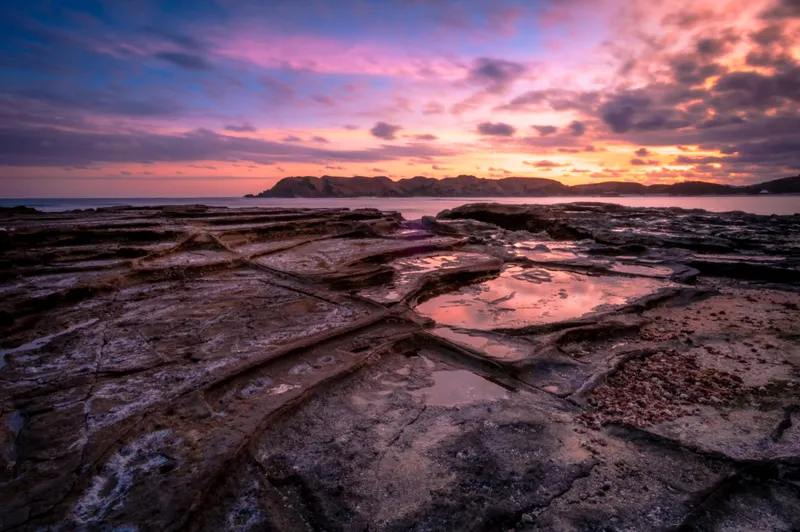
Kep is a place you choose deliberately, and it rewards the right traveller while frustrating the wrong one. The upsides are real: it is very affordable, genuinely peaceful, scenically pretty with its faded modernist villas and green hills, and the seafood, especially crab cooked with local Kampot pepper, is superb. The trade-offs are just as real. Infrastructure is modest, wifi is variable, the nomad scene is tiny, and there is almost no nightlife beyond a quiet drink at a guesthouse bar. If you need energy, coworking, reliable connectivity and a social calendar, you will feel restless. If you want to slow down by the sea, it is close to ideal, and pairing it with nearby Kampot gives you a bit more variety.
- Pros: very low cost, calm pace, pretty coastal-and-hills scenery, excellent fresh seafood
- Pros: easy access to Kep National Park hikes and Rabbit Island boat trips
- Cons: variable wifi and modest infrastructure; not ideal for connectivity-critical work
- Cons: very small scene and almost no nightlife; can feel isolating for the social
Who Kep Is For
Kep suits the slow, self-sufficient nomad who treats a location as a place to live rather than a place to be entertained. It is a strong fit if you can work asynchronously, do not depend on flawless connectivity for daily video calls, and genuinely enjoy quiet mornings, sea air, nature and long unhurried meals. Writers, part-time workers, people on a decompression break and couples looking for an affordable seaside reset all tend to love it. It is a poor fit if you crave nightlife, a busy coworking community or constant new faces. Many nomads get the best of both worlds by basing themselves in Kep for calm and hopping over to Kampot, or further to Phnom Penh, when they want more buzz.
- Great for: slow travellers, writers, remote workers with flexible schedules, couples
- Great for: anyone wanting an affordable, peaceful, nature-and-sea reset
- Less ideal for: those needing nightlife, a large community or rock-solid wifi
- Tip: pair Kep with Kampot for a low-key coast base with a little more variety