Cost of Living in Nong Khiaw
Where this figure comes from. No cost survey covers Nong Khiaw, so the $600 a month above is our own estimate rather than a measurement. On 416 of our 999 city guides the figure is built from a published Numbeo basket, a one-bedroom rent in the centre plus one person's monthly costs without rent, converted to USD; this city is not one of them. How we source everything.
Nong Khiaw is one of the most affordable bases in Southeast Asia, largely because it is a small river village with a modest traveller scene rather than a nomad hub. A comfortable slow-travel budget runs roughly $500 to $1,000 a month, and disciplined backpackers can spend even less. Simple riverside bungalows are cheap, local Lao meals cost a couple of dollars, and river beers are gentle on the wallet. Most spending goes on accommodation, food, boat trips, and the occasional minivan out of town. There are few ways to burn money here, which is part of the appeal, though ATMs are limited so bring cash from Luang Prabang.
- Riverside bungalow or guesthouse: roughly $8 to $25 a night
- Local Lao meal (laap, noodle soup, sticky rice): $2 to $5
- Big Nam Ou river beer or fruit shake: $1 to $3
- Boat trip upriver to Muang Ngoi: a few dollars each way
Where to Work in Nong Khiaw
Pick this village for work only if your deadlines can bend, because it is built for switching off and its connection behaves accordingly. Wifi in the riverside bungalows and cafes is weak and variable, drops out often, and power cuts happen. There is no true coworking space. A few laptop-friendly cafes and guesthouse restaurants have usable connections on a good day, best in the morning before the village fills up. Buy a Unitel or Laotel SIM in Luang Prabang for mobile data, but expect patchy signal in the mountains and dead zones on the river. Manage expectations, keep offline work ready, and treat any connection as a bonus rather than a guarantee.
- Buy a Unitel or Laotel SIM before arriving; coverage is patchy in the karst valleys
- Work in the morning when wifi and power are most reliable
- Download everything you need offline before you arrive
- Keep a power bank charged for the frequent outages
Getting Around Nong Khiaw
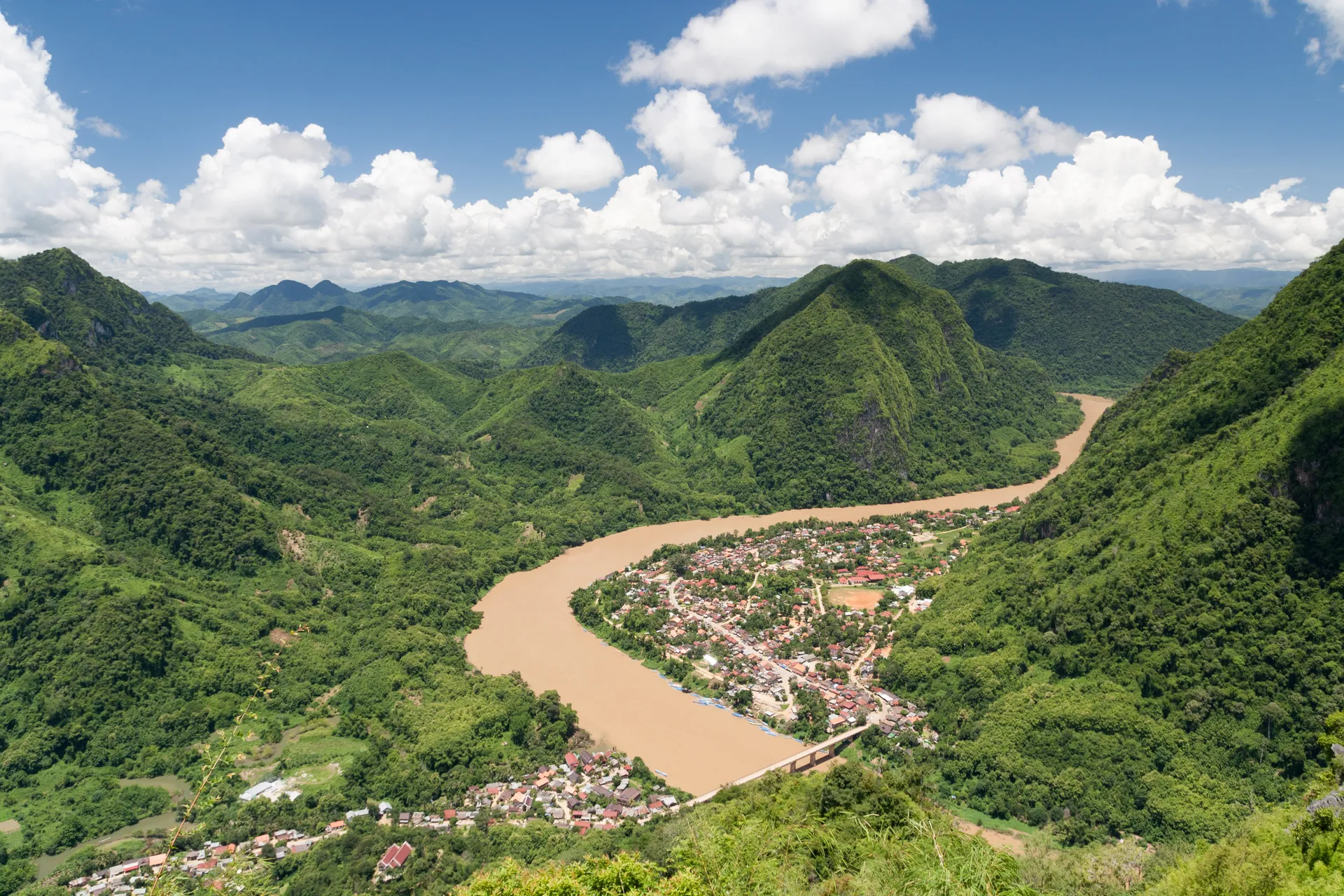
Nong Khiaw is tiny and easily walkable. The village straddles the Nam Ou, with the two riverbanks joined by a road bridge that also serves as the best sunset spot. Everything in the village itself is reachable on foot, and the famous viewpoints are earned with a steep climb rather than a ride. For anything further, longtail boats head upriver to roadless Muang Ngoi, while minivans and buses connect to Luang Prabang in about three to four hours and to Oudomxay in the other direction. There is no airport; Luang Prabang is the regional gateway. Bicycles and scooters can be rented for exploring caves, waterfalls, and nearby villages. The approach has changed twice in a decade. Dams built on the Nam Ou since 2017 ended the old boat journey down from the former royal capital as the obvious way in, and the China-built railway that opened across northern Laos in December 2021 has cut the run from Vientiane to that city to about two hours on the fastest trains, which leaves the minivan from there as the only slow leg.
- Walk everywhere in the village; cross the bridge between the two banks
- Climb on foot to the Phadeng and Sleeping Woman viewpoints
- Take a longtail boat upriver to Muang Ngoi
- Minivans and buses to Luang Prabang (~3 to 4 hours) and Oudomxay
- Rent a bicycle or scooter for caves, waterfalls, and hill-tribe villages
Sorting transport? Book an airport transfer, or compare car rental on Auto Europe and QEEQ.
Visas for Nong Khiaw
Nong Khiaw follows the same entry rules as the rest of Laos, so there is nothing village-specific to arrange. Many nationalities can get a Laos visa on arrival or an e-visa, commonly for 30 days, and extensions are typically possible at immigration offices in larger towns. You will not clear immigration in Nong Khiaw itself, so sort your visa when entering the country, usually via Luang Prabang or a land border. The e-visa is honoured at only nine entry points, and the nearest to the village is the airport three to four hours down the road. The overland route from Dien Bien Phu in Vietnam, crossing at Tay Trang and coming down through Muang Khua, is not one of them, so travellers taking it need a visa arranged another way.
- Laos visa on arrival or e-visa is commonly issued for 30 days
- Extensions are generally available through immigration offices in bigger towns
- Carry cash and passport photos for visa formalities
Best Time to Visit Nong Khiaw
The dry season, roughly October or November through March, is the best window. Skies are clear, mornings bring the famous sea of mist rising off the Nam Ou, and the sunrise viewpoints reward the steep climb with unforgettable views. The hot season from March to May turns hazy as farmers burn fields across northern Laos, dulling the mountains and air quality. The June to September wet season paints everything a lush green and can be beautiful, but heavy rain affects river travel, makes trails muddy and slippery, and can obscure the viewpoints in cloud. For the classic Nong Khiaw experience, aim for the cool, clear months.
- October to March: clear skies, morning mist, best viewpoints
- March to May: hot and often hazy from agricultural burning
- June to September: green and lush but wet, with river travel affected
Pros and Cons of Nong Khiaw
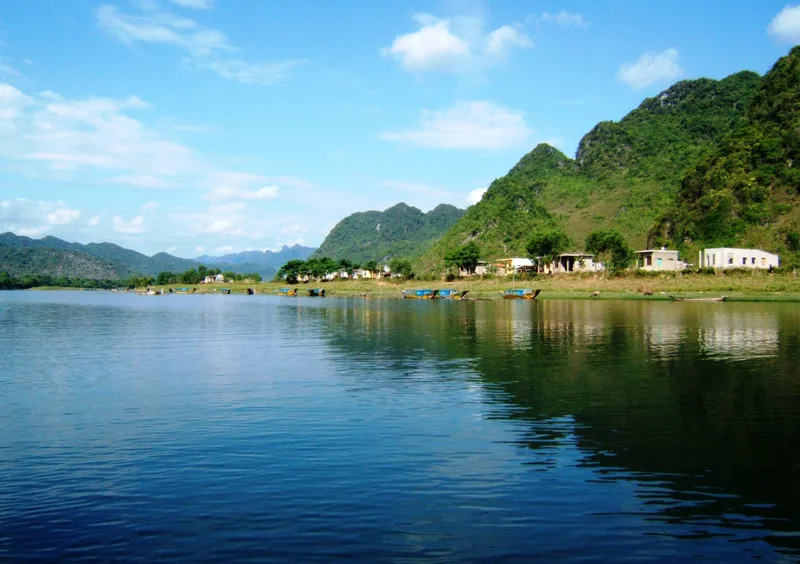
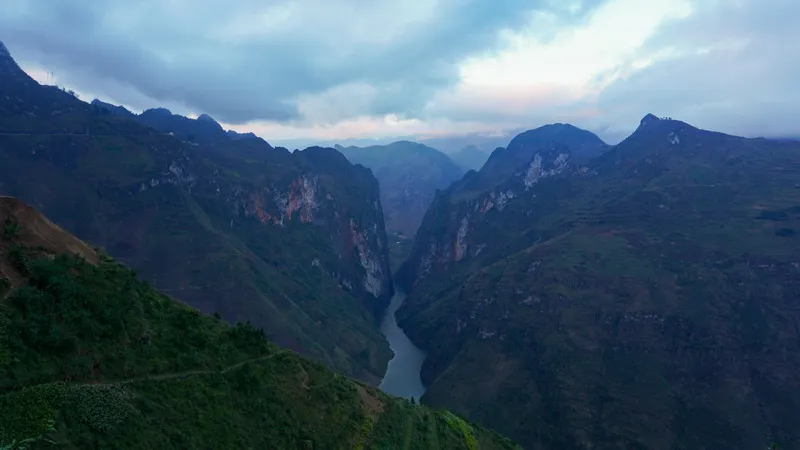
Nong Khiaw trades convenience for scenery, and for the right traveller that is a wonderful bargain. The setting is world-class: limestone karst towers, a slow green river, sunrise viewpoints, caves, waterfalls, and treks to hill-tribe villages, all at very low cost and at a genuinely relaxed pace. The flip side is remoteness and basic infrastructure. Wifi and power are unreliable, nightlife is essentially non-existent, medical care is limited, and the traveller scene is small, so it can feel quiet out of season. Whether that reads as peace or isolation depends entirely on what you want. Come for nature and stillness, not for productivity or a social buzz. The hills carry a risk that the scenery hides: of the more than 270 million cluster bomblets dropped on Laos during the war, an estimated 30% failed to explode, and they still kill people every year, which is the best argument for walking to the villages on paths in daily use and with a local guide.
- Pro: spectacular karst-and-river scenery and iconic sunrise viewpoints
- Pro: very low cost and an unhurried, unplugged pace
- Con: weak, variable wifi and frequent power cuts
- Con: remote with basic infrastructure, limited healthcare, and little nightlife
Who Nong Khiaw Is For
Nong Khiaw is for slow travellers, nature lovers, and adventurers who want to disconnect. If your idea of a good trip is climbing to a misty viewpoint at dawn, drifting upriver by longtail boat, exploring caves and waterfalls, and reading in a hammock over the Nam Ou, this village will feel like a dream. It suits people who can happily go offline for days and who value quiet over convenience. It is a poor fit for deadline-driven remote workers, digital nomads who need reliable internet, and anyone craving nightlife, coworking, or a big social scene. Treat it as a restorative pause between busier bases rather than a place to grind out work. Anyone drawn to recent history should climb to the Pha Tok caves just outside the village, where local people and Pathet Lao fighters sheltered from the bombing during the Second Indochina War, reached up steep concrete steps with torches lent at the entrance.
- Great for nature-and-adventure slow travellers and hikers
- Great for anyone wanting to genuinely unplug and slow down
- Not for deadline-driven remote workers needing reliable wifi
- Not for those wanting nightlife, coworking, or a large traveller scene