Cost of Living in Moshi
Where this figure comes from. No cost survey covers Moshi, so the $700 a month above is our own estimate rather than a measurement. On 416 of our 999 city guides the figure is built from a published Numbeo basket, a one-bedroom rent in the centre plus one person's monthly costs without rent, converted to USD; this city is not one of them. How we source everything.
Moshi is one of the more affordable bases a nomad can pick, and daily life here stretches a modest budget a long way. A comfortable solo month typically lands somewhere between $600 and $1,200, depending heavily on your housing choice and how often you eat local versus at expat-facing cafes. Rent is the biggest swing: a simple room in a guesthouse or a shared house runs cheap, while a furnished apartment or a nicer serviced place costs more. Local food, dala-dala rides, and fresh market produce keep everyday spending low, but imported goods, safaris, and Kilimanjaro trekking permits add up fast. These are editorial estimates, not fixed prices, and they shift with season and neighborhood.
- Budget room or shared house: roughly $150 to $350 per month
- Furnished apartment or nicer guesthouse stay: roughly $400 to $700 per month
- Local meals from $2 to $5; cafe or Western meals $6 to $12
- SIM with data, transport, and groceries: often under $150 per month
Where to Work in Moshi
Whatever a booking site promises, Moshi is not a polished remote-work hub, and the wifi here varies from one building to the next and from one hour to the next. That said, plenty of people get real work done. The better guesthouses and the well-known coffee houses in and around the town center offer decent connections, comfortable seating, and good coffee grown on the slopes right above town. Your most reliable setup is almost always mobile data rather than someone else's router, so pick up a local SIM as soon as you arrive and treat it as your primary link. When choosing accommodation, ask direct questions about speed and outages, and if you can, test the connection before paying for a longer stay.
- Buy a Vodacom or Airtel SIM with a generous data bundle and use it as your main connection
- Favor cafes and guesthouses known for laptop-friendly seating and reliable power
- Carry a power bank; short outages happen
Getting Around Moshi
Moshi is refreshingly walkable, and the compact town center around the clock tower is easy to cover on foot. For longer hops you have cheap and plentiful options. Bajaji, the three-wheeled tuk-tuks, handle short in-town trips, while dala-dala minibuses run set routes for pocket change if you do not mind the squeeze. Taxis are available for comfort or after dark, and it is worth agreeing on a fare before you set off. For regional travel, the highway links you to Arusha in about an hour and a half, and Kilimanjaro International Airport (JRO) sits between the two towns. Trekking and safari operators arrange the transport for Kilimanjaro climbs and northern-circuit parks. The international airport is about forty kilometres from town, so an evening arrival can still end at a Moshi guesthouse the same night.
- On foot for the town center and clock tower area
- Bajaji (tuk-tuks) and dala-dala minibuses for cheap local trips
- Taxis for comfort, luggage, or evening travel; agree the price first
- Buses to Arusha (~1.5 hours) and transfers to Kilimanjaro International Airport (JRO)
- Trekking and safari operators for Kilimanjaro and the national parks
Sorting transport? Book an airport transfer, or compare car rental on Auto Europe and QEEQ.
Visas for Moshi
Most visitors enter Tanzania on a tourist visa, commonly a single-entry visa obtained either on arrival or ahead of time through the official e-visa system. Many nationalities find the process straightforward, and Kilimanjaro International Airport is a normal entry point, though queues on arrival can be slow, so the e-visa is often the calmer route. Keep proof of onward travel and accommodation handy, and make sure your passport has enough validity and blank pages. Factor visa costs into your budget. The volunteer scene is where visitors slip up: working or volunteering in Tanzania requires a work permit arranged through the Prime Minister's Office, so a placement at a Moshi school or clinic on a tourist visa is not allowed, and a reputable organisation sorts the permit before you fly. A multiple-entry visa, handy for a loop through Kenya, cannot be issued on arrival, so that type has to be applied for online in advance.
- Apply through the official Tanzania e-visa portal before you fly for a smoother arrival
- Have onward travel and accommodation details ready
Best Time to Visit Moshi
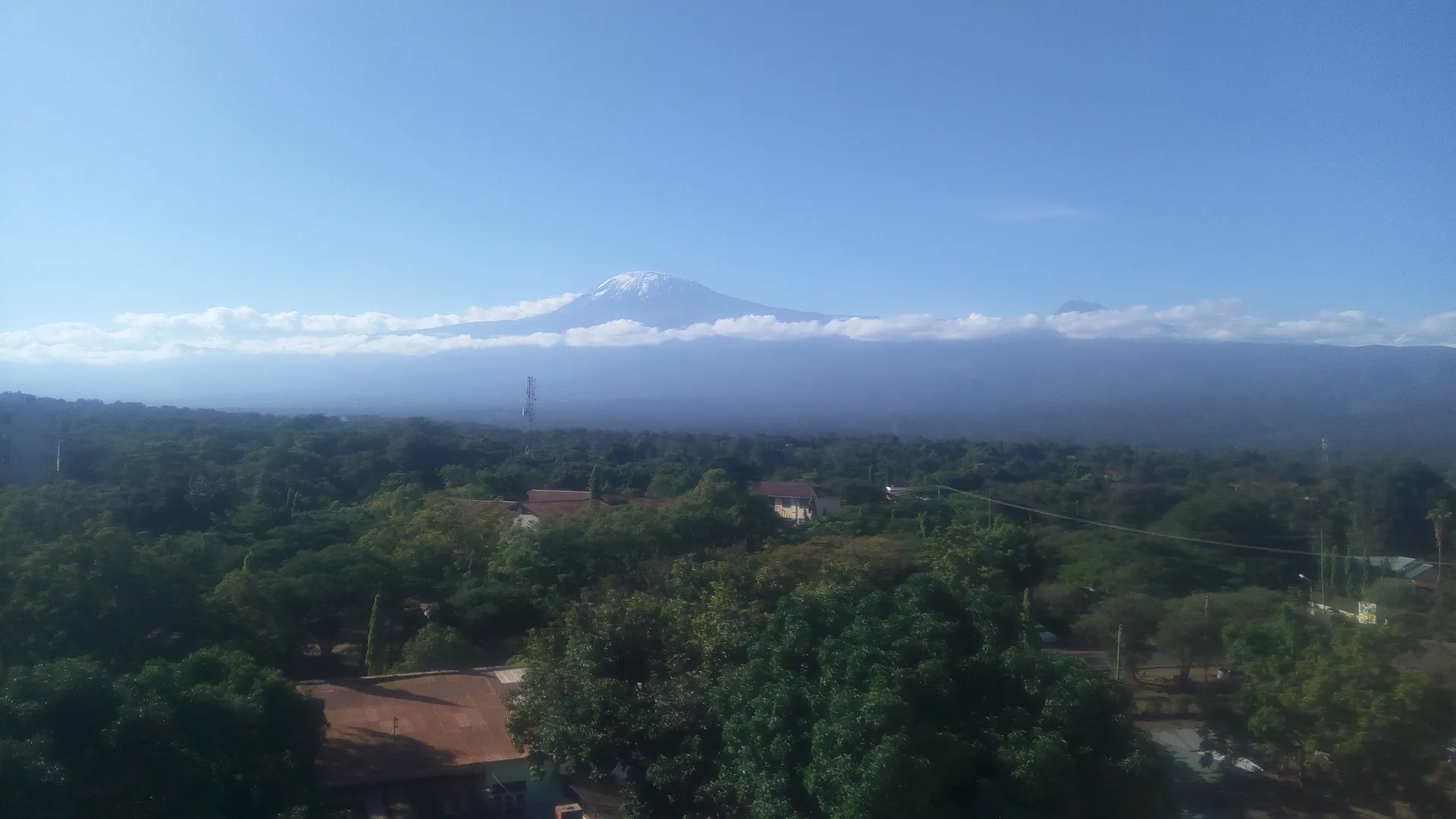
Timing matters more here than in most nomad towns, because Kilimanjaro's mood sets the tone. The dry seasons, roughly June to October and again December to February, are the best windows: skies clear, the mountain shows itself, and trekking and safari conditions are at their prime. The long rains from March to May bring cloud, mud, and washed-out views, and the shorter rains around November can do the same on a smaller scale. Temperatures at Moshi's elevation stay pleasant year round, warm days and cooler evenings, though it gets hot in the dry months. One practical note for the whole region: this is a malaria area, so take precautions seriously and speak to a travel-health professional before arriving.
- Best overall: June to October and December to February (clear Kilimanjaro views, prime trekking)
- Long rains March to May: cloud, mud, obscured mountain
- Short rains around November: patchier but still wetter
- Take malaria precautions and seek travel-health advice before you go
Pros and Cons of Moshi
Moshi's appeal is easy to feel within a day: it is relaxed, walkable, affordable, and genuinely warm in spirit, with Kilimanjaro looming over a friendly town built around coffee, trekking, and community. The small expat, volunteer, and trekking scene makes it easy to meet people, and the surrounding nature is world class. The trade-offs are equally real. Infrastructure is modest, wifi is inconsistent, nightlife is thin, and you need the normal awareness that comes with slow travel in a developing region, including health precautions. None of this is a dealbreaker for the right person, but it does mean Moshi rewards flexibility and patience far more than it rewards anyone expecting a seamless corporate work setup. Medical care is a strength out of proportion to the town: KCMC, the big Christian medical centre here, is a referral hospital of more than 450 beds serving a population of over eleven million across the north, a genuine safety net for a trekking base.
- Pros: low cost, walkable and calm, warm people, extraordinary nature and adventure access
- Pros: easy small community of nomads, volunteers, and trekkers; strong coffee culture
- Cons: variable wifi and modest infrastructure
- Cons: limited nightlife and the usual developing-country and malaria awareness needed
Who Moshi Is For
Moshi suits a particular kind of traveler, and being clear-eyed about that saves disappointment. If you are an adventure-minded or safari-driven slow traveler, a volunteer, or someone who wants to climb Kilimanjaro and linger in coffee country while working lightly on the side, this town can be a highlight of a whole trip. It is far less suited to anyone who needs guaranteed fast internet, a busy coworking scene, or a nightlife-heavy base for intense deadline work. Come here to downshift, connect with a warm local culture, and build your days around the mountain and the region rather than around your calendar, and Moshi delivers something most polished hubs cannot. Families have a rare asset here: UWC East Africa, the school that began as the International School Moshi, was the first in Africa to offer the International Baccalaureate, so a parent working remotely can spend a school year here without giving up a recognised curriculum.
- Great for: adventure, safari, and Kilimanjaro-focused slow travelers
- Great for: volunteers and community-minded nomads on a modest budget
- Less ideal for: corporate workers needing fast, reliable connectivity and a work-hub scene