Cost of Living in Bandipur
Where this figure comes from. No cost survey covers Bandipur, so the $500 a month above is our own estimate rather than a measurement. On 416 of our 999 city guides the figure is built from a published Numbeo basket, a one-bedroom rent in the centre plus one person's monthly costs without rent, converted to USD; this city is not one of them. How we source everything.
Bandipur is one of the cheaper bases in Nepal, and it stays cheap because there is genuinely little to spend money on. A simple guesthouse room on the car-free bazaar street runs roughly $10 to $20 a night, while a nicer heritage hotel with a Himalayan view, like a converted Newari townhouse, can reach $40 to $70. A dal bhat set meal costs $2 to $4 anywhere in town, momos and noodle dishes run $2 to $3, and a cup of Nepali coffee or milk tea is under $1. A comfortable monthly budget, including a private room, three meals a day, and the odd taxi jeep down to Dumre, lands somewhere between $500 and $800. Everything is priced in Nepali rupees (NPR) and cash is king: there is no reliable card acceptance outside a couple of the larger resorts, and the nearest functioning ATMs are down in Dumre or Bandipur's small bazaar branch, which occasionally runs dry on busy weekends. Bring more cash than you think you need. Imported goods, sunscreen, specific electronics, and anything not grown or made locally cost more than in Kathmandu or Pokhara because everything travels up the same winding access road. Overall this is a budget-friendly, slow-paced stop rather than a place to optimize spreadsheets.
Where to Work in Bandipur
There is no coworking space in Bandipur, full stop, and treating it as a productivity hub would be dishonest. What exists instead is a handful of guesthouse lounges and cafes along the bazaar with tables, decent chairs, and wifi that ranges from workable to frustrating depending on the hour and the weather. The Old Inn and a few of the other heritage hotels have common rooms where longer-staying guests can plug in for a few hours, and small cafes serving coffee and cake double as informal work spots in the morning before day-tripping crowds arrive. Wifi is typically ADSL or a shared connection backed up by mobile data, fine for email, writing, and light browsing, but video calls and large uploads are a gamble, especially when cloud cover or monsoon rain disrupts the signal. Power cuts happen, though less often than in rural Nepal generally, and most guesthouses have some backup. Realistically, Bandipur suits nomads who can work in short, unhurried bursts, who have already banked deadline-heavy work elsewhere, or who are combining a writing retreat with sightseeing rather than running a demanding remote job that needs guaranteed bandwidth.
Getting Around Bandipur
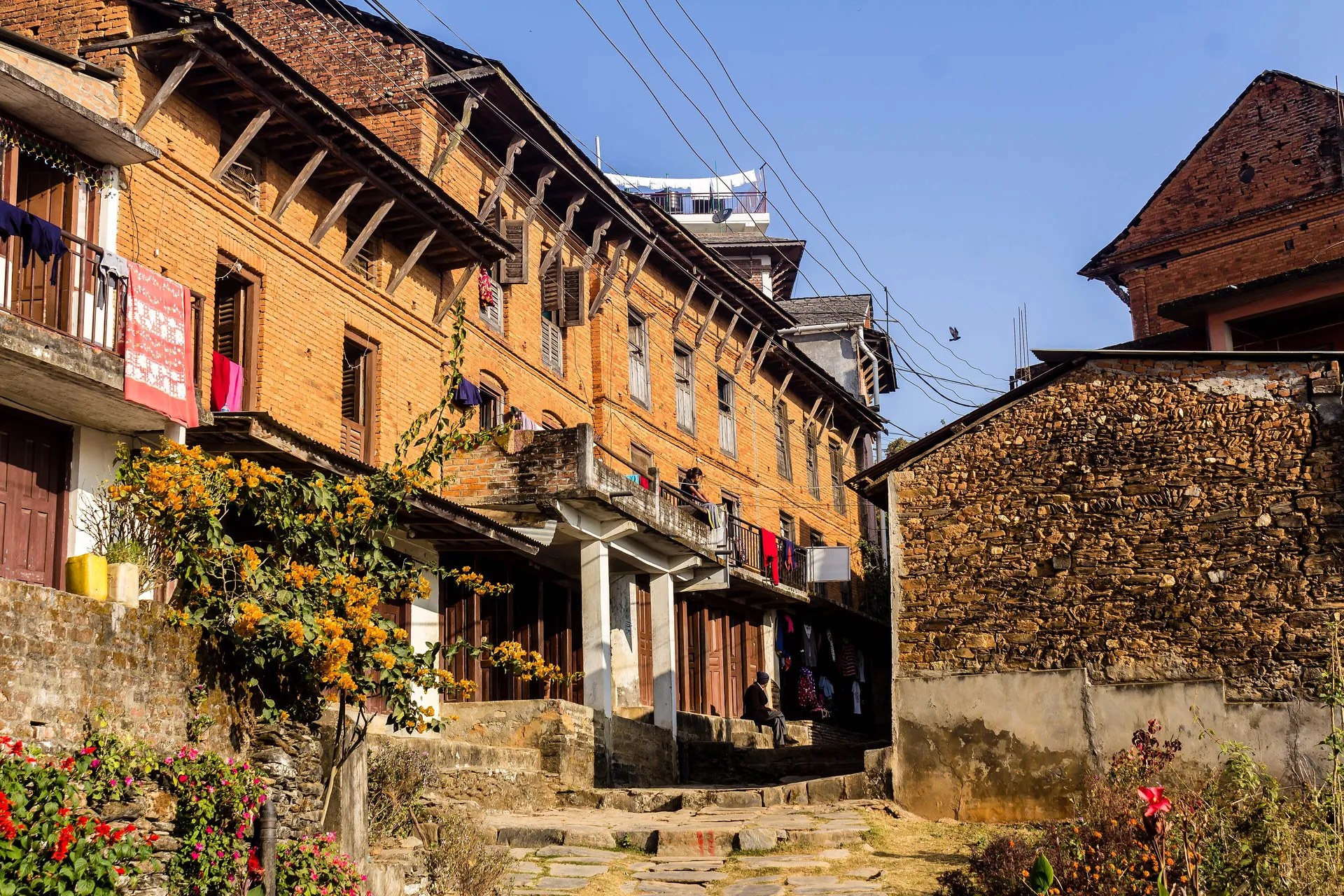
Getting to Bandipur is part of the experience. Most travelers arrive by bus or private jeep from Kathmandu (around 4 to 5 hours) or Pokhara (about 2 hours) along the Prithvi Highway, getting off at the junction town of Dumre and then switching to a local jeep or shared taxi for the steep, switchbacking climb up to the ridge, roughly 30 to 45 minutes and about 8 kilometers of uphill driving. Some buses now run directly into Bandipur itself, but connections can be infrequent, so budgeting extra time and confirming the current route before you travel is wise. Once you are up on the ridge, Bandipur turns into one of the most walkable towns in Nepal: the main bazaar is entirely car-free, a cobbled pedestrian street lined with carved wooden Newari facades, so everything in the old town, guesthouses, restaurants, temples, and the town square, is reachable on foot in minutes. Side trips to viewpoints like Tundikhel or Gurungche hill, or down to Siddha Cave, mean short hikes rather than rides. For longer excursions, local jeeps and the occasional motorbike-for-hire cover the surrounding villages, but there is no local taxi app or metered transport; agree on a price with drivers in Dumre or at the bazaar entrance before you set off.
Sorting transport? Book an airport transfer, or compare car rental on Auto Europe and QEEQ.
Visas for Bandipur
Bandipur runs on Nepal's standard tourist visa rules, so almost every remote worker enters as a tourist rather than under any dedicated digital nomad or work visa, which Nepal does not currently offer. Most nationalities can get a visa on arrival at Kathmandu's Tribhuvan International Airport or at land border crossings, paying in cash or card for 15, 30, or 90-day options (roughly $30, $50, and $125 respectively at recent rates). The visa can be extended at the Department of Immigration in Kathmandu or Pokhara for further stays, with extension fees calculated per day plus a service charge, and Nepal generally allows up to 150 cumulative tourist-visa days in a calendar year. Since Bandipur itself has no immigration office, any visa extension or paperwork needs a trip down to Kathmandu or Pokhara, so plan those errands around your travel days rather than expecting to handle them locally. As with any tourist-visa arrangement, working remotely for a foreign employer while visiting is common practice among travelers but not something the visa is explicitly designed around, so keep a low profile and do not seek local employment.
Best Time to Visit Bandipur
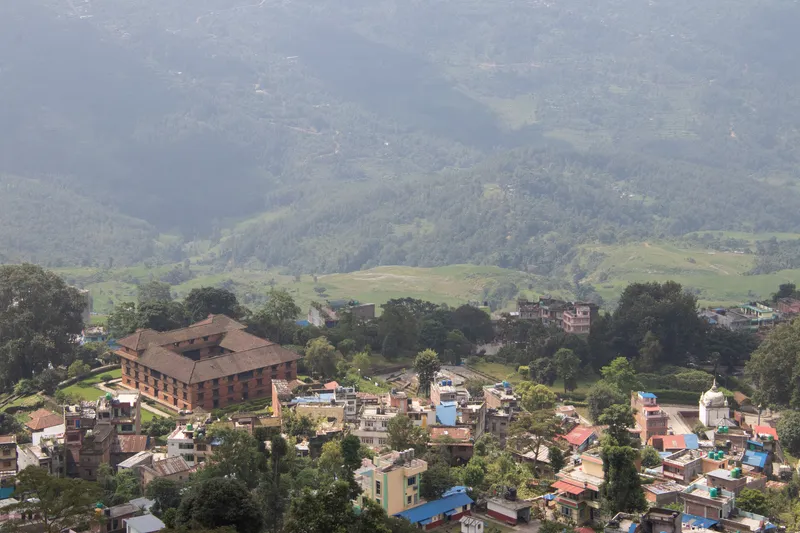
Bandipur's entire appeal rests on its Himalayan panorama, so timing your visit around visibility matters more here than in most Nepali towns. October through November, right after the monsoon clears, is the standout window: skies are crisp, temperatures are mild in the high teens to low twenties Celsius by day and cool at night, and on a clear morning you can see Annapurna, Manaslu, and Dhaulagiri lined up along the horizon. March to April is the second good stretch, warmer and hazier than autumn but still generally clear, with rhododendrons blooming on the surrounding hills. December to February brings cold, crisp air and occasional frost at this roughly 1,030-meter elevation, with fewer crowds but chillier evenings in guesthouses that are not always well heated. June through September is monsoon season: expect frequent rain, thick cloud cover that can hide the mountains for days at a stretch, leeches on the surrounding trails, and a noticeably quieter, greener, mistier town that some visitors actually prefer for its atmosphere, even without the views. If mountain photography is your priority, build in flexibility and a couple of extra nights around the autumn or spring windows rather than a single fixed day.
Pros and Cons of Bandipur
On the plus side, Bandipur delivers a genuinely rare thing in Nepal: a well-preserved, car-free historic town center where carved Newari architecture, temples, and mountain views coexist without the chaos of Kathmandu or the touristy sprawl of Pokhara's lakeside. It is quiet, walkable, cheap, safe, and scenic, with good day hikes to caves and viewpoints right from your guesthouse door, and it works well as a relaxed stopover between Kathmandu and Pokhara rather than requiring a dedicated long detour. On the downside, it is genuinely small: a few days of exploring covers the town thoroughly, nightlife is essentially nonexistent beyond a quiet drink at a guesthouse, wifi is inconsistent, cash is required for almost everything, the access road up from Dumre is steep and can be uncomfortable for anyone prone to motion sickness, and mountain views are entirely weather-dependent, meaning a monsoon-season visit could mean days of cloud with no Himalayan payoff at all. There is also limited healthcare locally; anything beyond minor issues means a trip down to Pokhara or Kathmandu.
Who Bandipur Is For
Bandipur fits travelers and remote workers looking for a short, restorative stop rather than a full-time nomad base: writers, photographers, and slow travelers who want a few quiet days surrounded by carved wooden architecture and mountain silence, hikers using it as a base for short treks to Siddha Cave or nearby viewpoints, and anyone road-tripping between Kathmandu and Pokhara who wants a scenic overnight break instead of rushing straight through. It particularly suits people who can work asynchronously and tolerate patchy wifi, who value atmosphere and views over amenities and nightlife, and who are comfortable with cash-only, mostly car-free small-town life. It is a poor fit for anyone needing reliable video-call bandwidth, an active social or dating scene, varied nightlife, or a large expat and remote-work community, since Bandipur simply does not have the population or infrastructure for any of that. Think long weekend or working retreat, not a place to set up shop for months.