Cost of Living on Ometepe
Where this figure comes from. No cost survey covers Ometepe, so the $700 a month above is our own estimate rather than a measurement. On 416 of our 999 city guides the figure is built from a published Numbeo basket, a one-bedroom rent in the centre plus one person's monthly costs without rent, converted to USD; this city is not one of them. How we source everything.
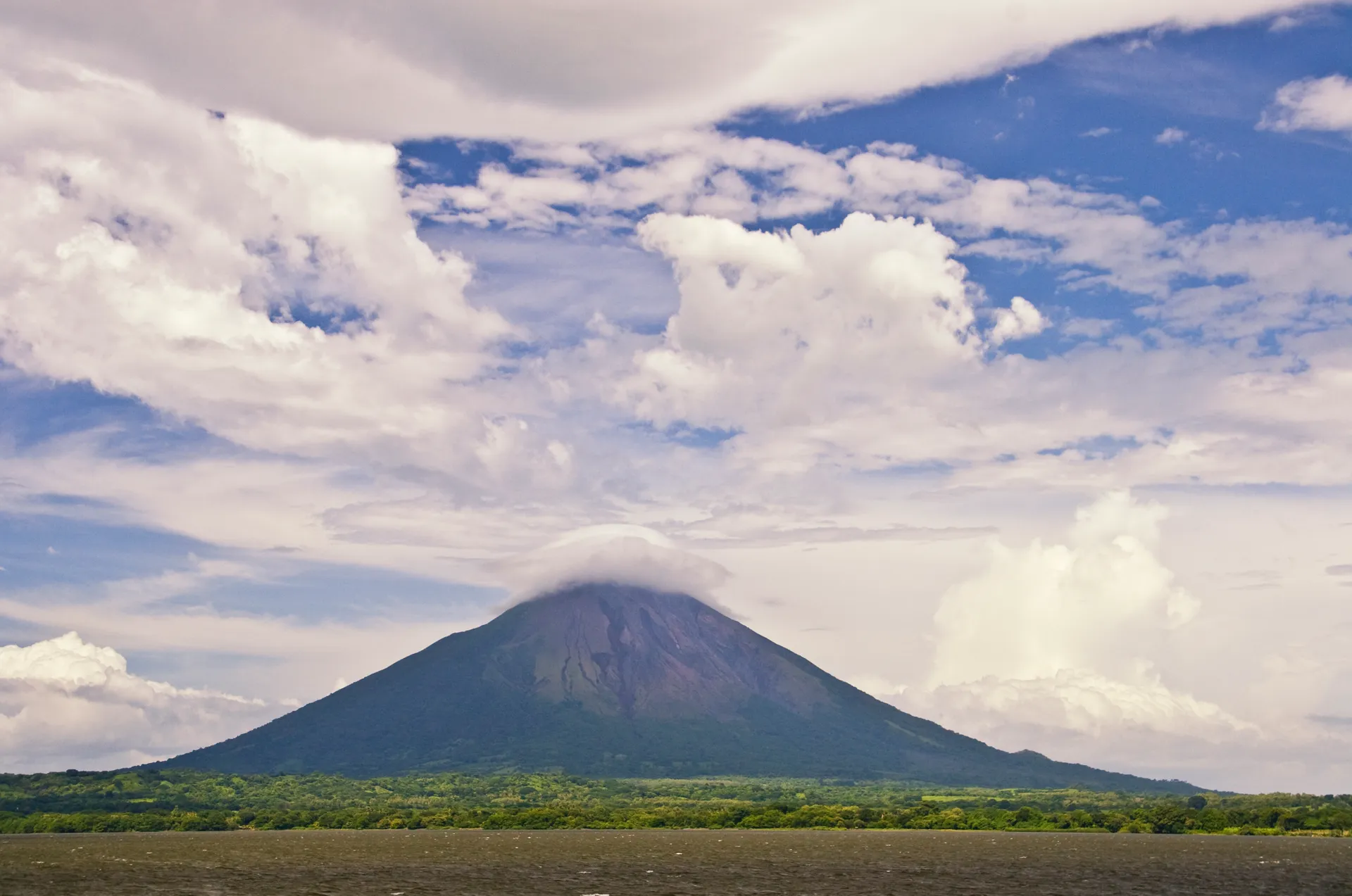
Ometepe is cheap by nomad standards, but "cheap" comes with tradeoffs. A simple room in a family-run hospedaje in Moyogalpa or Altagracia runs $200-400/month, while a private cabina or small eco-lodge room near Balgue or Santa Cruz with a hammock and a view of Maderas volcano can run $300-600/month. Longer-term house rentals, when you can find one through word of mouth or a Facebook group, land around $300-500/month unfurnished. Food is where the island splits: eating at local comedores (rice, beans, plantain, chicken, fresh juice) costs $3-6 a plate, but imported goods, wine, and anything not grown on the island get marked up because everything arrives by ferry or truck from Rivas. A basic grocery run in Moyogalpa costs more than the mainland equivalent. Budget $600-900/month for a modest but comfortable lifestyle, or $1,000-1,400/month if you want a nicer eco-lodge stay, occasional restaurant meals in Santa Cruz or Balgue, and a rented scooter. Cash is king: NIO cordobas and US dollars both circulate, but there are only a couple of ATMs on the whole island (Moyogalpa and Altagracia), they run out of cash, and card acceptance is rare outside a handful of tourist-facing lodges. Bring more cash than you think you need.
Where to Work on Ometepe
Nobody comes to Ometepe for its productivity, and the island makes no pretence otherwise. There is no coworking space on the island. A small number of cafes and eco-lodges in Moyogalpa, Santa Cruz, and Balgue have wifi and will let you sit for hours with a coffee or smoothie, but connections are inconsistent, sometimes dropping entirely during storms or when the island's shared bandwidth gets overloaded. Power cuts happen, particularly in the wetter months. Nomads who make it work here tend to do async, low-bandwidth jobs (writing, some design, planning work) rather than anything requiring video calls or large file transfers on a fixed schedule. If your income depends on reliable daily video calls, plan around it: some lodges have backup generators and slightly better connections, and it's worth asking specifically about wifi reliability before booking more than a few nights. Many people who come here for "workations" end up treating it as a partial-work, partial-break stop and shift heavier work to Rivas, Granada, or San Juan del Sur, which have far more dependable infrastructure.
Getting Around Ometepe
You reach the island by ferry from San Jorge (near Rivas) to Moyogalpa, a crossing of about an hour that can get rough in windy season and occasionally cancels. A second, smaller ferry route runs from San Jorge to Altagracia. Once on Ometepe, roads are a mixed bag: the main road connecting Moyogalpa to Altagracia is paved, but many roads branching off toward Balgue, Santa Cruz, and Merida are unpaved, dusty in dry season and rutted or muddy in green season. Scooter rental is the default way to get around, typically $20-25/day or cheaper by the week, and a 4x4 or ATV is worth it if you're heading to the rougher southern roads around Maderas. Local buses (converted trucks and minibuses) connect the main towns cheaply but run on loose schedules. Taxis and shared trucks exist but are limited after dark. Distances feel longer than they look on a map because of the road surface, so budget extra time for anything on the Maderas side of the island.
Sorting transport? Book an airport transfer, or compare car rental on Auto Europe and QEEQ.
Visas for Ometepe
Nicaragua is part of the CA-4 border agreement with Guatemala, Honduras, and El Salvador, so most nomads from the US, EU, UK, Canada, Australia, and similar passports get a 90-day stamp on entry, valid for travel across all four CA-4 countries combined, not reset by crossing between them. Extensions beyond 90 days are handled through Nicaraguan immigration in Managua and are not always straightforward or guaranteed, so many nomads plan a border run to a non-CA-4 country (Costa Rica works, since it sits just across the border) before the 90 days are up, which resets the clock on re-entry. There is no dedicated digital nomad visa for Nicaragua as of this writing, so most people simply operate on the tourist stamp. Keep your passport and entry stamp accessible since immigration checks happen at the ferry terminal in San Jorge.
Best Time to Visit Ometepe
Dry season, roughly December through April, is the easiest window: trails to the Maderas crater lake and up Concepcion are passable, roads are dusty but firm, and the ferry crossing is calmer. It's also the busiest and driest, with brown, dusty landscapes by March and April. Green season, May through November, turns the island lush and the waterfalls (like San Ramon) full and dramatic, but trails get muddy and slippery, unpaved roads can become difficult even on a scooter, and heavy rain can disrupt the ferry schedule. September and October carry the highest risk of tropical storm activity. For a balance of good hiking conditions and green scenery, late November to early December or May tend to be underrated windows.
Pros and Cons of Ometepe
Pros: genuinely low cost of living, two volcanoes and the Maderas crater lake within reach, Ojo de Agua natural spring, petroglyphs scattered around Altagracia and the countryside, a real slow-paced island atmosphere with almost no traffic or crowds, and a strong sense of getting away from tourist-heavy Central America. Cons: weak and unreliable wifi, no coworking infrastructure, unpaved and sometimes rough roads, a scarcity of ATMs that makes cash planning essential, limited nightlife beyond a few bars in Moyogalpa and Santa Cruz, and a ferry-dependent lifestyle that means bad weather can strand you on or off the island for a day. Healthcare is basic; anything serious means a ferry plus a drive to Rivas or Managua.
Who Ometepe Is For
Ometepe suits nomads who want a genuine break from constant work rather than a place to grind through deadlines: nature lovers, hikers, people doing async or flexible-schedule work, and anyone who's spent months in busier hubs like Medellin or Bali and wants quiet, cheap, off-grid time. It is a poor fit for anyone who needs daily video calls, fast reliable internet, a coworking community, or a lively social and nightlife scene. Think of it as a 2-4 week reset stop on a longer Central America loop rather than a long-term base, unless you're specifically drawn to slow island life and can structure your work around patchy connectivity.