Cost of Living in Coroico
Where this figure comes from. No cost survey covers Coroico, so the $600 a month above is our own estimate rather than a measurement. On 416 of our 999 city guides the figure is built from a published Numbeo basket, a one-bedroom rent in the centre plus one person's monthly costs without rent, converted to USD; this city is not one of them. How we source everything.
Coroico is one of the cheapest bases in this guide, even by Bolivian standards. A simple room in a family-run guesthouse runs roughly $5-10 a night, and a private room with a hot shower and a view at a mid-range hotel like Hotel Esmeralda lands around $13-26. Longer-stay apartments or cabañas on the hillside can be negotiated down to $250-450 a month if you ask around in person, since almost nothing is listed online. Meals are cheap: a set lunch (almuerzo) at a local comedor is $1.50-2, and a plate at a nicer tourist restaurant is $2.50-5. Coffee grown in the surrounding hills is sold direct from small farms for a fraction of what you would pay in La Paz. Altogether, a modest but comfortable month, rent, food, and coffee shop work sessions included, can be done for $500-700, making Coroico a genuine budget option rather than a marketing claim.
Where to Work in Coroico
This is not a laptop-friendly town in the polished sense: there is no dedicated coworking space, and you should not expect fast, stable internet. What works instead is a rotation of hotel restaurants and cafes with wifi and river or valley views, most usefully Back-Stube Konditorei near the plaza (German bakery with reliable if modest wifi) and the restaurant terraces at Hotel Esmeralda and Sol y Luna Eco Lodge, both a short walk or taxi ride from the center. Serious remote workers in Coroico generally treat it as a slow-internet week: batch calls for mornings when connections tend to be steadier, keep offline copies of anything urgent, and accept that video calls may drop. A local SIM with a Bolivian carrier (Entel or Tigo) and mobile data is often more dependable than hotel wifi, so most people who work here for more than a few days end up using their phone as a hotspot as a backup plan.
Getting Around Coroico
Coroico sits about three hours from La Paz by minibus or shared taxi on the newer paved road through Yolosa, a much safer alternative to the old Yungas "Death Road" that made this route famous. Minibuses leave from La Paz's Villa Fátima neighborhood regularly through the day for around $1.50-2. The road itself is genuinely winding, with steep drops and frequent cloud cover, and while the new route is far safer than the old one, it is still not a relaxing ride if you are prone to motion sickness or nervous about mountain roads; night travel and rainy-season landslides are worth planning around. Once in Coroico, the town center is small and entirely walkable, with steep cobbled streets connecting the plaza to most guesthouses. For hillside hotels or nearby villages, tuk-tuks (mototaxis) and pickup-truck taxis wait around the plaza and charge a few bolivianos per ride. The old Yungas Road itself lives on mainly as a mountain-biking route, and several outfitters in La Paz run day trips that end in Coroico, which is how a lot of visitors first arrive.
Sorting transport? Book an airport transfer, or compare car rental on Auto Europe and QEEQ.
Visas for Coroico
Visa rules follow Bolivia's national policy since Coroico has no separate immigration process. Most nationalities, including the EU, UK, and much of Latin America, get a 30-day entry stamp on arrival, extendable at immigration offices in La Paz up to 90 days total per year for a modest fee. Americans used to be the exception, but since 1 December 2025 they enter on the same visa-free terms as everyone else, after Bolivia dropped the reciprocity visa it had charged them for years. There is no immigration office in Coroico itself, so any extension requires a trip back to La Paz, which is a reasonable day trip given the direct minibus connection. Bolivia does not offer a dedicated digital nomad visa, so longer stays mean regular visa runs or extensions through the standard tourist process; nobody is coming to Coroico on a work visa, and overstaying carries fines enforced more strictly than a few years ago.
Best Time to Visit Coroico
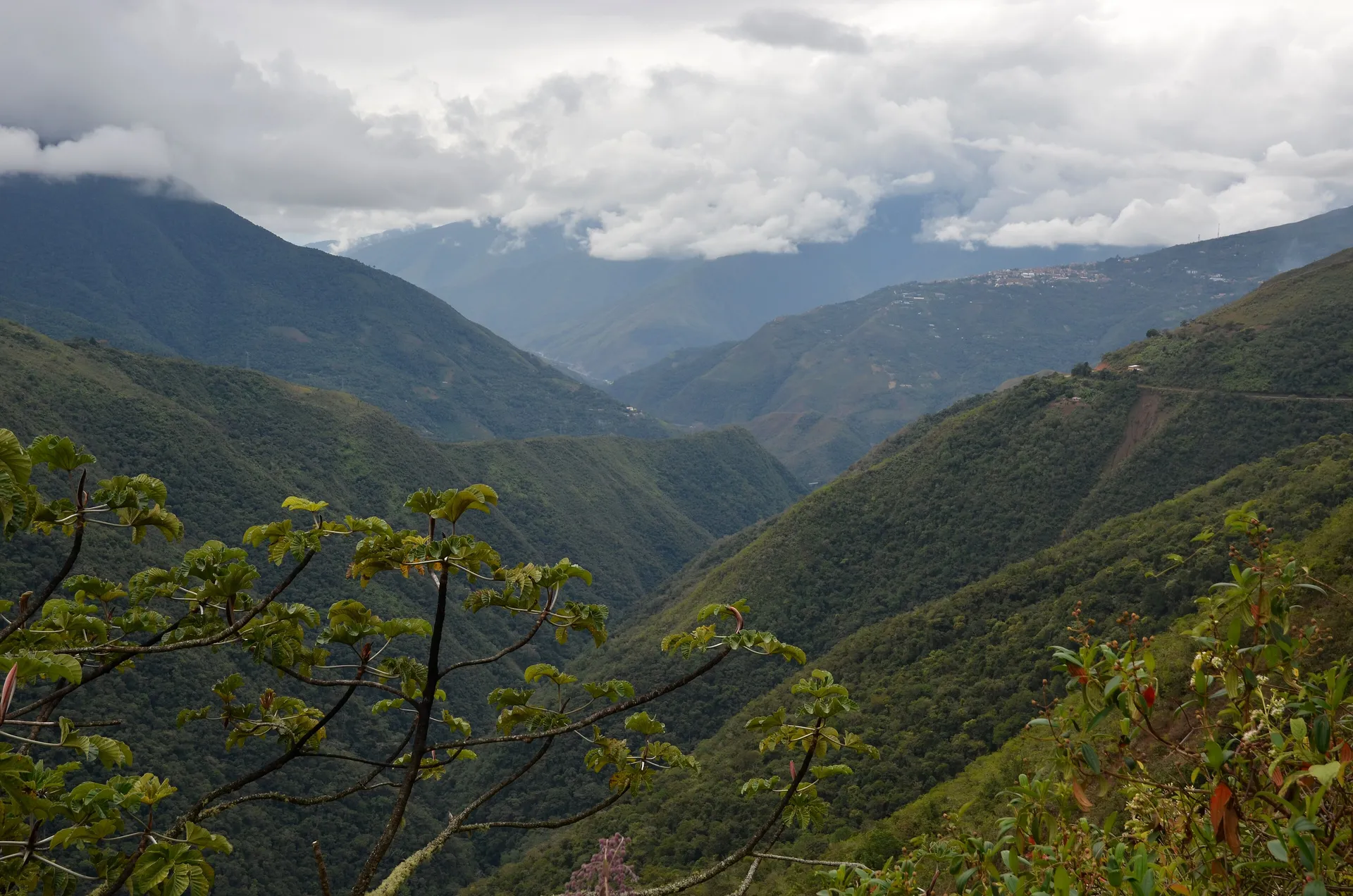
The dry season, roughly May through October, is the most reliable window: clearer skies, firmer roads, and the best odds of the valley views the town is known for. Late June through August is also the coolest and driest stretch, popular with La Paz residents escaping the Altiplano chill for a warm weekend. The wet season, November through March, brings heavier afternoon rain, more cloud cover that can hide the views for days at a time, and a higher chance of landslides or road delays on the drive in. Coroico is warm and humid year-round given its lower elevation and cloud-forest setting, so pack for a subtropical climate regardless of season, mosquito repellent included. Shoulder months (April and September/October) often strike a good balance of green scenery and manageable rain. The altitude is what makes the climate work. At roughly 1,700 metres, Coroico sits about two kilometres of descent below La Paz, so a weekend here swaps freezing nights on the high plateau for warm evenings among citrus and banana trees after a single drive, and that contrast is strongest in the dry winter months when the capital is at its coldest.
Pros and Cons of Coroico
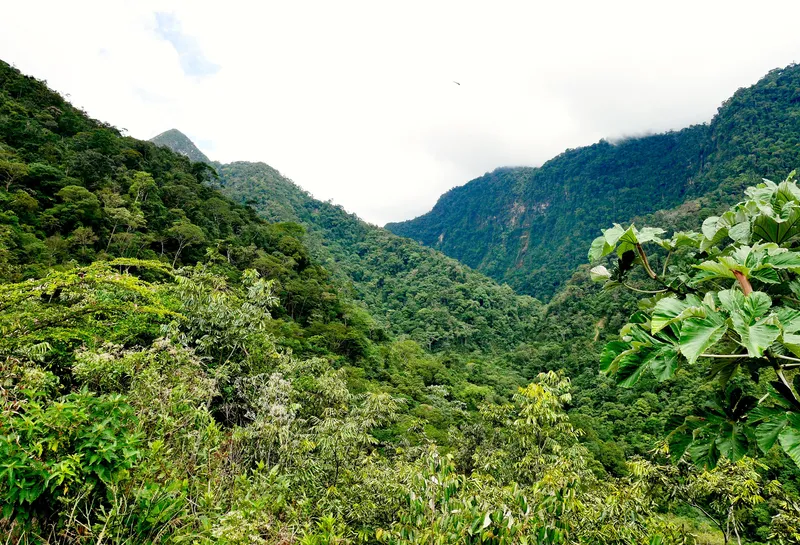
The appeal is real: dramatic Yungas scenery, waterfalls and coffee farms within walking or short taxi distance, a genuinely warm climate after the cold of La Paz, very low cost of living, and a slow, unpretentious pace that suits people who want a break from screens. It is also a legitimate base for exploring the old Death Road by bike and for tasting locally grown coffee and coca at source. The drawbacks are equally real and worth stating plainly: internet is patchy and slow by nomad standards, the access road is winding and can be unnerving, infrastructure is basic (limited healthcare, occasional water or power interruptions), the town is small enough to feel limiting after a couple of weeks, and rainy-season travel can be genuinely disrupted by landslides. This is a place to recharge and unplug, not to run a demanding, calls-heavy remote job from full time. Two of the best outings start close to town: La Senda Verde, a refuge near Yolosa at the foot of the road, takes in monkeys, bears and birds rescued from the wildlife trade and lets visitors stay overnight, and the ridge of Cerro Uchumachi above the plaza is a half-day hike with views across the valleys.
Who Coroico Is For
Coroico suits nomads who want a low-cost, nature-heavy pause between busier bases, especially anyone stationed in La Paz who needs a warm, green weekend or a slower week to decompress. It works well for asynchronous workers, writers, and remote employees whose jobs tolerate a day or two of shaky connectivity, and for anyone drawn to hiking, waterfalls, coffee culture, or cycling the old Death Road. It is a poor fit for anyone who needs consistent video-call-grade internet, wants nightlife or a broad social scene, or gets uneasy on winding mountain roads, since getting in and out is unavoidably part of the experience. It also suits anyone curious about a side of Bolivia that rarely reaches the brochures. The villages of Tocaña and Mururata, a short ride below town, are home to Afro-Bolivian communities descended from people enslaved for the colonial mines and estates, keepers of the saya music and of a ceremonial king whose title was officially recognised in 2007, and a day spent there teaches more about the country than another waterfall.