Cost of Living in Lençóis
Where this figure comes from. No cost survey covers Lençóis, so the $650 a month above is our own estimate rather than a measurement. On 416 of our 999 city guides the figure is built from a published Numbeo basket, a one-bedroom rent in the centre plus one person's monthly costs without rent, converted to USD; this city is not one of them. How we source everything.
Lençóis is inexpensive by nomad standards, even cheaper than Brazil's coastal cities. A simple pousada room runs roughly $16-30 a night in low season, $30-59 in July and around Carnaval when trekking crowds fill the town. Longer-stay apartments and rooms rented by the month, if you can find one through a local contact or Facebook group, land somewhere around $240-430. Food is a bargain: a prato feito (plate of the day) at a lunch spot costs $4-7, a full dinner with grilled fish or a moqueca at a tourist-facing restaurant runs $8-14, and a caipirinha at a bar on Rua da Baderna is $2-3. Groceries at the small local mercados cost noticeably more than in Salvador since most goods truck in from outside the Chapada, so stock up before you arrive if you plan to cook. A modest monthly budget covering a room, meals mostly out, and local transport lands around $590-890, which is comfortable but not dirt cheap once you factor in tours, park entrance fees, and guide costs that add up fast if you are hiking often.
Where to Work in Lençóis
Lençóis is not built for remote work and honesty matters here: this is a trekking base first, a workspace a distant second. There is no dedicated coworking space. Your options are cafe tables and pousada common areas, most of which have wifi that ranges from workable to frustrating depending on rain, time of day, and how many other guests are streaming video. A handful of cafes near the Praca Horacio de Matos and along Rua das Pedras offer decent seating and drinkable coffee, and some of the better pousadas advertise wifi as an amenity worth asking about directly before booking, since speeds vary wildly block to block. Video calls are the real test: expect them to work most mornings and to be unreliable after heavy rain or during peak tourist season when everyone is online at once. If your job needs consistent bandwidth for calls or large uploads, plan around it, keep a mobile data backup with a Brazilian SIM, and treat any productive work block as a bonus around the hiking rather than the other way round.
Getting Around Lençóis
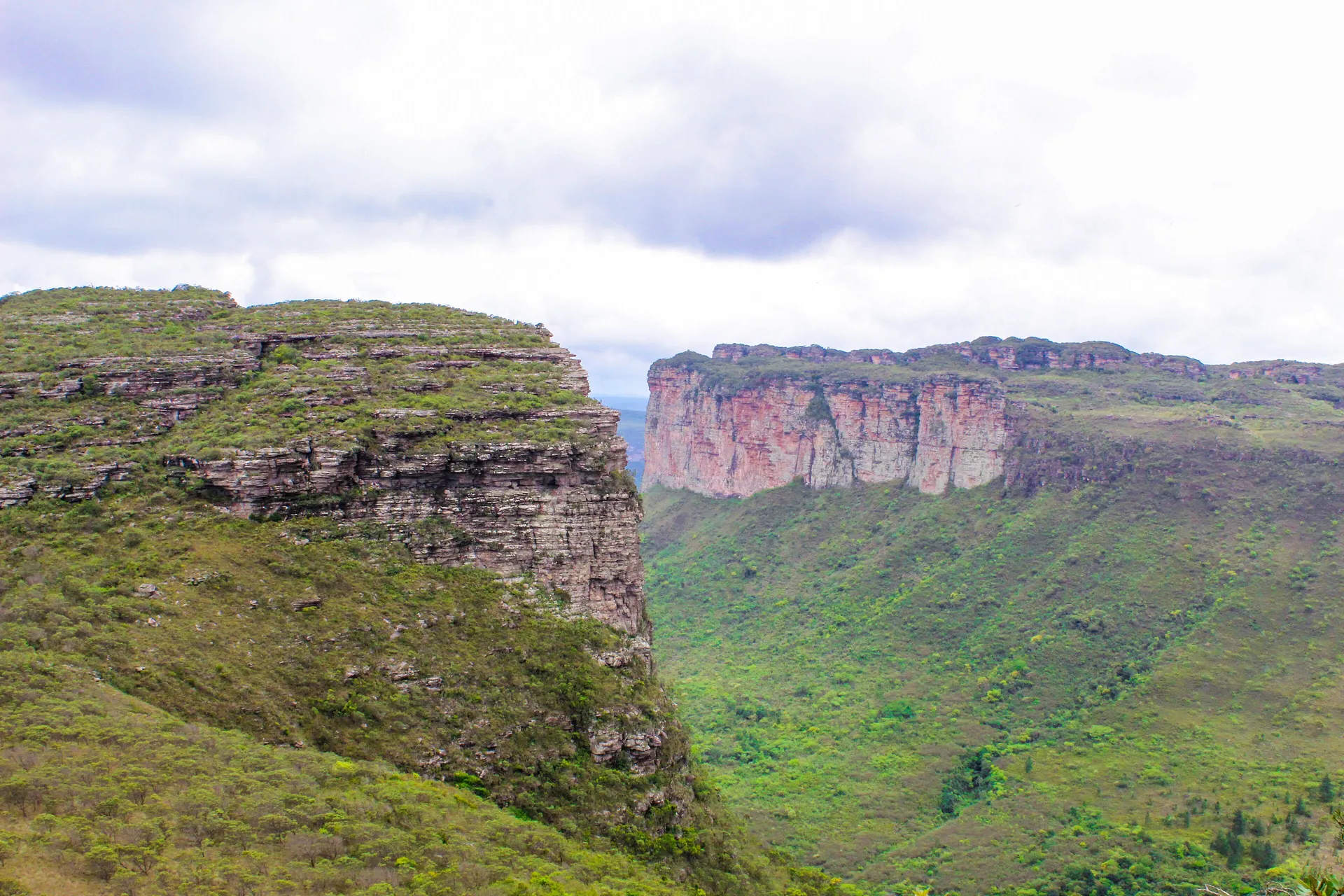
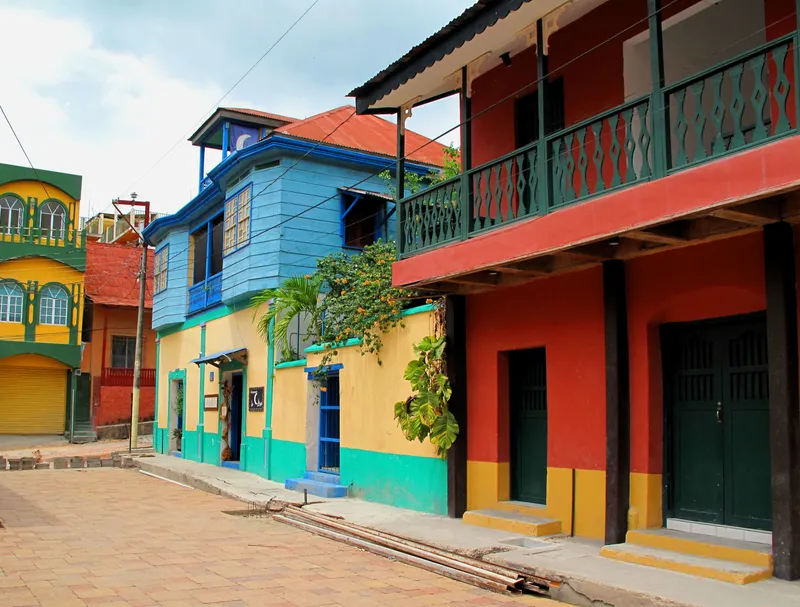
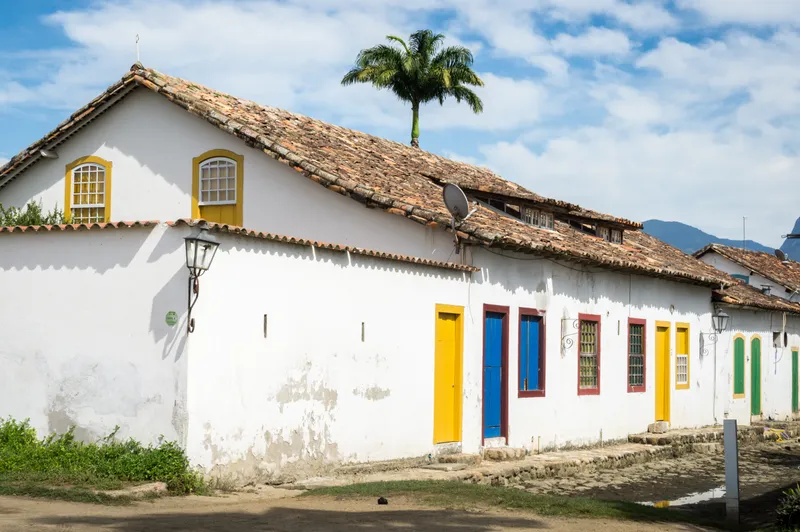
Getting to Lençóis takes effort. The most common route is a bus from Salvador, roughly 6 to 7 hours depending on the operator and road conditions, with a couple of daily departures. There is also a small regional airport (Aeroporto de Lencois-Chapada Diamantina) with limited seasonal flights from Salvador and occasionally other hubs, useful if you want to skip the road but not always reliable or cheap. Once you are in town, Lençóis itself is entirely walkable: the historic center is compact, cobbled, and hilly, with colorful colonial buildings packed close together, so you will not need transport for daily errands. Getting into the Chapada Diamantina National Park is a different matter. Most of the marquee sights, Morro do Pai Inacio, Cachoeira da Fumaca, the canyons and caves, sit 20 minutes to two hours outside town and require a hired 4x4, a tour van, or a guide with a vehicle, since public transport barely covers the park. Budget for tour costs as a recurring line item, not a one-off, if you plan to explore beyond the town itself.
Sorting transport? Book an airport transfer, or compare car rental on Auto Europe and QEEQ.
Visas for Lençóis
Brazil allows visa-free entry for up to 90 days for citizens of the UK, the EU and many other countries, which covers most nomads passing through for a short stay. Americans, Canadians and Australians have been the exception since 10 April 2025, when their exemption ended and an electronic visa obtained online became a condition of boarding. That 90-day window can typically be extended once for another 90 days at the Policia Federal, giving up to 180 days total within a 12-month period, though extensions are handled in larger cities like Salvador rather than in Lençóis itself, so plan a trip out if you need one. Brazil does have a national digital nomad visa, the VITEM XIV, giving a year of residence to people employed remotely by a company abroad who earn at least $1,500 a month or hold $18,000 in savings, and the application is best filed at a Brazilian consulate before you fly rather than improvised from a pousada in the Chapada. For most visitors, the simple 90-day entry is enough to combine trekking with light remote work.
Best Time to Visit Lençóis
The dry season, roughly May through September, is the best window for both hiking and general comfort. Trails are firmer, waterfalls are still flowing though less dramatic than in wet season, and the highland climate at around 400 meters keeps daytime temperatures pleasant rather than punishing, with cool evenings worth packing a light jacket for. The wet season, November through March, brings heavier afternoon rain, muddier trails, occasional flooding on river crossings, and some access roads to remote park sections becoming difficult or temporarily closed. Waterfalls are more spectacular in this period if you do not mind getting wet and muddy, and Cachoeira da Fumaca in particular looks more impressive with more water, but travel is less predictable. April and October are reasonable shoulder months with a mix of both. Whatever the season, book pousadas ahead around Carnaval and July school holidays, when both prices and crowds spike noticeably. June has a pull of its own: São João is celebrated across the interior of Bahia with bonfires, forró and corn dishes, and Lençóis fills with visitors from Salvador for it, so book well ahead.
Pros and Cons of Lençóis
The upsides are real: a genuinely beautiful colonial town with colorful facades and cobbled streets, direct access to one of Brazil's best national parks for hiking, canyons, caves, and waterfalls, a low cost of living, a friendly and low-key pousada culture, and enough of an international trekking crowd that meeting other travelers is easy. The downsides are equally real and worth stating plainly: it is remote, requiring a long bus ride or a limited flight to reach from Salvador, wifi is patchy and not something to rely on for serious work, the hilly cobbled streets are hard going with luggage or in the rain, the wet season brings genuine disruption to travel and trail access, and the local economy leans heavily on tourism seasonality, meaning some restaurants and services scale down outside peak months. It is a fantastic place to visit and to base yourself for a couple of weeks of hiking, less so a place to run a demanding remote job from day to day.
Who Lençóis Is For
Lençóis suits nomads who want an active, nature-heavy break more than a productivity retreat: hikers, photographers, and outdoors people who can front-load their work into short bursts and give days to the Chapada's trails and waterfalls. It works well for remote workers on a flexible schedule or between contracts who do not need daily video calls, and for anyone who values a slower, cheaper, more scenic month over a fast-wifi coworking hub. It is a poor fit for anyone who needs guaranteed connectivity, tight meeting schedules, or a walkable nightlife and restaurant scene beyond a small town's offering. Think of it as a rewarding detour from Salvador or the coast, best combined with a stint somewhere better wired before or after. It particularly rewards a trekker with a week to spare: the Vale do Pati crossing takes three to five days, sleeping in the houses of families who still farm the valley, and nothing else shows the Chapada as well. For a shorter outing, the Ribeirão do Meio, a natural rock slide into a pool, is a walk from town that needs no guide.