Cost of Living in Otavalo
Where this figure comes from. No cost survey covers Otavalo, so the $700 a month above is our own estimate rather than a measurement. On 416 of our 999 city guides the figure is built from a published Numbeo basket, a one-bedroom rent in the centre plus one person's monthly costs without rent, converted to USD; this city is not one of them. How we source everything.
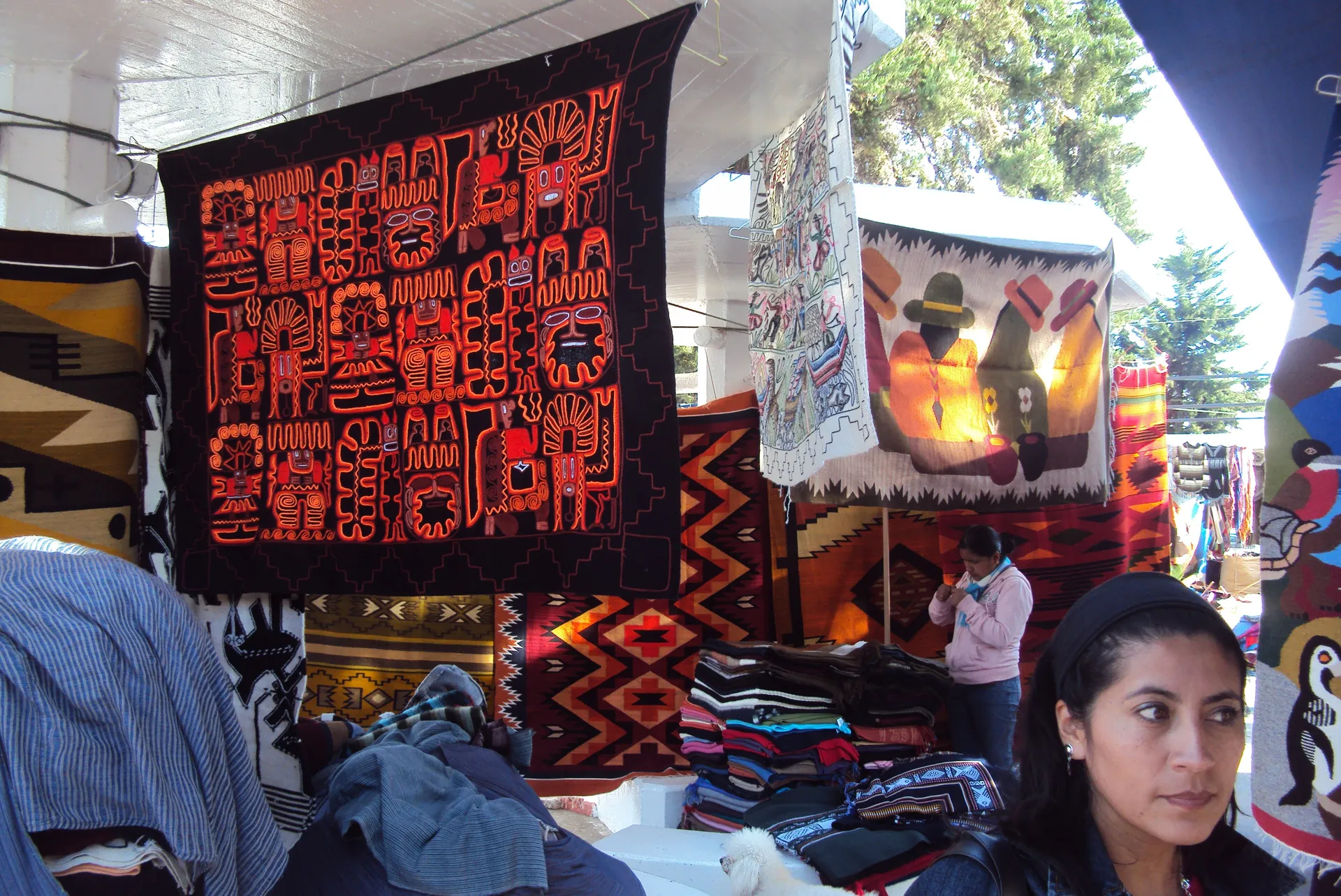
Otavalo is one of the more affordable bases in the Ecuadorian Andes, and because Ecuador uses the US dollar there is no currency exchange to puzzle over. A comfortable solo budget runs roughly $500 to $1,000 a month, depending on how you live. Local guesthouses and simple furnished rooms keep housing low, and the market and neighborhood comedores make eating out genuinely cheap. Fresh produce from the Saturday market costs very little, and set-menu almuerzos are a bargain. Your budget stretches further if you cook, ride buses, and rent monthly rather than nightly. Housing is the cheapest part of the picture once you are past nightly rates: flats let by the month are common because this is a provincial centre rather than a resort, and a short bus ride out to Peguche, Iluman or the villages around Lago San Pablo buys more space for less. What costs real money is whatever has to be shipped in, a laptop charger or a phone included, plus the trip to Quito when something breaks.
- Budget furnished room or guesthouse: roughly $200 to $400 per month.
- Set-menu almuerzo lunch: often $3 to $5.
- Local bus fares and short taxi rides: a dollar or two.
- Weekly market produce haul: a handful of dollars.
Where to Work in Otavalo
Otavalo earns its living from weaving and the Saturday trade, not from laptops, so come expecting a small market town without any polished coworking scene, and certainly not a nomad hub. Wifi in guesthouses and cafes is genuinely variable, so treat a good connection as something to verify rather than assume. Buy a local Claro or Movistar SIM for mobile data as a backup, and ask any accommodation for a real speed test before you commit to a monthly stay. A handful of cafes around the Plaza de Ponchos and Parque Bolivar are laptop-friendly for a few hours. The mild altitude, about 2,530m, can make the first days feel tiring, so pace your workload.
- Get a Claro or Movistar prepaid SIM for backup mobile data.
- Ask for a wifi speed test before booking monthly.
- Work cafe hours around the center, then head out to explore.
- Allow a few days to adjust to the altitude.
Getting Around Otavalo
The town center is compact and easily walkable, and the famous Plaza de Ponchos sits right in the heart of it, biggest and busiest on Saturdays. For anything further, cheap taxis and local buses cover the town and its edges. Frequent intercity buses connect Otavalo with Quito in about two hours, useful for reaching the capital and its international airport. To visit the surrounding nature, most travelers hire a taxi or truck by the half-day or join a tour, since public transport to the viewpoints is limited. Arriving from abroad, there is no need to cross the capital: Quito's airport sits well east of the city, and shuttles and taxis run north from it to Otavalo in about two hours without touching Quito's traffic. The Panamericana is also the town's weak point. When CONAIE, the national indigenous confederation, calls a strike, Imbabura is one of its strongholds, and the highway through Otavalo was blockaded during the national strikes of 2019, 2022 and 2025, in the last for weeks at a stretch.
- Walk the center and the Plaza de Ponchos; Saturday is the big market day.
- Buses to Quito run frequently and take roughly two hours.
- Hire a taxi or truck for Cuicocha crater lake and Peguche waterfall.
- Nearby villages like Peguche and Ilaman are short rides out of town.
Sorting transport? Book an airport transfer, or compare car rental on Auto Europe and QEEQ.
Visas for Otavalo
Many visitors enter Ecuador as tourists for up to 90 days, and extensions are commonly possible within the country for those who qualify. Ecuador has also developed longer-stay and remote-worker visa routes for people who want to settle in for more than a tourist season, which is worth researching if the Andes tempt you to stay. Colombia is the nearest other country, reached over the Rumichaca bridge at Tulcan about three hours north, and it runs its own three-month allowance, extendable within the calendar year, so long-stayers sometimes split a year between the two Andean countries. Residence paperwork goes through the foreign ministry, whose zonal office for the north sits in Ibarra, half an hour up the Panamericana, which spares a trip to Quito for most appointments.
- Tourist entry is commonly up to 90 days, often extendable.
- Longer-stay and remote-worker visa routes exist.
Best Time to Visit Otavalo
Sitting high in the northern Andes, Otavalo enjoys a spring-like climate all year rather than distinct hot and cold seasons. Days can be bright and warm under strong high-altitude sun, while nights turn crisp and cool, so layers are essential whenever you come. The drier stretches, roughly June to September and December to January, tend to be the most pleasant for hiking and market days. Time your trip around the vibrant June Inti Raymi festivities for a deep dose of Kichwa Otavalo culture, and remember that the market peaks every Saturday. Early September adds the Yamor, the town's own festival, built around a chicha brewed from several varieties of maize, with parades, music and two weeks of crowded weekends. The wettest stretch comes in the spring months, roughly March to May, when afternoon rain sets in and the trails up Imbabura and to the Mojanda lakes turn to mud.
- Climate is spring-like year-round: warm sun, cool nights, bring layers.
- Drier and pleasant months: roughly June to September and December to January.
- Inti Raymi in June is a cultural highlight.
- The market is biggest and best on Saturdays.
Pros and Cons of Otavalo
Otavalo rewards travelers who value culture and nature over creature comforts and fast infrastructure. The draw is real: a world-famous indigenous artisan market, the proud living culture of the Kichwa Otavalo people, and a ring of volcanoes, crater lakes, and waterfalls at your doorstep. Costs are low and the dollar makes budgeting simple. The trade-offs are equally real, though: variable wifi, modest infrastructure, a very small nomad scene, and limited English outside tourism. If you come expecting a slick digital-nomad hub you will be disappointed, but if you come for slow, immersive Andean living, it delivers.
- Pros: world-famous market, rich Kichwa Otavalo culture, stunning volcano-and-lake nature, very low cost.
- Pros: dollar currency, walkable center, easy access to Quito.
- Cons: variable wifi and modest infrastructure.
- Cons: tiny nomad community and limited English.
Who Otavalo Is For
Otavalo suits the cultural traveler and the slow nomad far better than the always-online remote worker who needs guaranteed bandwidth. It is a wonderful base if you are drawn to indigenous craft and textiles, want to shop and learn at the largest artisan market in South America, and dream of weekends spent hiking to Cuicocha crater lake or the Peguche waterfall. It works best for people with flexible or light online commitments, a taste for highland scenery and cool evenings, and patience for small-town rhythms. Come for nature, craft, and culture, and stay a while at your own pace. Spanish learners are another good match: highland Ecuadorian Spanish is clear and unhurried, schools in town teach one-to-one by the week, and Kichwa lessons are on offer for anyone curious about the language spoken across the market stalls.
- Great for culture lovers, craft and textile enthusiasts, and slow travelers.
- Ideal for nature seekers who want volcanoes, lakes, and waterfalls nearby.
- Best with flexible, light, or offline-tolerant work.
- Less suited to those needing fast, reliable connectivity and a big social scene.