Cost of Living in Gilgit
Where this figure comes from. No cost survey covers Gilgit, so the $480 a month above is our own estimate rather than a measurement. On 416 of our 999 city guides the figure is built from a published Numbeo basket, a one-bedroom rent in the centre plus one person's monthly costs without rent, converted to USD; this city is not one of them. How we source everything.
Budget around $480 a month. A one-bedroom runs roughly $120 to $280 and the rental market is small and mostly informal, arranged through contacts rather than listings. Market produce is cheap and the region's apricots, cherries and apples are exceptional in season and dried for the winter. Eating out is inexpensive and the food is more Central Asian than Pakistani, with more meat and bread and less spice. Imported goods are expensive and the choice is limited by the road. Utilities are cheap but supply is intermittent, and winter heating is a real cost and a real logistical problem. Fibre where it exists runs $20 to $40 a month for speeds that will frustrate anyone used to a city connection. Winter heating means wood or gas cylinders rather than a utility bill, and both have to be stockpiled before the roads deteriorate, which is a genuine seasonal task rather than an expense. A shared jeep to Hunza costs a few dollars and a private vehicle for the day $60 to $100. Cash is essential outside the main bazaar, since card acceptance is minimal and ATMs in the smaller valleys are unreliable or absent.
Where to Work in Gilgit
Connectivity is weak and this is the single biggest constraint. Gilgit Baltistan is served by limited bandwidth up the Karakoram Highway, speeds are modest and outages are frequent, and mobile data thins to nothing as soon as you leave the main valleys. Power cuts are routine, particularly in winter when the hydropower runs low. There is no coworking. The time zone is five hours ahead of GMT, which gives a workable European afternoon. Anyone whose work requires reliable video calls should treat Gilgit as difficult, and anyone heading further into the valleys should assume no connection at all. Gilgit Baltistan's bandwidth arrives up the same road as everything else and a landslide that closes the Karakoram Highway can degrade the connection as well as the supply chain. Starlink is not licensed in Pakistan, so the usual workaround for remote places is unavailable here, which is worth knowing before planning around it.
Getting Around Gilgit
Gilgit town is small and walkable, and shared jeeps and minibuses handle everything beyond it. The Karakoram Highway is the spine of the region, running north to Hunza and the Khunjerab pass into China and south towards Islamabad, and it is one of the great roads in the world and also a landslide-prone one. Journeys take considerably longer than the distance suggests. Gilgit Airport has flights to Islamabad that are spectacular and are cancelled often, since the approach requires visual conditions through the mountains. The road to Islamabad takes fifteen to twenty hours. The Karakoram Highway was built jointly with China over twenty years and around a thousand workers died constructing it, which is the context for a road that still requires constant repair. The Khunjerab pass at 4,693 metres is the highest paved international border crossing in the world. Shared jeeps leave when full rather than to a timetable, so an early start matters more than a booking does for anything beyond Hunza.
Sorting transport? Book an airport transfer, or compare car rental on Auto Europe and QEEQ.
Visas for Gilgit
Pakistan operates an online visa system that has become considerably easier: most nationalities can apply for a tourist e-visa in advance, often with approval in days, and a visa on arrival scheme exists for some countries through approved tour operators. There is no remote work visa. Gilgit Baltistan itself no longer requires a separate permit for most areas, though the Khunjerab pass, some border zones and certain peaks do need permits arranged in advance. Registration with police is required in some districts. Pakistan's visa policy has changed repeatedly in recent years. The e-visa is applied for through the NADRA portal and most nationalities no longer need a sponsor for tourism, which is a substantial change from a decade ago. The Khunjerab pass into China is the highest paved border crossing in the world and shuts for the winter, usually from around December until spring, so the overland route to Kashgar exists for only part of the year.
Best Time to Visit Gilgit
May to October is the season, with temperatures around twenty five degrees in summer, the passes open and the valleys accessible. The Khunjerab pass into China opens roughly in May and closes at the end of the year. Autumn from late September to October is when the poplars and apricot orchards turn and the light is at its best, and it is the photographers' month. Winter from November to March is cold, the higher roads close, and Gilgit itself sits at fifteen hundred metres and gets genuinely cold. Spring blossom in the Hunza valley in April is the other reason people time a trip. Cherry and apricot blossom moves up the valleys through April, starting lower near Gilgit and reaching Hunza and Nagar a week or two later, and the timing shifts year to year enough that it is worth watching before booking. The Shandur polo festival in July, played at 3,700 metres on the pass between Gilgit and Chitral, is the region's largest event and a genuine spectacle.
Pros and Cons of Gilgit
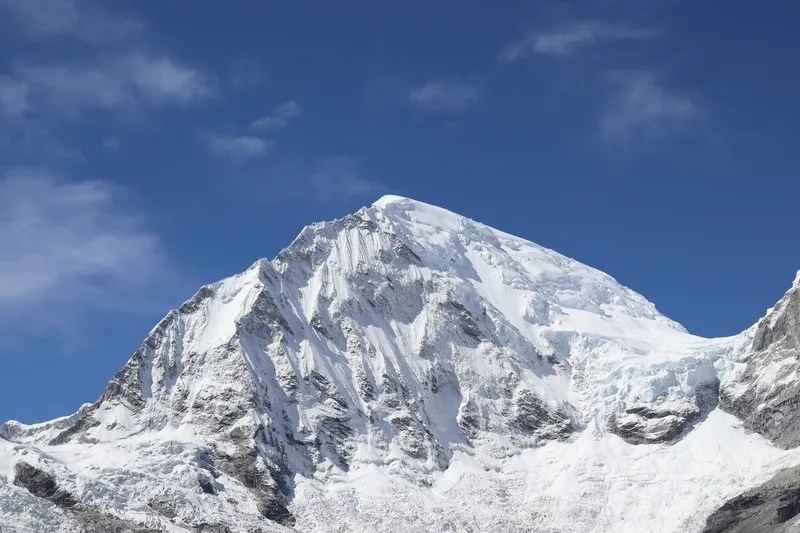
Position is everything here: this is where the Karakoram, the Hindu Kush and the Himalaya meet, five of the world's fourteen peaks above eight thousand metres stand within the region, and the Hunza valley two hours north is one of the most spectacular inhabited landscapes anywhere on earth. Costs are very low and the hospitality is genuine and much remarked on. Connectivity, the road, the winters and limited medical care all pull against it, and the security picture needs current government advice rather than guesswork, since parts of the wider region carry serious warnings of their own. Nanga Parbat, the ninth-highest mountain in the world and one of the most dangerous, sits at the southern end of the region, and the Fairy Meadows viewpoint below it is reached by a jeep track with a reputation of its own. Rakaposhi rises seven thousand metres almost directly from the valley floor, one of the steepest rises on earth.
Who Gilgit Is For
Mountaineers, trekkers and photographers above all, for whom this ranks among the great destinations on earth and is reason enough to accept everything else. It suits anyone travelling the Karakoram Highway in either direction. It suits people with a working connection to the region through development or research. The connection will not carry remote work, and a fixed schedule is the other thing to leave at home: landslides, weather and cancelled flights make every timing in this valley approximate rather than firm, and no amount of planning in advance changes any part of that. The Wakhi and Burusho communities of the upper valleys speak languages unrelated to almost anything around them. Burushaski in particular has no established relatives anywhere on earth, which has kept it among the standing puzzles of Asian linguistics. Hunza's Ismaili population is studied for good reason. Literacy rates and social organisation there differ strikingly from the rest of Pakistan, and the Aga Khan network that built much of it is visible in every village school and clinic in the valley. Be clear before booking that this is a staging post rather than a destination, and that Karimabad in Hunza is where most visitors actually settle for a while.
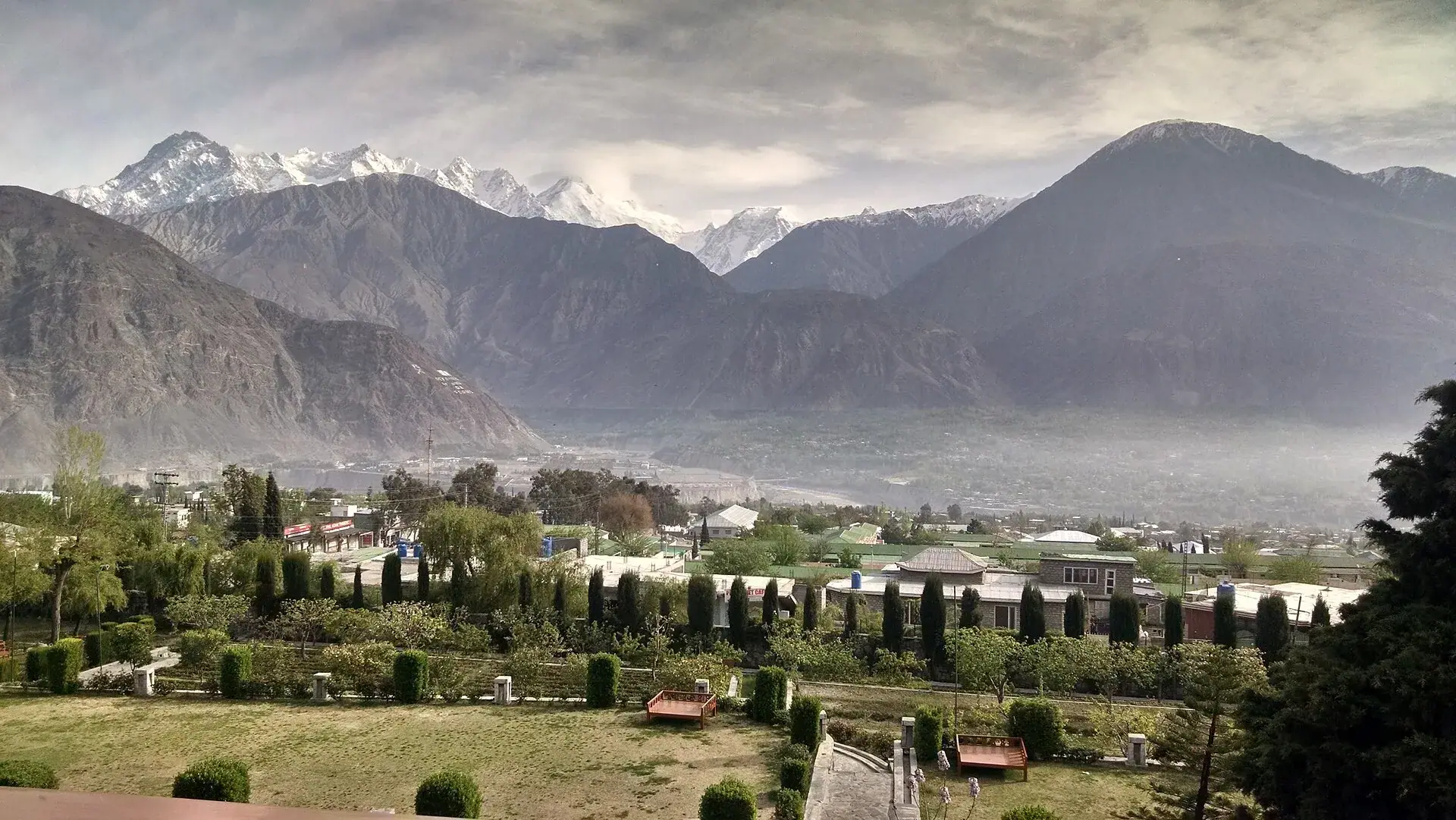 Photo: Fehd.raza @fehd.raza / Wikimedia Commons (CC BY-SA 4.0)