Cost of Living in Gokarna
Where this figure comes from. No cost survey covers Gokarna, so the $500 a month above is our own estimate rather than a measurement. On 416 of our 999 city guides the figure is built from a published Numbeo basket, a one-bedroom rent in the centre plus one person's monthly costs without rent, converted to USD; this city is not one of them. How we source everything.
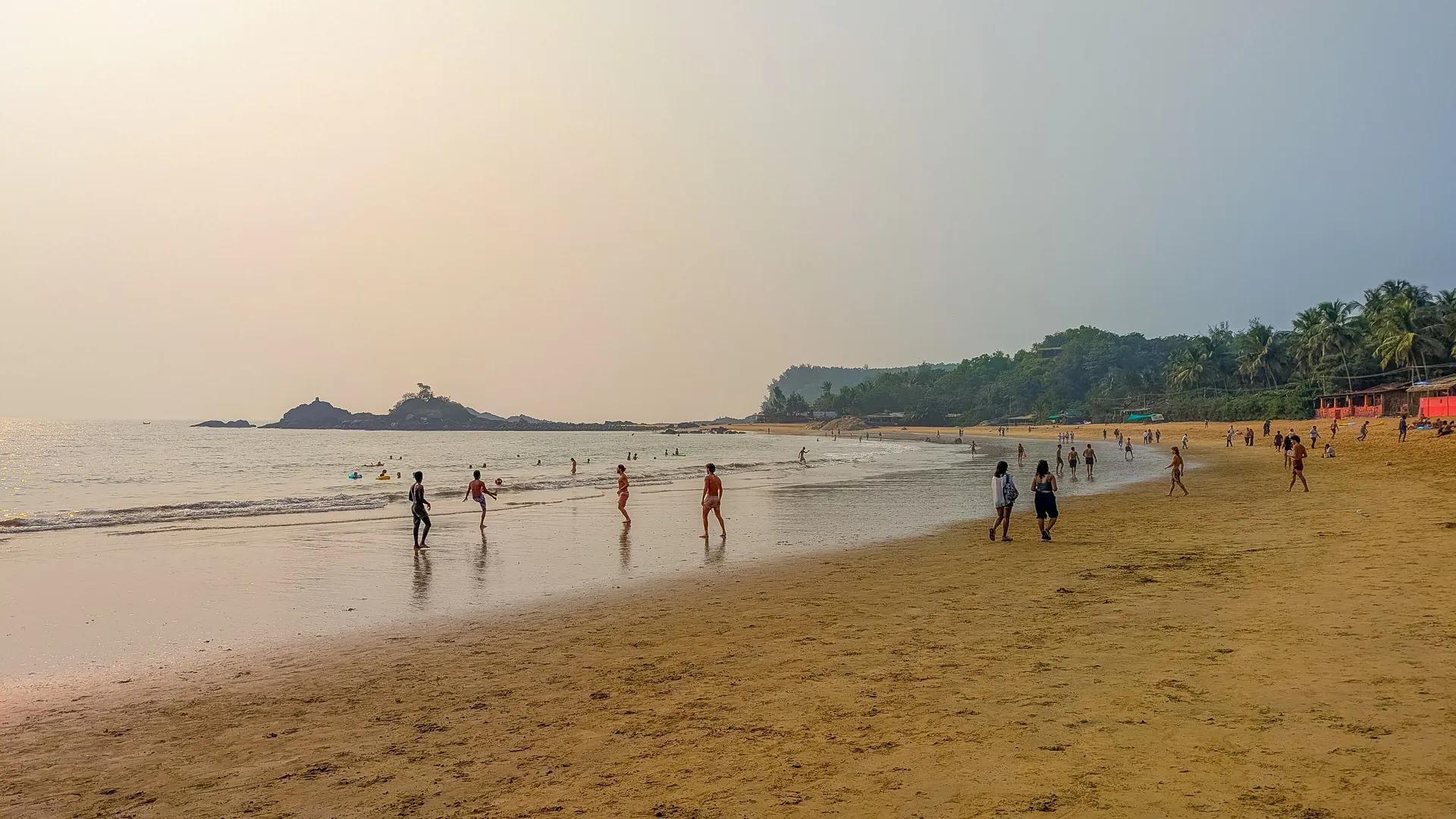
Gokarna runs on a beach-shack budget, not a Goa-resort one. A basic guesthouse room in the temple town or a bamboo hut on Om Beach or Kudle Beach runs roughly $5 to $13 a night in the October to March season, dropping further in the shoulder months. A simple thali or plate of dal chawal at a local eatery costs $1 to $2, while beach-shack traveler food (banana pancakes, hummus plates, wood-fired pizza) runs $2 to $5. A month living simply, eating mostly local food and staying in a budget hut, can land around $260 to $420 including a scooter rental. Choosing a nicer cottage with air conditioning, eating at the international cafes daily, and adding yoga classes or Ayurvedic treatments pushes that to $525 to $840 a month. Scooter rental is about $3 to $5 a day, autos within town run $0.50 to $1.50 per trip, and a bottle of water or chai is a few cents. Cash is still king at beach shacks and family-run stalls, though UPI (India's mobile payment system) works in most of the temple town. Bring a stash of small notes; ATMs near the bus stand can run dry or be offline during festival crowds, and card acceptance is patchy outside guesthouses geared toward foreign travelers.
Where to Work in Gokarna
Gokarna was not built for remote work and it shows. There is no dedicated coworking space; the closest thing is a laptop propped on a beach-shack table at Namaste Cafe or Prema on Kudle Beach Road, where wifi is available but shared, slow, and prone to dropping when the shack is busy or the power flickers. Some guesthouses on Om Beach and Kudle Beach advertise wifi in their common lounge areas, and these tend to be the most reliable bet for a video call, though "reliable" is relative. Mobile data on Jio or Airtel is generally the sturdier option; a local SIM with a decent data plan is worth getting on arrival in the temple town, where the main telecom shops are. Expect to work in short, focused bursts rather than all-day deep-work sessions, and treat any scheduled call as needing a backup plan (a second SIM, a walk to a guesthouse with a generator). Power cuts happen, especially during monsoon, so a charged power bank is not optional. Nomads who make Gokarna work tend to be here for a slower month rather than a sprint: mornings for focused work before the heat and crowds build, afternoons for the beach, with the understanding that some days simply will not be productive because the internet had other plans.
Getting Around Gokarna
Gokarna Road railway station sits about 9 km from the temple town and is served by trains running the Konkan Railway line, connecting to Mumbai, Goa (Madgaon), Mangalore, and further south; an auto-rickshaw from the station into town costs roughly $2 to $3. Direct buses and shared taxis also run from Goa (about 3 to 4 hours) and from Bangalore (a longer overnight haul of 9 to 10 hours), with private sleeper buses a common choice for the Bangalore route. Once in town, the temple town itself is walkable, but the beaches are spread out along the coast and connected by a mix of options: autos and shared jeeps run the road between Gokarna Beach, Kudle, and Om Beach, while Half Moon and Paradise Beach are reached by a forest footpath, a longer trek over the headland, or a short boat ride from Om Beach during calm-water months. Scooter rental is the most flexible way to string beaches together and costs $3 to $5 a day; expect rough, potholed stretches and no fuel stations near the beaches themselves, so fill up in town. There is no ride-hailing app coverage here, so auto fares are negotiated up front, and after dark the unlit beach roads are better walked with a torch and a companion than alone.
Sorting transport? Book an airport transfer, or compare car rental on Auto Europe and QEEQ.
Visas for Gokarna
India requires almost all foreign nationals to arrange a visa before arrival; there is no visa-on-arrival for most nationalities. The simplest route for a beach stay is the India e-Tourist visa, applied for online, which offers 30-day, one-year, and five-year validity options depending on nationality, with the 30-day double-entry e-visa the most common choice for a nomad passing through Gokarna as part of a wider India trip. Processing typically takes a few business days, so apply well before travel rather than at the airport. The e-visa is issued for tourism and does not permit local work for an Indian employer, though remote work for a foreign company while traveling is the norm among digital nomads here, as it is across India; there is no dedicated nomad visa. Entry is usually through Goa's Dabolim or Bangalore's Kempegowda airport, both of which handle e-visa arrivals, followed by the overland or rail connection into Gokarna. Overstaying even by a day can mean fines and complications at departure, so track your visa window carefully, especially if extending a stay on impulse because the beaches are too good to leave.
Best Time to Visit Gokarna
October through March is Gokarna at its best: dry, warm days, calm seas, and every beach shack, guesthouse, and cafe open for business. December and January are peak season, busiest around Christmas and New Year with domestic and international travelers alike, and prices for huts and rooms rise accordingly. February and March offer a quieter, still-dry window before the heat builds. April and May turn hot and humid ahead of the monsoon, with fewer travelers but also fewer amenities as some shacks begin closing. June through September is the southwest monsoon in full force: heavy, sustained rain, rough seas unsafe for swimming, and a large share of the beach shacks, huts, and boat services shutting down entirely until the rain clears, leaving only the temple town and a handful of guesthouses operating. Anyone planning a nomad stay should build their trip around the October to March dry season; arriving mid-monsoon expecting a lively beach scene is a common and avoidable disappointment.
Pros and Cons of Gokarna
The pull of Gokarna is real: a string of genuinely beautiful, less-crowded beaches within walking or boat distance of each other, a slower and more spiritual atmosphere than Goa's party circuit, cheap and simple living, and a temple town with real religious significance rather than a manufactured backpacker set piece. Food is good and varied for its size, from South Indian thalis to beach-shack international menus, and the natural setting of palm groves meeting the Arabian Sea is hard to overstate. The downsides are just as real. Wifi and mobile connectivity are inconsistent, ruling out heavy video-call work. Infrastructure is genuinely basic: rough roads, occasional power cuts, limited healthcare (the nearest serious hospital is in Karwar or further, over an hour away), and beach-shack accommodation that trades comfort for atmosphere. The heavy monsoon closes much of the town for a third of the year. And as an active pilgrimage site, Gokarna expects visible respect: modest dress away from the beach itself, no public nudity or excessive drinking near the temple, and an awareness that this is a working sacred site, not a resort built for tourists.
Who Gokarna Is For
Gokarna suits nomads who want a genuine slow-travel reset rather than a productivity sprint: yoga and meditation practitioners, writers and creatives who can work in short offline bursts, budget travelers stretching a longer India trip, and anyone who finds Goa too commercial and wants beach life with a spiritual undercurrent instead. It rewards people comfortable with basic infrastructure, unreliable wifi, and a bit of physical effort (that footpath to Half Moon and Paradise Beach is not optional if the boats aren't running). It is a poor fit for anyone needing dependable high-speed internet for daily calls, for those wanting nightlife or polished amenities, or for travelers uncomfortable navigating a working Hindu pilgrimage town with the dress and behavior it asks for. Come for a few weeks to a month, not expecting to get much heavy client work done, and Gokarna delivers one of India's best low-key coastal stays.